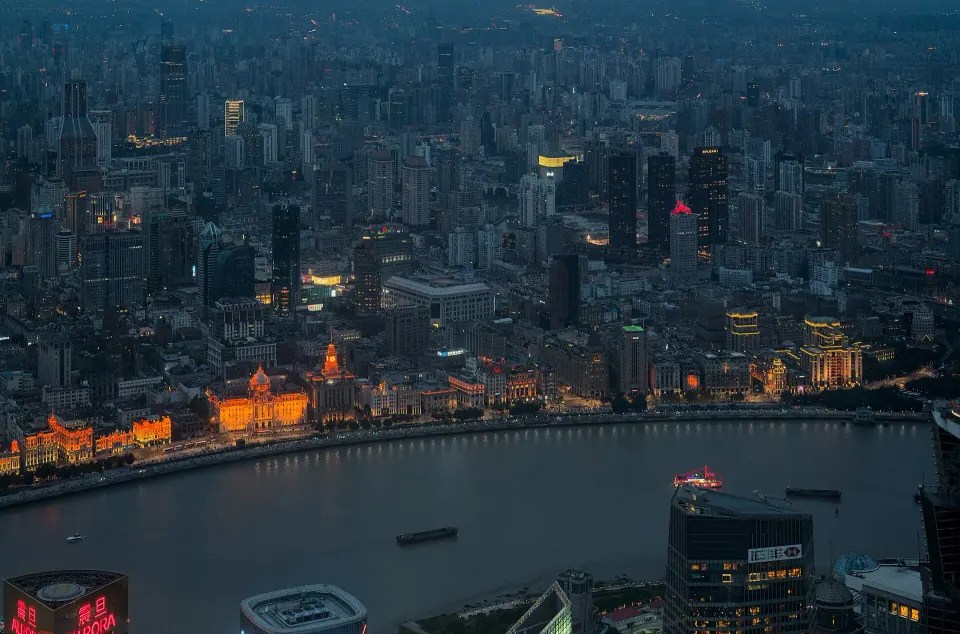
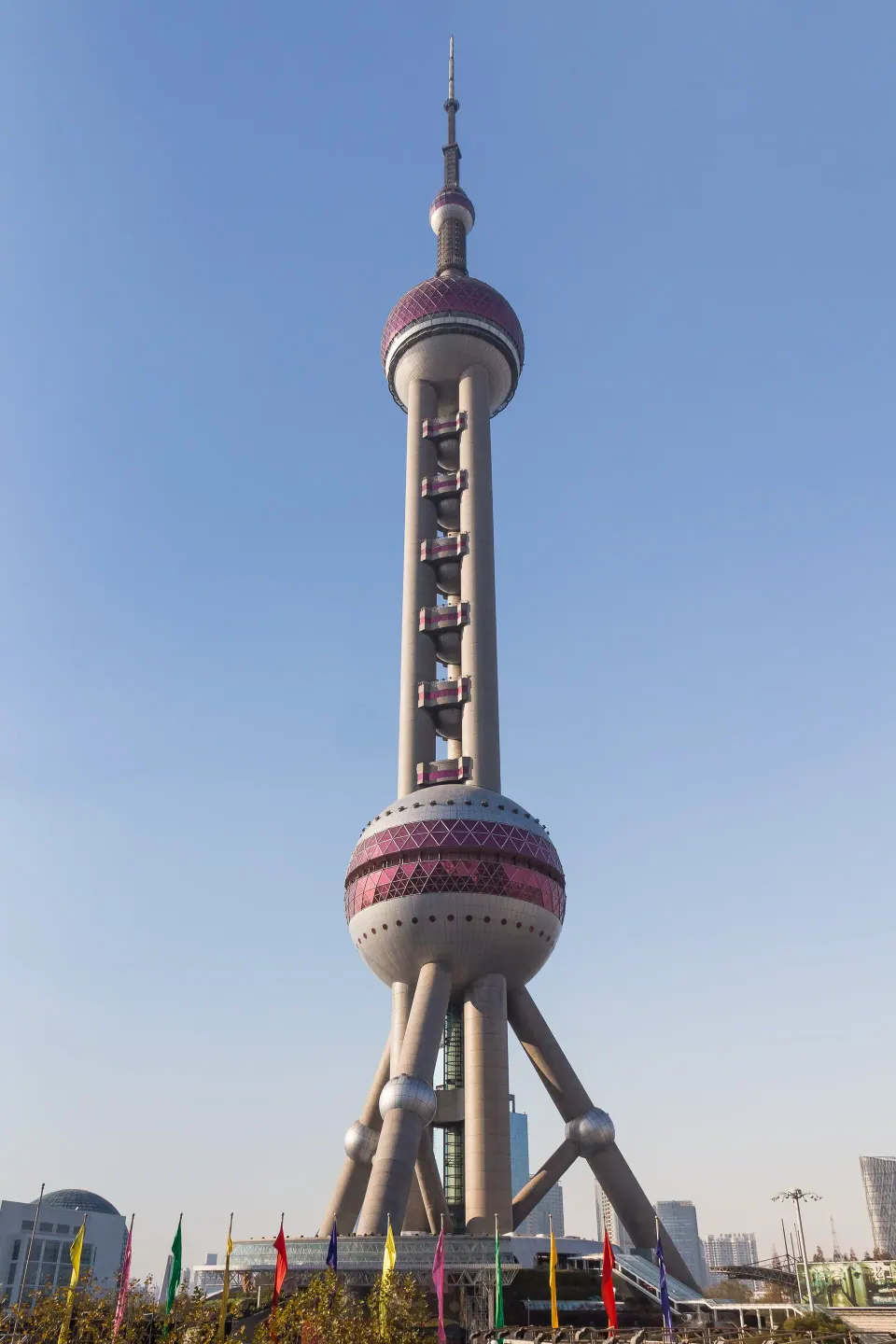
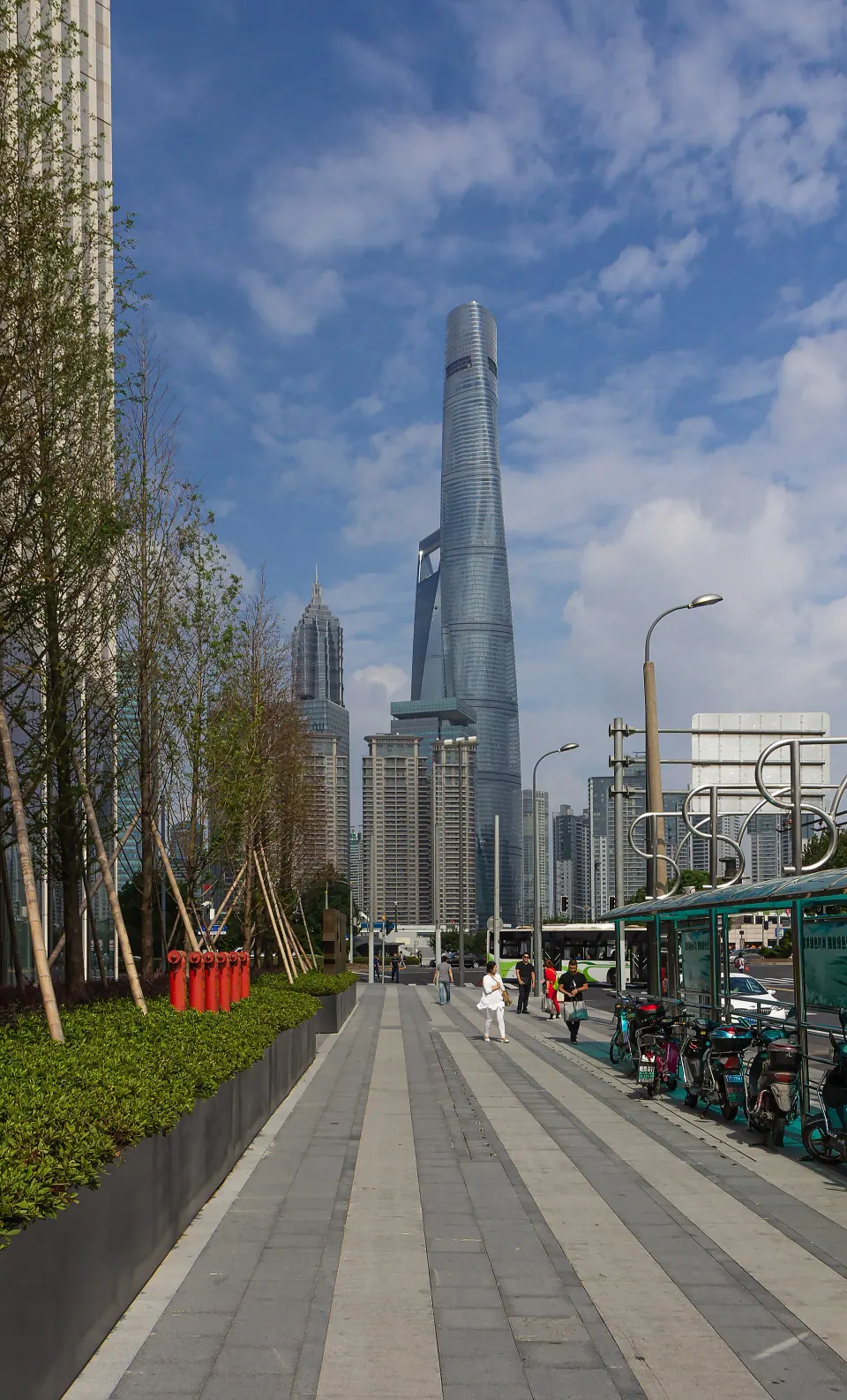
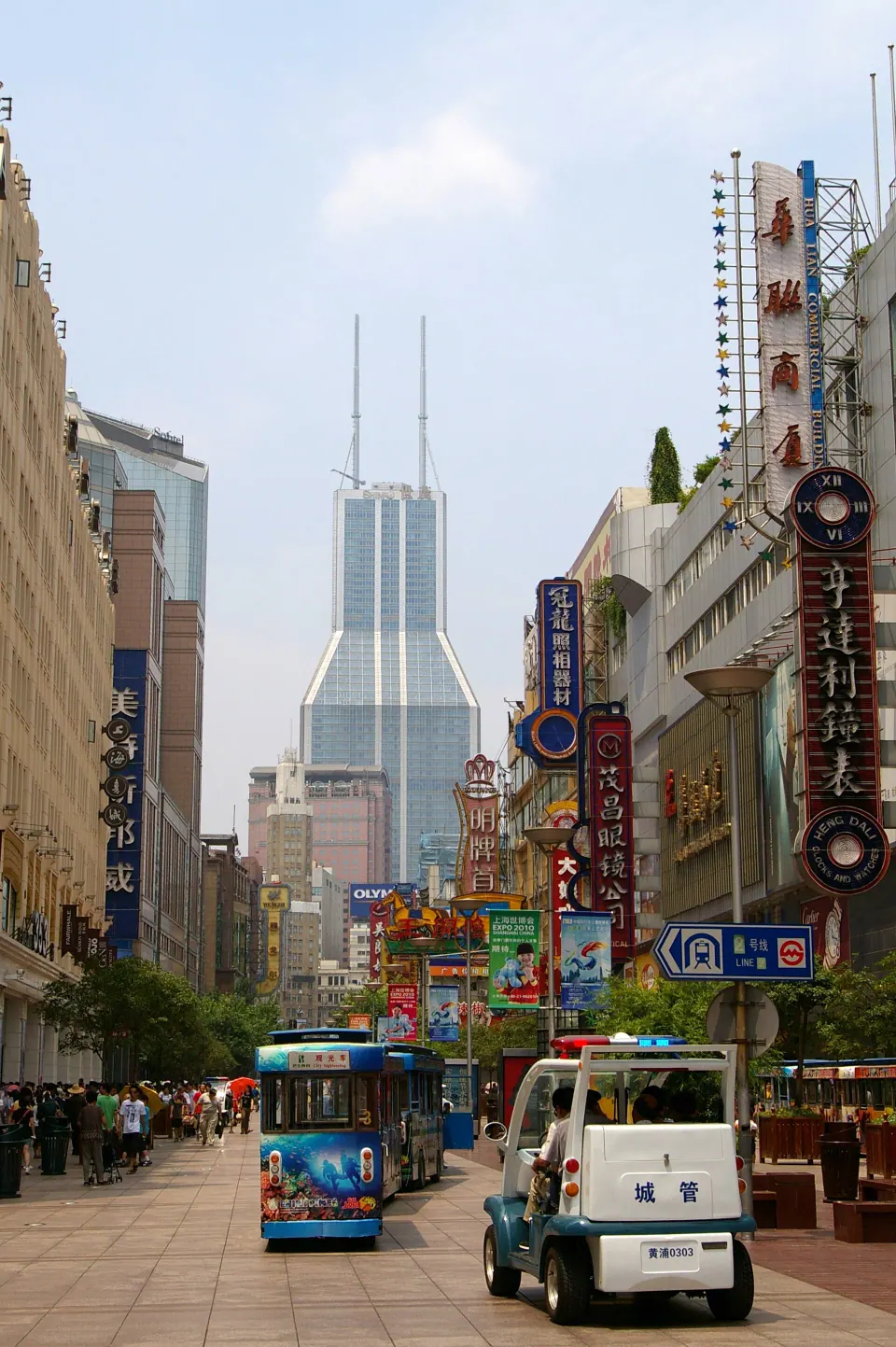
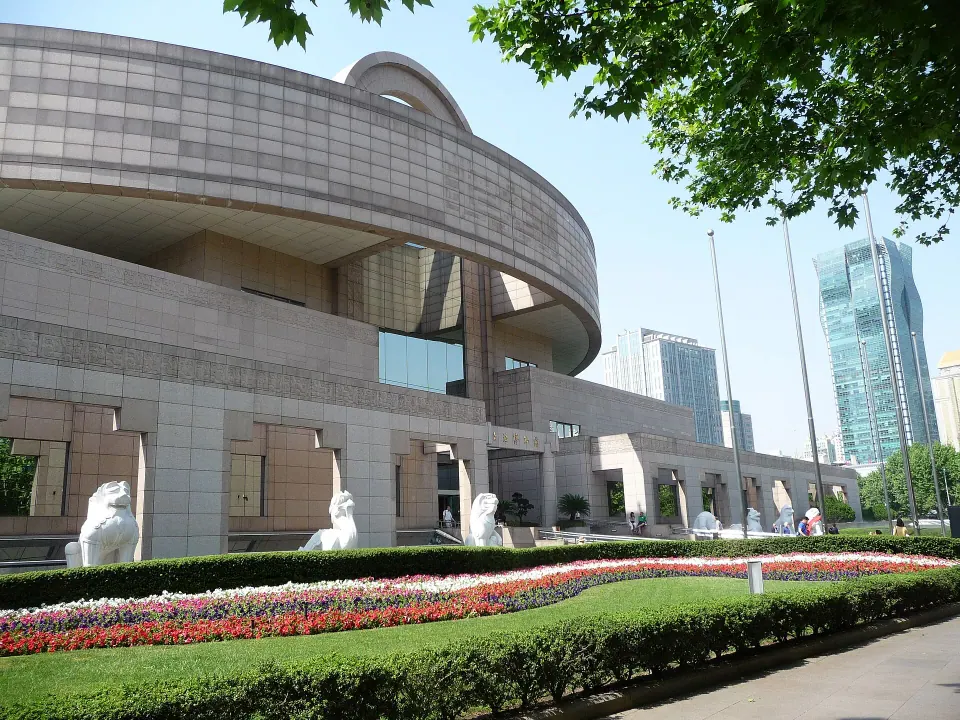
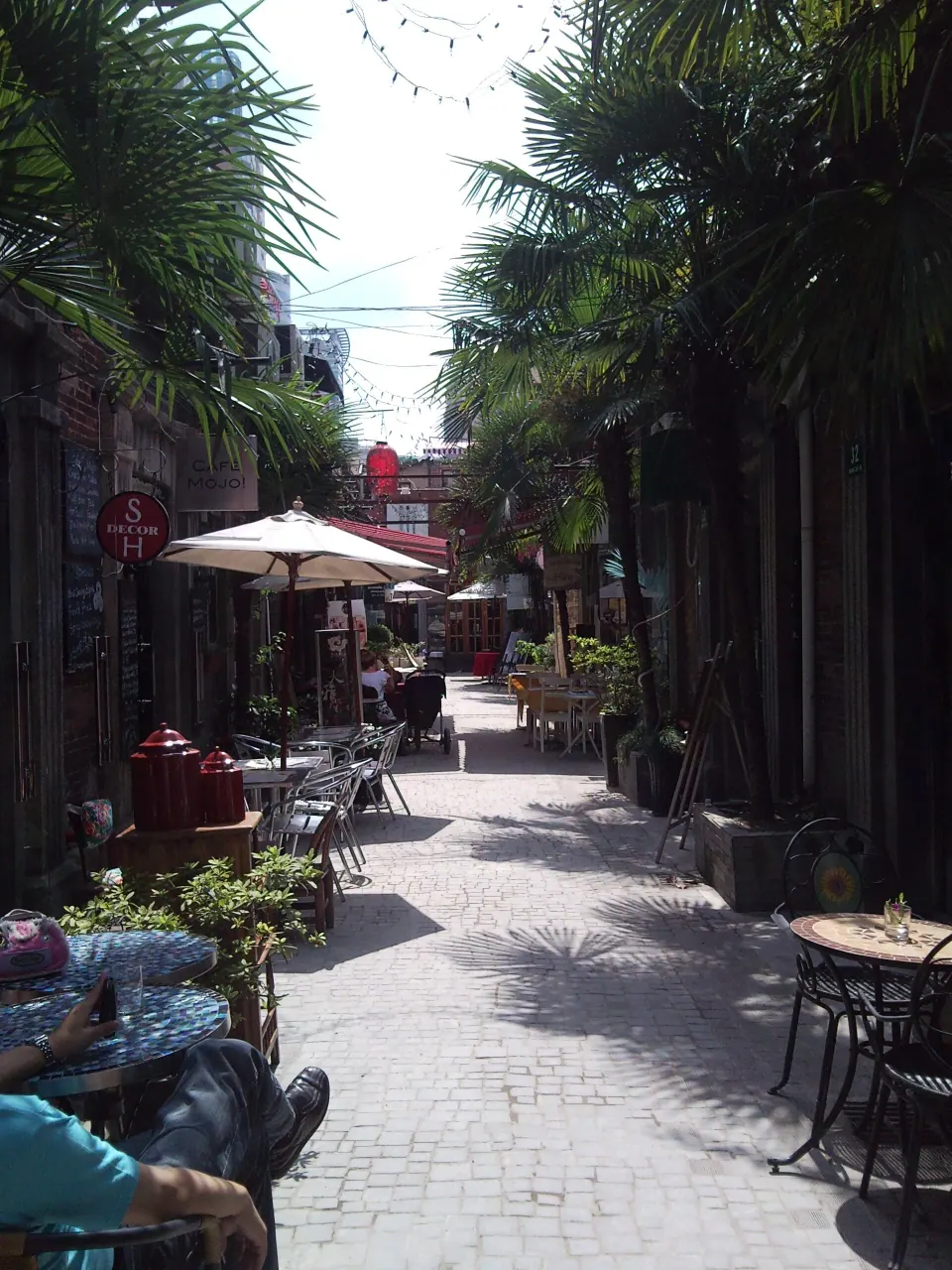
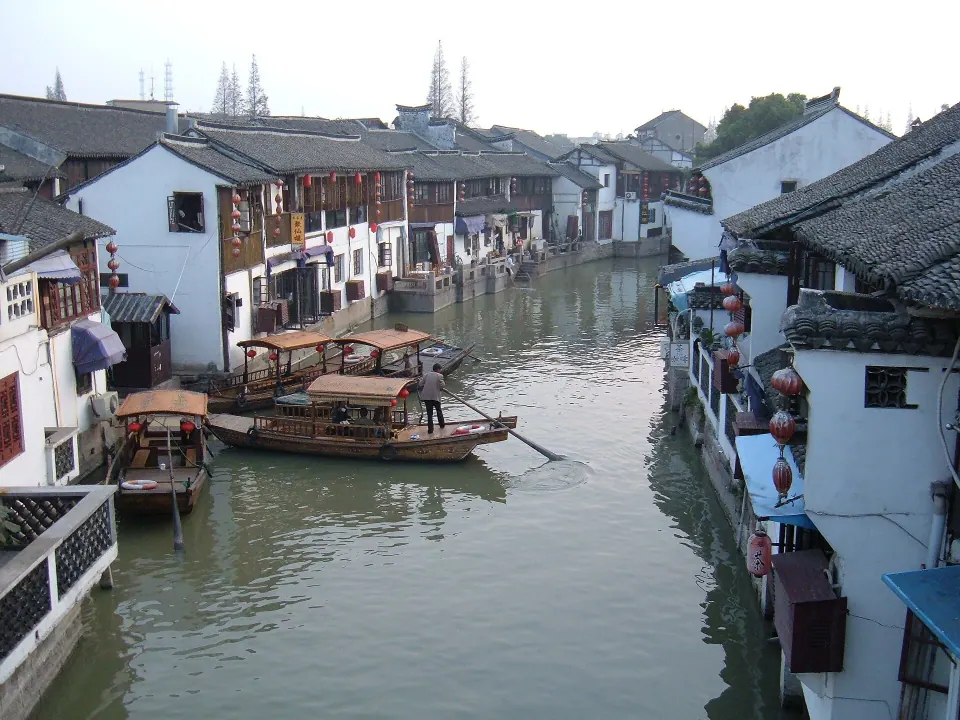
China's most modern megacity: the historic Bund waterfront, the skyscrapers of Lujiazui, Shanghai Disneyland and water towns. Direct flights from UB and prices lower than Japan or Hong Kong; good for city breaks, shopping and theme parks for kids. A Chinese visa is required.
🛂 Visa: Visa required · 30 days✈ Flight: 3.5h · direct☀ Best months: April, May, October, November
KidsAdult ~CNY 475–799 (depending on date)8:30–21:30
Park with the world's largest Disney castle; Zootopia land. A full day.
Travel guide
Like a well-travelled friend for a first-timer: before you go, landing, SIM, transport, money, food, safety, manners, apps, leaving — step by step.
🧳Before you goShanghai is the nearest megacity to UB with direct flights and no time difference. The real preparation is the visa and setting up your apps and cards in advance.+
1
Get your visa at the embassy in UB
An ordinary Mongolian passport needs a visa for mainland China. Tourist L visa: single entry $53, standard processing 4 working days (express costs extra). Apply in person with a passport valid 6+ months, the form, a 2x2 inch photo, round-trip tickets, hotel booking, bank statement and insurance.
Tip: Some Mongolian sites say 'China is visa-free' — that applies only to diplomatic and service passports.
Since November 2025 foreigners complete the arrival card online on the National Immigration Administration (NIA) site before travel — it is free. Sites that charge a fee are fakes. If you don't manage it, there is a QR code and a paper card at the airport.
Almost every payment in China is a QR code. Register Alipay and WeChat under your passport name, link a Visa/Mastercard and verify while still in UB — SMS and bank verification can fail once you're there. Install both: when one refuses, the other usually works.
Tip: Google, WhatsApp, Facebook and Instagram are blocked in China. If you need them, install a VPN before you leave.
July–August is very hot and humid (light clothes, umbrella, sunscreen); June is the rainy season; December–February is damp and cold with weak indoor heating, so bring warm layers. April–May and October–November are the most pleasant. Insurance: international hospitals are good but expensive — travel insurance is a must.
Tip: A small water bottle, wet wipes and hand sanitiser — daily essentials in a Shanghai summer.
5
Book Disneyland and museums ahead
Shanghai Disneyland, the Shanghai Museum (free but with registration) and the Shanghai Tower sell dated tickets; weekends and Chinese holidays (first week of October, Chinese New Year) sell out. Trip.com lets you book in English.
You give fingerprints and show passport and visa; have the QR code of your online arrival card ready. Queues can be long — do the airport errands (SIM, cash) after you clear. Save your hotel with its exact address on your phone: taxi drivers and police read only Chinese.
Tip: Keep a screenshot of your hotel's name and address in Chinese characters.
2
Metro Line 2 — the cheapest
The metro station sits underground between the two terminals. Line 2 runs directly to Lujiazui, Nanjing Road and People's Square; over an hour to the centre. Ticket machines accept Visa/Mastercard, or enter with Alipay's metro QR code.
The magnetic levitation train runs from Pudong to Longyang Road (metro lines 2, 7, 16, 18). The combined 'Maglev + Metro' pass is 55 yuan one way with unlimited metro rides for 24 hours. With kids it's worth it just to watch the speed.
An international roaming eSIM bought before you fly usually bypasses China's blocks, so Google Maps and WhatsApp work — the traffic is routed abroad. Check that your phone supports eSIM. Being connected the moment you land is the biggest advantage.
Tip: Compare your Mongolian operator's roaming packages too — for a short trip they may be enough.
2
Local SIM — with your passport
The Shanghai government launched short-term SIMs for foreigners: China Telecom cards for 7, 15 and 30 days (the 7-day one is 85 yuan), sold at 23 outlets across the city and in the arrivals area of Pudong T1. China Unicom also has counters in the terminals. Passport required.
On a Chinese SIM, Google, Gmail, YouTube, WhatsApp, Facebook and Instagram won't open. Use Amap or Baidu Maps, the Pleco dictionary and WeChat to communicate. Hotel Wi-Fi is blocked the same way. If you use a VPN, install and test it before you leave.
🚇Getting aroundThe Shanghai metro is one of the world's largest networks; English signage, clean and cheap. In the centre, almost everything is reachable by metro plus a walk.+
1
Metro: fares by distance
Tickets start at 3 yuan for up to 6 km, plus 1 yuan for every further 10 km. Most trips in the centre are 3–5 yuan. A 1-day pass is 18 yuan, a 3-day pass 45 yuan — worth it if you ride many times a day. Bags go through an X-ray at the entrance and you may be asked to show your water.
Easiest is the 'Transport' QR inside Alipay held to the gate, or the Metro Daduhui (大都会) app. Gates and ticket machines now take foreign Visa/Mastercard directly. The Shanghai Public Transportation Card, sold at metro stations, works on metro, buses and taxis; spend over 70 yuan in a month and you get 10% off.
The currency is the yuan (¥, RMB). You can buy yuan in Mongolia — banks and exchange points in UB stock it — so bring a small amount. Larger sums come from ATMs with a foreign card; Bank of China and ICBC machines accept foreign cards, and your own bank may charge a fee.
Tip: Cash must legally be accepted everywhere, but nobody has change — carry small notes.
2
Alipay and WeChat Pay — everyday payments
From small eateries, markets and taxis to museums and the metro, you pay by QR code. Two ways: scan the merchant's code ('Scan') or show your own ('Pay'). Larger amounts on a foreign card may carry a fee — check Alipay's terms inside the app.
Big department stores, hotels and international brands take Visa/Mastercard; small shops and restaurants almost never — only UnionPay. Metro gates now read foreign cards directly. If a card fails, Alipay is your backup.
Shanghai's signature flavours: xiaolongbao (soup dumplings), shengjianbao (pan-fried buns), hongshao rou (sweet braised pork), hairy crab in autumn. Lots of meat for a Mongolian palate, seasoning sweet-savoury; for spicy food go to a Sichuan place. Around Yu Garden and the side streets off Nanjing Road — cheap and tasty.
Tip: No pictures on the menu? Read the characters with Pleco's camera, or point at the next table's dish.
2
Street food and market safety
Buy from busy stalls cooking in front of you. Fried and boiled food is safe; avoid raw seafood and anything that has been sitting out. If your stomach isn't used to oily, vegetable-heavy food, go easy the first days.
3
Water and drinks
Tap water isn't drinkable — boil it or buy bottled; every hotel gives free water. Restaurants bring hot water or tea for free. Beer is cheap; coffee chains (Luckin, Manner) are everywhere, cheap and ordered by QR.
4
Food apps and queues
Popular restaurants hand out queue numbers in the evening — go early or at lunchtime. Delivery (Meituan, Ele.me) can be ordered to your hotel but needs a Chinese address — reception can help.
🛡️SafetyFor its size Shanghai is very safe: dense CCTV, violent crime rare. The main risk is scams aimed at tourists.+
1
The 'tea ceremony' and 'art student' scams
On the Bund and Nanjing Road, friendly young people with good English invite you to a 'tea ceremony', 'KTV' or 'art exhibition' — it ends with a bill of hundreds of dollars. Decline politely and walk on. If a stranger wants to lead you somewhere right away — no.
Tip: A genuine teahouse never recruits customers on the street.
2
Fake taxis, fake notes
Only take taxis with a roof light and a meter; if the driver says 'meter broken', get out. Counterfeit 100-yuan notes exist — check the watermark on change, or pay by QR. Pickpockets work the small markets — bag in front.
3
Health and hospitals
For anything serious use an international hospital: Shanghai United Family, Parkway Health, the foreigners' wing of Huashan Hospital — English-speaking, high quality, expensive (insurance essential). Pharmacies are everywhere; write your medicine's generic name in Latin letters. Beware heatstroke in summer.
Buddhist temples (Jade Buddha, Jing'an) and Yu Garden have no strict dress code, but covered shoulders and knees are appropriate. Take off your hat inside, don't point at the Buddha with a finger, and copy locals for the incense ritual.
2
Queues, noise, personal space
On the metro and in lifts, let people out first, then board; stand on the right on escalators. Chinese people talk loudly in public and jostling is normal — don't take it personally. Smoking is banned in restaurants, the metro and hotels.
Tip: Give and receive business cards and gifts with both hands.
3
Table manners
Dishes go in the middle and everyone shares; never stick chopsticks upright in rice. When someone refills your tea, tap the table with two fingers to say thanks. One person pays the bill — splitting looks odd to older people, though young people split via Alipay.
4
Politics and conversation
Best not to argue in public about Taiwan, Tibet, Xinjiang or 1989. Many people enjoy talking about Mongolia and Chinggis Khaan, while 'Inner Mongolia' is a sensitive topic. People asking for a photo with a foreigner is normal and friendly.
Tip: Say you're from Mongolia and most people ask 'Hohhot?' — explain politely.
📱Useful appsGoogle and Meta products don't work in China, so install and register the replacements before you fly.+
1
Maps: Amap or Apple Maps
Google Maps doesn't work in China, and even when it does the map is offset. Amap (Gaode) has an English interface with metro routing, walking directions and taxi fares; on iPhone, Apple Maps uses Amap data in China, which is enough.
Alipay (payments, metro, DiDi mini-app), WeChat (messaging, payments, restaurant bookings), DiDi (taxis). To reach a Chinese friend or guide, only WeChat works. You can register with a Mongolian phone number.
Google Translate doesn't work live in China — download the offline Chinese pack beforehand and the camera translation works offline. Pleco, Microsoft Translator and Baidu Translate (百度翻译) also work. Showing your phone in restaurants and taxis is perfectly normal.
From the centre, Pudong is over an hour by metro; by taxi it depends on traffic — weekday evenings are slow. Arrive earlier than the usual international advice: Pudong's security and exit immigration queues are long. Spring Airlines' cheap fares may not include checked baggage — check ahead.
In shops marked 'Tax Free', foreign visitors spending at least 200 yuan in one shop on one day get a VAT refund; show your passport and get the form. At Pudong, get the customs stamp before exit immigration, then go to the refund counter; cash refunds are capped at 20,000 yuan.
Tip: Carry the goods unused, in their boxes, in hand luggage — customs may want to see them.
There is no separate departure tax — it's in the ticket. Leaving China, large amounts of cash, antiques and some herbal medicines are restricted; Mongolia has its own customs limits on the way in. If you still have the old paper arrival card slip, hand it in at the border.
Spend any yuan left in Alipay before unlinking your card — getting it back is a hassle.
Use only the official rank signposted 'Taxi' outside the terminal; ignore anyone inside asking 'taxi? taxi?' — many times the price. Check the meter is running. Booking through DiDi shows the fare up front and removes the language barrier.
Tip: Cash is fine, but drivers won't take old or torn notes.
City taxis are metered and relatively cheap; drivers don't speak English, so show your address in Chinese characters. The DiDi app works with foreign cards and shows the fare up front. Around the Bund and Nanjing Road at night, avoid anyone offering a 'private taxi'.
Tip: You can call DiDi from a mini-program inside Alipay — no separate registration needed.
4
Shared bikes and walking
The Bund–Nanjing Road–People's Square and the former French Concession (around Tianzifang) are best on foot. HelloBike's blue bikes unlock by QR through Alipay; pavements are wide, but electric scooters arrive silently, so stay alert.
Tip: Zhujiajiao water town is on Line 17 — about an hour from the city.
China has no tipping; restaurants, taxis and hotels don't expect it. If a big restaurant adds a service charge, it's printed on the bill. Haggling happens only in markets and tourist souvenir shops.
Mongolian consulate and documents
Mongolia has a Consulate General in Shanghai: 1428 South Pudong Road (Mongolian Center, 3rd floor), phone +86 21 6847 3255. If you lose your passport, report to the police (110) first for a certificate, then go to the consulate. Keep photos of your passport and visa on your phone.
Foreigners must register their place of stay with the police right after arrival — hotels do this automatically, but in an Airbnb you go to the local police station yourself. Don't photograph military sites or some government buildings; drones need registration.
Bookings: Trip.com
The English version of China's biggest booking platform (Ctrip): trains (high-speed to Suzhou, Hangzhou), hotels, Disney tickets, some museum registrations. Pay with a foreign card, the ticket arrives on your phone, enter the station with your passport.