Costa Rica's capital sits in the highland Central Valley (1,150 m), so it stays at +16…+26°C all year. In town: the National Theatre, the Pre-Columbian Gold Museum and the Central Market; from here you head to volcanoes (Poás, Irazú), Arenal, the Monteverde cloud forest, Manuel Antonio's beach-and-rainforest park and the Tortuguero turtles. For nature, wildlife and adventure lovers. No direct flights — connect via Europe (Madrid, Frankfurt, Amsterdam) or the USA. Mongolian citizens need a consular visa, but holders of a valid multiple-entry US, Canadian or Schengen visa enter visa-free.
Sign in to keep the plan — you'll continue right after.
💵
Costs and prices on the ground
return from $1700
…
☀️
Weather
Daytime 25–27°C · warmest in March
Orange — daytime average, blue — night, grey bars — rainfall, green — sea temperature. Best months: December, January, February, March, April.
📍
Things to see (12)
12 places: National Theatre of Costa Rica, Pre-Columbian Gold Museum, Central Market…
🧸 for kids
National Theatre of Costa Rica★ 4.7 (12,000)
CultureGuided tour ₡3,500 (children under 12 free)Tours daily ≈9:00–16:00, every hour
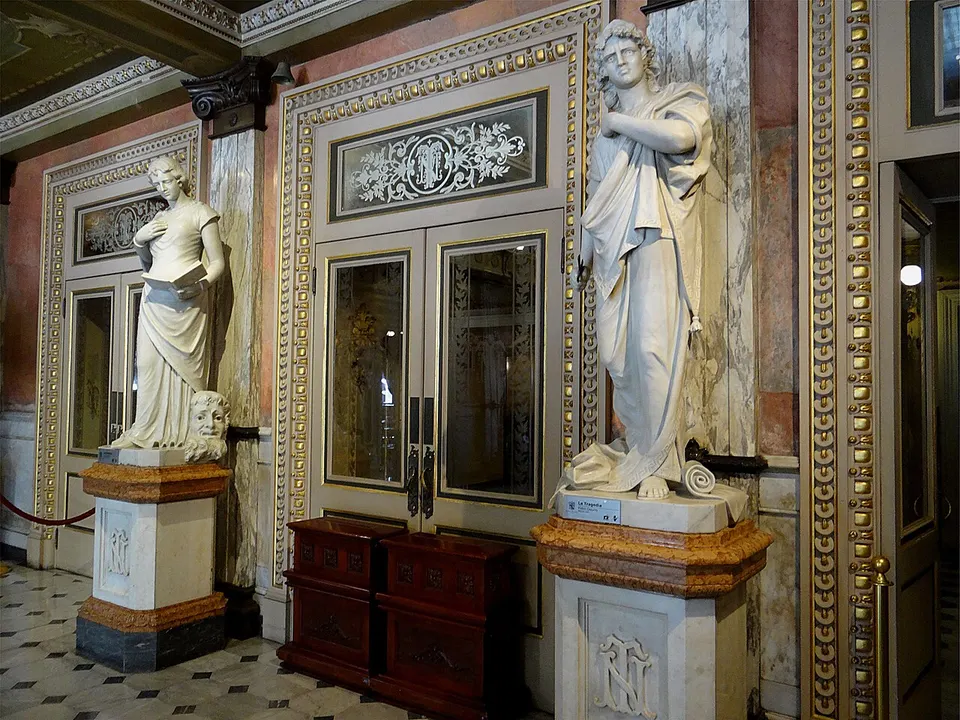
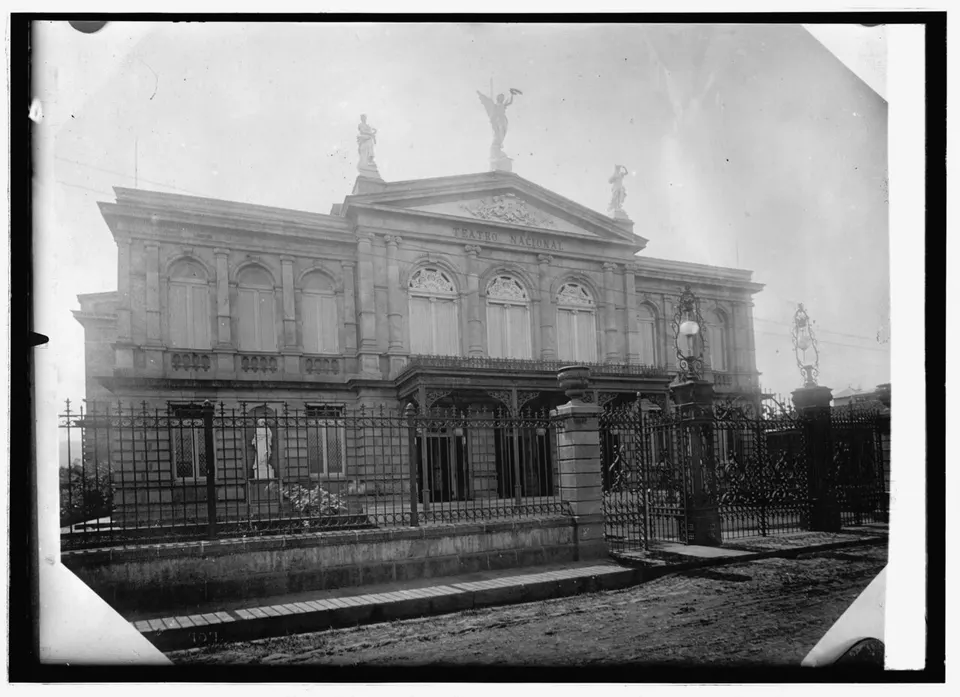
A neoclassical theatre built in 1897 with a coffee tax: gilded auditorium, Italian murals, marble staircase. English guided tours take about 45 minutes; a well-known coffee shop on the ground floor.
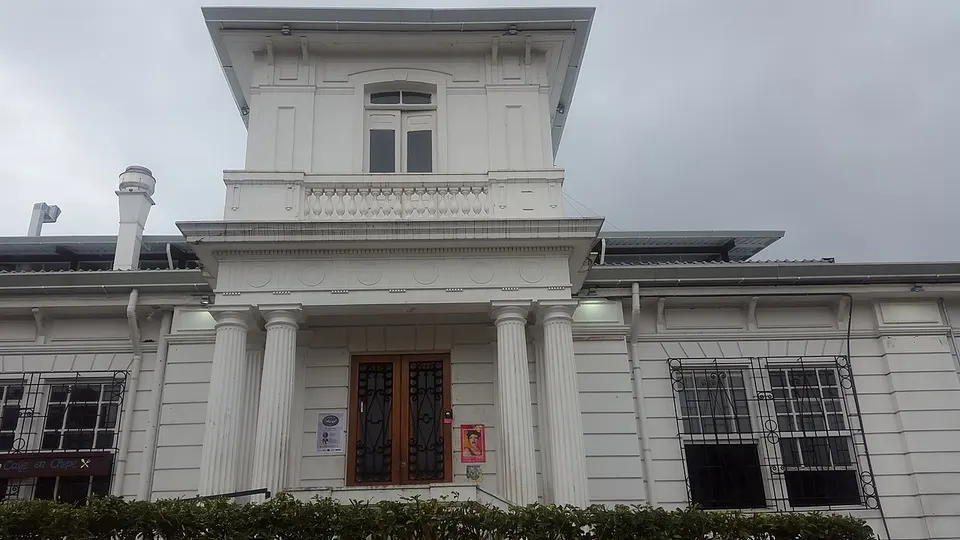
The 1890s neighbourhood of the coffee barons: old wooden 'tropical Victorian' houses now holding galleries, cafés and boutique hotels. A walking area, close to Morazán Park and the Spain Garden. Take an Uber back after dark.
Adult return fare: $1700–$3200Choose a connection on one ticket (bags checked through). Transiting airside in the Schengen area (Madrid, Frankfurt, Amsterdam, Paris) generally needs no transit visa for Mongolians, but changing terminals on separate tickets or leaving the airport needs a Schengen visa. A US connection needs a US visa (which also lets you enter Costa Rica visa-free). Mexico requires a Mexican visa even for transit, so avoid Mexico City. Airside transit at Panama's Tocumen (under 12 hours) usually needs no visa, but confirm with the airline. Costa Rica's $29 exit tax is included in most tickets. December–January and Holy Week are the most expensive; May–June and September–November the cheapest.
🛂
Visa and documents
Visa required · 30 days · $32 · language, safety, medical, SIM
Visa required · 30 days · $32
Under Costa Rica's General Visa Guidelines of 17 November 2025 (Gaceta No. 216, Alcance 148), Mongolia is in the 'Third Group' — a consular visa is required: single entry, up to 30 days (extendable in Costa Rica up to 90 days), passport valid for more than 180 days. There is no Costa Rican embassy in Mongolia — apply in person at a Costa Rican consulate such as Beijing, Seoul or Tokyo; the consul decides within up to 30 days, fee ~$30–32 (varies by consulate). Enter within 60 days of the visa being stamped. EXEMPTIONS: (1) a valid multiple-entry US or Canadian visa (B1/B2, D, C1/D; C1–C3 transit visas do not count) or residence permit, (2) a multiple-entry Schengen C or D visa, (3) a residence permit from the EU, UK, Switzerland, Norway or Iceland lets you enter without a Costa Rican visa. The US/Canadian/Schengen visa must be valid for at least 1 day on the day of entry, and the stay granted will not exceed that visa's validity (30 days maximum). Japanese or Korean visas and single-entry Schengen visas do not count. At the border you may be asked for a return/onward ticket and proof of at least $100 per month (bank statement/card).
Visa rules can change — confirm with the embassy or an official source before you travel.
Language:Spanish; tourist sites, hotels and tour guides speak good English, but English is limited in local restaurants and markets — a translation app is enough
Safety:Pickpocketing and phone snatching are common in central San José (especially the Central Market, bus terminals and after dark); use Uber or taxis at night. Leave nothing in a car — smash-and-grab break-ins at car parks are frequent. Rip currents on the Pacific coast are dangerous; don't swim on beaches without lifeguards. Volcanic activity can close Poás National Park at short notice. Tap water in the city is generally drinkable.
Healthcare:Hospital CIMA (Escazú), Hospital Clínica Bíblica and Hospital Metropolitano — private hospitals with English-speaking doctors, the best in Central America. Private care is expensive, so travel insurance is a must. Emergencies 911.
Phone:Easiest is an eSIM bought before the flight (Airalo, Holafly etc.); or a Kölbi, Claro or Liberty tourist SIM from the counters in SJO arrivals (passport needed). Kölbi has the best coverage in the mountains and countryside. Emergency number 911.
🧭
Travel guide
Arrival, SIM, transport, money, customs — step by step
Like a well-travelled friend for a first-timer: before you go, landing, SIM, transport, money, food, safety, manners, apps, leaving — step by step.
🧳Before you goThe key question is the visa. A multiple-entry US, Canadian or Schengen visa solves almost everything.+
1
Visa: consular visa or the visa-free exemptions
Mongolia is in Costa Rica's visa 'Third Group', so a consular visa is required: single entry, up to 30 days, passport valid for more than 180 days. There is no embassy in Mongolia, so apply in person at a Costa Rican consulate such as Beijing, Seoul or Tokyo; the consul decides within up to 30 days. However, with a valid multiple-entry US or Canadian visa (B1/B2 etc.), a multiple-entry Schengen C/D visa, or an EU or UK residence permit you enter without a Costa Rican visa; the visa must be valid on the day of entry, and the stay granted will not exceed its validity. Japanese and Korean visas do not count.
Tip: Using a multiple-entry Schengen visa for a connection via Europe, then entering Costa Rica visa-free on it, is the simplest option.
Immigration may ask for a return or onward ticket, an accommodation booking and proof of at least $100 per month (bank statement or card). The passport must be undamaged and machine-readable. Airlines also check your visa or US/Schengen visa before boarding for Costa Rica.
Private hospitals are expensive and adventure activities (rafting, ziplines) are everywhere, so get travel insurance that covers adventure sports. Tickets for parks such as Poás and Manuel Antonio are sold only on the SINAC site with time slots, and sell out fast in the dry season — book once your dates are fixed.
Tip: In the dry season (December–April), especially Christmas and Holy Week, book hotels and rental cars months ahead.
🛬Landing and getting to the cityJuan Santamaría Airport (SJO) is in Alajuela, north-west of central San José; travel time varies a lot with traffic.+
1
Official orange taxis
Right outside arrivals is the queue for the official 'Taxi Aeropuerto' (orange): fixed zone fares, roughly $25–30 to central San José. Confirm the fare at the desk before getting in. Ignore unofficial drivers touting outside the terminal.
Uber is widely used in Costa Rica; UberX from the airport to the city is usually cheaper than the official taxi. Uber drivers meet passengers at a designated spot outside arrivals, so message your driver through the app.
Many visitors skip the city and leave straight from the airport: shared shuttles such as Interbus run from the airport and city hotels to La Fortuna, Monteverde and Manuel Antonio (to La Fortuna ~$50–65 per person, ~3.5 hours). A private transfer pays off for families.
If your phone supports eSIM, install a Costa Rica plan from Airalo, Holafly or similar before you fly — you can call an Uber the moment you land. Coverage drops in mountains and forests, so download Google Maps areas for offline use.
SJO arrivals has Kölbi, Claro and Liberty tourist SIM counters: a few GB for 7–30 days costs roughly ₡5,000–15,000. Registration needs your passport. Kölbi (state-owned ICE) has the widest coverage in the countryside and mountains.
🚇Getting aroundUber and walking in town; shuttles, public buses or a rental car beyond. Distances are short but mountain roads are slow.+
1
In town: Uber and taxis
Central San José (theatre, museums, market, Barrio Amón) is walkable. Elsewhere use Uber or the red metered taxis (ask for the 'maría' meter). Don't walk around at night — call an Uber.
Shared shuttles (Interbus etc.) go hotel to hotel, ~$50–65 per person to La Fortuna. The cheap option is the public bus: Tracopa, for example, runs San José to Quepos/Manuel Antonio in ~4 hours for ₡5,000–8,000. Each company has its own terminal, so check Google Maps.
Tourists may drive on a foreign licence plus passport during their tourist stay, but carrying an International Driving Permit avoids problems. Mandatory insurance (TPL) is added at the counter and can double the rental price, so compare full prices. Use Waze, avoid mountain roads after dark and leave nothing in the car.
The official currency is the Costa Rican colón (CRC). US dollars are accepted everywhere in hotels, tours and large shops, but change comes in colones and the rate may be poor. Small markets, buses and sodas need colones. Visa and Mastercard work in most places.
Bank ATMs (BCR, Banco Nacional, BAC) dispense colones and sometimes dollars; machines inside bank branches are safest. A few clean, untorn US dollars from Mongolia are handy for tours and tips. National parks usually take cards only.
Restaurant bills already include the service charge and tax, so extra tipping isn't required. Tipping tour guides, drivers and hotel staff according to your satisfaction has become customary.
🍜FoodCosta Rican food is simple and fresh: rice, beans, fruit and world-famous coffee.+
1
Sodas — cheap home cooking
A 'soda' is a small family eatery: the lunchtime 'casado' (rice, beans, meat or fish, salad, fried plantain) is cheap and filling. Breakfast is 'gallo pinto' (rice and beans with eggs). The Central Market is full of sodas.
Tip: For children, order a fresh fruit drink ('fresco') made with water or milk.
Costa Rica grows quality arabica: take a coffee tour at an estate such as Doka on the slopes of Poás and buy beans at the supermarket. Cacao and chocolate tours are popular on the Caribbean coast.
Tap water is drinkable in San José and most tourist areas; in some remote places (Tortuguero etc.) drink bottled water. A refillable bottle saves plastic.
🛡️Safety and health+
1
Emergency numbers
All emergencies — 911 (police, ambulance, fire), free, 24 hours, with English-speaking operators. Red Cross ambulance 128, fire brigade 118. Private hospitals: Hospital CIMA, Clínica Bíblica, Hospital Metropolitano.
Pickpocketing and phone snatching are common in central San José, bus terminals and the Central Market: keep your phone out of sight on the street and valuables in the hotel. Never leave anything in a rental car (car parks, beaches, outside waterfalls) — windows get smashed. Beware of 'helpers' who appear when you have a 'flat tyre'.
Rip currents are strong on the Pacific coast — don't swim where there are no lifeguards, and if caught, swim parallel to the shore. Poás is highly active, so check the park news before you go. Stay on trails in the forest, where snakes are possible; use mosquito repellent (dengue).
🙏Manners+
1
'Pura vida'
Costa Ricans ('ticos') are friendly and relaxed: 'Pura vida' works as hello, thank you and 'all good'. Rushing or raising your voice looks rude; punctuality is a little loose.
2
Don't feed the animals
Feeding monkeys and raccoons in national parks is strictly forbidden — it is fined and harms the animals. Don't touch wildlife, don't use flash, and watch turtle nesting only with a guide and without lights.
Casual clothes are fine in town; don't walk into shops or restaurants in beachwear. Cover shoulders and knees in churches. Volcanoes and cloud forests are cold and wet, so pack a light jacket and a rain poncho.
📱Useful apps+
1
Routes and rides
Waze — Costa Rican addresses are often given as 'north of the old church', so it is the main navigation helper. Uber — rides in town and from the airport. Download Google Maps areas for offline use.
Buy national park tickets through SINAC's online service (an account is required). Download Spanish in Google Translate for offline use — market vendors and drivers speak little English.
Traffic between San José and SJO is heavy at morning and evening rush hours, so call your Uber early. Check-in and security for international flights can be slow — leave plenty of time. From La Fortuna or Manuel Antonio you can take a shuttle straight to the airport.
Costa Rica's departure tax by air is $29; most airlines include it in the ticket price. If yours doesn't, pay it at the airport counter before check-in — check with your airline.
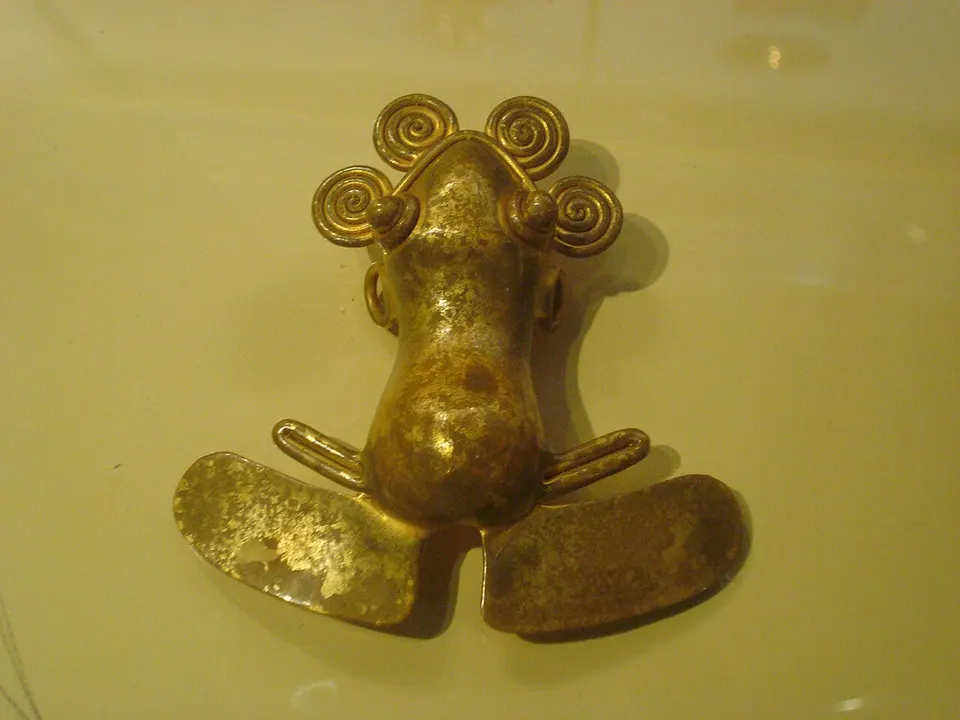
The Central Bank's museum underground beneath the Plaza de la Cultura: over 1,600 gold pieces — frog and vulture amulets, rings, bells. Also a banknote and coin hall. Right next to the National Theatre.
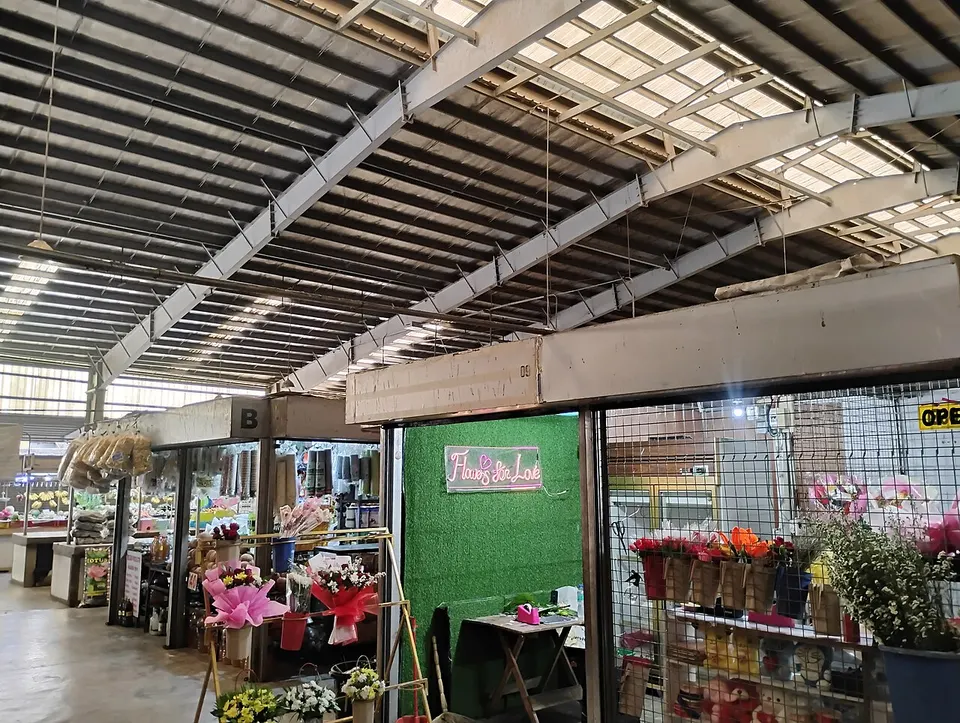
A whole-block market hall dating from 1880: small 'sodas' serving casado and gallo pinto, coffee beans, spices, handicrafts. Very busy, so watch your bag and phone.
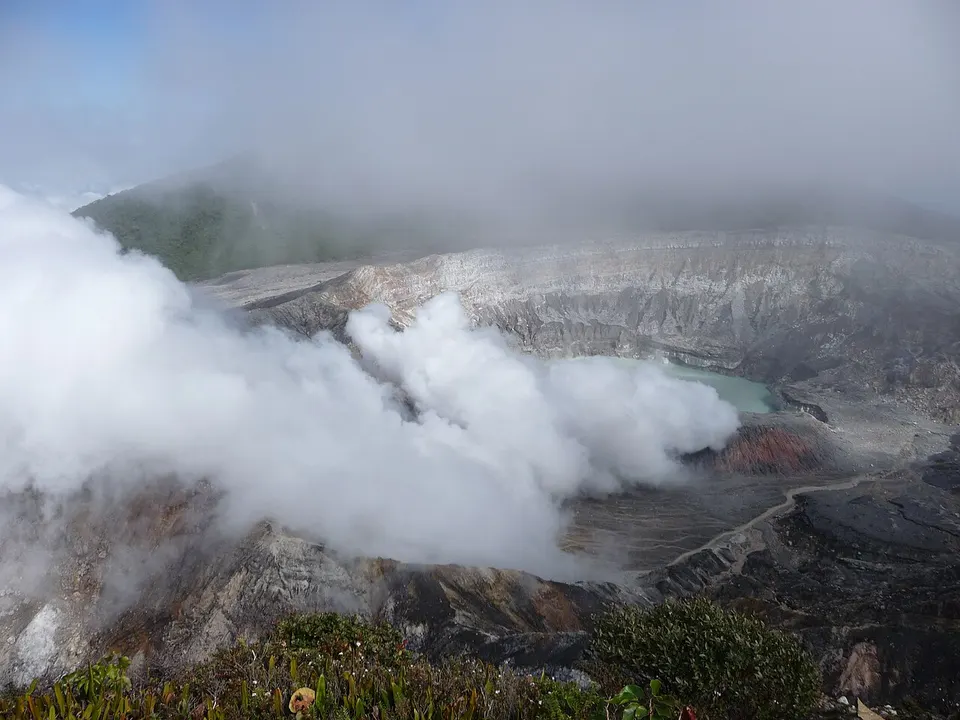
One of the world's largest active craters with a milky-green acid lake (1.3 km). It erupted again in 2025–2026, so visits are 20 minutes at the rim wearing a helmet; book a timed ticket on the SINAC site in advance and check the park is open just before you go. Usually combined with Doka coffee estate (coffee tour ~$28) and La Paz waterfalls. ~1.5 hours from the city.
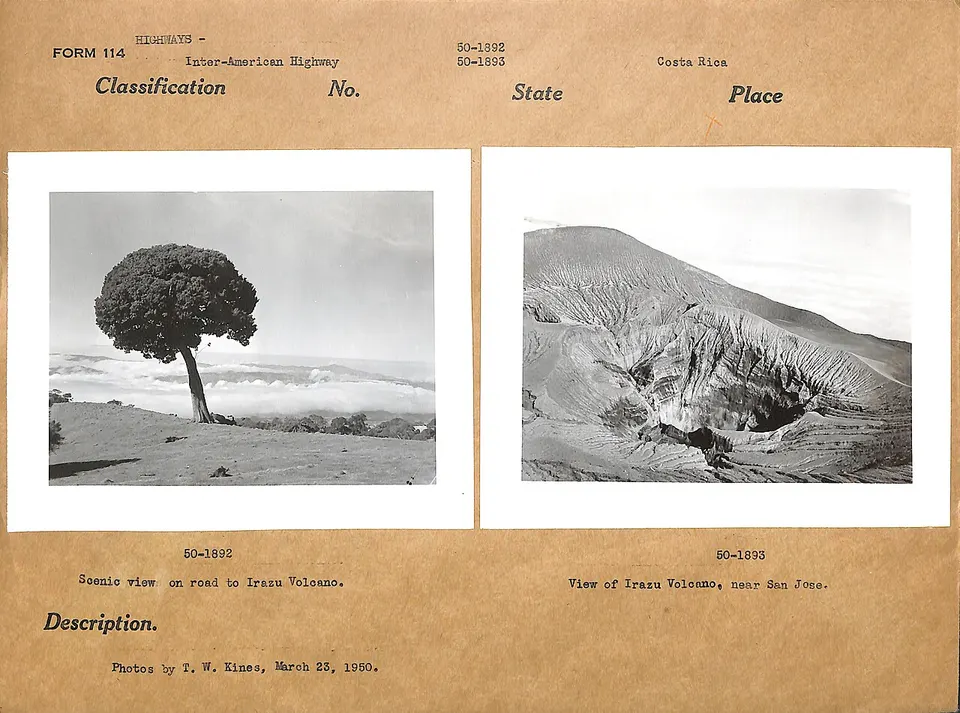
Costa Rica's highest volcano (3,432 m): a moonscape grey crater, and on a clear morning both the Pacific and the Caribbean. Cold (+5…+15°C) — bring warm clothes. ~1.5 hours from the city; stop at the Basilica of Los Ángeles in Cartago on the way back.
Kids$56 (children 3–12 $40) + tax8:00–17:00 (enter before 15:00)
Stepped trails through cloud forest to 5 waterfalls, a butterfly dome, hummingbird garden, jaguars, monkeys, a frog house and more. One of the best day trips with children; pair it with Poás.
A perfect cone volcano (1,670 m) with trails across the 1968 lava fields and views of Lake Arenal. Based in La Fortuna (~3–3.5 hours from San José): in the evening, hot springs — Tabacón (from $115) or the cheaper Baldi, or the free river springs; Mistico hanging bridges ($28).
A 70 m waterfall dropping out of the rainforest; walk down 500-plus steps and swim below (only in the calm side pool — the current is strong). The climb back is hard for children.
Misty forest at 1,500 m draped in moss and orchids: quetzals, hummingbirds, monkeys. A guided morning walk ($30–50) or a night tour for sloths and tarantulas. Hanging bridges and ziplines nearby. ~3.5–4 hours from San José, the last stretch on a mountain road.
A small park where rainforest meets white-sand beaches: sloths, white-faced monkeys, iguanas, raccoons. Buy tickets in advance on the SINAC site; a guide with a telescope spots far more animals. Food is restricted. ~3–3.5 hours from San José.
Nature$15 + tax; night turtle tour extra6:00–18:00 (night tours only with a guide)
Caribbean canals and rainforest reachable only by boat or plane (bus + boat 4–5 hours); 2–3 day packages are usual. From July to October watch green turtles nest at night with a licensed guide. Canoe tours for caimans, toucans and monkeys.