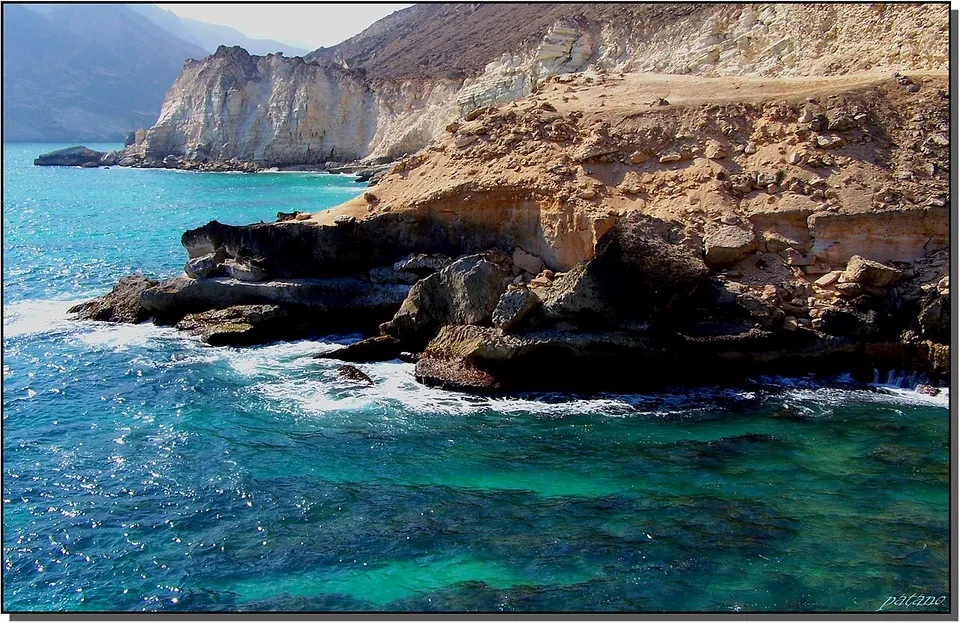
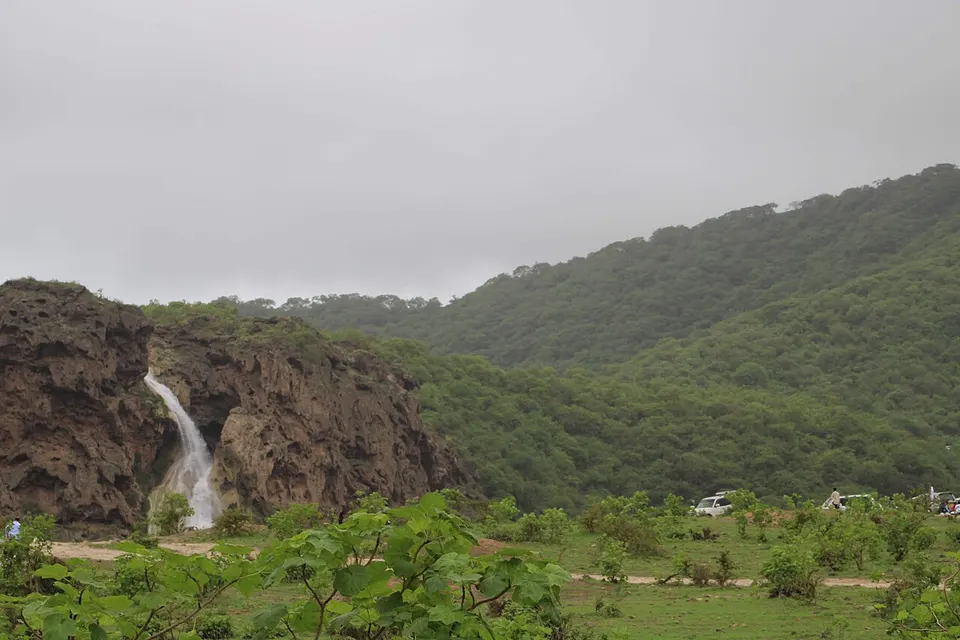
The capital of Oman's southern Dhofar region, a town of palms, coconuts and banana groves on the Arabian Sea. From June to September the 'khareef' monsoon turns the mountains green, brings mist and sets waterfalls flowing — the Arabian Peninsula's only cool, green summer; October to April is the sunny beach season. Frankincense-tree valleys, the UNESCO 'Land of Frankincense' ruins, the Mughsail blowholes and the Empty Quarter. No direct flights — connect via Muscat, Dubai or Doha. Mongolian citizens need an e-visa in advance.
5 days in Salalah for 2 cost ~7.4M₮ per person. Flights, mid-range stay, food, local transport and sights included, at December prices. Flights and stay alone: ~6.5M₮. From Ulaanbaatar with a change, ~19 h. Visa: e-Visa · 30 days · $52.
💵
Costs and prices on the ground
…
☀️
Weather
Daytime 27–33°C · warmest in May
Orange — daytime average, blue — night, grey bars — rainfall, green — sea temperature. Best months: January, February, August, November, December.
📍
Things to see (12)
12 places: Wadi Darbat, Al Mughsail Beach and blowholes, Fazayah Beach…
🧸 for kids
Wadi Darbat★ 4.6 (9,000)
NatureFree (boats and pedal boats ≈OMR 2–5)Daylight hours
Salalah's best-known natural sight: in the khareef (July–September) a green valley with a lake, tall cliff waterfalls, grazing camels and cattle, and mist. Paddle the lake by boat and picnic on the shore — great for families with children. In winter the falls usually dry up.
About 45 minutes west of town: a white-sand beach under cliffs, and next to Marneef Cave blowholes where waves shoot water metres into the air through holes in the rock — strongest in the khareef. On the way, the 'anti-gravity point' where cars seem to roll uphill. Swimming is banned during the khareef.
Show all (12)
📍🧸 for kids
Jebel Samhan viewpoint★ 4.6 (3,000)
NatureFreeDaylight hours
One of Dhofar's highest mountains (~1,800 m): from the cliff edge a sweeping view over the plain to the sea and the town of Mirbat. In the khareef you look down on the clouds; in winter it is clear. A nature reserve and home of the Arabian leopard.
Freshwater springs at the foot of the mountains: Ain Razat has a park, water channels and picnic areas; at Ain Athum a waterfall runs down the cliff in the khareef. 20–30 minutes from town, a good half-day trip with children.
We don't take bookings. We send you straight to the cheapest site.
Oman Air and SalamAir fly Muscat–Salalah many times a day (at the khareef peak up to 13 daily with Oman Air and 10 with SalamAir). Internationally, flydubai (Dubai) and Air Arabia (Sharjah, Abu Dhabi) fly year-round; Qatar Airways (Doha), Etihad, flynas and Saudia mostly in the khareef season. Oman Air opened a new Dubai–Salalah route on 3 July 2026. In 2026 Gulf schedules can change or be cancelled because of the regional conflict — book on one ticket and check before flying. July–August (khareef) and New Year fares are the highest.
Mongolia is not on Oman's 14-day visa-free list (100+ countries) — Mongolian ordinary passport holders need a visa; the Mongolia–Oman visa exemption covers diplomatic and service passports only. Apply online on the Royal Oman Police portal evisa.rop.gov.om: Mongolians usually apply through an Omani hotel or licensed tour operator acting as sponsor; tourist visa fees are OMR 20 (~$52) for 30 days or OMR 5 for 10 days — sponsors may add a service charge. Passport valid 6+ months, return ticket and hotel booking required; apply 1–3 weeks before flying. The GCC unified tourist visa had not launched as of October 2026.
Visa rules can change — confirm with the embassy or an official source before you travel.
Language:Arabic (official), plus Jibbali (Shehri) and Mehri in the mountains; English is widely used in hotels, restaurants, shops and on road signs
Safety:Oman itself is very calm, with little crime. But during the 2026 regional conflict Salalah's port (south-west of town, at Raysut) was hit by drones several times: on 11 March a drone struck the fuel storage, setting two fuel tanks on fire and suspending port operations; more drones fell on 13 and 28 March, injuring a worker. The ports of Duqm and Sohar were also hit. Town life and sights are normal and the 2026 khareef season went ahead, but the UK FCDO warns of renewed Iranian strikes in the region including Oman since 8 July, and the US still says 'reconsider travel' (Level 3) — check consul.mn and airline news before you go. During the khareef the surf is extremely dangerous and swimming is banned; mountain roads get thick fog and camels wander onto them. Dress modestly; alcohol only in licensed hotels; drug laws are very strict.
Healthcare:Sultan Qaboos Hospital (Salalah's main public hospital) and English-speaking private hospitals such as Badr Al Samaa and Lifeline; pharmacies are easy to find. Serious cases are transferred to Muscat. Treatment is expensive for foreigners, so travel insurance is a must.
Phone:Get an Omantel or Ooredoo tourist SIM with your passport at the airport or a shop in town (OMR 6–15, 30 days); Vodafone Oman is also available. You can install an eSIM (Airalo etc.) before the flight. Coverage drops in the mountains and desert, so download offline maps.
🧳
Get ready for the trip
Sort these out before you leave and the trip runs smoother.
🧭
Travel guide
Arrival, SIM, transport, money, customs — step by step
Like a well-travelled friend for a first-timer: before you go, landing, SIM, transport, money, food, safety, manners, apps, leaving — step by step.
🧳Before you goMongolian citizens must have a visa for Oman in advance; first decide which season you want (the green khareef or the sunny winter).+
1
Visa: a sponsored e-visa
Mongolia is not on Oman's 14-day visa-free list. Apply on the Royal Oman Police portal evisa.rop.gov.om; Mongolian citizens usually apply with a hotel or licensed tour operator as sponsor. Tourist visa fees are OMR 5 for 10 days and OMR 20 for 30 days; you need a passport valid 6+ months, a return ticket and a hotel booking.
Tip: When booking your hotel, ask whether it offers visa sponsorship.
In March 2026 a drone attack hit the fuel storage at Salalah's port, setting two fuel tanks on fire, and more drones fell on the port afterwards. The town and its sights are normal, but the UK and US still have warnings in place. Before going, check consul.mn and your airline's notices, and buy insurance that covers flight cancellations.
Salalah's sights are spread far from town, so a rental car is the most practical. Tourists may drive on their home licence, but if it is not in English or Arabic an International Driving Permit (IDP) is required — a Mongolian licence is in Cyrillic, so get an IDP in Ulaanbaatar beforehand.
🛬Landing and getting to townSalalah Airport (SLL) is close to the centre, small and easy.+
1
Official taxi
Official airport taxis have fixed fares: OMR 7 one way to the town centre or Al Haffa, OMR 10 to the big resort hotels. The fare board is in front of the taxi office; pay in cash rials.
An OTaxi app ride is usually cheaper. Car rental companies have desks in the arrivals hall — picking up your car on landing and driving into town is the easiest option.
Show your passport to get an Omantel or Ooredoo tourist pack for OMR 6, 10 or 15 (30 days, data plus local calls); they are sold at the airport or at shops in the centre and malls.
If your phone supports eSIM, install an international one such as Airalo before the flight so you are online during your connection in Muscat or Dubai too. WhatsApp voice calls are sometimes restricted in Oman.
Tip: Download Dhofar in Google Maps for offline use — coverage drops in the mountains and desert.
🚇Getting aroundSalalah's sights are spread east and west along the coast and up into the mountains, so you need a car or a guided tour.+
1
Renting a car
A car gives the most freedom for Wadi Darbat, Mughsail, Jebel Samhan and the springs. Roads are good, with many speed cameras. In the khareef, mountain roads get thick fog and camels wander onto them — use your lights and drive slowly. Fazayah Beach and the desert need a 4x4.
Agree the fare before riding a street taxi; with the OTaxi app the price is shown upfront. For trips out of town you can hire a driver by the half or full day.
If you don't drive, book the east tour (Darbat, Taqah, Sumhuram, Mirbat), the west tour (Mughsail, Fazayah) or an Empty Quarter desert trip through your hotel. Go into the desert only by 4x4 with an experienced guide.
The Omani rial is pegged to the US dollar: 1 USD ≈ OMR 0.385, so 1 rial ≈ $2.6. The rial divides into 1,000 baisa — a price written '2.500' means 2.5 rials.
Visa and Mastercard work in hotels, malls and restaurants; you need cash for airport taxis, Al Haffa Souq, roadside coconut stalls, the Darbat boats and the ruins' ticket desks. There are plenty of bank ATMs in town, few in the mountain villages.
Tip: Bargaining at the souq is normal — just keep it polite.
🍜FoodDhofari food: camel and goat meat, fresh fish, fresh coconut, bananas and papaya; Indian and Keralan food is everywhere and cheap.+
1
What to eat
Slow-cooked shuwa-style meat, Dhofari 'madrouba', charcoal-grilled camel meat, fresh fish, and coconut water and bananas from roadside stalls. Cardamom kahwa coffee and dates are the food of hospitality — accept them when offered.
Small Indian and Keralan restaurants, shawarma stands and Yemeni eateries are cheap and tasty. During the khareef the Atin plain and Itin area fill with family picnics and food tents. On Friday around midday many places close for prayers.
Tip: Alcohol only in licensed hotels and resorts.
🛡️Safety and health+
1
Emergency number 9999
Police, ambulance and fire share one number — 9999 (free, 24 hours). If describing your location is hard, ask hotel staff or a local to help in Arabic.
During the khareef (June–September) the surf and currents are extremely dangerous and swimming from the beaches is banned — follow the signs, flags and police. Stay behind the railings at the Mughsail blowholes. Thick fog, camels and wet roads cause accidents in the mountains.
Sultan Qaboos Hospital (public) and private hospitals such as Badr Al Samaa and Lifeline work in English; serious cases are transferred to Muscat. Treatment is expensive for foreigners, so call your insurer's assistance line first.
In town, souqs and villages both men and women cover shoulders and knees; shorts and revealing tops only at resorts. On public beaches swim in covered clothing, not a bikini. Don't photograph people, especially women, without permission.
2
Mosques and villages
In mosques wear clothes covering arms and legs, and women cover their hair with a scarf; take your shoes off and don't enter at prayer times. In mountain villages and pastures respect livestock and fences, and don't enter private land without permission.
3
Ramadan
During Ramadan, eating, drinking and smoking in public during daylight are forbidden; many restaurants open only after sunset. Check the dates of Ramadan and Eid before booking.
📱Useful apps+
1
Roads, taxis and flights
Google Maps — for driving and finding places; download offline maps before heading to the mountains or desert. OTaxi — the official taxi app. Oman Air and SalamAir apps — to check and check in for the Muscat–Salalah flight.
Talabat — food and grocery delivery. Google Translate's camera mode translates Arabic menus and signs; download Arabic for offline use. English gets you by almost everywhere.
The airport is close to the centre, but plan to be there 3 hours before an international flight and 2 hours before a domestic one; at the khareef peak it gets very busy. In 2026 Gulf flight schedules may change, so check your flight the day before.
Overstaying your visa brings a daily fine. Dhofari frankincense (the best grade is 'hojari'), incense burners and oils, dates and Omani halwa make good gifts; frankincense is best packed in checked luggage.
A quiet hidden beach reached down a winding mountain road beyond Mughsail: clear blue water, rock islets and few people. The road is steep, so a 4x4 is advised; there are no shops or shade — bring water and food.
A 19th-century mud-brick castle, once the local governor's residence: traditional rooms, weapons and household items. Small — 30–45 minutes is enough; on the way to the Sumhuram ruins.
Part of the UNESCO 'Land of Frankincense': ruins of a 3rd-century BC frankincense trading port above the Khor Rori lagoon, with flamingos. A small museum with good explanations; loveliest at sunset.
In town on the seafront: the ruins of the medieval port city of Zafar (UNESCO) and a museum on Oman's maritime trade and the history of frankincense. You can tour the park by electric cart. On hot days go in the evening.
Al Haffa Souq and coconut plantations★ 4.2 (4,000)
ShoppingFree≈9:00–13:00, 16:00–22:00
A market for frankincense, incense oils, burners, Dhofari clothes and crafts. Along the nearby roads are coconut, banana and papaya plantations, and drinking fresh coconut water at a roadside stall is a Salalah must.
CultureFreeNon-Muslim visitors usually in the morning, closed on Fridays — check before you go
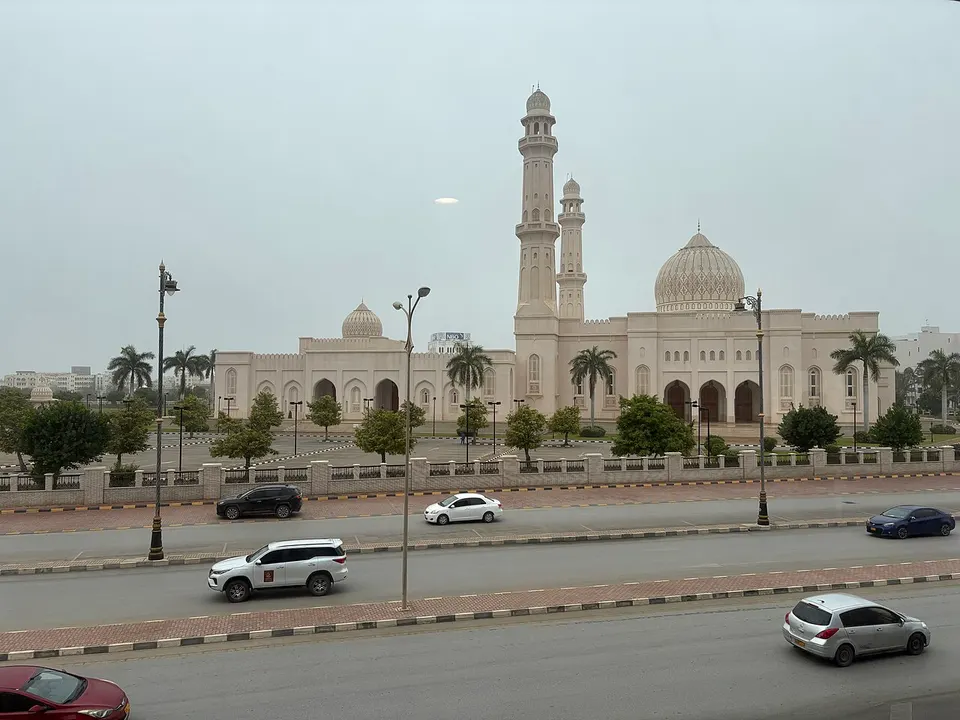
A white marble mosque with a large dome in the town centre. Clothes must cover shoulders and knees and women must cover their hair with a scarf; don't enter during prayer times.
Part of the UNESCO 'Land of Frankincense': more than a thousand frankincense trees (Boswellia sacra) in a dry valley behind the mountains. See how the resin seeps out and hardens, and read the information boards. About 40 minutes from town, on the way to the desert.
Empty Quarter (Rub' al Khali) and Ubar★ 4.6 (1,500)
Nature4x4 day trip ≈OMR 50–90 per carBest October–April; full day
By 4x4 to the edge of the world's largest sand desert: the ruins at Shisr believed to be the legendary frankincense city of 'Ubar', orange dunes and sunset. 2.5–3 hours from town; only with an experienced guide.