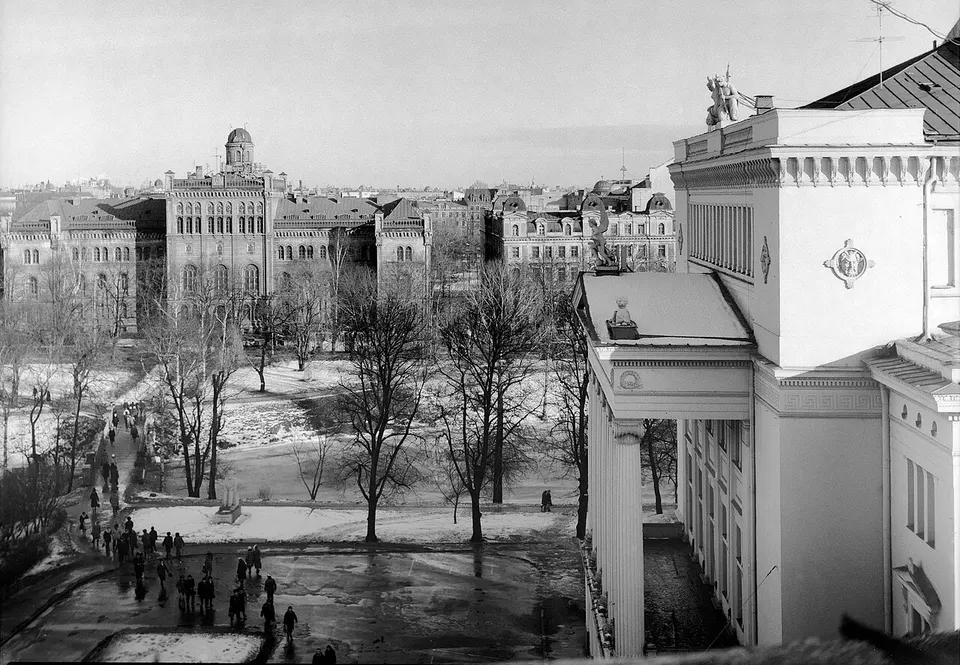
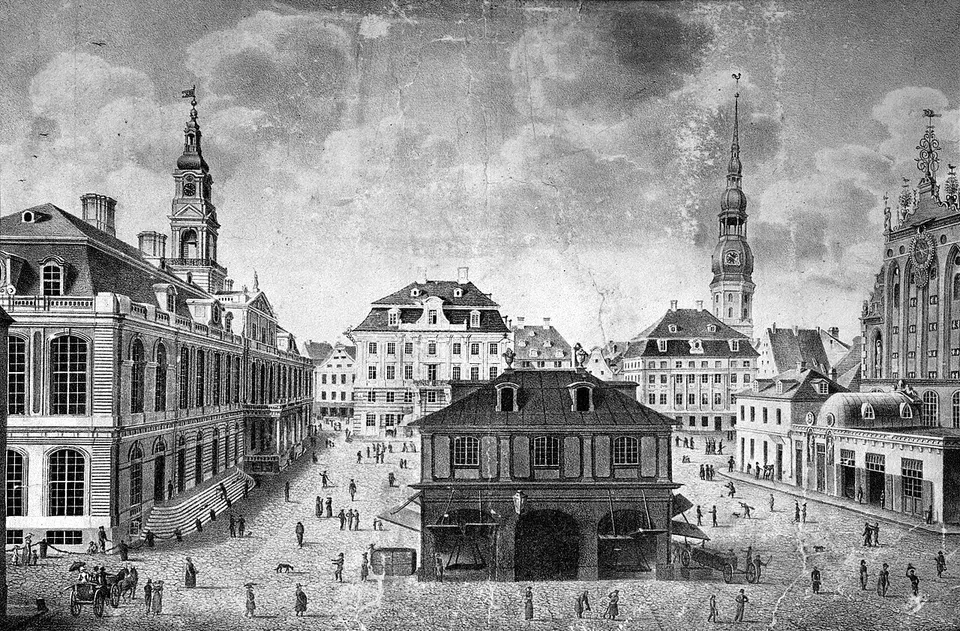
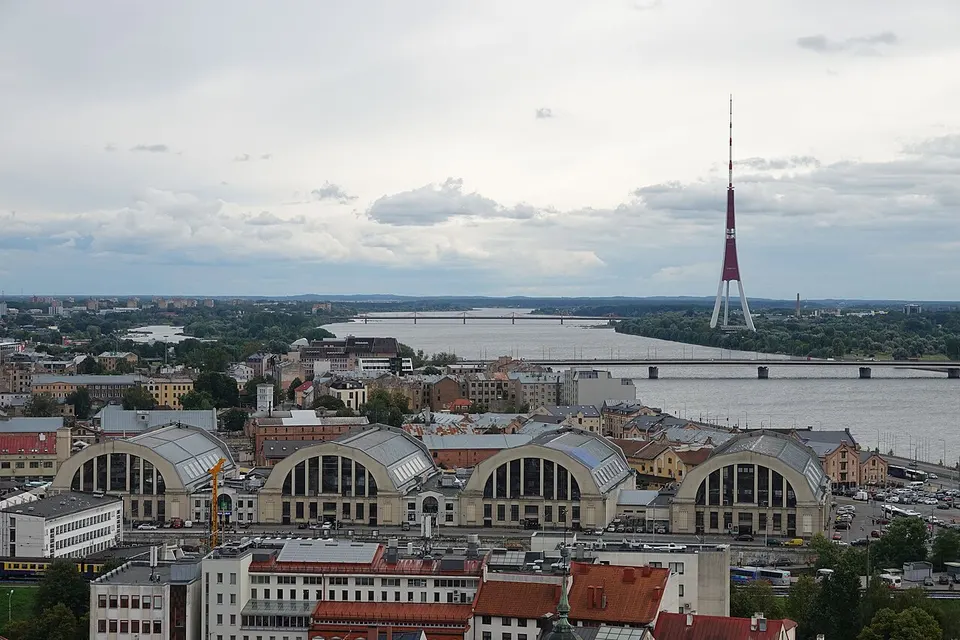
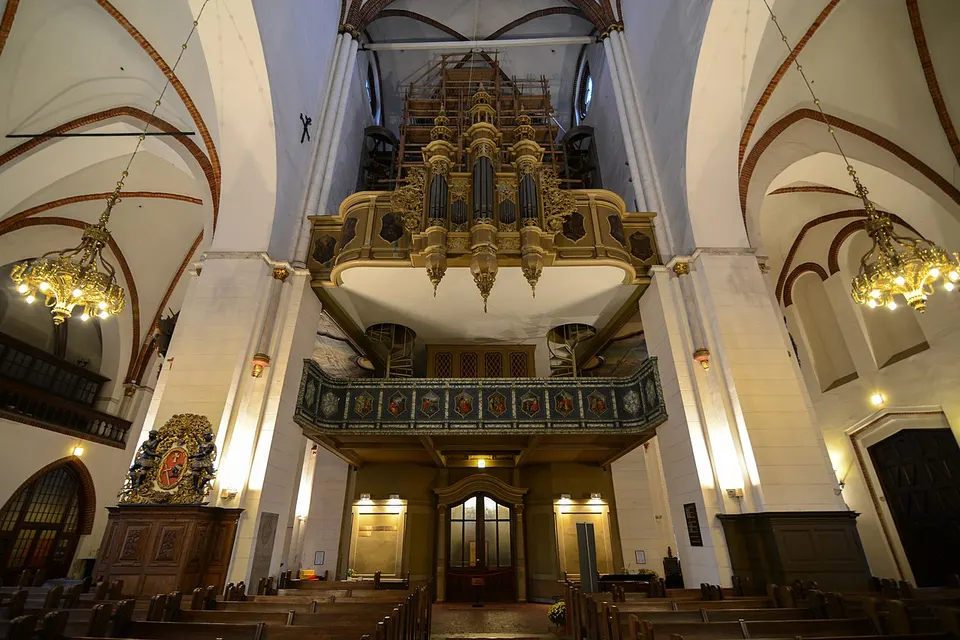
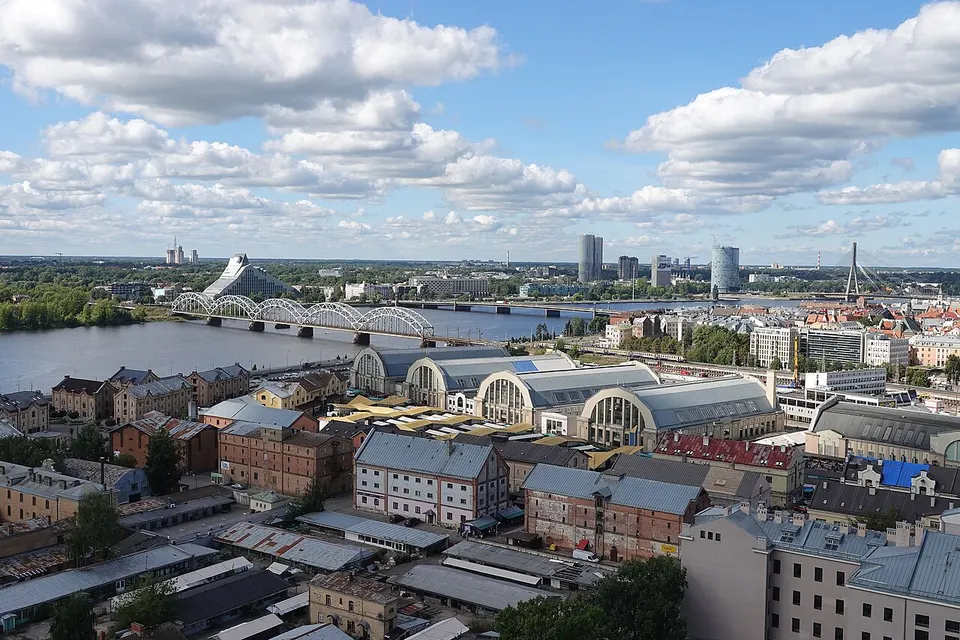
Latvia's capital and the largest city in the Baltics — a UNESCO-listed old town, the House of the Blackheads, St Peter's Church tower, the Dome Cathedral organ, Europe's richest collection of Art Nouveau buildings (Alberta iela) and a Central Market housed in zeppelin hangars. Jūrmala's sandy Baltic beaches are 30 minutes away by train; Sigulda and Gauja National Park and Rundāle Palace are about an hour away. Summer (May–September) is best, with the Līgo/Jāņi midsummer festival on 23–24 June; winters are cold but the Christmas market is lovely. Russian is widely understood. No direct flights from UB — connect via MIAT to Frankfurt, or via Istanbul. Mongolian citizens need a Schengen visa; for Latvia, applications are taken by the German Embassy in Ulaanbaatar (VFS Global).
🛂 Visa: Visa required · 90 days✈ Flight: 15h☀ Best months: May, June, July, August
#old town#Art Nouveau#Baltic Sea#Jūrmala#Midsummer#Schengen visa
Orange — daytime average, blue — night, grey bars — rainfall, green — sea temperature. Best months: May, June, July, August, September.
Things to see (12)
🧸 for kids
Riga Old Town and the House of the Blackheads
CultureOld town free; House of the Blackheads ~€7, child €4, family €16, under 7 freeOld town 24 hours; the house Tue–Sun in daytime
The heart of the UNESCO-listed cobbled old town — the House of the Blackheads on Town Hall Square with its ornate Dutch Renaissance façade (built 1334, rebuilt 1999). Walk to the Three Brothers houses, the Swedish Gate, the Cat House and the Powder Tower. Best explored on foot; children love the Bremen Town Musicians statue.
Like a well-travelled friend for a first-timer: before you go, landing, SIM, transport, money, food, safety, manners, apps, leaving — step by step.
🧳Before you goLatvia has no embassy in Mongolia, so Schengen visas for Latvia are taken by the German Embassy in Ulaanbaatar (VFS Global). Slots fill up and decisions take weeks, so start early.+
1
Schengen visa: German Embassy, VFS Global
According to Latvia's foreign ministry list, Latvia is represented in Mongolia by the German Embassy. If Latvia is your main destination, book a VFS Global appointment and go in person to the embassy building to give fingerprints — no trip to Beijing or Chinese visa is needed. Fee €90 (ages 6–11 €45, under 6 free) plus the VFS service fee of 100,000₮. Apply between 6 months and 4 weeks before travel; processing takes at least 15 days.
Tip: If you will spend longer in Lithuania, Estonia or Finland, apply under that country's rules — the country of your longest stay decides.
Medical insurance valid in all Schengen states with cover of at least €30,000 is mandatory. Attach the return ticket, hotel bookings, bank statements and employment letter; list day trips to Jūrmala or Sigulda in your itinerary. Your passport must be valid for more than 3 months after you leave.
Instead of passport stamps, the EES system records your fingerprints and face at the Schengen border (fully live since 10 April 2026); the first entry may take longer. ETIAS is for visa-exempt travellers, so it does not apply to Mongolians with a Schengen visa.
🛬Landing and getting to the cityRiga Airport is close to the centre; there is no train — go in by city bus 22, Bolt or taxi.+
1
Bus 22
Bus 22 runs from outside the terminal to Town Hall Square (Rātslaukums) in the old town in 25–35 minutes. A 90-minute e-ticket bought in advance costs €1.50 — from the Rīgas Satiksme app, airport machines or the Narvesen kiosk; buying from the driver costs about €1.81, bank card only.
Tip: Staying several days? The 24-hour, 3-day and 5-day tickets work out cheaper.
Bolt to the city is usually €10–15 and takes 15–20 minutes, with the price shown upfront. Only use the official taxi rank and don't follow drivers who approach you. If you come via Frankfurt, Schengen passport control happens there and you land in Riga like a domestic flight.
If your phone supports eSIM, buy and install a travel eSIM from Airalo, Holafly or similar before you leave — it works as soon as you land. A Europe-wide plan also covers the Frankfurt or Istanbul connection and neighbouring Lithuania and Estonia.
Tip: Free Wi-Fi is common in public places and cafés in Latvia.
2
Latvian prepaid SIM
LMT, Tele2 and Bite prepaid SIMs are sold at the airport, Narvesen kiosks and supermarkets; bring your passport. EU 'roam like at home' rules mean it works in other European countries too.
🚇Getting aroundThe old town is small — walk most of it. The Art Nouveau district and the Central Market are within walking distance too. Take the train to Jūrmala and Sigulda.+
1
Buses, trams and trolleybuses
A Rīgas Satiksme 90-minute e-ticket is €1.50; a 24-hour ticket €5, 3-day €8 and 5-day €10. Buy in the app or at Narvesen and validate as soon as you board — inspectors check often.
Vivi electric trains leave Riga Central Station for Jūrmala (Majori) about every 30 minutes and take 25–35 minutes; €1.43 online, €1.50 at the ticket office. Trains and buses also run to Sigulda.
To see Rundāle Palace or several places in the Gauja valley in one day, a car or a full-day tour is easiest. Winter tyres are mandatory in Latvia in winter; car access to the old town is restricted.
Latvia uses the euro. Visa and Mastercard are accepted almost everywhere and contactless is common. Keep a little cash for the Central Market and the Kalnciems market. In restaurants, leaving about 10% when you are happy is customary.
Tip: If the card reader offers to charge you in tögrög, say no — choose euros.
Look at menu and bar prices in the old town before ordering, and don't go into bars with people who invite you in off the street. Ask for an itemised bill.
Non-EU visitors who spend above a minimum amount in a shop showing the 'Tax Free' sign can reclaim the VAT. Ask the shop for the form and have it validated by customs at the airport where you leave the EU.
🍜FoodLatvian food is simple and filling: black bread, potatoes, smoked fish and dairy. Mongolians used to meat and potatoes will feel at home.+
1
What to eat
Dark rye bread (rupjmaize), smoked fish, grey peas with bacon (pelēkie zirņi ar speķi), bacon buns (pīrāgi), cold pink beetroot soup (aukstā zupa) and kvass. Riga Black Balsam is a 45% herbal liqueur, drunk in coffee or with blackcurrant juice. Alcohol is 18+.
Tip: LIDO self-service restaurants let you pick Latvian dishes yourself — cheap and easy with children.
2
Markets and groceries
Maxima, Rimi and Lidl are the cheap supermarkets. Buy smoked fish, cheese, fruit and honey at the Central Market; on Saturdays there is a farmers' market in the Kalnciems Quarter. Take your own food and water on trips to Jūrmala or Sigulda.
In the old town, foreign men are sometimes lured into bars or 'cabarets' and presented with huge bills. Don't accept invitations from strangers and ask prices first. Watch your bag around the Central Market and the stations.
3
Medicines and weather
Pharmacies (aptieka) are everywhere and Riga has 24-hour pharmacies. Bring regular medicines with their prescription. Pavements are icy and slippery in winter — wear proper shoes; in summer follow the beach flags and signs in Jūrmala.
'Labdien' (hello) and 'Paldies' (thank you) go down well. Latvians are reserved and value personal space — avoid speaking loudly. Rather than launching straight into Russian with everyone, try English first; it comes across as more polite.
2
Churches and monuments
Cover your shoulders in churches and keep quiet during services. The Freedom Monument is the symbol of Latvian independence — don't climb on it or fool around near the guard of honour.
During Līgo/Jāņi many shops and museums close — the city empties as people head to the countryside. Ask for the bill in restaurants; the waiter may not bring it unprompted.
📱Useful apps+
1
Transport
Rīgas Satiksme app — city transport tickets. Vivi — train tickets. Bolt — taxis. Google Maps works well in the city.
Book Dome Cathedral organ concerts and Rundāle Palace tickets in advance on their official sites. Live Riga covers events and the Riga Pass. Google Translate's camera translates Latvian menus.
Bus 22 from the old town reaches the airport in 25–35 minutes. Allow time for security, the EES exit check and Tax Free stamps. If you connect to MIAT in Frankfurt or Turkish in Istanbul, a single ticket is safest.
Leave the Schengen area no later than the date on your visa — EES records your exit day automatically, and an overstay will hurt your next application. Flying home via Istanbul you exit Schengen in Riga; via Frankfurt, the exit check happens in Frankfurt.
AI answer: double-check anything beyond our researched facts with an official source.
€9–10; students €7, schoolchildren €3, under 7 free
Daily 10:00–18:00, Fri–Sat until 22:00
A 13th-century church with a 123 m spire — a lift takes you to a 72 m platform with views over the red roofs of the old town, the Daugava and as far as the Baltic Sea. The best panorama in town; lovely at sunset.
CultureEntry ~€5; 'Concerto Piccolo' organ concert ~€15Daily in daytime; concerts usually Wednesday evenings and weekend afternoons
The largest medieval church in the Baltics (begun 1211), with a world-famous organ of over 6,700 pipes. Don't miss a short organ concert. Dome Square in front fills with cafés in summer and the Christmas market in winter.
CultureStreet free; museum ~€7, child €3, family €16Museum Tue–Sun 10:00–18:00, closed Monday
A third of central Riga's buildings are Art Nouveau (Jugendstil) — the most in Europe. On Alberta and Elizabetes streets, façades by Mikhail Eisenstein are covered in faces, lions and female figures. At Alberta 12, a 1903 apartment restored exactly as it was, with a beautiful spiral staircase.
FoodFreeDaily from morning to evening (each pavilion differs)
One of Europe's largest markets, housed in five World War I German zeppelin hangars (part of the UNESCO site). Smoked fish, black rye bread, cheese, fruit and honey; food stalls inside serve cheap Latvian dishes. Watch your pockets.
CityPark free; canal boat ~€13–20, children cheaper, small children freePark 24 hours; boats April–November in daytime
The 42 m Freedom Monument (1935) — 'Milda' holding up three stars, with a guard of honour changing every hour. The neighbouring Bastejkalns park along the city canal has bridges, swans and a small waterfall. From here, a 1-hour electric boat cruises the canal and the Daugava — easy for families with children.
Culture~€10; concessions €5; free on the last Sunday of the monthTue–Sun in daytime, closed Monday
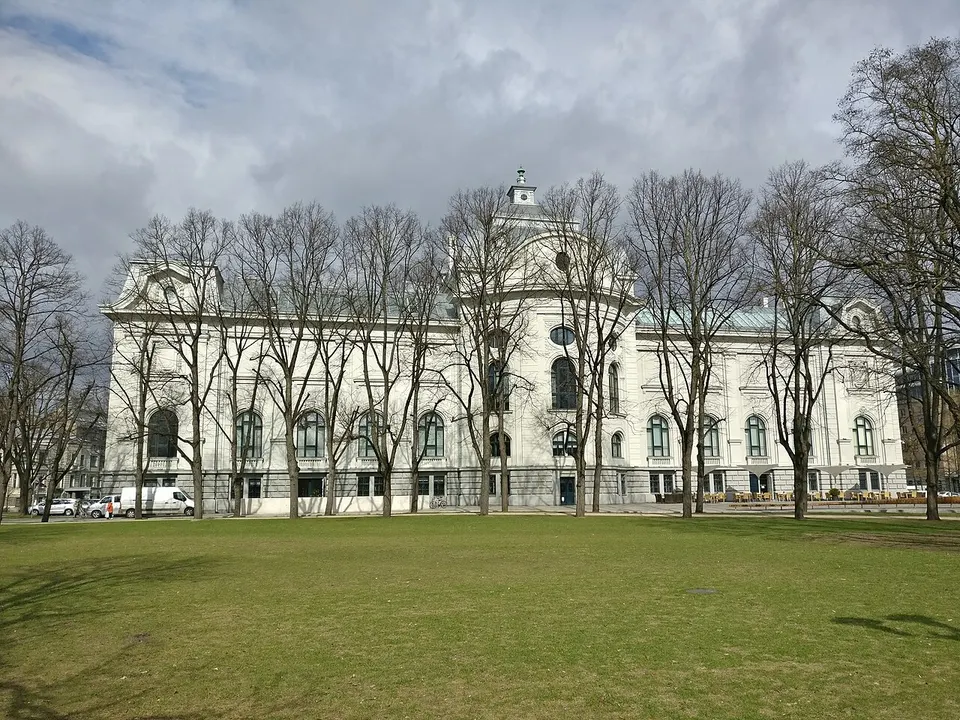
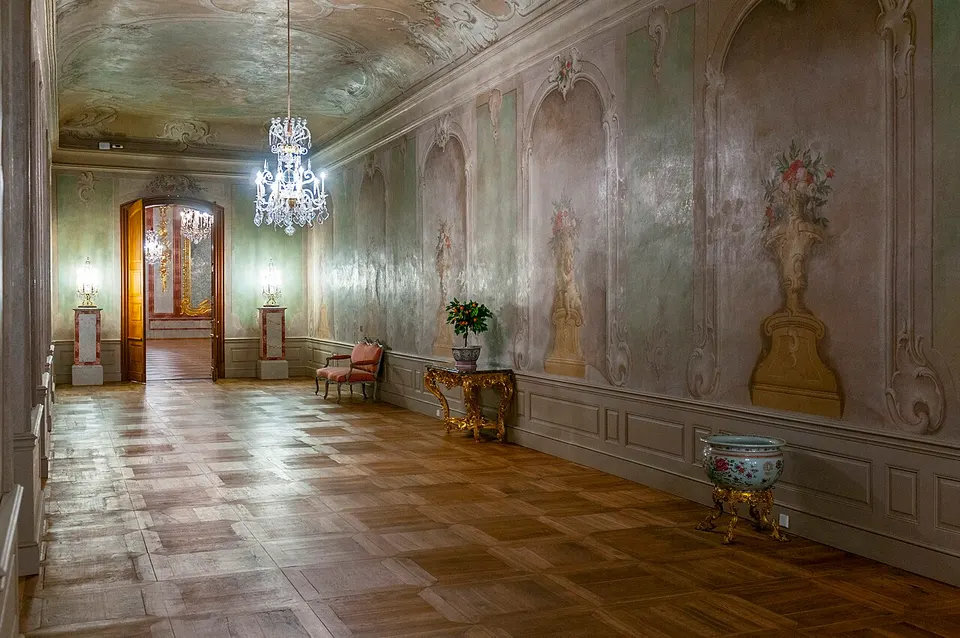
A palatial 1905 building by Esplanāde park — Latvian and Baltic painting from the 18th century to today. Restored in 2016 with a glass roof terrace and an underground exhibition hall. The Orthodox Cathedral and Esplanāde park are nearby.
Culture~€8; students €5Daily 10:00–18:00, Thursday until 19:00
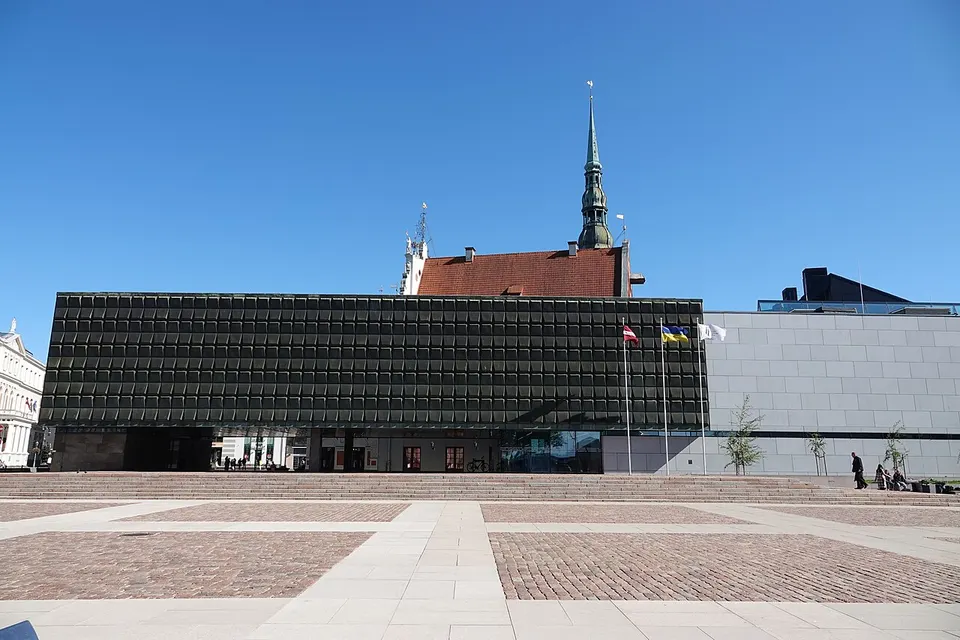
Latvia's history under Soviet and Nazi German occupation, 1940–1991 — memories of people deported to Siberia, a Gulag barrack and documentary photos. Next to the House of the Blackheads. A heavy subject, best for older children and adults.
ShoppingFreeSaturday market from morning to afternoon; cafés daily
A quarter of restored 19th-century wooden houses on the left bank of the Daugava. Every Saturday there is a market of local farm food, crafts and design with live music. A nice weekend outing for families and a glimpse of everyday Riga life.
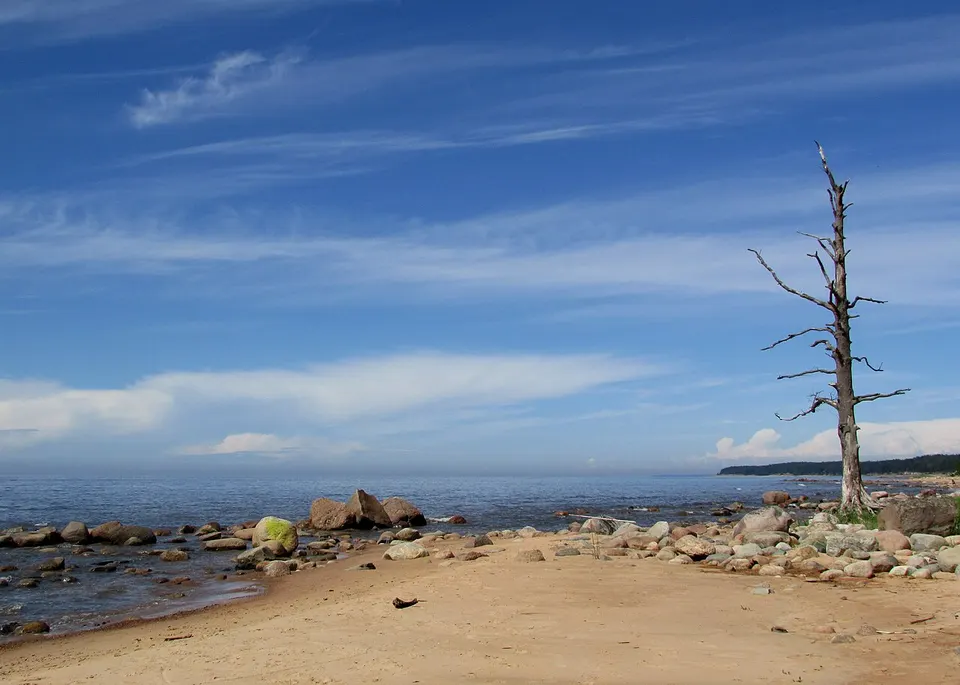
30 minutes from Riga by train: a resort with over 30 km of white sand, pine forest and ornate wooden villas. From Majori station walk along Jomas pedestrian street to the beach. Shallow water makes it safe for children; it is only warm enough to swim in summer. Līvu Aquapark nearby is fun for kids.
NatureTuraida Castle €9, schoolchildren €3, family (2+2) €19Turaida daily, hours vary by season
About 1 h 15 min from Riga by train or bus: the Gauja valley, nicknamed 'Latvia's Switzerland', the red-brick tower of Turaida Castle, Gūtmaņa Cave, a cable car over the river and a bobsleigh track. Especially beautiful when the leaves turn in autumn; adventure parks for children.
CulturePalace €12; palace + French garden €17; day ticket €23; under 7 freeDaily in daytime (varies by season)
About 80 km south of Riga, an 18th-century baroque palace by Rastrelli, architect of the Hermitage — the 'Versailles of the Baltics'. The Gold Hall, the White Hall and 10 ha of French gardens with roses blooming in summer. By public transport you change in Bauska, so a tour or a car is easier.