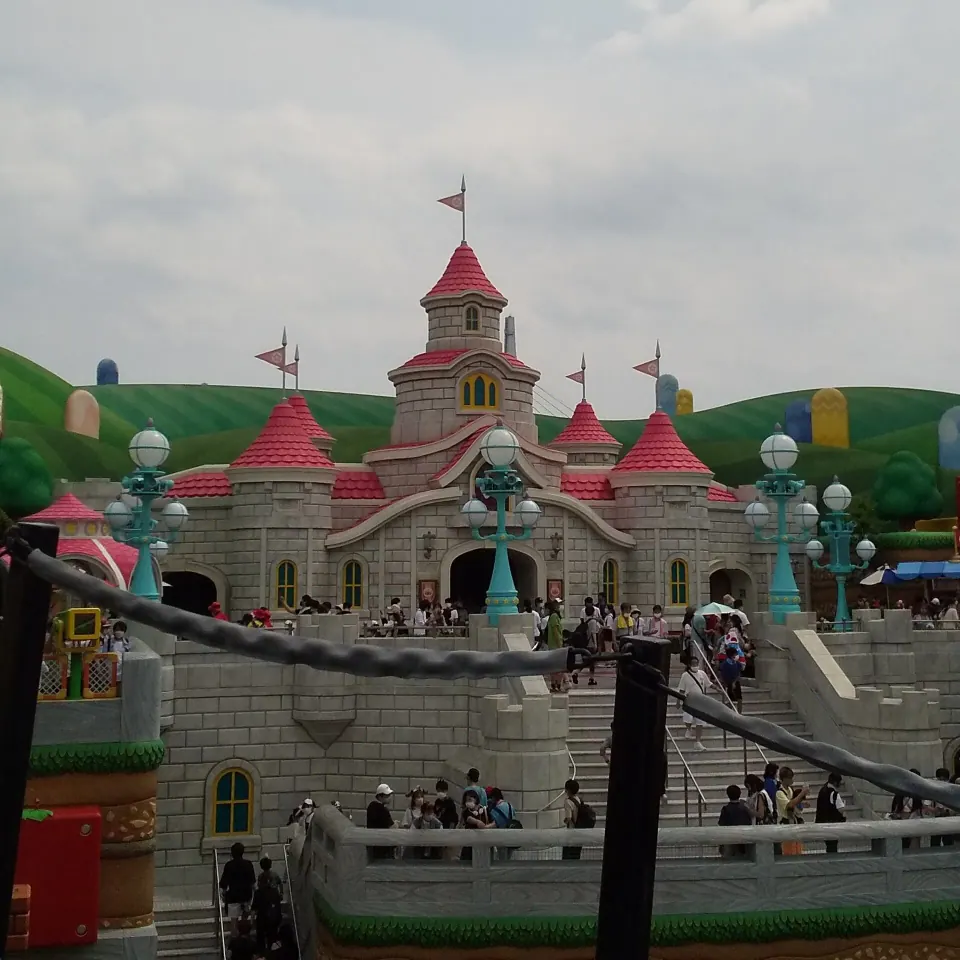
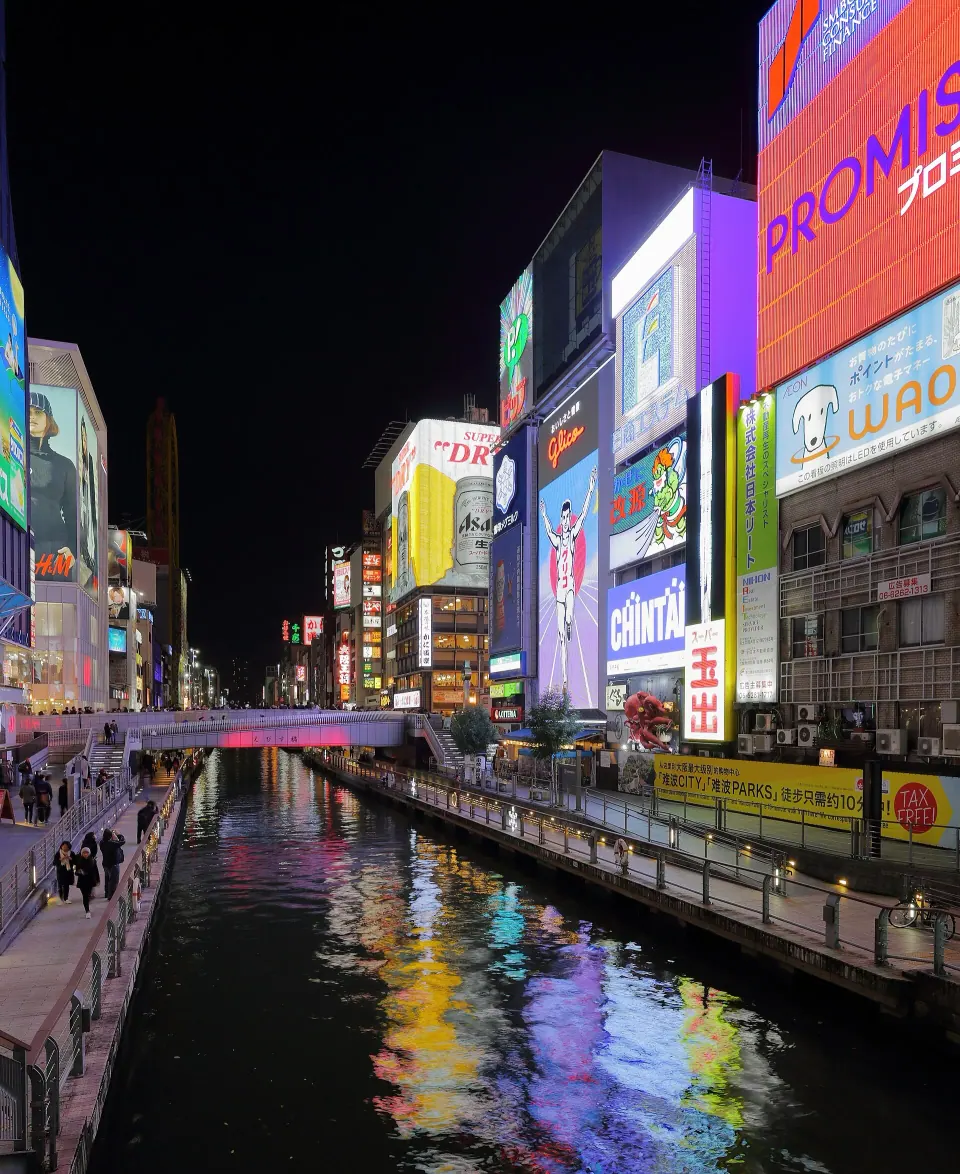
Japan's 'kitchen': Universal Studios Japan, Dotonbori street food and Osaka Castle. With Kyoto and Nara close by, it's easy to combine culture, a theme park for the kids and food in one trip; a little cheaper than Tokyo.
🛂 Visa: e-Visa · 90 days✈ Flight: 7.5h☀ Best months: March, April, May, October
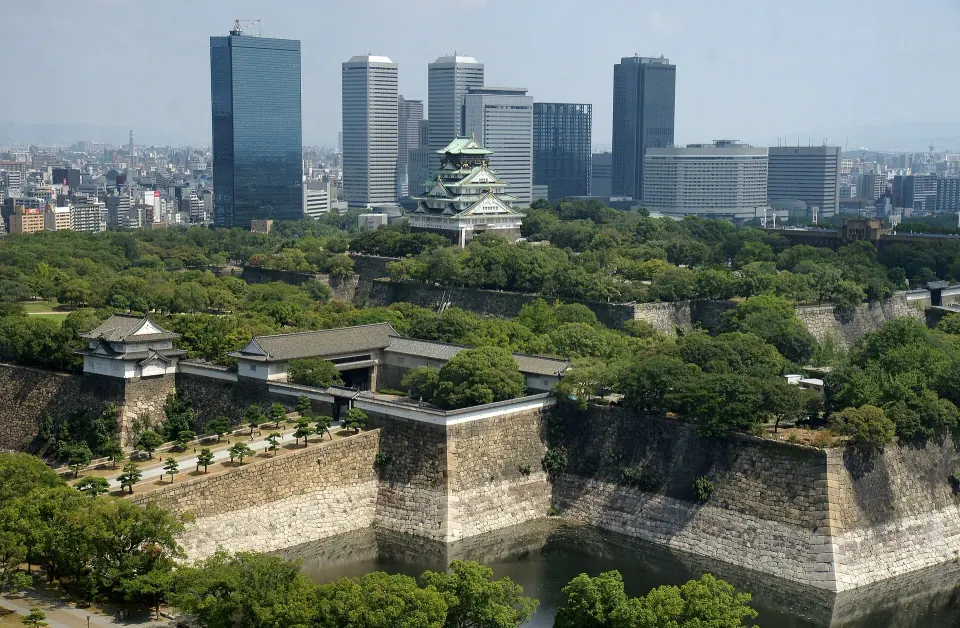
CultureCastle museum ~600–1,200¥; park free9:00–18:00
The rebuilt keep of the famous 16th-century castle, with city views from the top; surrounded by a large park.
Travel guide
Like a well-travelled friend for a first-timer: before you go, landing, SIM, transport, money, food, safety, manners, apps, leaving — step by step.
🧳Before you goJapan is one of the most orderly, safest countries — the preparation is the visa paperwork, the rest is easy.+
1
Visa: JAPAN eVISA
Mongolian citizens need a visa for Japan. Residents of Mongolia apply for a single-entry tourist visa through the JAPAN eVISA system via VFS Global; a VFS service charge is added to the visa fee, and the visa allows a stay of up to 90 days. Safer not to pay for flights until the visa is issued.
Tip: eVISA holders enter by air only; you'll need hotel bookings, a return ticket and bank statements.
Before flying, enter your passport, flight and hotel details on Visit Japan Web and save screenshots of the immigration and customs QR codes. It shortens the queues on landing; you can add every family member to one account.
Japanese hospitals are world-class, and very expensive for uninsured foreigners. Buy a policy in Ulaanbaatar covering medical costs and evacuation, and save the policy number and emergency line in your phone. Bring regular medication with the prescription — some cold medicines contain ingredients banned in Japan.
4
Dress for the season
Late March–April is cherry blossom, June the rainy season, July–August muggy heat, September typhoons, November autumn leaves, December–February chilly and dry. Summer: light clothes and an umbrella; winter is milder than Mongolia's but damp — a light warm jacket. You'll walk a lot: comfortable shoes first.
5
Money and cards
Yen (¥) is one of the few currencies you can buy in advance at banks in Ulaanbaatar. Visa/Mastercard now work in most shops and restaurants, but small eateries, temples and some ticket machines are cash only. If you have Apple Pay, create an ICOCA card directly in Wallet.
6
Book ahead
Buy Universal Studios Japan tickets and Express Passes online for a specific date — weekends and Mongolian school holidays sell out early. A hotel around Namba or Umeda keeps the metro and Nankai line close. Kyoto and Nara are day trips, so no need to move with luggage.
🛬Landing and getting into townKansai Airport (KIX) sits on an artificial island; the train is the fastest way into the city.+
1
Immigration and customs
Immigration takes fingerprints and a photo; show your Visit Japan Web QR code. Your passport gets a 'Temporary Visitor' sticker/stamp — you'll need it for tax-free shopping and the discounted Haruka ticket. Scan the customs QR at the e-gate; declare cash, meat and dairy products.
2
Nankai Rapi:t to Namba
Nankai's Rapi:t limited express links the airport and Namba in as little as 34 minutes. The tourist digital ticket is 1,410¥ for a regular seat (child 710¥), bought on your phone. Best for hotels around Dotonbori and Namba.
JR's Haruka express runs direct from the airport to Tennoji, Osaka (Umeda), Shin-Osaka and Kyoto. The HARUKA One-way Ticket for foreign 'Temporary Visitors' costs 1,800¥ to Osaka/Shin-Osaka (child 900¥); it can't be bought inside Japan, so book it in advance via JR-West online reservation.
Almost all tourist SIMs in Japan are data-only (no calls). If your phone supports eSIM, buy and activate a Japan data eSIM while still in Ulaanbaatar — it works the moment you land. For calls use WhatsApp, Messenger or LINE.
2
At the airport
The arrivals hall of Kansai Terminal 1 has operator SIM counters and 24-hour SIM vending machines; staff will set it up on your phone. No passport needed, data SIMs need no registration. Yodobashi and BIC Camera electronics stores in town sell them too.
3
Duration and data
Packs come in 7, 15 and 30 days; if you'll use Google Maps and translation a lot, budget about 1 GB per day. Pocket Wi-Fi rental suits a family connecting several phones to one device; return it at the airport.
4
Free Wi-Fi
Hotels, metro stations, 7-Eleven, Lawson, FamilyMart and Starbucks have free Wi-Fi. But you'll be offline in the street and between stations, so don't rely on Wi-Fi alone.
🚇Getting aroundOsaka's metro, JR and private lines all work with one card — ICOCA.+
1
Get an ICOCA card
The ICOCA for foreign visitors costs 2,000¥ (500¥ of it a deposit) at the JR ticket office in Kansai Airport station and can be loaded up to 20,000¥. Tap it on the metro, JR, buses and in cafés and shops. On iPhone you can create ICOCA in Apple Wallet and top up with Visa/Mastercard.
The Midosuji (red) line links everything: Shin-Osaka–Umeda–Shinsaibashi–Namba–Tennoji. For many rides in one day, the Enjoy Eco Card one-day pass is 820¥ on weekdays and 620¥ at weekends, unlimited metro and city bus.
If you plan several museums, the castle and observation decks, the Osaka Amazing Pass bundles transport with entry to many attractions; list what you'll visit and check it's cheaper than paying separately. It doesn't cover Kyoto or Nara.
The currency is the yen (¥, JPY) and coins are used a lot (1, 5, 10, 50, 100, 500¥). Ticket machines at small restaurants, temples, markets and some ramen shops are cash only. Carry a coin purse — place money on the small tray when paying, not in the cashier's hand.
2
ATMs and cards
Seven Bank ATMs in 7-Eleven and Japan Post ATMs dispense yen on foreign Visa/Mastercard with English menus, 24 hours (post offices during opening hours). Big stores, hotels and convenience stores take cards and IC cards (ICOCA). Enable foreign transactions on your card and know your PIN.
3
Exchange
Change dollars to yen at the airport, major banks or the exchange machines around Umeda and Namba; rates are similar. Tugrik can't be exchanged. No need to carry lots of cash — withdraw from ATMs as needed.
4
No tipping
Tipping isn't done in Japan; a tip may be returned or cause embarrassment. Same in restaurants, taxis and hotels. Any service charge is printed on the bill. Respect is a bow and 'arigatō gozaimasu'.
5
🍜Food and waterOsaka is called 'Japan's kitchen': takoyaki, okonomiyaki and kushikatsu were born here.+
1
What to eat
Takoyaki (octopus balls), okonomiyaki (savoury cabbage pancake), kushikatsu (fried skewers — never double-dip the sauce!), ramen, kaiten sushi (conveyor belt), gyudon, tonkatsu. Meat lovers from Mongolia will enjoy yakiniku (grill it yourself) and Kobe beef — Kobe is close to Osaka.
2
Cheap and reliable
Convenience-store food (7-Eleven, Lawson, FamilyMart) — onigiri, bento, sandwiches — is fresh, safe and cheap. Department-store basement food halls (depachika) discount before closing. At ramen shops with a ticket machine, buy your ticket first and hand it over.
3
Mid-range restaurants
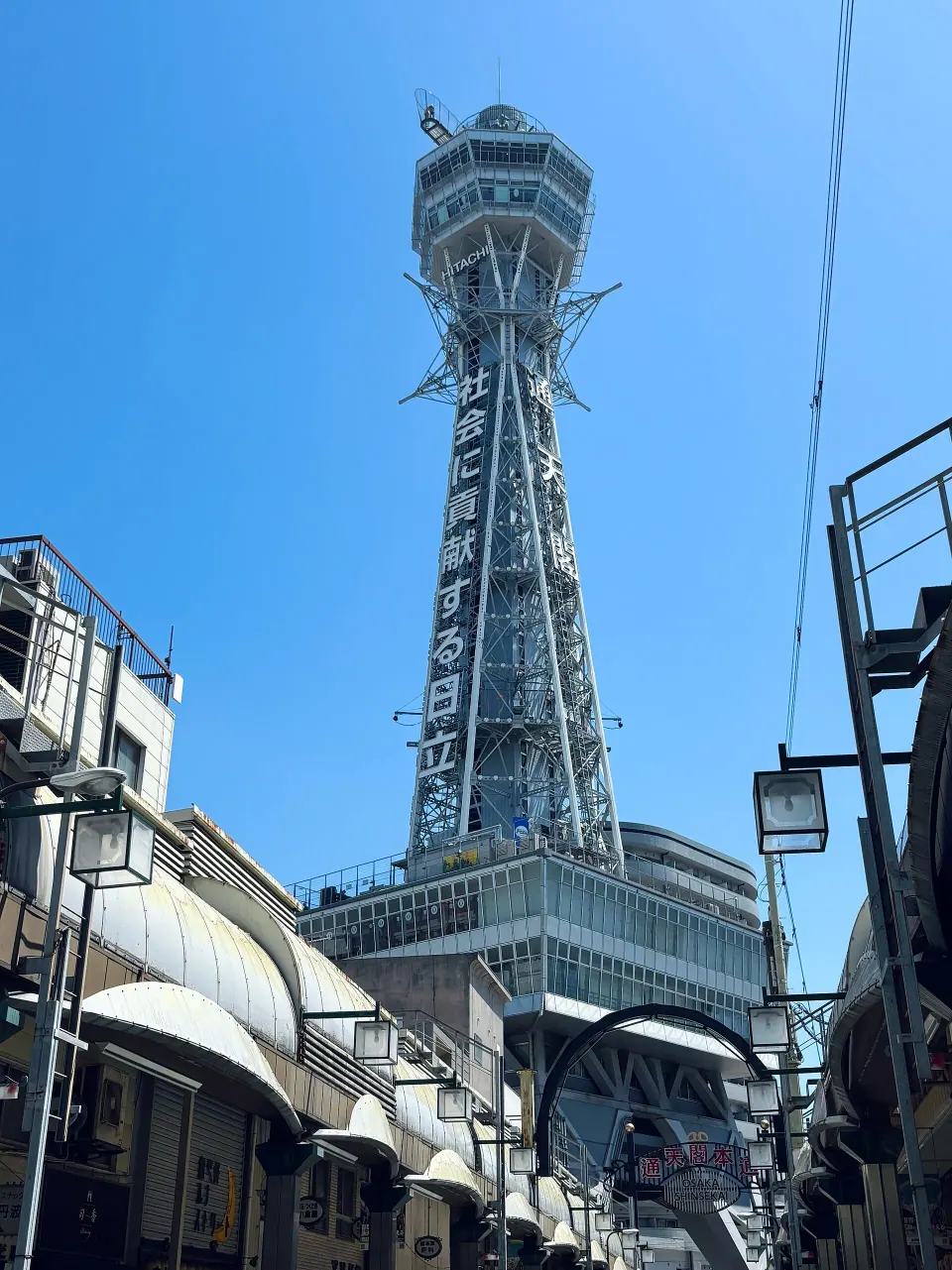
Evenings around Dotonbori and Shinsekai mean queues; reserve at weekends. Many restaurants display plastic food samples and have picture menus — easy to point and order. Pay at the register on your way out, not at the table.
4
Water and alcohol
Tap water is drinkable everywhere in Japan — bring a bottle to refill. Restaurants serve water free. Beer, sake and highballs are sold in convenience stores; drinking in the street isn't illegal but walking around drinking is frowned on, getting drunk even more so. Cycling drunk is fined.
🛡️Safety+
1
Emergency numbers
Police 110, ambulance/fire 119 — free, but answered in Japanese. The Japan Visitor Hotline 050-3816-2787 is JNTO's 24-hour English service for illness, disasters and lost items; they'll connect you to police or a hospital.
If your phone suddenly blares, it's an earthquake alert: get under a table, protect your head, then follow hotel instructions. Typhoons in September–October stop trains and flights — watch the forecast and check on your travel day. Hotels give disaster instructions in English.
3
Theft and scams
Japan is very safe, but pickpockets work the night streets of Dotonbori and Shinsekai. 'Free entry' invitations to bars and street 'guides' lead to inflated bills. Ask for lost items at the station or a koban (small police box) — they usually turn up.
4
Hospitals
If seriously ill, call your insurer's emergency line and let them direct you to a hospital — Osaka University Hospital, Sumitomo Hospital and others are international-standard. Drugstores (Matsumoto Kiyoshi, Welcia) sell cold and stomach remedies; stronger medicines need a prescription.
🙏Manners and laws+
1
Shoes and onsen
Take shoes off in hotel rooms, temples and tatami areas of restaurants and wear the slippers provided (toilet slippers are separate!). Onsen and sento (bath houses): fully naked, wash thoroughly before entering, keep your small towel out of the water, no swimming or loud talk. Many ban tattoos — use a private onsen or cover patches.
2
Smoking and rubbish
Osaka bans smoking while walking in the street; use marked smoking points or face a fine. There are almost no street bins — carry your rubbish to the hotel or a convenience store and sort it. No noise or phone calls on trains and buses.
3
Laws
Drugs and some cold medicines (with pseudoephedrine) are banned — bring prescriptions. Carry your passport at all times; police can check. Drones are banned in the city. Geisha and private lanes (Kyoto's Gion) have no-photo signs. Drinking age is 20.
4
How people interact
Greet with a bow, not a handshake. Loud talk, queue-jumping and touching people are badly received. 'Sumimasen' (excuse me / sorry) opens every door. Don't stand chopsticks upright in rice or pass food chopstick to chopstick. Don't blow your nose in public — wear a mask.
📱Useful apps+
1
Google Maps
In Japan it routes trains and metro down to the platform, car position and exit number — the app you'll use most. Fares and timetables are accurate. Download Osaka, Kyoto and Nara offline.
Download the Japanese offline pack. Camera mode translates menus, train notices and medicine boxes; conversation mode is enough for hotel reception and pharmacies.
From 1 Nov 2026 Japan's tax-free shopping switches to a 'refund method': you pay the full tax-inclusive price in the shop and get the consumption tax back at the airport after Customs confirms on departure that the goods are leaving Japan. Keep your passport and receipts and have the goods in hand luggage (or ready for inspection).
Nankai Rapi:t from Namba (34 minutes), JR Haruka from Shin-Osaka/Osaka station. Trains are punctual, so add the time to wheel luggage to the station and find your terminal; in typhoon season trains may stop, so leave a buffer.
Check your airline's check-in closing time on your ticket and arrive as early as you can: Kansai Terminal 1 is long and security and exit immigration have queues. Automated face gates work for foreign passports on exit. Follow the rules on luggage locks and batteries (power banks in hand luggage).
Limousine buses leave from stops outside the terminal to the big hotels around Umeda, Namba and USJ — choose them if you have lots of luggage or stairs are awkward. A taxi to the centre is very expensive; only consider it for a family of four landing late at night. There are no fake taxis at the airport — just use the rank.
4
Train etiquette
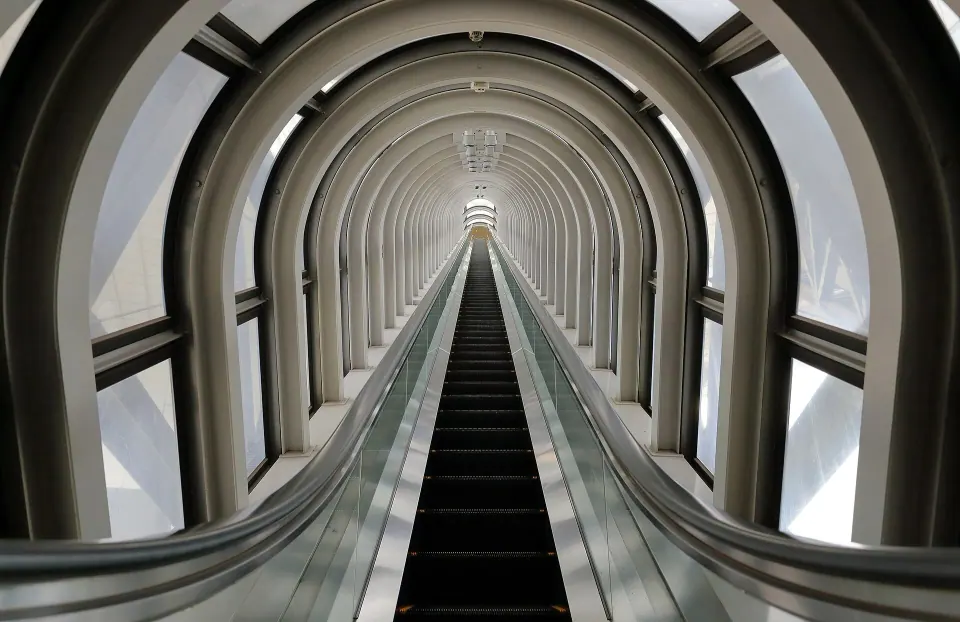
Queue at the marked lines on the platform and let people off first. No phone calls, keep quiet, no eating or drinking (fine on long-distance trains). Women-only cars (pink signs) operate in the morning. On escalators in Osaka stand on the right. The last trains run around midnight — check Google Maps.
5
Taxis
Taxis are clean, reliable and metered, and the door opens automatically — don't pull it. After the last train, call one with the GO app and pay by card. Fine for short hops, expensive over distance.
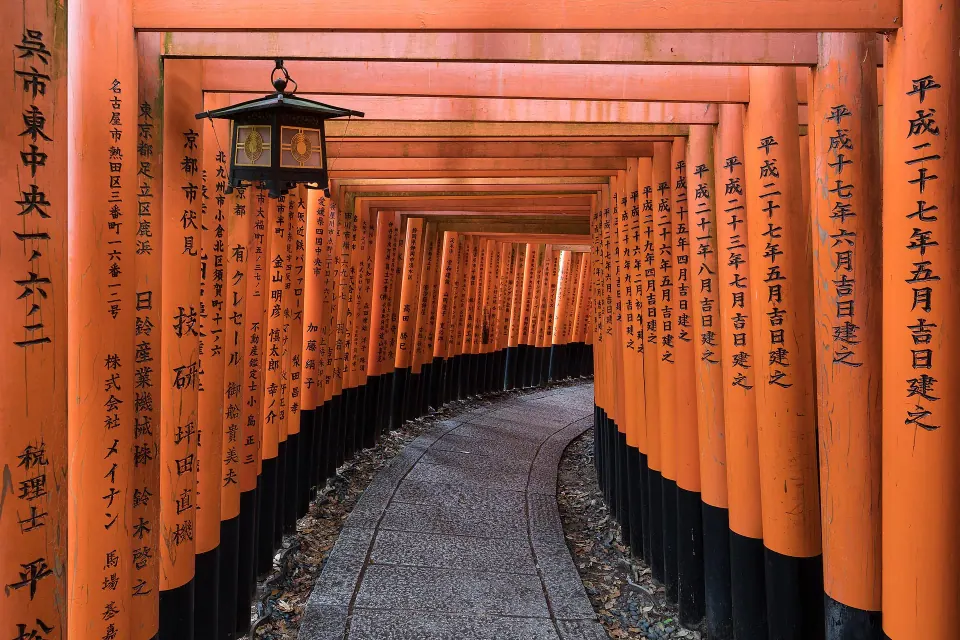
Nara by the Kintetsu line from Namba, Kyoto by JR from Osaka station — both on ICOCA, no extra ticket (only if you choose an express). Leave early to see Fushimi Inari in Kyoto and Nara's deer park before the crowds.
Tax-free shopping
Purchases include 10% consumption tax; foreign tourists get relief at 'Tax-Free' shops. From 1 November 2026 the rules change: the tax is refunded after the customs check on departure rather than waived in the shop — see 'Leaving'.
Most dishes contain soy, wheat and seafood ingredients. For allergies or no pork, type it in Google Translate and show it. Don't bring meat, dairy or fruit into Japan; Mongolian dried meat and aaruul will be confiscated at customs.
5
Mongolian Consulate in Osaka
Mongolia has a Consulate General in Osaka — contact it for a lost passport, arrest or hospitalisation: 06-4963-2572 (within Japan), Bakuromachi, Chuo-ku. The embassy in Tokyo is the fallback. Keep a passport copy on your phone.
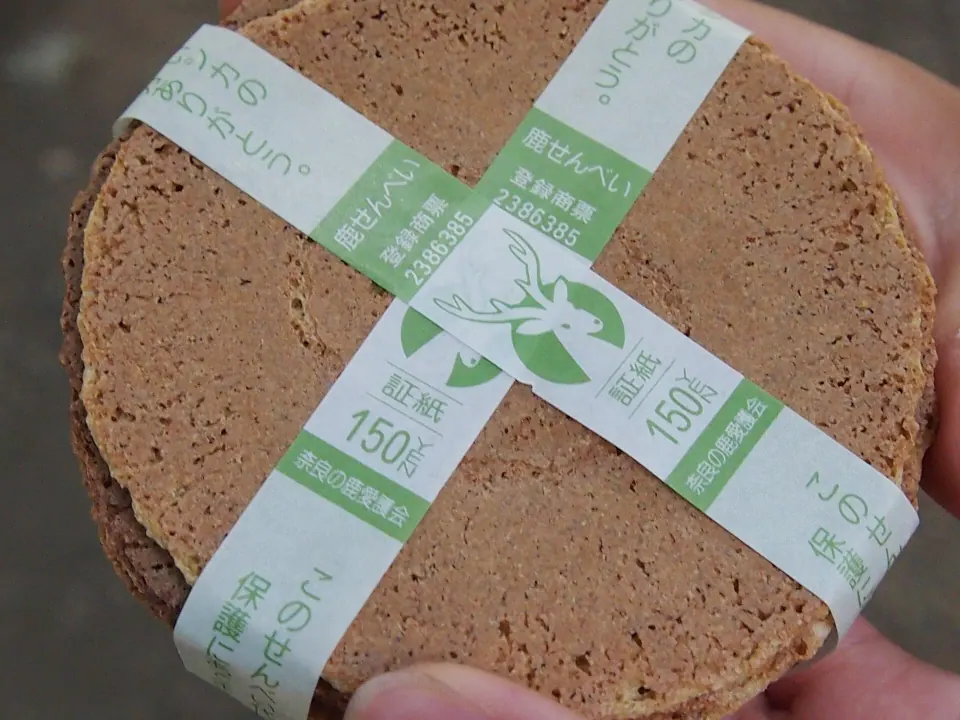
Bow slightly at a shrine gate (torii) and walk at the side of the path, not the middle; rinse hands and mouth at the water basin. In Buddhist temples (Nara's Todaiji) keep quiet and respect no-photo areas. Nara's deer bow for crackers — give only deer food and watch your paper.
5
Visit Japan Web + ICOCA
Visit Japan Web (immigration, customs) before you fly. On iPhone you can create ICOCA straight from Apple Wallet without buying a card — tap your phone at the gates. Android users get the physical card.
Japan's international tourist departure tax is included in your ticket price; nothing is paid at the airport. Spend coins at convenience stores or airport eateries; banknotes can be changed back at banks in Ulaanbaatar.
5
What you can bring home
Keep personal purchases within Mongolian customs allowances; keep receipts for electronics and gifts. Japanese kitchen knives go in checked luggage only. Don't bring meat, dairy or fresh fruit; dried, packaged food and seasonings are fine.