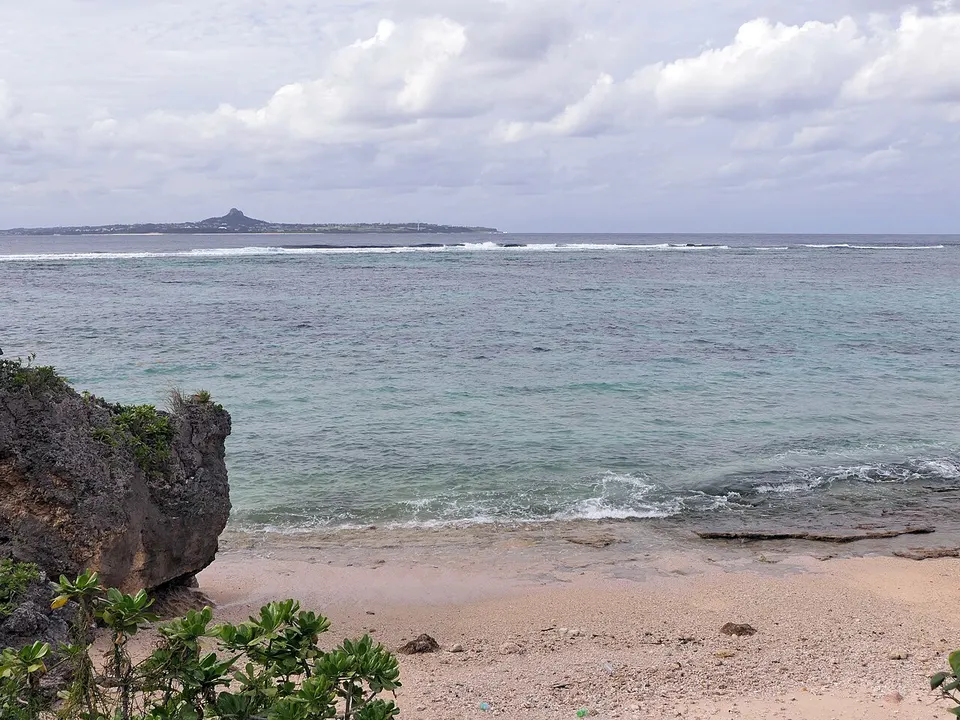
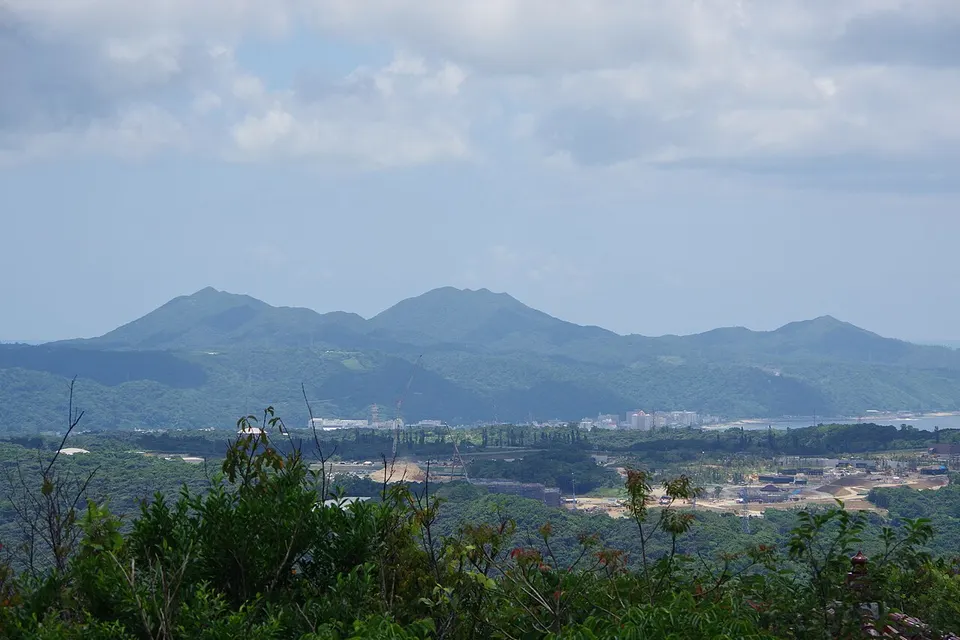
Japan's subtropical southern island: clear blue sea, coral reefs, white-sand beaches, the giant whale sharks of Churaumi Aquarium, the rebuilt Shuri Castle and Ryukyu food you won't find elsewhere in Japan. Great for families, beach holidays and diving; the sea is warm enough to swim from April to October. No direct flight from Ulaanbaatar — connect via Seoul (Incheon) or Osaka. Mongolian citizens need an e-visa; Mongolian driving licences and international permits are not valid in Japan, so you cannot rent a car — use the monorail, buses and tour buses.
🛂 Visa: e-Visa · 90 days✈ Flight: 9h☀ Best months: March, April, October, November
Orange — daytime average, blue — night, grey bars — rainfall, green — sea temperature. Best months: March, April, October, November.
Things to see (12)
🧸 for kids
Okinawa Churaumi Aquarium★ 4.5 (40,000)
Kids¥2,180 (high school ¥1,440, primary/junior high ¥710, under 6 free)8:30–18:30 (last entry 17:30; until 21:00 in August)
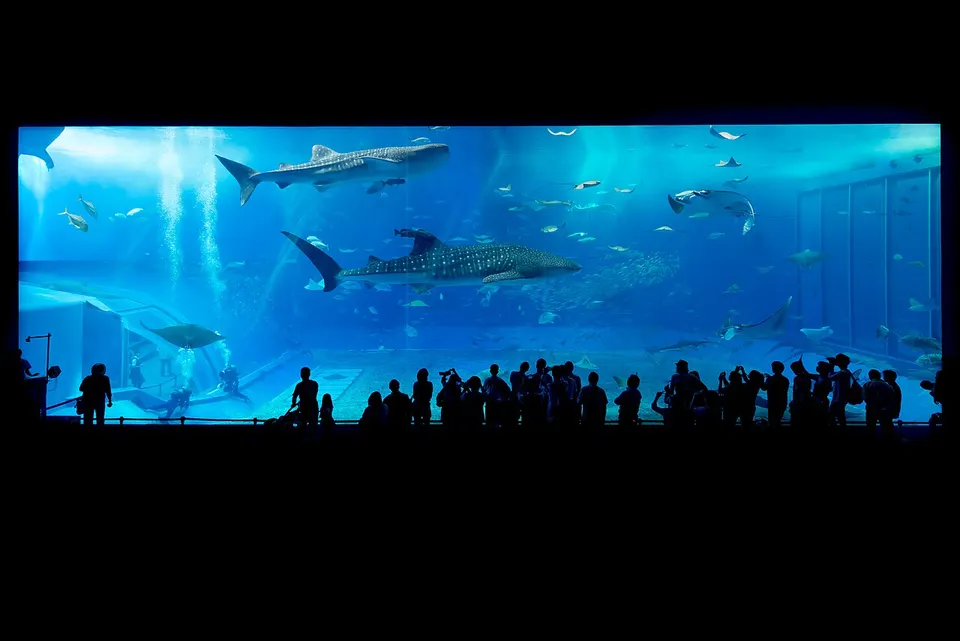
One of the world's largest aquariums: whale sharks and manta rays swim in the giant 'Kuroshio Sea' tank. Free outdoor dolphin shows, turtles and manatees. About 2 hours north of Naha, next to Emerald Beach.
Culture¥400 (¥1,000 from 23 Nov; children ¥160 → ¥370)
Travel guide
Like a well-travelled friend for a first-timer: before you go, landing, SIM, transport, money, food, safety, manners, apps, leaving — step by step.
🧳Before you goVisa, the border QR code, insurance and transport — you cannot rent a car in Okinawa, so plan trips to the north from home.+
1
Visa: JAPAN eVISA (VFS Global)
Mongolian citizens need a Japanese visa. Residents of Mongolia apply online for a JAPAN eVISA through VFS Global: a single-entry tourist visa for up to 90 days, fee 357,000₮ since 29 June 2026, five times the old rate (multiple-entry 714,000₮), plus a 55,000₮ VFS service charge, about 5 working days. Flying Incheon–Naha you clear immigration at Naha Airport. Attach a valid passport, return ticket and hotel booking.
Japan only recognises international driving permits issued under the 1949 Geneva Convention; Mongolia is not a party to it, so a Mongolian licence or a Mongolian-issued international permit cannot be used to drive or rent a car in Japan. Book buses, shuttles or day tours to the aquarium and the northern islands.
Tip: If you live in a Geneva Convention country such as Korea and hold that country's international permit, you can drive.
Before flying, enter your passport, flight and hotel on Visit Japan Web, fill in the immigration and customs declarations and save the QR code. Hospitals in Japan are very expensive, so travel insurance that covers diving and water sports is a must.
🛬Landing and getting to the cityNaha Airport is very close to the city centre; from the international terminal walk through the domestic terminal to the monorail station.+
1
Yui Rail monorail — the simple way
From Naha Airport station to Kencho-mae (Kokusai-dori) takes about 13 minutes and costs ¥290; Makishi and Miebashi cost ¥320. No changes, and the ticket machines have English menus. Check on a map which station is closest to your hotel.
Airport limousine buses run straight to the big beach resorts in Onna, Chatan and Motobu; they have a luggage hold, so they are easier with suitcases and children. Buy tickets at the bus counter in arrivals.
There is a taxi rank outside arrivals. The centre is close, so for a family with luggage a taxi is not much dearer than the monorail. On Sunday daytime Kokusai-dori is pedestrianised, so the taxi drops you on a side street.
📶Phone and internet+
1
Buy an eSIM at home
If your phone supports eSIM, buy and install one from Airalo, Ubigi or Japan Wireless before the flight: a 7-day 1–3 GB plan costs about $4–8, a 30-day 10 GB plan about $16–18. It works the moment you land.
Tip: Download Okinawa maps and Japanese translation for offline use — signal is weak in the northern forest.
Naha Airport arrivals has counters for tourist data SIMs and pocket Wi-Fi rental. One router is enough for a family; return it at the airport when you leave.
🚇Getting around the islandWithin Naha the monorail is enough; for the north (aquarium, Kouri Island) take an express bus, a shuttle or a day tour.+
1
Yui Rail 1–2 day passes
The monorail 24-hour pass costs ¥1,000 (children ¥500) and the 48-hour pass ¥1,800 (children ¥900), counted from purchase. Shuri Castle, Kokusai-dori and Tomari Port (for Kerama) are all on the line. Suica and OKICA cards also work.
Bus 117 runs directly from Naha Airport and Naha Bus Terminal to Churaumi Aquarium in a little over two hours; the Yanbaru Express bus is cheaper. They run once or twice an hour, so leave early.
The easiest option without a car is an English-guided day bus tour from Naha: Manzamo, the aquarium, Kouri Island and the pineapple park in one day. Book ahead on Klook, KKday or Veltra; JUNGLIA has its own shuttle buses.
Seven Bank ATMs inside 7-Eleven stores are the most reliable for foreign cards, with English menus. Cards work in most hotels and big shops; market stalls, small eateries, island ferry ticket offices and buses use cash.
Tourists spending over ¥5,000 in one shop on one day are exempt from the 10% consumption tax. From 1 November 2026 the rules change: you pay the full price in the shop and claim the refund at the airport before departure.
Okinawa Prefecture will charge an accommodation tax from 1 February 2027: 2% of the per-person nightly rate, capped at ¥2,000. Hotels may collect it separately.
🍜FoodOkinawan food is unlike the rest of Japan: pork, bitter goya, seaweed and an American influence.+
1
What to eat
Okinawa soba — thick noodles in broth with pork ribs; goya champuru — stir-fry with bitter melon; rafute — braised pork belly; taco rice — Mexican-style rice that children love; umi-budo — 'sea grapes'; Blue Seal ice cream.
Tip: No tipping in restaurants.
2
Makishi Market
Naha's public market by Kokusai-dori: pick colourful tropical fish and crab downstairs and have them cooked in the restaurants upstairs. Some stalls close on set days of the month.
Onigiri and ready meals from FamilyMart, Lawson and 7-Eleven are cheap and fresh. Okinawa's A&W, Jef burgers and supermarket bento are handy to take to the beach. Small beach cafés close early.
🛡️Safety and health+
1
Emergency numbers
Police 110, ambulance and fire 119, Coast Guard 118 for accidents at sea — free, 24 hours. The JNTO Japan Visitor Hotline 050-3816-2787 (24 hours, English).
Swim only at beaches with lifeguards and jellyfish nets: box jellyfish (habu-kurage) appear in summer, and currents are strong off rocky shores. Don't stand on coral; wear water shoes. Typhoons stop flights and ferries, so install the Safety tips app and keep the last day of your trip free.
Nanbu Tokushukai Hospital has an international patient desk and JCI accreditation. Naha City Hospital offers three-way phone interpreting. Call your insurer's assistance line first and they will direct you to a hospital that bills them directly.
Don't touch or feed coral and turtles; many beaches forbid taking coral, shells or starfish. Choose a reef-safe sunscreen. Take your rubbish back from the beach.
2
Shrines and US bases
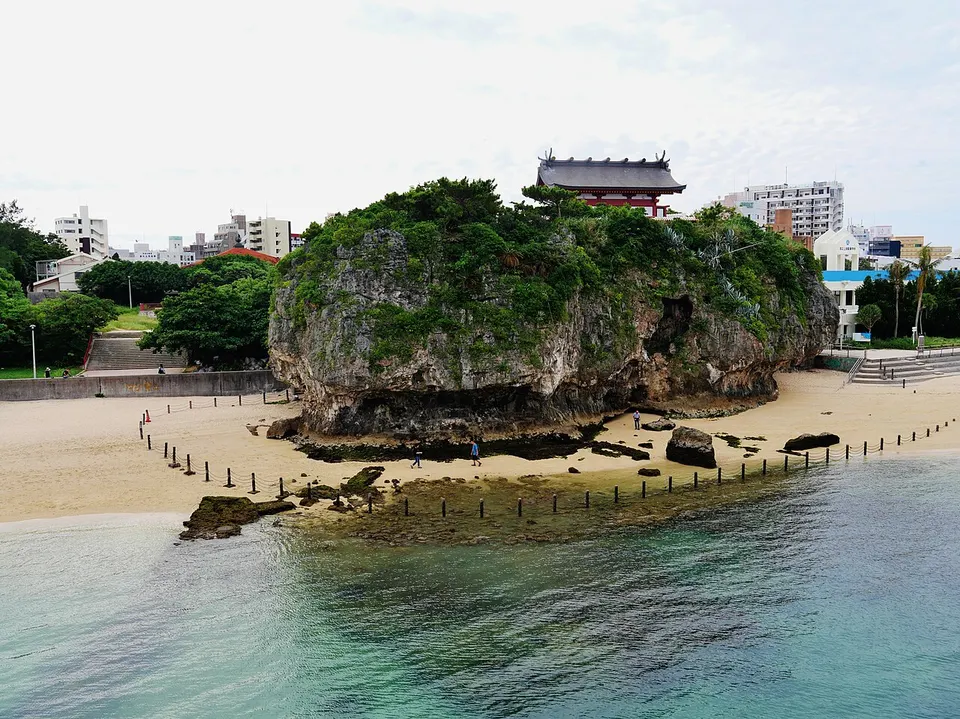
Be quiet and respectful at Shuri Castle and Naminoue Shrine; follow the photo rules around restoration areas. Do not photograph or approach the fences and gates of US military bases.
Street bins are rare: carry rubbish back to your hotel. No phone calls on the monorail or buses. Queue, and let passengers off first. Don't walk into shops or restaurants in swimwear.
📱Useful apps+
1
Route planning
Google Maps shows the monorail and most bus times. For Okinawa bus routes and stops in more detail, the Bus Navi Okinawa site works in English.
Visit Japan Web — the immigration and customs QR code. Safety tips — typhoon, earthquake and tsunami alerts. Visit Okinawa Japan — official information on beaches, festivals and island trips.
The Yui Rail from the city centre to Naha Airport takes about 13–16 minutes. Plan to be at the airport 2–3 hours before an international flight; in typhoon season check your flight status that morning.
From 1 November 2026 the tax-free refund is collected at the airport before the flight — keep receipts and carry the goods unopened. Connecting via Incheon, check your bags are checked through to Ulaanbaatar.
AI answer: double-check anything beyond our researched facts with an official source.
Paid area 8:30–19:00 (until 18:00 December–March)
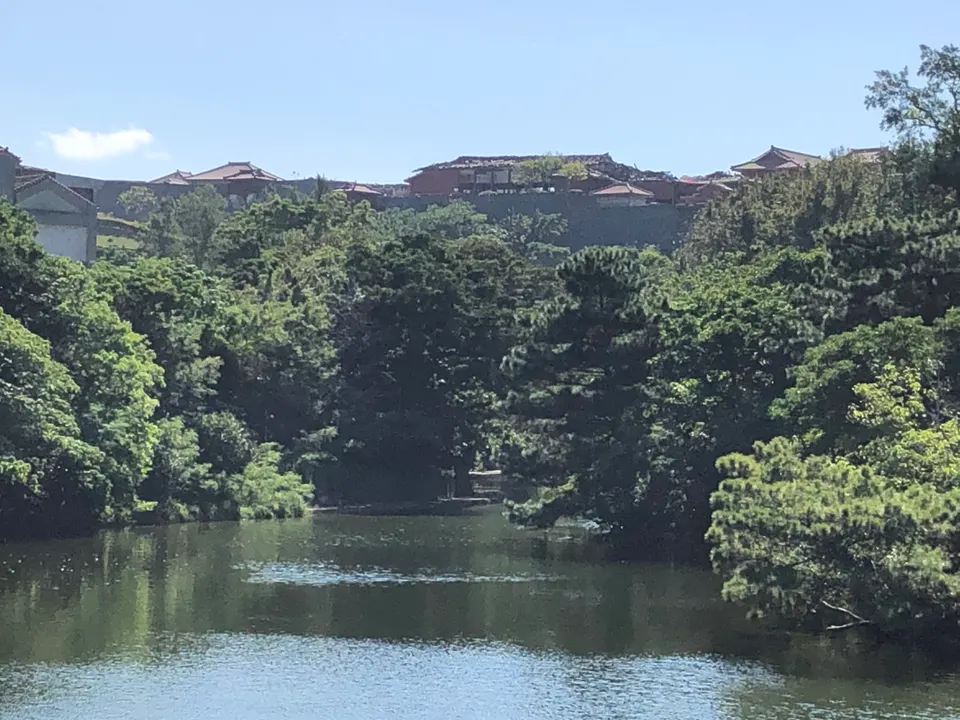
The red palace of the Ryukyu Kingdom, a UNESCO site. The main hall (Seiden), rebuilt after the 2019 fire, opens on 23 November 2026 — entering it needs a 30-minute time slot booked in advance. 20 minutes from the centre by monorail.
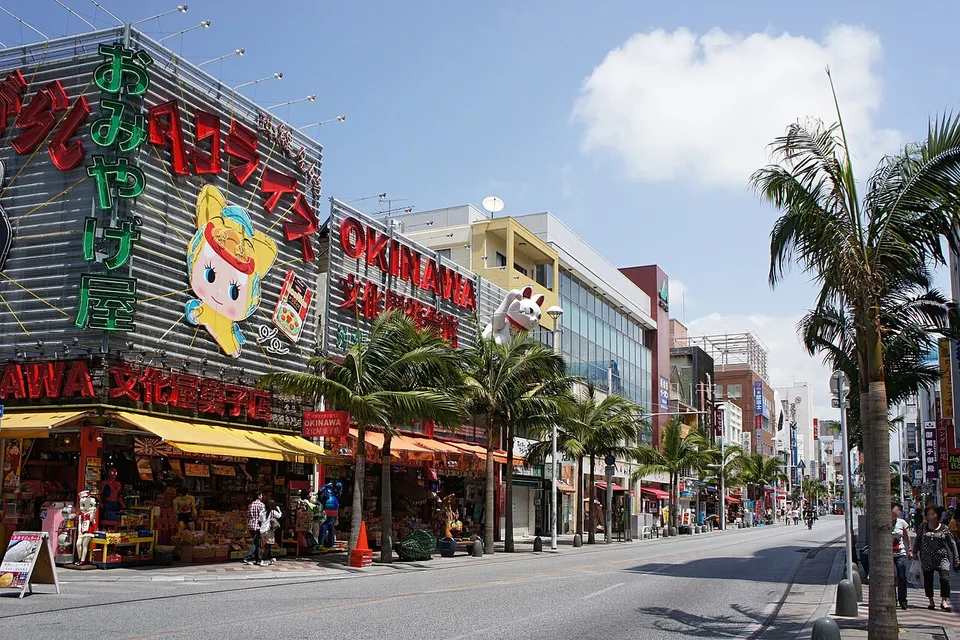
Naha's 1.6 km main street: souvenirs, Okinawan food, Blue Seal ice cream. Upstairs at nearby Makishi Market they cook the fish you buy downstairs. On Sundays it becomes a pedestrian street during the day.
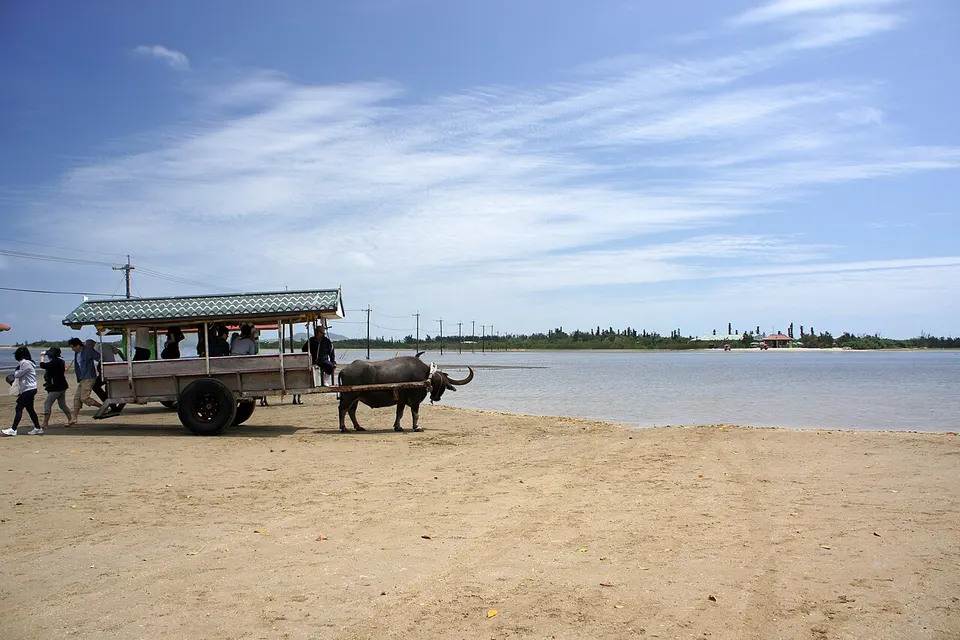
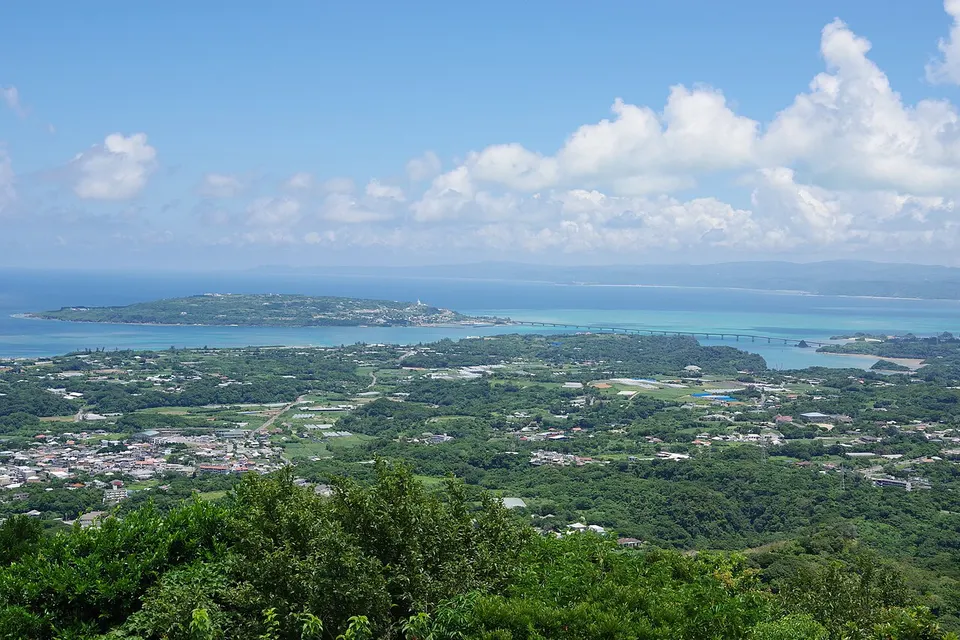
A small island reached by a 2 km bridge over turquoise water: the shallow beach by the bridge is ideal for children, and the 'Heart Rock' is famous. You need a bus tour or a taxi.
BeachHigh-speed boat ¥3,950 one way (¥7,510 return)2–3 sailings a day from Tomari Port, 50–70 min
'Kerama blue' is some of the clearest water in the world: snorkel over coral and with turtles at Furuzamami Beach. Whale-watching January–March. Book the boat ahead.
Kids¥8,800 (ages 4–11 ¥5,940; overseas-visitor price)≈10:00–17:00 (longer at weekends; varies by day)
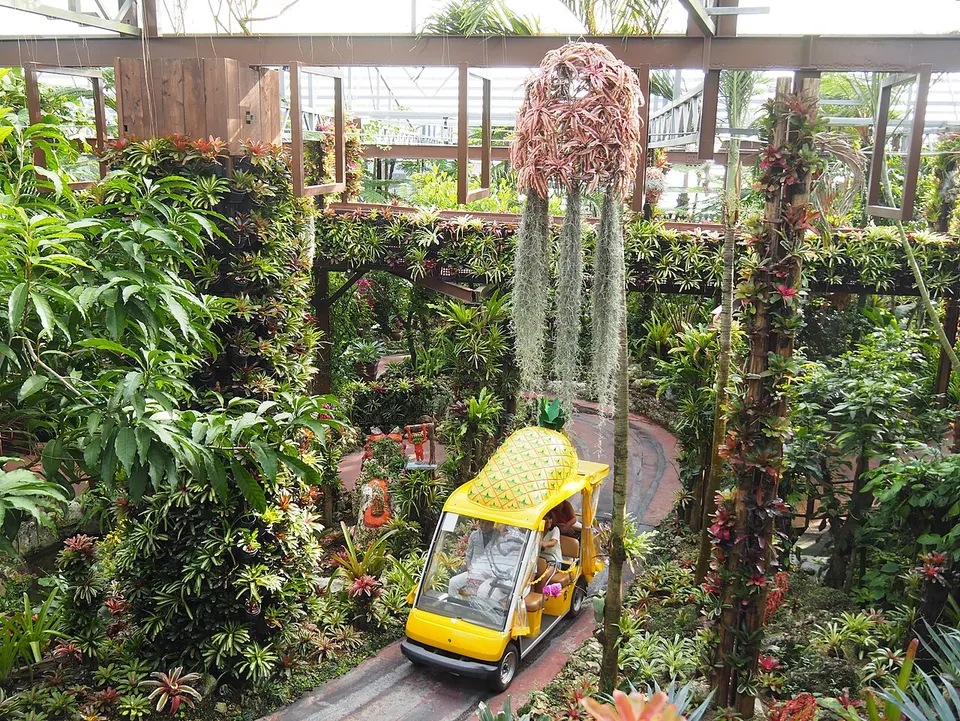
A nature theme park in the Yanbaru forest, opened in July 2025: dinosaur safari, balloon ride, zip lines and a spa. About 1.5–2 hours from Naha by shuttle bus.