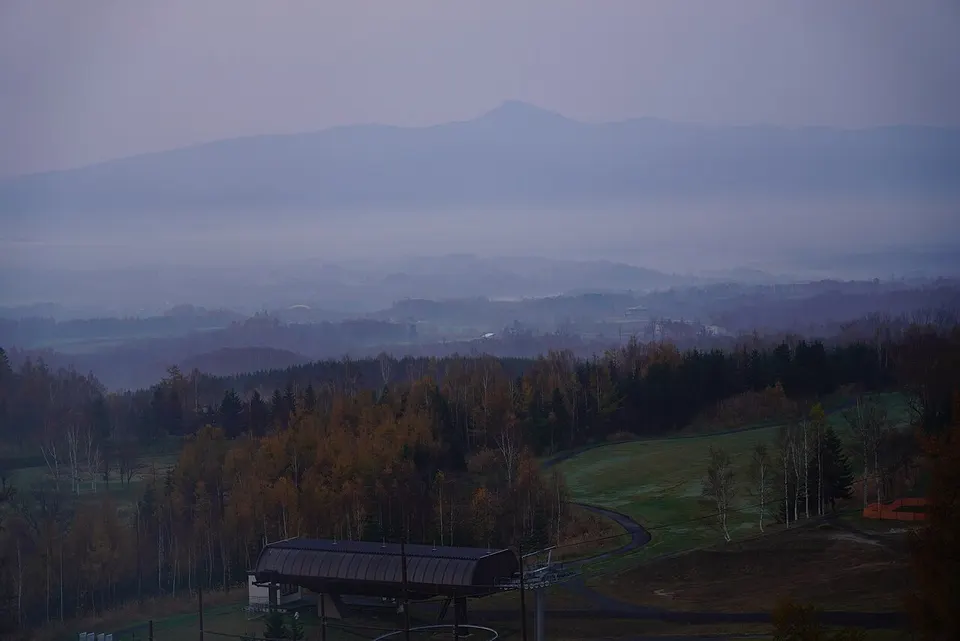
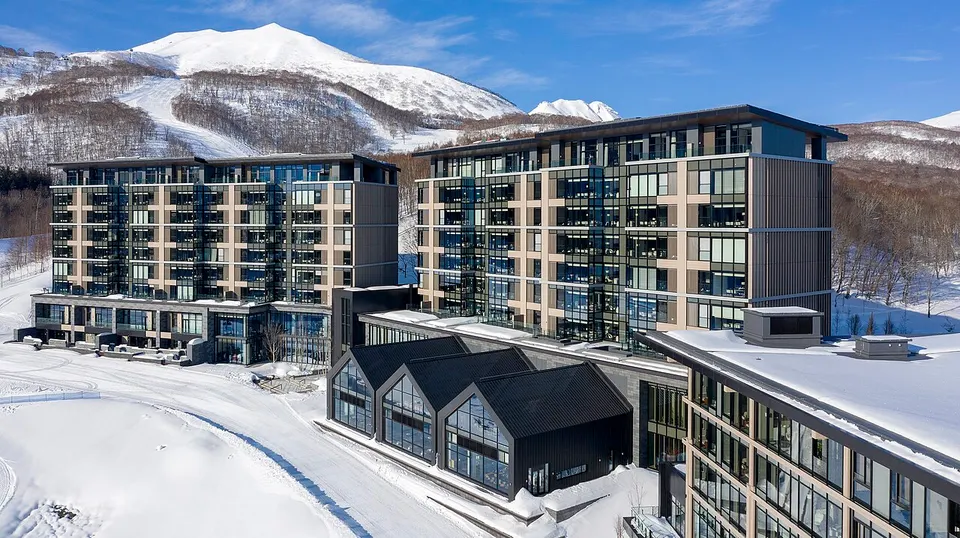
Hokkaido's world-famous ski area: light 'powder snow' that falls almost daily from December to February, one lift pass for the four resorts of Grand Hirafu, Hanazono, Niseko Village and Annupuri, night skiing, and the Fuji-like Mount Yōtei behind it all. Rafting, hiking and onsen in summer. English is widely spoken, but peak-season prices are very high. About 3 hours by bus from New Chitose Airport; no direct flights from Ulaanbaatar. Mongolian citizens need an e-visa.
🛂 Visa: e-Visa · 90 days✈ Flight: 10h☀ Best months: January, February, March, July
Orange — daytime average, blue — night, grey bars — rainfall, green — sea temperature. Best months: January, February, March, July, August.
Things to see (12)
📍🧸 for kids
Niseko Grand Hirafu and night skiing★ 4.5 (5,000)
NatureAll Mountain Pass 1 day ¥13,500 (peak, 24 Dec–28 Feb), regular ¥12,600; ages 4–12 ¥8,10028 Nov 2026–5 May 2027; night skiing 12 Dec–22 Mar
Niseko United's largest resort, above Hirafu village: a gondola, long wide runs, a children's snow park and beginner slopes. At night you ski floodlit runs on one of Japan's largest night-skiing areas. One pass covers all four resorts.
KidsIncluded in the All Mountain Pass (1 day ¥13,500 peak); ski school extra
Travel guide
Like a well-travelled friend for a first-timer: before you go, landing, SIM, transport, money, food, safety, manners, apps, leaving — step by step.
🧳Before you goVisa, lodging, insurance — in Niseko's peak season everything books out early, so prepare well ahead at home.+
1
Visa: JAPAN eVISA (VFS Global)
Mongolian citizens need a Japanese visa. Residents of Mongolia apply online for a JAPAN eVISA through VFS Global: a single-entry tourist visa for up to 90 days, about 5 working days. Since 29 June 2026 the single-entry fee is 357,000₮ (≈¥15,000), plus a 55,000₮ VFS service charge. Transit visas are no longer issued. Your passport must be valid for more than 6 months; attach a return ticket and hotel booking.
Tip: If you connect in Seoul, check Korea's transit rules before buying.
Around Christmas, New Year and Chinese New Year, Hirafu's lodges fill up half a year ahead and prices peak. Cheaper options are to stay in Kutchan town and take the bus to the slopes, or to go in March. Buy lift passes, ski school and buses online in advance.
Get travel insurance that covers skiing, snowboarding and off-piste riding — hospitals and mountain rescue are very expensive in Japan. Gear can be rented on the spot; if you bring your own, check the airline's baggage rules. Fill in immigration and customs on Visit Japan Web ahead of time.
🛬Landing and getting to NisekoNiseko is about 100 km from New Chitose Airport (CTS); in winter the snowy road takes 2.5–3 hours.+
1
Hokkaido Resort Liner bus — the easiest
From 1 December 2026 to 30 March 2027 it runs several times a day from New Chitose's domestic and international terminals to the Hirafu Welcome Centre in about 2 h 45 min. Adults ¥6,000, children ¥5,000, under-3s free. Seats sell out, so book online in advance.
Take the Rapid Airport from the station under the airport to Otaru, then a Hakodate Line local train to Kutchan: about 3 hours in total, ~¥3,100. Get off at Kutchan, not Hirafu station — then bus or taxi to Hirafu. You can stop in Otaru for a few hours to walk the canal.
For families or lots of luggage, a door-to-door private minibus is the most comfortable — book ahead. A Mongolian driving licence is not valid in Japan, so you cannot rent a car yourself. Send suitcases and ski gear from the airport straight to Niseko by 'takkyubin'.
📶Phone and internet+
1
Buy an eSIM at home
If your phone supports eSIM, buy and install one from Airalo, Ubigi or Japan Wireless before the flight: a 7-day 1–3 GB plan costs about $4–8, a 30-day 10 GB plan about $16–18. It works the moment you land in Japan.
Tip: Batteries drain fast in the cold — keep your phone in an inner pocket and carry a power bank.
The arrivals area of New Chitose's international terminal has tourist SIM and pocket Wi-Fi rental counters. Most Niseko lodges and cafés have free Wi-Fi, and coverage on the slopes is good.
🚇Getting around NisekoThe four resorts ring one mountain; buses link Hirafu village and Kutchan town.+
1
Between resorts by shuttle or on skis
In winter, shuttle buses run between Hirafu, Hanazono, Village and Annupuri, and town buses between Hirafu and Kutchan; check timetables on the Niseko United site. On a clear day you can ski over the top from one resort to another.
The daytime bus from Kutchan station to Hirafu costs ¥300 (cash) and the evening bus within Hirafu is free. A taxi from Kutchan station to your lodge is about ¥2,500. Taxis are scarce in peak season, so book your ride back from dinner in advance.
Japan only recognises international driving permits issued under the 1949 Geneva Convention; Mongolia is a party to the 1968 Vienna Convention instead, so a Mongolian licence or a Mongolian-issued international permit cannot be used to drive or rent a car in Japan. Winter roads are icy and snowstorms are frequent — use buses, taxis and tours.
Seven Bank ATMs inside the 7-Eleven stores in Hirafu and Kutchan are the most reliable for foreign cards. Resort restaurants and lodges take cards; onsen, small eateries and buses often take cash only.
Since 1 April 2026 Kutchan (Hirafu, Hanazono) and Niseko Town (Village, Annupuri) charge an accommodation tax of 3% of the nightly rate; Hokkaido's prefectural tax is included in it. Lodges add it to your bill.
Tourists spending over ¥5,000 in one shop on one day are exempt from the 10% consumption tax. From 1 November 2026 you pay the full price in the shop and claim the refund at the airport before departure — keep your receipts.
🍜FoodHirafu has food from all over the world, but it is expensive; cheaper, more authentic Japanese food is in Kutchan town.+
1
Book dinner ahead
In peak season Hirafu's popular restaurants are booked out weeks ahead. Hirafu also has street-food stalls and ramen shops. Kutchan town offers izakaya, sushi and Hokkaido's 'Jingisukan' grilled lamb at fairer prices.
Soft-serve and cream puffs at Takahashi Farm's Milk Kobo, plus Hokkaido potatoes, corn and dairy, are a hit with children. Resort cafés serve simple dishes such as curry, ramen and udon.
3
Cheap and reliable
Onigiri and hot food from Seicomart, 7-Eleven and Lawson are fresh and cheap — there are several branches in Hirafu and Kutchan. Buying groceries in Kutchan's supermarkets and cooking in your apartment saves a lot.
🛡️Safety and health+
1
Emergency numbers
Police 110; ambulance, fire and mountain rescue 119 — free, 24 hours. The JNTO Japan Visitor Hotline 050-3816-2787 (24 hours, English). The nearest large hospital is in Kutchan town; serious injuries are transferred to Sapporo.
Leave the resort only through open gates, never duck the boundary ropes and never enter closed areas. Off-piste, a helmet and an avalanche beacon are required; elementary-school children may not go without an adult. Rescue costs start at ¥100,000, and breaking the rules can cost you your lift pass. Check the avalanche report every morning.
Falling into deep snow beside trees (tree wells) is dangerous — ride the trees with a partner. Village roads are icy; wear shoe spikes. Snowstorms delay buses and flights. In summer brown bears roam Yōtei and forest trails — carry a bell and don't hike alone.
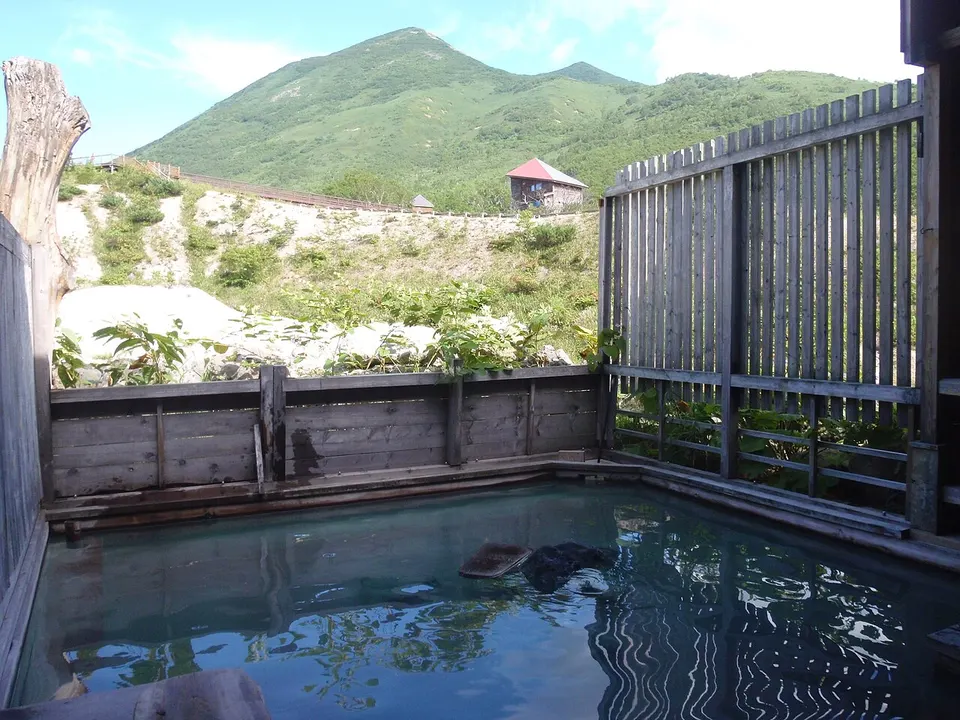
You bathe naked at an onsen, wash fully before entering and keep your towel out of the water. Many onsen refuse tattoos or ask you to cover them with stickers; Goshiki Onsen is one of the few that allow them. Ask before you go.
2
On the lifts and slopes
Don't push in the lift queue; ride in pairs. The skier above gives way to the one below; don't stop in the middle of a run. Respecting avalanche-zone signs and ropes matters a lot to locals.
3
Rubbish and noise
Street bins are rare: take rubbish back to your lodge and sort it. Keep noise down at night in Hirafu's residential streets. No phone calls on buses and trains, and queue in line.
📱Useful apps+
1
Snow, lifts and gates
The Niseko United site shows live lift and backcountry gate status and the snow report. Niseko Avalanche Information publishes the avalanche hazard every morning.
Google Maps shows bus and train times; for the Otaru–Kutchan line, Japan Transit Planner is more reliable. Google Translate's camera mode translates menus and signs on the spot.
The Resort Liner takes about 2 h 45 min from Hirafu to New Chitose; plan to be at the airport 3 hours before an international flight and allow extra time for snowstorm delays. If you can, spend the night before your flight in Sapporo or near the airport.
Since 1 July 2026 Japan's International Tourist Tax on departure is ¥3,000 — it is included in the ticket price. From 1 November the tax-free refund is collected at the airport before the flight — keep receipts and carry the goods unopened.
AI answer: double-check anything beyond our researched facts with an official source.
28 Nov 2026–11 Apr 2027
North-east of Hirafu, the most family-friendly resort: a children's ski school, snow tubing, gentle slopes and powder between the trees. The best views of Mount Yōtei.
NatureIncluded in the All Mountain Pass (1 day ¥13,500 peak, ¥6,300 from 5 Apr)Village 28 Nov–4 Apr; Annupuri 28 Nov–5 May
Two resorts on the south-west side of the mountain: Village has a gondola, tree powder and upscale hotels; Annupuri has long, gentle, quiet runs that suit beginners and families. Ski across the top to move between all four resorts.
NatureFreeMid-June–early October; ~4.5 h up via the Kutchan route, ~9 h in total
A 1,898 m dormant volcano known as the 'Fuji of Ezo'. The Kutchan (Hirafu) route is the shortest but steepest, with 1,700 m of climbing. Start early and carry a bear bell and plenty of water. With children, the 1-hour loop around Hangetsu Lake at the foot suits better.
A sulphur spring in Rankoshi: outdoor baths amid steaming marshland and a mud bath on the women's side. Tattoos must be covered with stickers (¥300) — not suitable for large tattoos.
A wooden hot spring at 750 m between Annupuri and Iwaonupuri: outdoor baths between walls of snow. One of the few onsen that welcome tattooed guests. In winter it is reached only from the Niseko town side.
CultureTour ¥2,000 (Dec–Mar), ¥1,500 (Apr–Nov); shop and bar free10:00–17:00 (until 18:00 Dec–Mar); book tours by the day before
A whisky and gin distillery opened in 2021 at the foot of Mt Annupuri: the 60-minute tour covers the stills and barrel cellar and ends with a tasting. Children may join the tour but don't taste.
Half-day rafting on one of Japan's clearest rivers with outfitters such as Niseko Adventure Centre (NAC). Powerful snowmelt water in May; in July–August a gentler family course takes children from age 3.
FoodFree entry (ice cream and cream puffs a few hundred yen)9:30–18:00 (winter 10:00–17:30)
A dairy shop beside its own farm: soft-serve, cream puffs, cheese tarts and drinking yoghurt. Children run on the lawn facing Mount Yōtei — a family favourite in summer and winter alike.
NatureBoat to Nakajima island ¥1,800 (elementary school ¥900)Boats 8:30–16:30 in summer, 9:00–16:00 in winter; fireworks nightly Apr–Oct
About 1 h 15 min south of Niseko: a round caldera lake with forested islands in the middle, the active Mt Usu volcano and an onsen town. In summer there are fireworks over the lake every night. Without a car, book a tour or taxi.
The change station on the New Chitose–Kutchan train route: a canal lined with stone warehouses, glassworks, the music box museum, Sakaimachi street and fresh sushi. Leave your bags in a station locker and spend a few hours walking.
NatureFreeGate 8:00–17:30 (Aug–Oct); the tip of the cape is closed 5 Oct 2026–early Apr 2027
Clear 'Shakotan blue' sea and a 40-minute clifftop walk. In June–August, fresh sea urchin (uni) rice bowls. About 2 hours from Niseko by car — take a summer tour or a bus from Otaru.