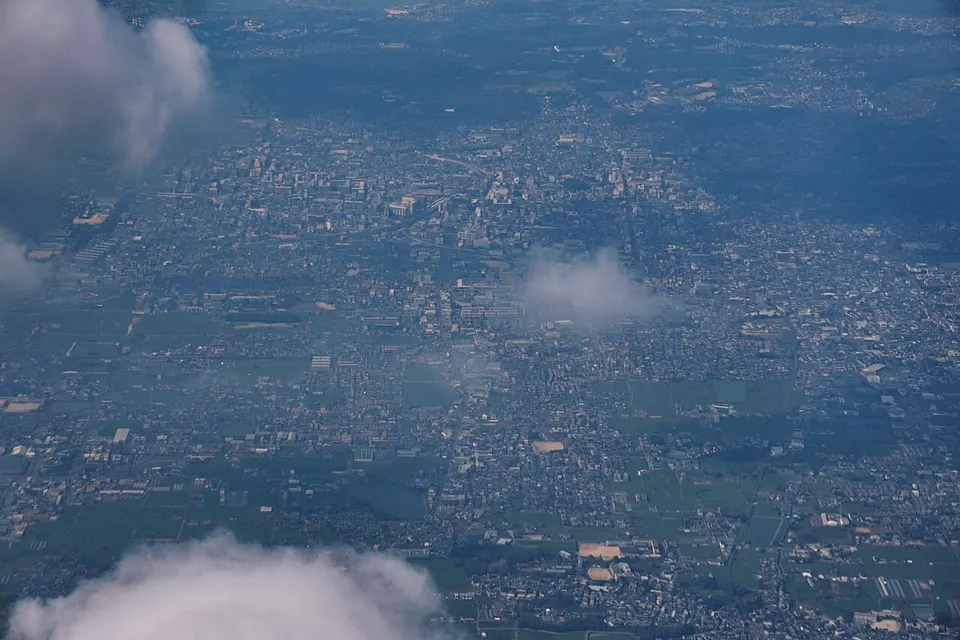
Japan's first permanent capital (710–784): Todai-ji's 15 m Great Buddha, more than 1,000 deer roaming the park freely, Kasuga Taisha's thousands of lanterns and Horyu-ji, the world's oldest wooden buildings. The city is small — most sights are a 10–20 minute walk apart. Just 35–45 minutes by train from Osaka or Kyoto, so most visitors come for the day, but staying a night lets you see the deer park quiet in the morning and evening. Close to MIAT's direct flight to Osaka (Kansai). Mongolian citizens need an e-visa.
🛂 Visa: e-Visa · 90 days✈ Flight: 4h · direct☀ Best months: March, April, May, October
Orange — daytime average, blue — night, grey bars — rainfall, green — sea temperature. Best months: March, April, May, October, November.
Things to see (12)
🧸 for kids
Todai-ji (Great Buddha)★ 4.7 (40,000)
Culture¥800 (ages 6–12 ¥400); with the museum ¥1,200Apr–Oct 7:30–17:30; Nov–Mar 8:00–17:00
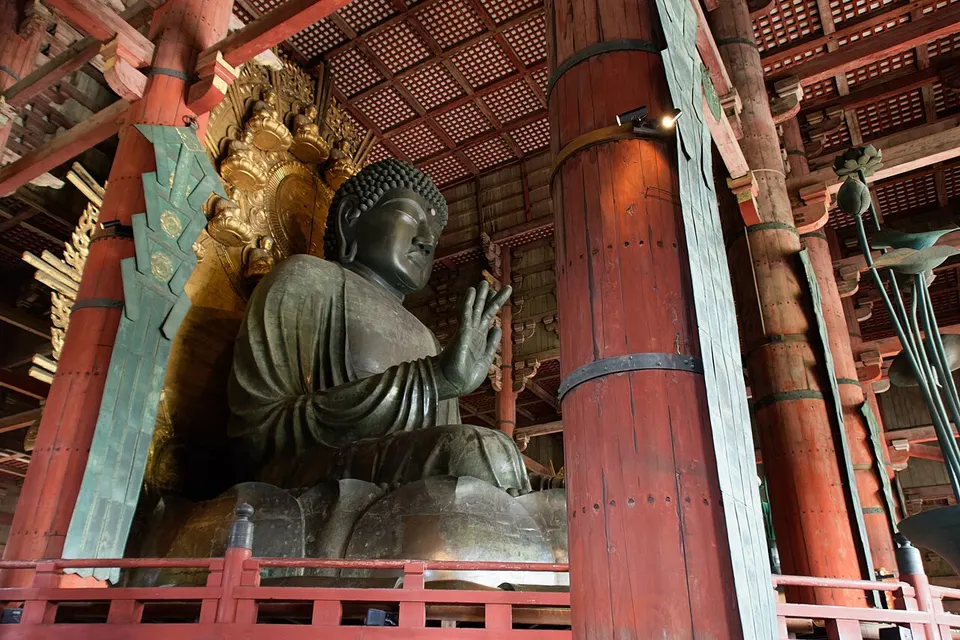
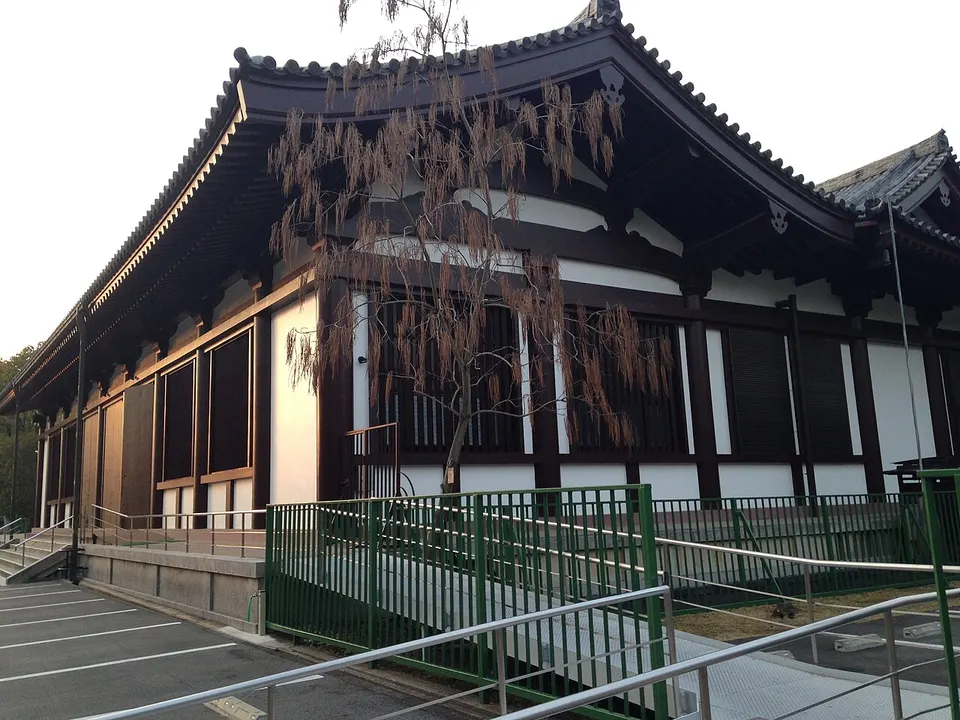
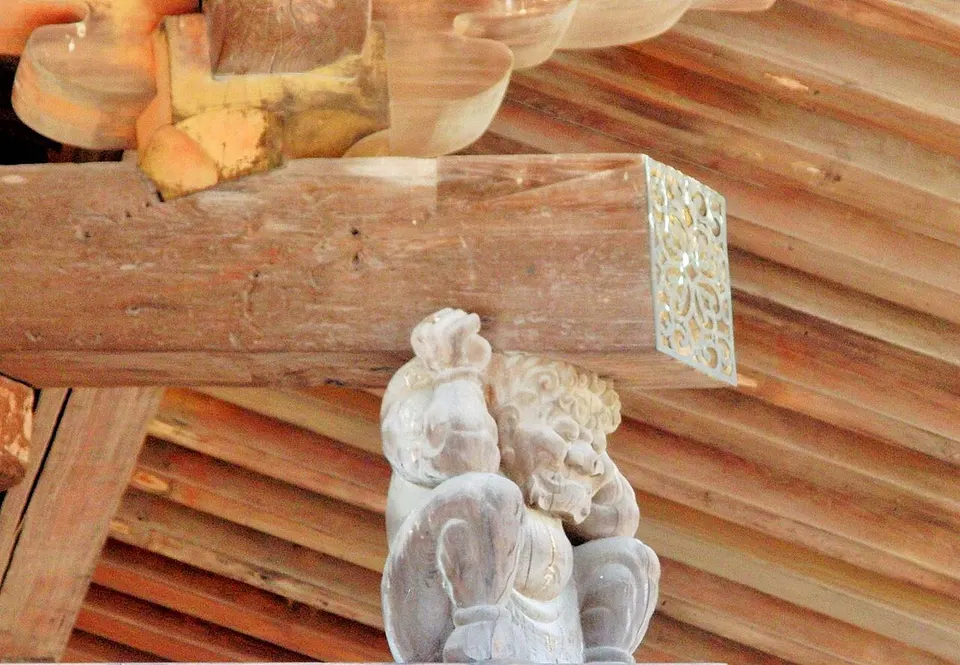
One of the world's largest wooden buildings, founded in 752, housing a 15 m bronze Buddha (Daibutsu). The giant Nandaimon gate has fierce guardian kings, and children crawl through a hole in a pillar the size of the Buddha's nostril — said to bring enlightenment. Come before 8 a.m. to avoid the crowds.
Like a well-travelled friend for a first-timer: before you go, landing, SIM, transport, money, food, safety, manners, apps, leaving — step by step.
🧳Before you goNara is small: first decide whether to visit for the day from Osaka or Kyoto, or to stay a night in Nara.+
1
Visa: JAPAN eVISA (VFS Global)
Mongolian citizens need a Japanese visa. Residents of Mongolia apply online for a JAPAN eVISA through VFS Global: a single-entry tourist visa for up to 90 days, fee 357,000₮ (≈¥15,000) since 29 June 2026, five times the old rate (multiple-entry 714,000₮), plus a 55,000₮ VFS service charge, about 5 working days. Transit visas are no longer issued. Your passport must be valid for more than 6 months; attach a return ticket and hotel booking.
Tip: The direct flight runs only twice a week — get the visa first, then buy the ticket, and nothing is at risk.
Before flying, enter your passport, flight and hotel on Visit Japan Web and fill in the immigration and customs declarations. On arrival you only scan the QR code.
Most visitors come for the day from Osaka or Kyoto, so Todai-ji and the deer park are busiest at midday. Staying a night in Nara lets you walk the park early in the morning and in the evening when it is quiet, and give the second day to Horyu-ji or Yakushi-ji. Hospitals in Japan are expensive, so travel insurance is a must.
Tip: For cherry blossom (early April), autumn leaves (November) and the Shosoin exhibition (late October), book hotels 2–3 months ahead.
🛬Landing and getting to NaraNara has no airport: fly into Osaka's Kansai Airport (KIX) and come by bus or train.+
1
Limousine bus — direct, no changes
Nara Kotsu's limousine bus runs from Kansai Airport to Kintetsu Nara and JR Nara stations in ~100–120 minutes, adults ¥2,400, children ¥1,200. The last bus leaves Kansai at 21:32 — it fits MIAT's evening arrival. Since March 2026 you can pay by tapping your card on the bus.
Take the Nankai line from Kansai to Namba, then the Kintetsu rapid express from Osaka-Namba to Nara, ~40 minutes for ¥680 (no reservation). Kintetsu Nara Station is a few steps from Kofuku-ji and the deer park.
From Kyoto Station the Kintetsu limited express takes ~35 minutes for ¥1,280, the ordinary express ~45 minutes for ¥760; the JR Miyakoji rapid ~45 minutes for ¥720, every 30 minutes. Kintetsu Nara Station is in the centre; JR Nara Station is a 15–20 minute walk away.
📶Phone and internet+
1
Buy an eSIM at home
If your phone supports eSIM, buy and install one from Airalo, Ubigi or Japan Wireless before the flight: a 7-day 1–3 GB plan costs about $4–8, a 30-day 10 GB plan about $16–18. It works the moment you land.
Tip: Download Nara in Google Maps and Japanese in Google Translate for offline use.
The arrivals hall at Kansai has SIM counters and vending machines: a tourist SIM with a few GB for 7–14 days costs about ¥3,000–5,000. A data SIM is all you need; few places in Nara sell SIMs, so buy one at the airport.
🚇Getting aroundNara's main sights — Kofuku-ji, Todai-ji, Kasuga and Naramachi — are all within walking distance. Horyu-ji and Yakushi-ji are reached by train or bus.+
1
On foot
From Kintetsu Nara Station it is a few minutes to Kofuku-ji and ~20 minutes to Todai-ji, with Kasuga Taisha further on along forest paths. Wear comfortable shoes; in summer carry water and a hat.
Loop buses run from the JR and Kintetsu stations to Todai-ji and Kasuga. The unlimited Nara Bus Pass costs ¥600 for the centre, ¥1,100 for the wider area including Horyu-ji and Yakushi-ji, and ¥1,650 for two days. You can also tap ICOCA or Suica on your phone.
Japan only recognises international driving permits issued under the 1949 Geneva Convention; Mongolia is a party to the 1968 Vienna Convention instead, so a Mongolian licence or a Mongolian-issued international permit cannot be used to drive or rent a car in Japan. Use trains, buses and taxis.
💳Money and taxes+
1
Carry cash
Many of Nara's temples take cash only — the ticket desks at Kofuku-ji and Horyu-ji don't accept cards. Withdraw yen 24 hours a day with a foreign card at the Seven Bank ATMs inside 7-Eleven stores; there are plenty near the stations.
Tourists spending over ¥5,000 in one shop on one day are exempt from the 10% consumption tax. From 1 November 2026 you pay the full price in the shop and claim the refund at the airport before departure.
🍜FoodNara's food scene is quieter than Kyoto's or Osaka's, but it has its own specialities: kakinoha-zushi, mochi and nara-zuke pickles.+
1
What to eat
Kakinoha-zushi — salted fish sushi wrapped in persimmon leaves, perfect to take along; freshly pounded yomogi mochi from Nakatanidou; nara-zuke — vegetables pickled in sake lees; chagayu — rice porridge cooked in green tea. With children, udon, ramen and okonomiyaki are everywhere.
Tip: No tipping in restaurants; many close after lunch around 14–15 and reopen from 17.
2
Don't eat near the deer
Bring out food or a paper bag in the park and the deer will mob you and eat the bag — which is dangerous for them. Eat your snacks on Higashimuki street or in a Naramachi café, then head into the park. Take your rubbish with you.
🛡️Safety and health+
1
Emergency numbers
Police 110, ambulance and fire 119 — free, 24 hours. The JNTO Japan Visitor Hotline 050-3816-2787 (24 hours, English).
There are about 100 deer bites, kicks and head-butts a year, mostly while people feed crackers. Hand crackers over quickly without teasing, then show your empty hands; keep away from antlered stags (September–November) and does with fawns (May–June). Don't give crackers to small children to hold.
If an official phone alert sounds, get under a table and protect your head. Trains may stop during typhoons. Summers are very humid — drink water and rest in the shade. Nara Prefecture General Medical Center has an emergency department; call your insurer's assistance line first.
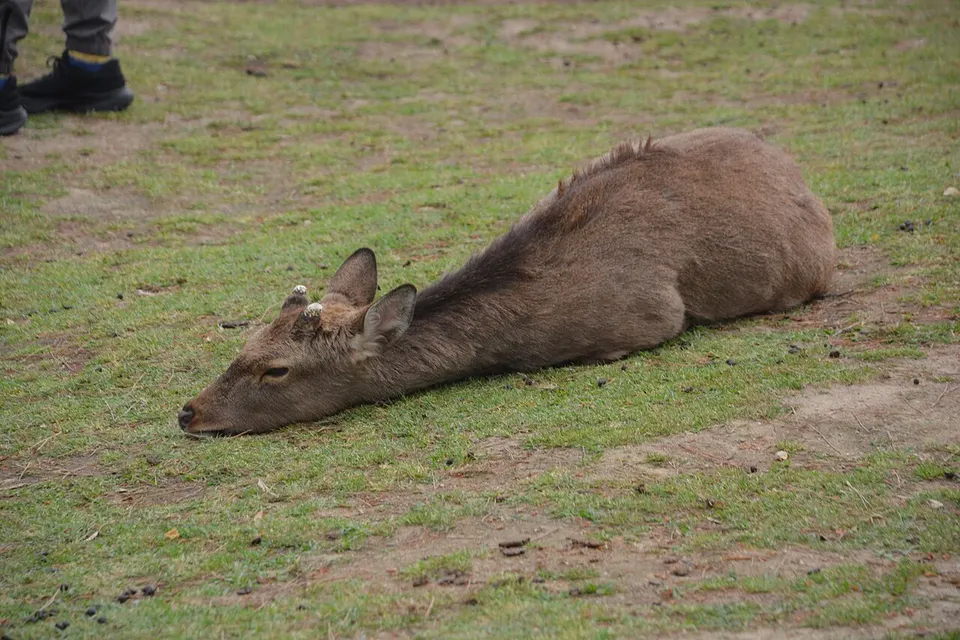
Nara's deer are a national natural monument and messengers of the gods. Feed them only the special shika senbei crackers; feeding other food, chasing them or pulling their antlers or ears is forbidden. Bow and some will bow back — a fun tradition.
2
At temples and shrines
Take your shoes off at temple buildings; keep quiet inside, and some halls forbid photos. At a Shinto shrine, bow twice, clap twice and bow once. Don't block the space in front of the altar.
3
Rubbish, noise, queues
There are almost no bins on the street: carry rubbish back to your hotel. No phone calls on trains and buses, voices down. Queueing and letting passengers off first are strict rules.
📱Useful apps+
1
Route planning
Google Maps shows train and bus times and platforms precisely in Japan. For Kintetsu limited express and JR timetables and fares, Japan Transit Planner (Jorudan) is more detailed.
Visit Japan Web — the immigration and customs QR code. Safety tips — earthquake and weather alerts. The Visit Nara site — festivals, special openings and temple information.
The first limousine bus from JR Nara Station to Kansai leaves at 05:40 and the last at 20:40; the ride takes ~100–120 minutes. Plan to be at the airport 3 hours before an international flight — more with traffic or typhoons.
Since 1 July 2026 Japan's International Tourist Tax on departure is ¥3,000 — it is included in the ticket price. From 1 November the tax-free refund is collected at the airport before the flight — keep receipts and carry the goods unopened.
AI answer: double-check anything beyond our researched facts with an official source.
24 hours
A 660 ha park with more than 1,000 free-roaming deer, revered as messengers of the gods. Bow before offering a cracker and some bow back. Don't tease them with crackers — hand them over quickly, then show your empty hands; they can bite, butt and kick, so don't leave small children holding crackers. Never feed them human food or bags.
CultureOuter area free; inner area ¥700; museum ¥500Mar–Oct 6:30–17:30 (inner area 9:00–16:00)
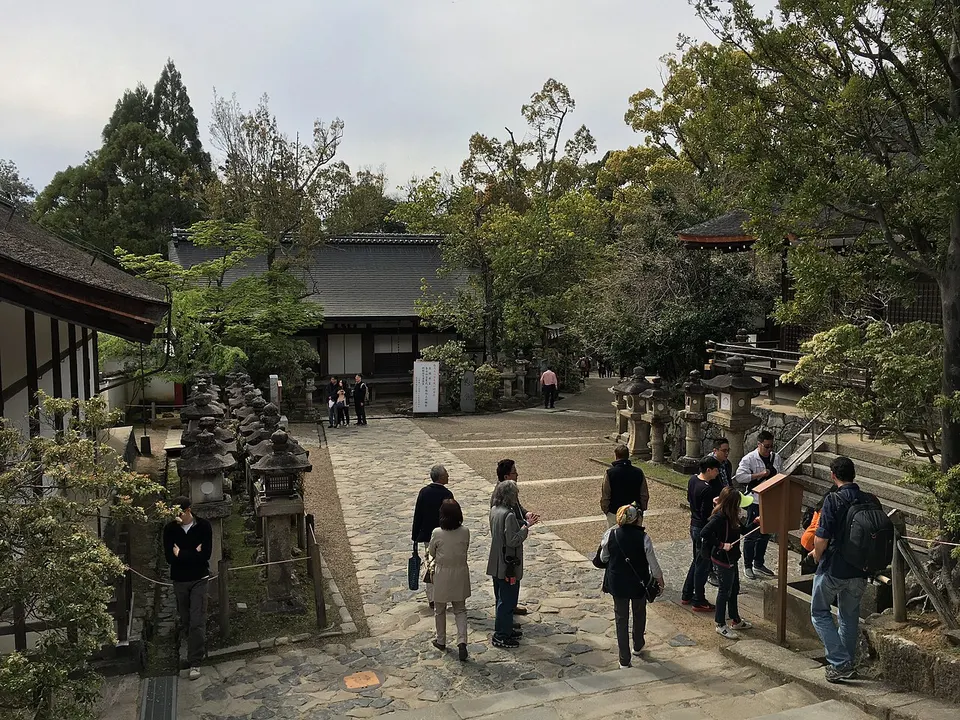
A Shinto shrine founded in 768: 2,000 stone and 1,000 bronze lanterns line the paths through the forest. Lanterns hang along the red-pillared corridors, and all are lit in early February and on 14–15 August. The forest walk is cool and peaceful.
Kofuku-ji and the National Treasure Museum★ 4.4 (15,000)
CultureNational Treasure Museum ¥900; combined ticket with the Eastern Golden Hall ¥1,600 (cash only)9:00–17:00 (last entry 16:45)
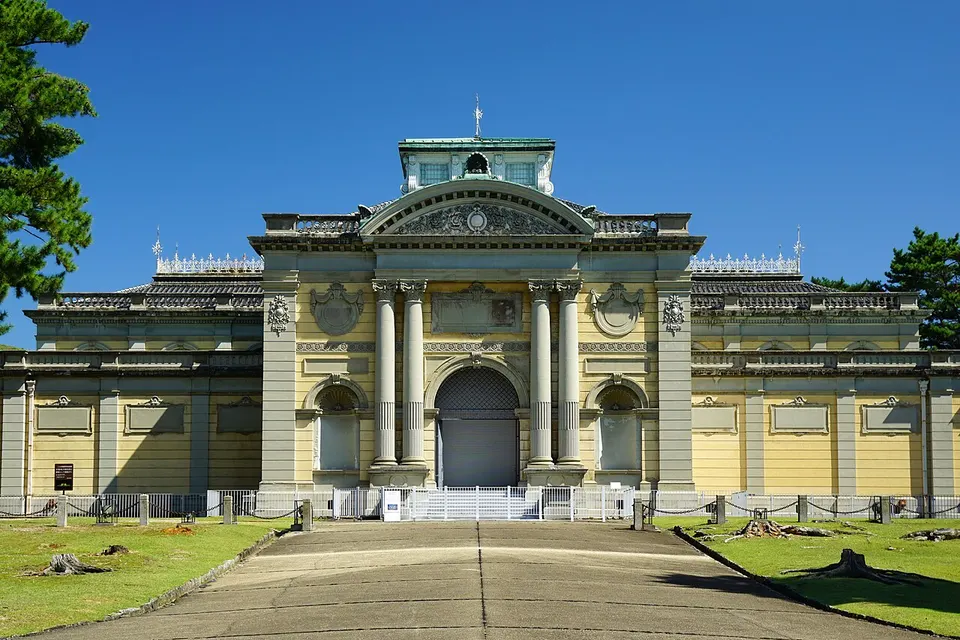
The Fujiwara clan temple; its 50 m five-storey pagoda is under wraps for restoration from 2023 to 2034. The museum holds one of Japan's most famous statues — the three-faced, six-armed Ashura. The grounds are free, 5 minutes from Kintetsu Nara Station.
CulturePermanent collection ¥700 (under 18 free); Ritual Bronzes Gallery free during the renovation; special exhibitions extra9:30–17:00 (Saturdays until 19:00), closed Mondays
The leading museum of Buddhist art. The Buddhist Sculpture Hall is closed for renovation from 14 Sep 2026 to spring 2028, so selected statues are shown free in the Ritual Bronzes Gallery. Every late October–early November it hosts the Shosoin Treasures exhibition (2026: 24 Oct–9 Nov) — expect long queues.
RelaxIsuien ¥1,200; Yoshikien free for foreign visitors showing a passportIsuien 9:30–16:30 (closed Tuesdays); Yoshikien 9:00–17:00
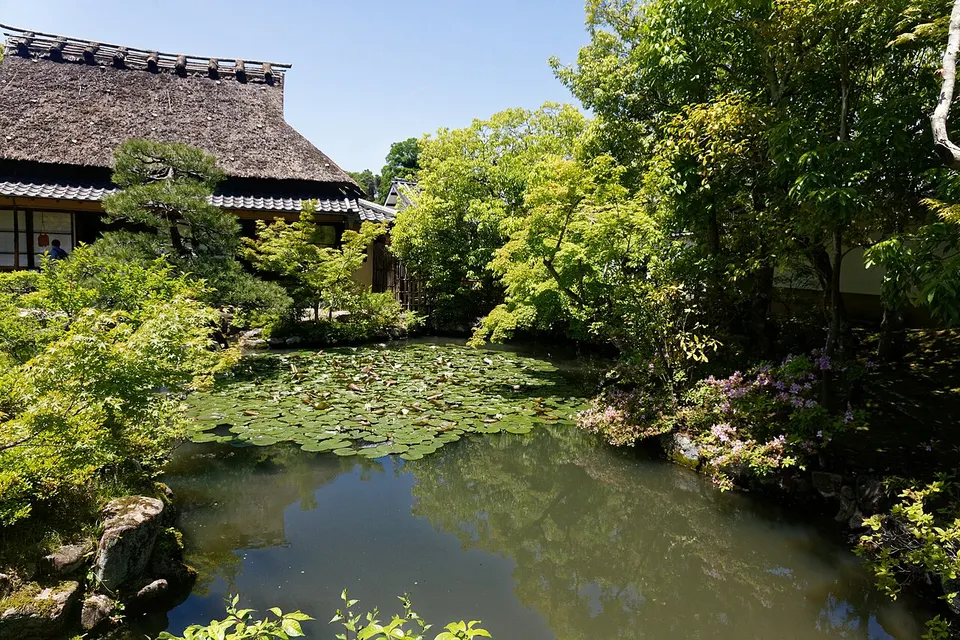
Two traditional gardens near Todai-ji's gate: Isuien is a pond garden that 'borrows' Mt Wakakusa and Todai-ji's roof as its backdrop, with a teahouse; neighbouring Yoshikien has moss and tea-ceremony gardens and is very quiet.
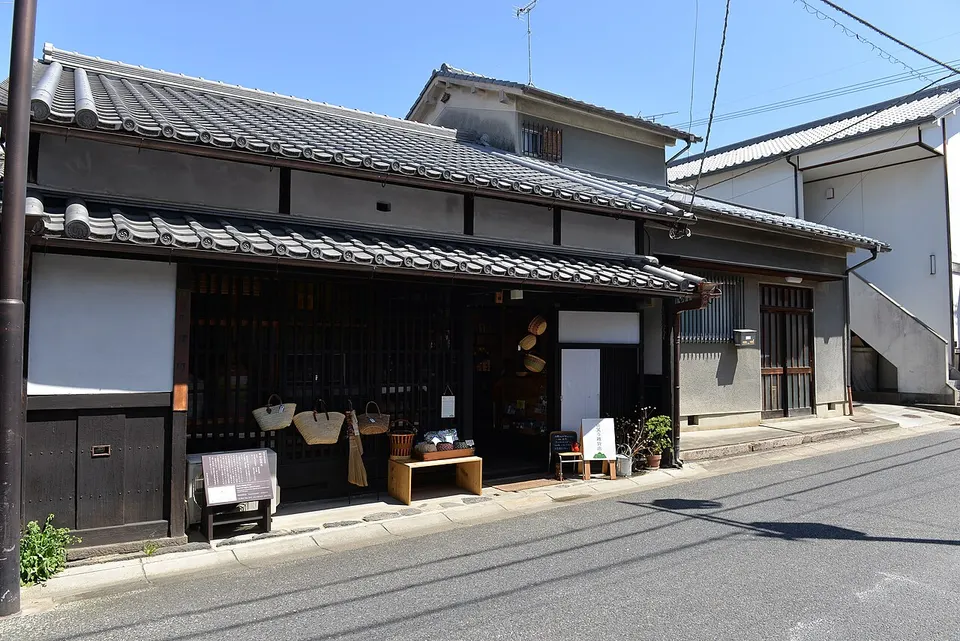
Quiet lanes of long, narrow Edo-period merchant houses: cafés, craft shops, a sake brewery and the free Naramachi Koshi-no-Ie traditional house. The red monkey charms hung by doors are 'migawari-zaru'. 10 minutes south of Kofuku-ji.
Nature¥150 (from age 3 ¥80)9:00–17:00; 3rd Saturday of March to 2nd Sunday of December
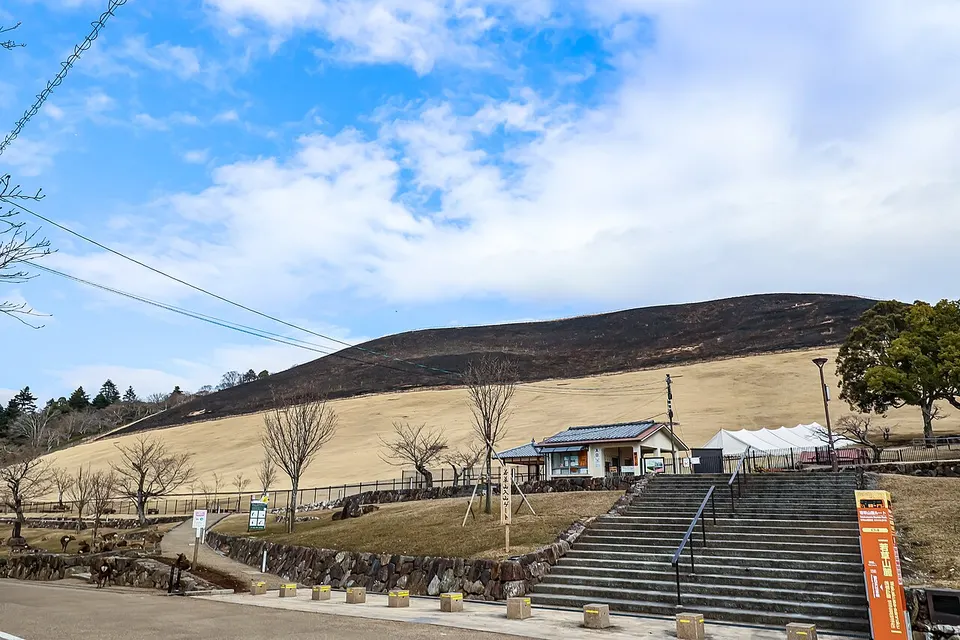
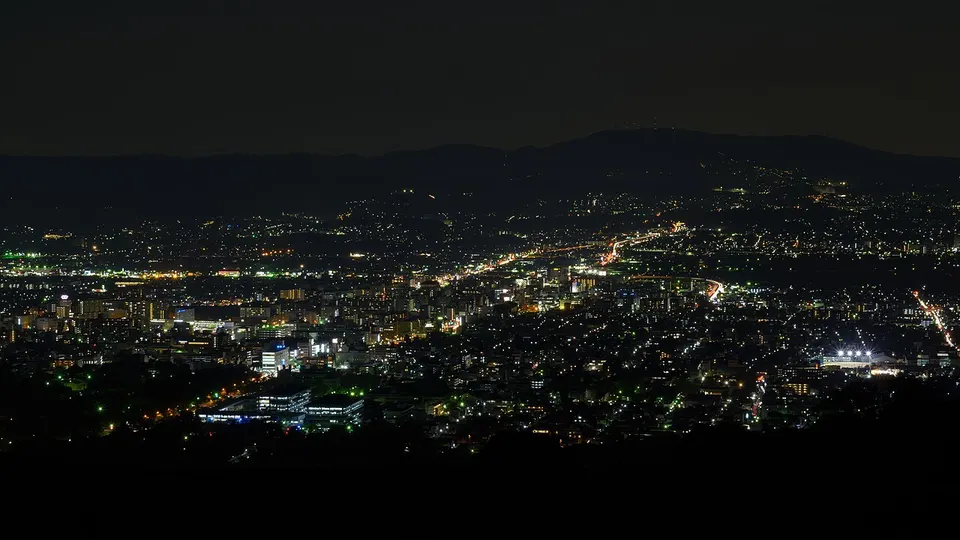
A 342 m grassy hill with views over the city, Todai-ji's roof and the Nara basin. The first summit is a 15–20 minute climb, with deer grazing on top. Best at sunset; on the 4th Saturday of January the whole hillside is set alight in the Yamayaki festival.
Culture¥2,000 (junior high ¥1,700, elementary ¥1,000), cash only22 Feb–3 Nov 8:00–17:00; 4 Nov–21 Feb 8:00–16:30
Founded in 607 by Prince Shotoku, home to the world's oldest wooden buildings — Japan's first UNESCO World Heritage Site (1993). The five-storey pagoda, Golden Hall and treasure house. About 12 minutes by JR from Nara to Horyuji Station, then a bus or a 20-minute walk; allow half a day.
Two UNESCO temples on either side of Nishinokyo Station, a 10-minute walk apart: Yakushi-ji's red Golden Hall and 1,300-year-old East Pagoda; Toshodai-ji, founded by the Chinese monk Jianzhen, with its Tang-style hall and mossy grounds. Few crowds and very calm.
NatureFreeDaigokuden and museums 9:00–16:30, closed Mondays; grounds 24 hours
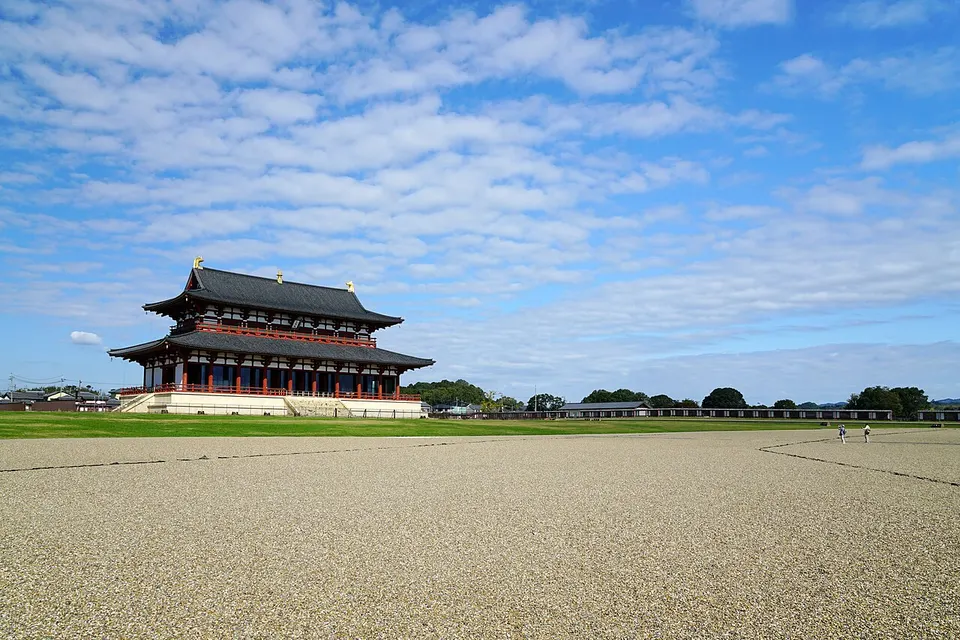
The 130 ha open grounds of the 8th-century imperial palace: the reconstructed Great Audience Hall (Daigokuden), Suzaku Gate and free museums. A wide green space for children to run, cycle or fly kites.
A covered shopping street beside Kintetsu Nara Station: souvenirs and Nara food. At its southern end, watch the lightning-fast mochi pounding at Nakatanidou and eat a warm yomogi mochi. Kakinoha-zushi, sushi wrapped in persimmon leaves, is Nara's classic snack.