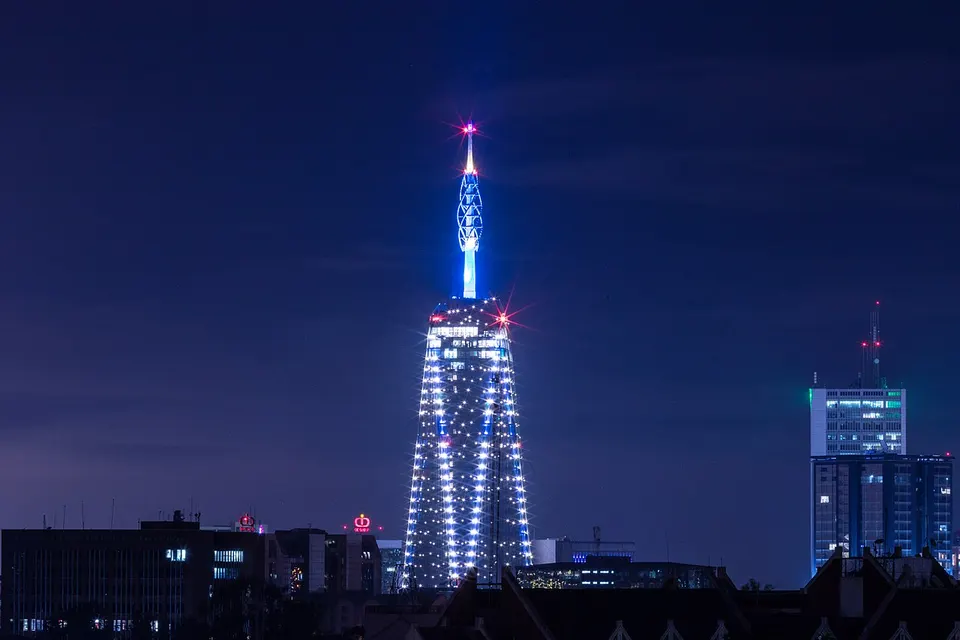
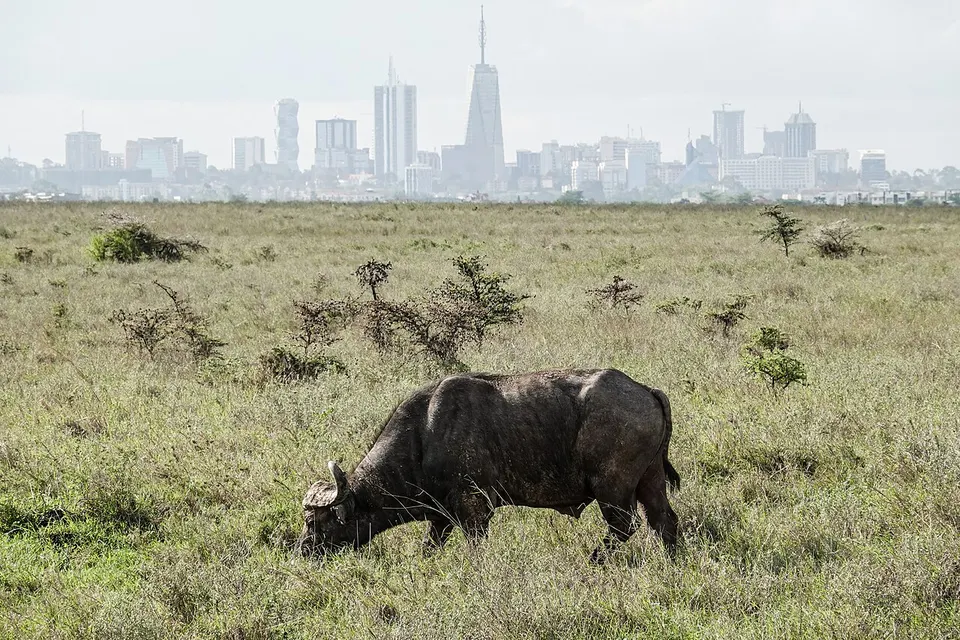
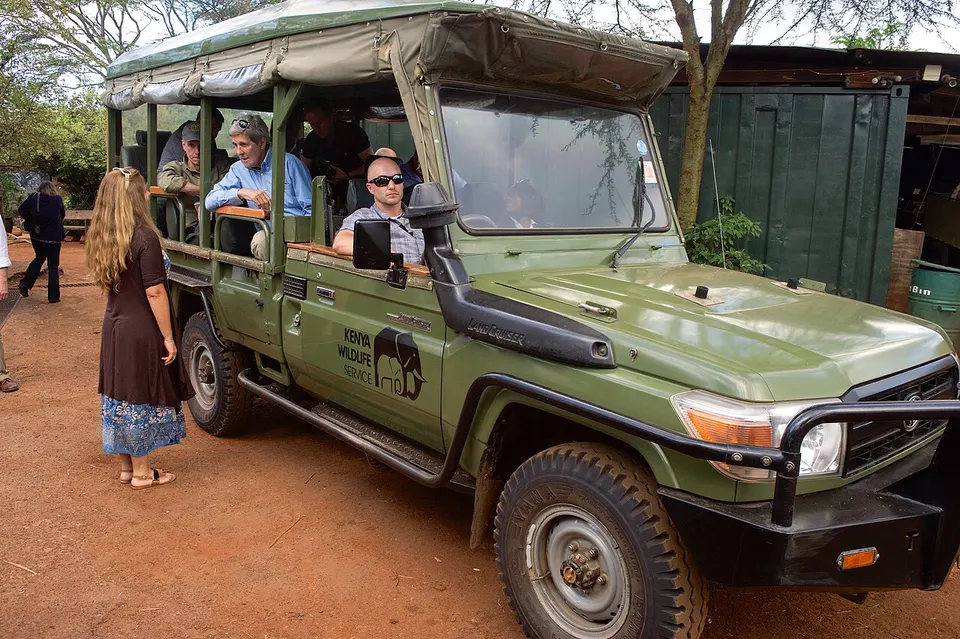
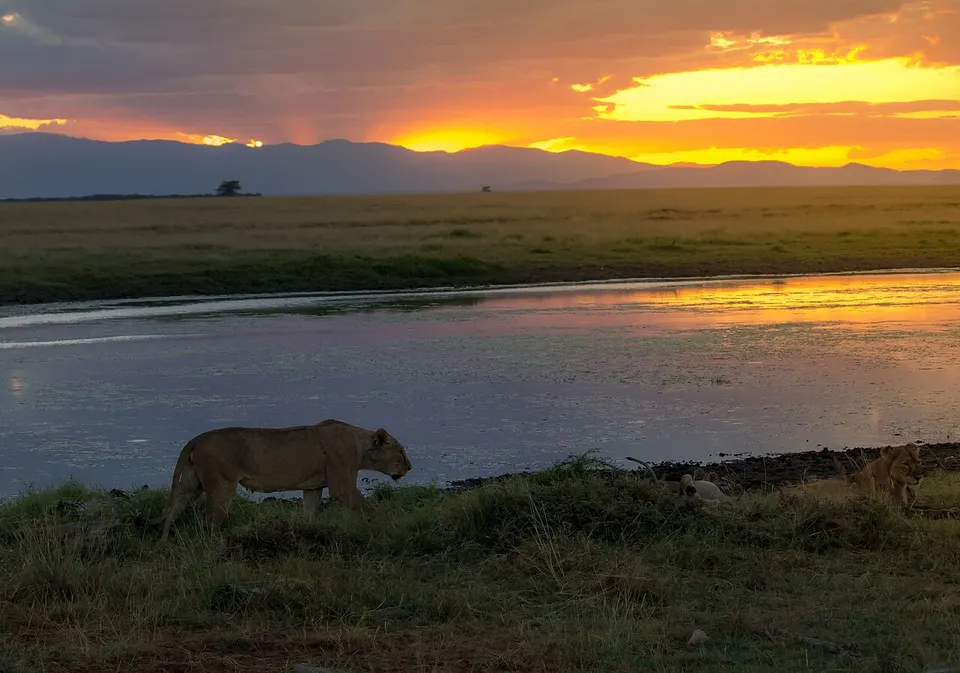
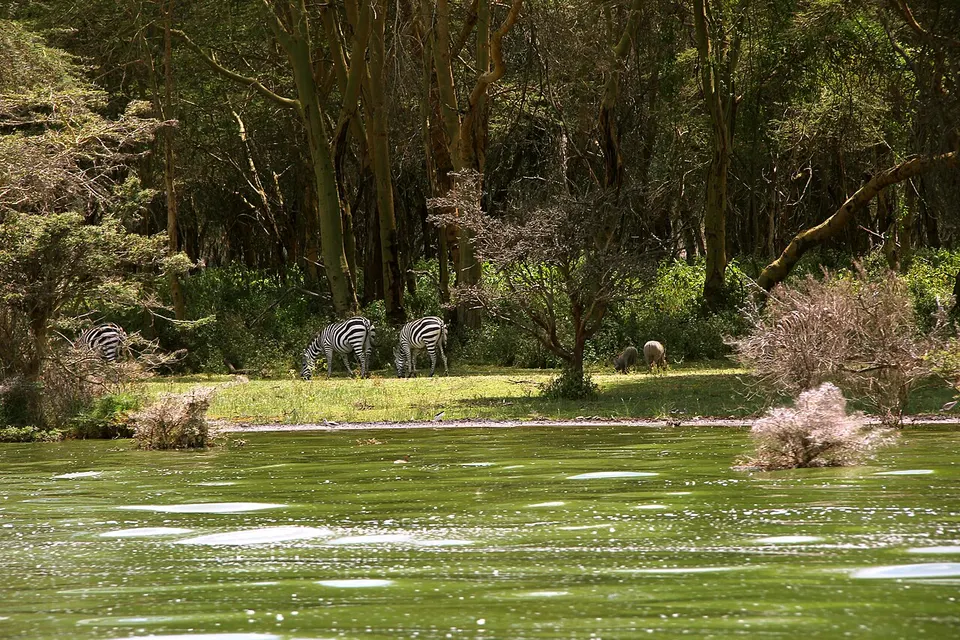
Africa's safari capital: Nairobi National Park, where lions and rhinos graze in front of the city skyline, the elephant orphanage and the Giraffe Centre. From here, safaris head to the Maasai Mara (the Great Migration, July–October), Amboseli (Kilimanjaro views), Nakuru and Lake Naivasha. No direct flight from Ulaanbaatar — connect via Istanbul, Doha, Dubai or Addis Ababa. Mongolian citizens get an online ETA ($30).
Sign in to keep the plan — you'll continue right after.
Orange — daytime average, blue — night, grey bars — rainfall, green — sea temperature. Best months: January, February, July, August, September, October.
Since January 2024 Kenya has replaced visas with the Electronic Travel Authorisation (ETA): everyone except East African Community citizens, including holders of ordinary Mongolian passports, must get an ETA before flying, only via the etakenya.go.ke portal. Fee $30 (non-refundable), processing up to 3 working days (72 hours), express +$100; apply 2 weeks ahead. Tourists stay up to 90 days. Passport valid 6+ months, return ticket, hotel booking and photo required. Without an ETA airlines won't board you. Arriving from (or after 12+ hours' transit in) a yellow-fever-risk country requires a yellow fever certificate. Fake 'e-visa' sites charge $50–80 — use only the .go.ke domain.
Visa rules can change — confirm with the embassy or an official source before you travel.
Language: English and Swahili are both official; hotels, restaurants and safari guides speak fluent English. 'Jambo' (hello) and 'asante' (thank you) go down well.
Safety: Theft and robbery are common in Nairobi: don't walk at night, use Uber/Bolt and keep your phone out of sight on the street. Take extra care in Eastleigh, Kibera, Mathare and around the CBD. In 2024–2025 the 'Gen-Z' youth protests against tax rises turned violent and many people were killed — stay well away from demonstrations. The UK FCDO advises against travel to the Somali border areas (Mandera, Wajir, Garissa, mainland Lamu); the safari parks, Naivasha and the Mara are far from them. Malaria: rare in central Nairobi, but take tablets for the Mara, Amboseli and Nakuru.
Like a well-travelled friend for a first-timer: before you go, landing, SIM, transport, money, food, safety, manners, apps, leaving — step by step.
Kenya no longer has visas, but Mongolian citizens must get an Electronic Travel Authorisation (ETA) before flying. Apply only at etakenya.go.ke: fee $30 (non-refundable), decision within 72 hours, express for an extra $100. You need a passport valid 6+ months, a photo, a return ticket and a hotel booking. Applying two weeks ahead is recommended.
Tip: The 'Kenya e-visa' agent sites that top Google charge double — check the address ends in .go.ke.
0–5 scores are our team's rating relative to Asian holiday destinations (sources below).
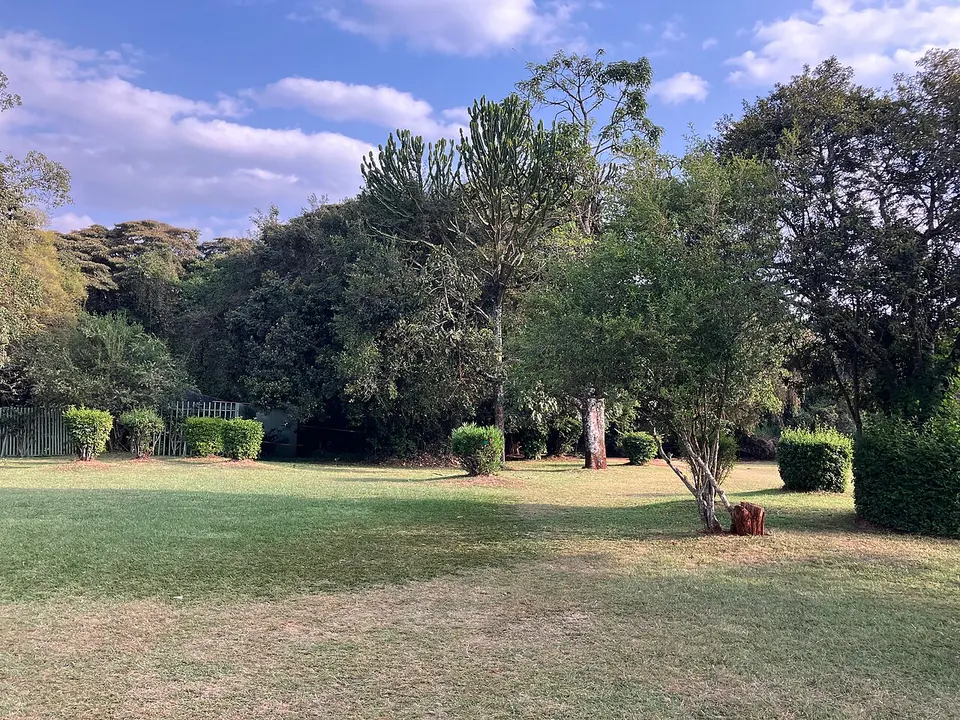
🧸 for kidsUnique in the world: lions, rhinos, giraffes and zebras against a city skyline. 7 km from the centre; drive in when the gate opens at 6 am for the most animals. No cash accepted.
🧸 for kidsA one-hour session watching orphaned baby elephants and rhinos drink milk and mud-bathe. Advance booking only; you enter through Nairobi National Park's Mbagathi Gate, so the KWS fee is separate.
🧸 for kidsHand-feed endangered Rothschild's giraffes from a raised platform — children's favourite. A short nature trail next door.

The 1910s–30s coffee-farm house of Danish author Karen Blixen ('Out of Africa'); a guided tour is included. Garden with views of the Ngong Hills.
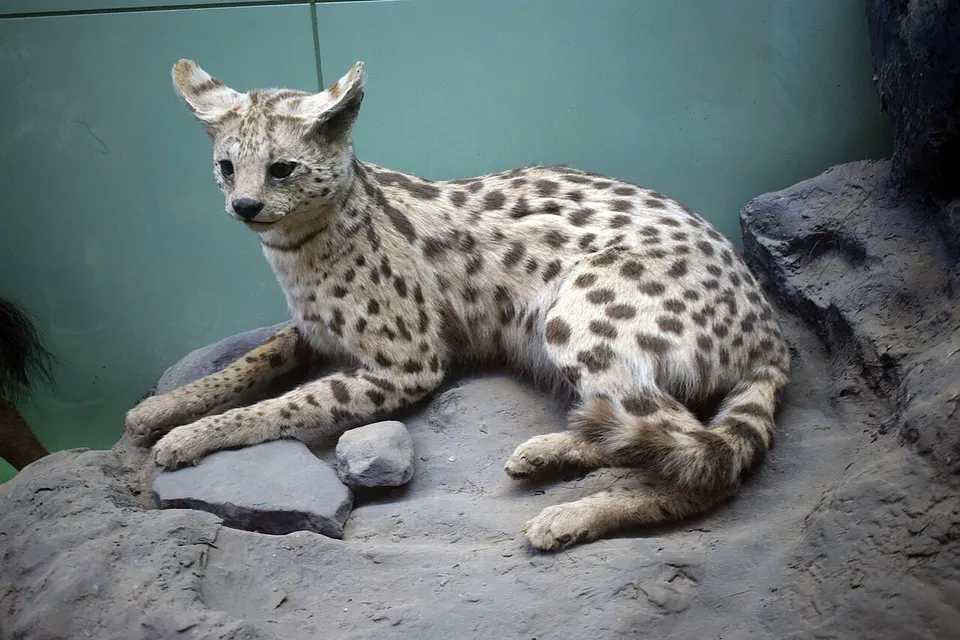
🧸 for kidsKenyan history and culture, human-origins finds (Turkana Boy), a bird collection, and a snake park in the grounds. The rainy-day option.
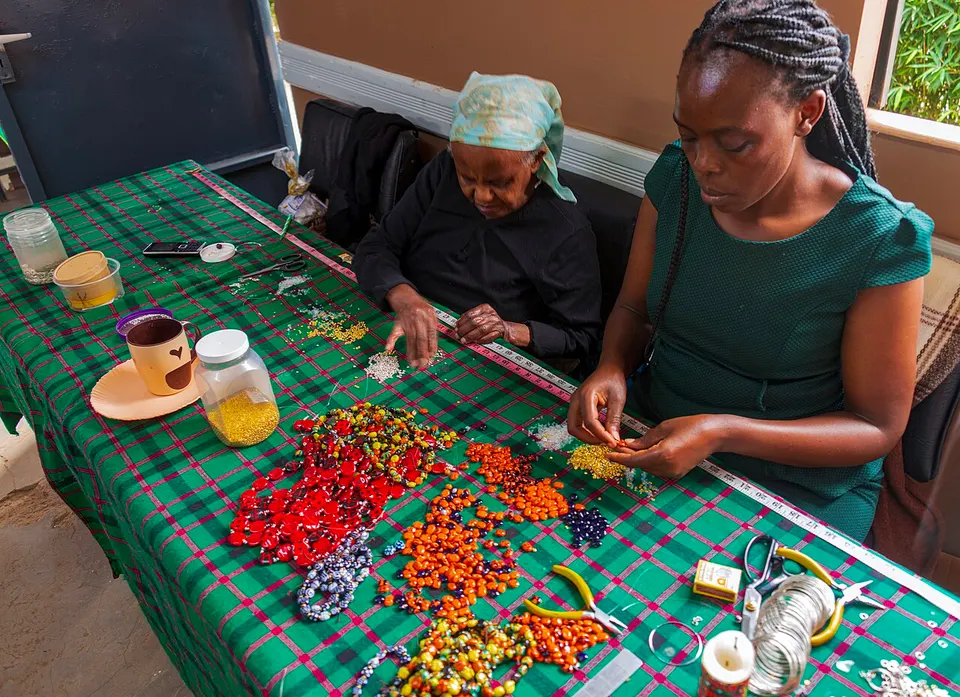
🧸 for kidsWatch single mothers hand-make ceramic beads and pottery on a free tour; the shop sells gifts. Close to the Karen Blixen Museum.
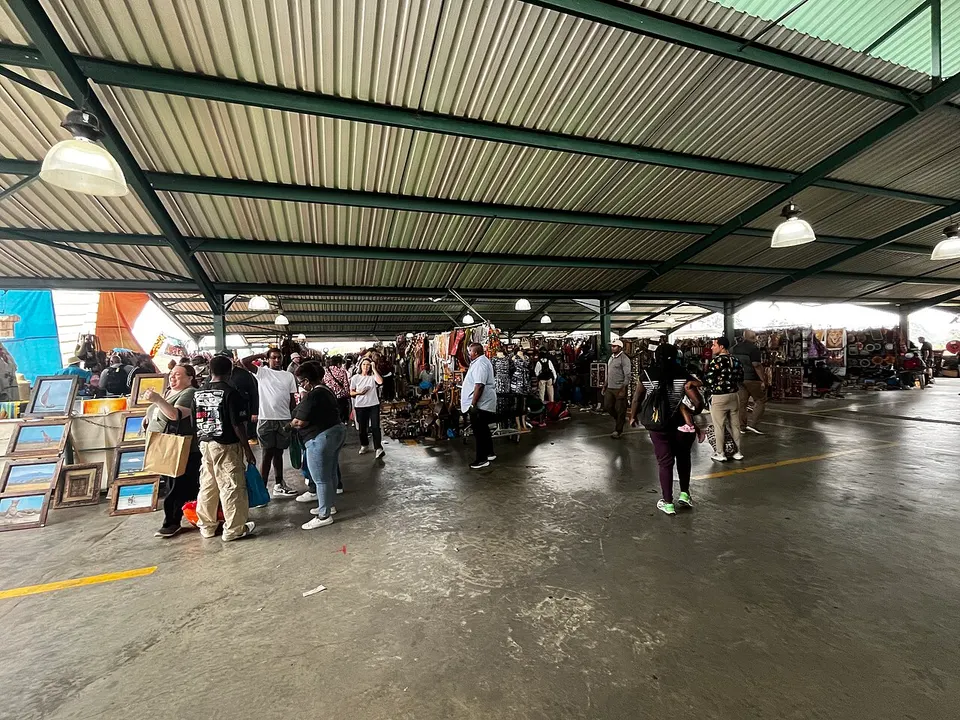
🧸 for kidsMaasai beadwork, shuka cloth, wood carvings and baskets. The location changes daily: Wednesday and Friday at Village Market (Gigiri), Saturday at the High Court car park (the biggest). Start bargaining around half the first price.
🧸 for kidsAfrica's most famous safari: the Big Five and, July–October, the Great Migration of over a million wildebeest crossing the Mara River. 5–6 hours' drive from Nairobi or a 45-minute light-aircraft flight from Wilson Airport. A 3-day group safari costs about $450–800 per person.
🧸 for kidsA Rift Valley freshwater lake: see hippos and fish eagles up close by boat, and walk among giraffes, zebras and wildebeest on predator-free Crescent Island. 1.5–2 hours from Nairobi.
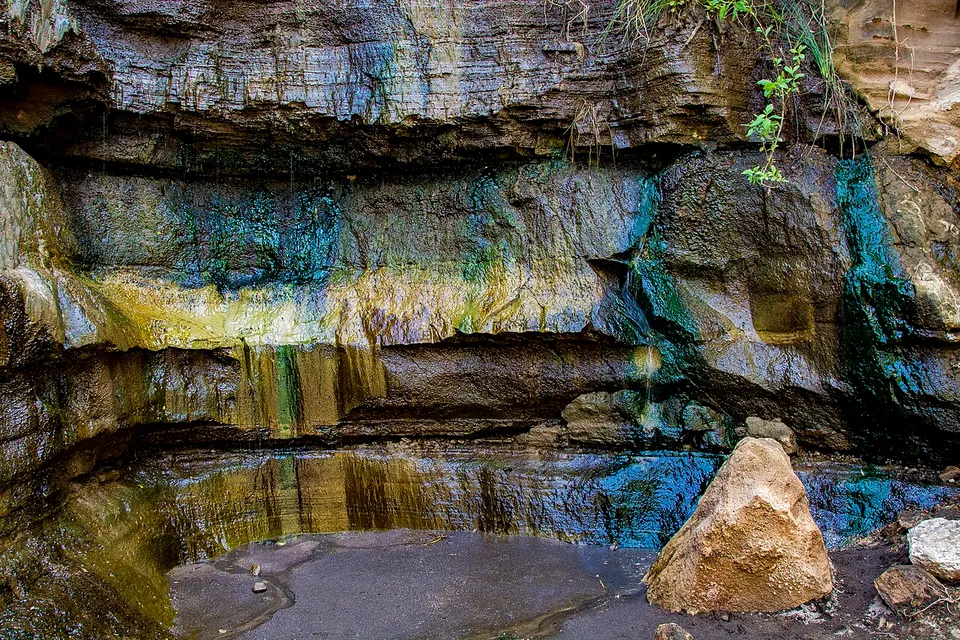
🧸 for kidsA rare park with few predators, so you can cycle among zebras, giraffes and buffalo; guided walk through a red-rock gorge. Flash floods hit the gorge in the rains — follow your guide.
🧸 for kidsHerds of big-tusked elephants in front of Kilimanjaro's snowy peak — Kenya's most famous picture. The mountain shows early in the morning before the clouds. 4–5 hours from Nairobi.
A black and white rhino sanctuary with lions, Rothschild's giraffes and pink flamingos along the shore (numbers vary year to year). 3–4 hours from Nairobi; pair with Naivasha for a 2-day trip.
Healthcare: Aga Khan University Hospital and The Nairobi Hospital are international-standard private hospitals with 24-hour emergency departments. Hospitals are far from the safari parks, so insurance that includes AMREF Flying Doctors air evacuation is wise. See a doctor 4–6 weeks before the trip about yellow fever vaccine and malaria tablets.
Phone: Safaricom (best network, M-Pesa) or Airtel. The Safaricom desk in JKIA arrivals sells a tourist SIM for about KES 1,000 (30 days, around 7 GB) — passport required, fingerprints registered. Or install an eSIM (Airalo etc.) before the flight. Coverage drops inside the parks.
Kenya is a yellow-fever-risk country. Flying straight in from Istanbul, Doha or Dubai you don't need a certificate, but the CDC recommends the vaccine if you go to the Mara, Naivasha or Nakuru; if you continue from Kenya to Tanzania, Zanzibar or South Africa, they will demand the yellow card. Malaria: every park outside central Nairobi carries risk — see a doctor for preventive tablets.
Maasai Mara fees jumped to $200 per adult per day from July to December and $100 from January to June; KWS parks cost $50–90. These are usually included in safari packages — ask whether they are. The Great Migration (July–September) is the busiest time, so book 3–6 months ahead.
Walk out of arrivals and call an Uber or Bolt: 12–20 minutes to the CBD on the Expressway, KES 800–1,500 off-peak, KES 2,500 and more at rush hour or late at night. The Expressway toll (JKIA–Museum Hill KES 410) is usually included in the fare.
If you land at night, pre-book a transfer with your hotel or safari company — the driver waits with a name board. Don't take unofficial taxis touting outside the terminal.
At the border show your ETA approval (printed or on your phone), return ticket and hotel address; fingerprints and a photo are taken. Kenya bans plastic bags — leave duty-free bags on the plane and don't pack any.
JKIA arrivals has a Safaricom desk: a tourist SIM costs about KES 1,000 (30 days, around 7 GB, some calls and SMS). Your original passport is required; registration takes 5–10 minutes with fingerprints. Same price as in town.
Tip: Safaricom has the widest coverage in the parks; Airtel is cheaper but drops out once you leave the city.
If your phone supports eSIM, install a Kenya plan from Airalo, Holafly etc. before the flight — no registration, but no M-Pesa either. Safari lodges usually have Wi-Fi only around reception.
Ride-hailing apps are the safest and cheapest way around the city. Check the plate and driver's name before getting in, keep windows up and your phone off your lap — snatching through windows in traffic happens. Morning and evening rush hours are gridlocked.
Painted matatus (minibuses) and boda-bodas (motorbike taxis) are cheap, but the UK FCDO warns of frequent accidents, theft and robbery. Not recommended for visitors.
For the Mara and Amboseli use a member of the Kenya Association of Tour Operators (KATO) — a pop-up-roof 4x4, an English-speaking guide, and park fees written into the contract. The Mara is a long drive, so light-aircraft flights from Wilson Airport are an option.
The currency is the Kenyan shilling (KES). Big shops, hotels and restaurants take Visa/Mastercard; markets, taxis and small cafés want cash or M-Pesa. Use bank ATMs (Equity, KCB, Stanbic) by day, inside malls. Safaris and park fees are often in US dollars — bring new-series, undamaged notes.
Kenyans pay for almost everything by phone with M-Pesa. When buying a Safaricom SIM, open M-Pesa with your passport and top up with cash at the desk. It is the easiest way to pay parks that take no cash at the gate, taxis and market traders.
If no service charge is included, leave a small tip in restaurants. Tipping safari guides, drivers and lodge staff a little each day is customary — usually at the end of the trip, in dollars or shillings.
Nyama choma — goat or beef grilled over charcoal (Mongolians will love it); ugali — stiff maize porridge; sukuma wiki — greens; chapati, mandazi (doughnuts); Indian-style samosas. Nairobi's 'Carnivore' restaurant is famous for meat roasted on giant skewers.
Tip: Drink Kenyan black tea and coffee — both world-famous exports.
A meal in a simple restaurant costs about KES 600 (KES 300–1,000); a three-course meal for two in a mid-range restaurant about KES 4,400. Mall food courts are clean and good with children.
Don't drink tap water — bottled or boiled only. Eat street food only hot and freshly cooked, and be careful with raw salads and ice. Food in safari lodges is generally safe.
Police and emergency 999, 112 or 911 — free. Private hospital ambulances come faster: save the numbers of Aga Khan University Hospital and The Nairobi Hospital in your phone. Call your insurer's assistance line first.
Theft, snatching and robbery are common in Nairobi. Don't walk after dark or alone, especially around the CBD, Eastleigh, Kibera and Mathare; keep phones and jewellery out of sight. The 2024–2025 'Gen-Z' youth protests against tax rises turned violent and many people were killed — when protests are on, stay away from the centre and follow the news.
The UK FCDO advises against travel to the Somali border areas such as Mandera, Wajir, Garissa and mainland Lamu — the safari parks are far from them. In the parks don't leave the vehicle (except at marked points), keep away from hippos and buffalo, and do what your guide says.
Greet people with 'Jambo' or 'Habari' and a handshake — launching straight into a question is rude. Don't photograph Maasai or anyone else without permission; Maasai villages charge for photos. Photographing police, soldiers, government buildings and airports is forbidden.
Dress is relaxed in Nairobi, but cover shoulders and knees in Mombasa and the Muslim coast. Kenya has fully banned single-use plastic bags, with heavy fines — carry a cloth bag. On safari avoid bright colours and white; browns and greens work best.
Bargaining at the Maasai Market and souvenir shops is normal — keep it friendly. Walking away after agreeing a price is bad form. Restaurants and supermarkets have fixed prices.
Uber and Bolt for every ride in the city. Google Maps shows traffic well; coverage drops in the parks, so download offline maps.
The M-PESA app — payments and transfers with a Safaricom SIM. eCitizen (KWS Pay) — prepay fees for Nairobi National Park, Nakuru, Amboseli and Hell's Gate and get a QR code; gates take no cash.
etakenya.go.ke — the ETA, needed again next time. Magical Kenya — the Kenya Tourism Board's official site: parks, seasons and events.
Cars and luggage are fully screened at the airport road entrance, so queues build up; plan to reach the airport 3 hours before an international flight. It is about 20 minutes from town on the Expressway, but rush-hour traffic is heavy.
If you continue from Kenya to Tanzania, Zanzibar or South Africa, a yellow fever certificate is mandatory — keep the yellow card in your hand luggage. Exporting ivory, animal skins, seashells and coral is forbidden; wood carvings, beadwork, coffee and tea are fine.
Checked by a person: 2026-10-03
Answers come from the researched facts and the guide. When it doesn't know, it says so — nothing is made up.
Sign in to ask. Sign in →
AI answer: double-check anything beyond our researched facts with an official source.
Estimated values: cost.lodgingNightUsd, cost.groceriesDayFamilyUsd, cost.localTransportDayUsd, cost.attractionAvgUsd, flights.rtUsdPerAdult, flights.routes[0-4].hours, weather, scores, bestMonths
Typical prices for food, taxis, groceries and rent, with low–high ranges. $1 = 3,595.79₮ · $1 = 130 KES
| Item | Low | Average | High | Source |
|---|---|---|---|---|
| Inexpensive restaurant meal · 1 person | — | 18k₮ | — | |
| Mid-range restaurant, 3 courses · 2 people | — | 122k₮ | — | |
| Groceries — family, per day · 5 people | — | 90k₮ | — | |
| Taxi/Grab — per day · typical | — | 43k₮ | — | |
| Attraction ticket · adult | — | 144k₮ | — |