Japan's third-largest city and its industrial heart, halfway between Tokyo and Osaka. Excellent for families: Ghibli Park, Legoland Japan, a Shinkansen and maglev railway museum, a huge aquarium and Toyota's technology museum, all in one city. Nagoya Castle with its golden fish, Atsuta Shrine, Osu Kannon and its shopping arcades, and Inuyama's national-treasure castle. Distinctive food: hitsumabushi eel, miso katsu and tebasaki chicken wings. There is no direct flight from Ulaanbaatar — connect via Seoul or Tokyo. Mongolian citizens need an e-visa.
🛂 Visa: e-Visa · 90 days✈ Flight: 7h☀ Best months: March, April, May, October
Orange — daytime average, blue — night, grey bars — rainfall, green — sea temperature. Best months: March, April, May, October, November.
Things to see (12)
🧸 for kids
Nagoya Castle and Hommaru Palace★ 4.3 (50,000)
CultureAdults ¥1,000 (from 1 Oct 2026); palace included9:00–16:30 (buildings until 16:00); closed 29 Dec–1 Jan
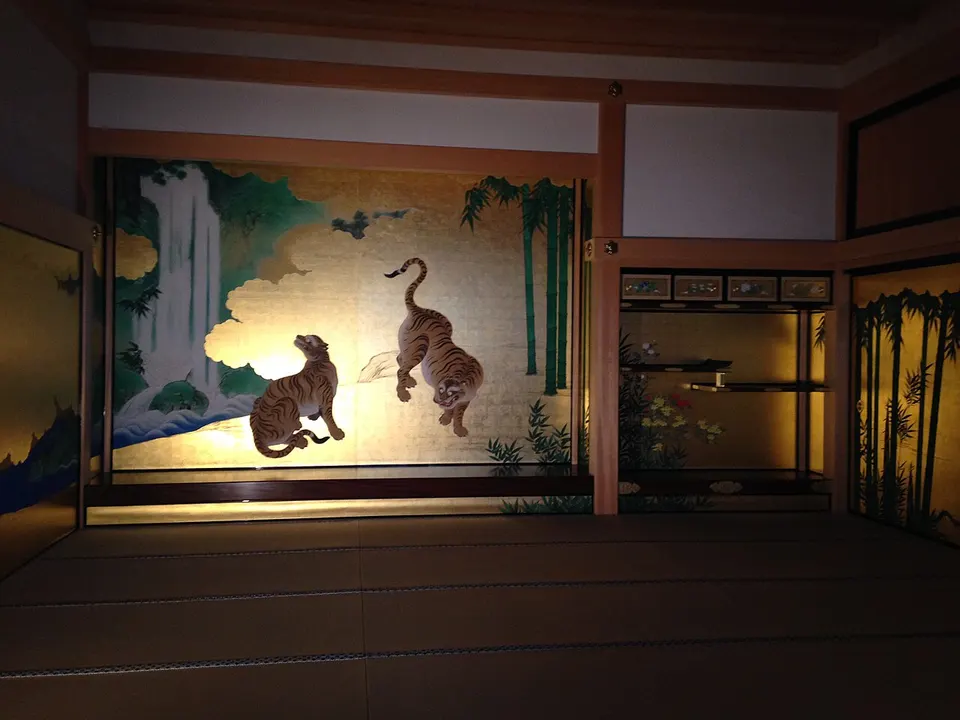
Built for Tokugawa Ieyasu in 1612, crowned with golden 'shachihoko' fish. The concrete main keep has been closed since 2018 over earthquake safety, and its wooden reconstruction won't finish before 2032 — you cannot go inside. Instead see Hommaru Palace, faithfully rebuilt in 2018 with gold-leaf painted rooms, plus the walls, turrets and gardens. Especially beautiful at cherry blossom time.
Like a well-travelled friend for a first-timer: before you go, landing, SIM, transport, money, food, safety, manners, apps, leaving — step by step.
🧳Before you goNagoya suits families: Ghibli Park, Legoland, the railway museum, the aquarium. Ghibli Park tickets must be bought over a month ahead, so start your planning there.+
1
Visa: JAPAN eVISA (VFS Global)
Mongolian citizens need a Japanese visa. Residents of Mongolia apply online for a JAPAN eVISA through VFS Global: a single-entry tourist visa for up to 90 days, fee 357,000₮ (≈¥15,000) since 29 June 2026, five times the old rate (multiple-entry 714,000₮), plus a 55,000₮ VFS service charge, about 5 working days. Transit visas are no longer issued. Your passport must be valid for more than 6 months; attach a return ticket and hotel booking.
Tip: If you connect in Seoul, check Korea's transit rules too; if you stay airside you usually need no visa.
Tickets are sold only in advance online — via Lawson Ticket or Klook — in your name; nothing is sold at the gate. Each month goes on sale two months ahead (e.g. December on 10 October at 14:00). Premium (5 areas) costs ¥7,300 for adults on weekdays and ¥7,800 on weekends; children half price. Show your passport at entry.
Tip: Entry to Ghibli's Grand Warehouse is at the time printed on your ticket — don't be late.
Before flying, enter your passport, flight and hotel on Visit Japan Web and fill in the immigration and customs declarations; on arrival you scan the QR code. Customs strictly bans meat and meat products (borts, sausages). Travel insurance is a must.
🛬Landing and getting into townChubu Centrair (NGO) sits on an artificial island in Ise Bay; the Meitetsu train is the easiest way into the city.+
1
Meitetsu μ-SKY train
The all-reserved μ-SKY reaches Meitetsu Nagoya Station in ~30 minutes for ¥1,430 (base fare + μ-ticket). An ordinary express takes ~45 minutes for ¥980. The Japan Rail Pass is not valid on Meitetsu. Meitetsu Nagoya is right next to JR Nagoya Station.
Direct buses to Sakae and Fushimi take ~55 minutes for ¥2,000. A taxi takes ~50 minutes and costs around ¥18,000 — only worth it for families landing late with lots of luggage.
Fly MIAT to Tokyo, then take the Tokaido Shinkansen Nozomi from Tokyo Station to Nagoya in ~100 minutes, about ¥11,000 for a reserved seat. Nozomi needs a supplement with the Japan Rail Pass; Hikari and Kodama are covered.
If your phone supports eSIM, buy and install one from Airalo, Ubigi or Japan Wireless before the flight: a 7-day 1–3 GB plan costs about $4–8, a 30-day 10 GB plan about $16–18. It works the moment you land.
Tip: Ghibli Park tickets arrive as a QR code on your phone — save a screenshot in case you're offline.
Centrair's arrivals hall has tourist data-SIM counters, vending machines and pick-up points; show your passport. Japanese tourist SIMs are usually data only, no calls. In the city, electronics stores such as Bic Camera also sell them.
🚇Getting aroundNagoya's 6-line subway, the Aonami Line (SCMAGLEV, Legoland), Meitetsu (Inuyama) and the Linimo maglev (Ghibli Park) cover everything.+
1
IC cards and day passes
Pay for the subway, buses and trains with a manaca or Suica IC card. The subway and city bus 1-day ticket costs ¥870 (children ¥430); on weekends, holidays and the 8th of each month the 'Donichi Eco Kippu' costs ¥620 (children ¥310) — it also covers the Me-guru sightseeing bus that loops the main sights.
For Ghibli Park, take the Higashiyama subway from Nagoya Station to Fujigaoka, then the Linimo maglev to Ai-Chikyuhaku-Kinen-Koen, ~50 minutes in all. Inuyama is ~30 minutes from Meitetsu Nagoya, from ¥630.
Tip: The SCMAGLEV museum and Legoland sit side by side at Kinjo-futo, the Aonami Line terminus — combine them in one day.
Japan only recognises international driving permits issued under the 1949 Geneva Convention; Mongolia is a party to the 1968 Vienna Convention instead, so a Mongolian licence or a Mongolian-issued international permit cannot be used to drive or rent a car in Japan. Use trains, the subway and taxis.
💳Money and taxes+
1
Cash and cards
Department stores, chain restaurants, transport and museums take cards, but small stalls in Osu, temples and some restaurants are cash only. Withdraw yen with a foreign card at Seven Bank ATMs inside 7-Eleven stores or at post office ATMs.
Tourists spending over ¥5,000 in one shop on one day are exempt from the 10% consumption tax. From 1 November 2026 you pay the full price in the shop and claim the refund at the airport before departure — keep your receipts.
🍜Food'Nagoya meshi' — Nagoya's own dishes, built on red miso, sweet-savoury sauces and fried food.+
1
Hitsumabushi
Grilled eel (unagi) on rice, eaten three ways: first as it is, then with herbs and wasabi, and finally with broth poured over. At the most famous place, Atsuta Horaiken, it's around ¥4,950; queues are long, so arrive before opening.
Miso katsu is a fried pork cutlet under thick red miso sauce (the Yabaton chain). Tebasaki are peppery, seasoned fried chicken wings (Sekai no Yamachan and Furaibo izakaya). Also try kishimen flat noodles, miso nikomi udon and the breakfast 'morning' — order a coffee and get toast and an egg free.
Tip: No tipping in restaurants; the Esca underground mall at Nagoya Station has every Nagoya meshi in one place.
Nagoya's summer is among Japan's hottest and most humid: with children carry hats, water and salt, and spend the middle of the day indoors. Typhoons cancel trains and flights, so leave a spare day at the end of the trip.
In an earthquake, get under a table and protect your head; follow official phone alerts. If you fall ill, call your insurer's assistance line first; find English-speaking clinics on JNTO's site.
At a Shinto shrine, bow twice, clap twice and bow once. You take your shoes off inside Hommaru Palace — wear clean socks. Keep your voice down at sacred sites and don't take photos where it's forbidden.
2
On transport and in the street
No phone calls on the subway and trains, and keep your voice low. On escalators in Nagoya, stand on the left. Queueing and letting passengers off first are strict rules. There are almost no bins on the street: carry rubbish back to your hotel.
3
In restaurants
No tipping — it can even cause offence. Many places take orders through a ticket machine. Don't stand chopsticks upright in rice or pass food chopstick to chopstick (funeral customs).
📱Useful apps+
1
Route planning
Google Maps shows subway, train and bus times and platforms precisely in Japan. For Shinkansen and Meitetsu timetables and fares, Japan Transit Planner (Jorudan) is more detailed.
Ghibli Park tickets are easiest to buy in English through the Klook app. Legoland tickets are cheaper online on the official site than at the gate. Google Translate's camera mode translates menus.
The μ-SKY from Meitetsu Nagoya takes ~30 minutes to the airport. For an international flight connecting in Incheon, plan to be at the airport 2.5–3 hours before. Centrair's 'Sky Deck' and FLIGHT OF DREAMS (a Boeing 787 exhibition) are fun for children.
Since 1 July 2026 Japan's International Tourist Tax on departure is ¥3,000 — it is included in the ticket price. From 1 November the tax-free refund is collected at the airport before the flight — keep receipts and carry the goods unopened.
AI answer: double-check anything beyond our researched facts with an official source.
Culture
Free; Kusanagi-kan museum ¥500
Grounds 24 hours; museum 9:00–16:30
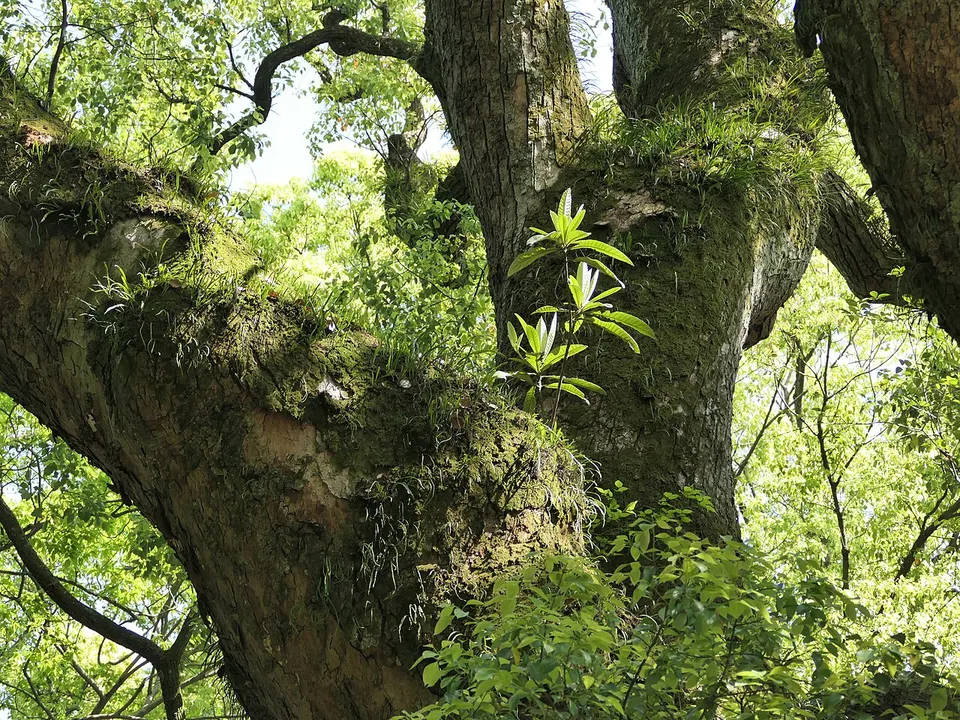
One of Japan's most sacred Shinto shrines, said to keep the Kusanagi sword, one of the three imperial regalia (never shown to the public). A quiet shrine complex in a forest with giant camphor trees over 1,000 years old. Atsuta Horaiken, famous for Nagoya's hitsumabushi, is right next door.
Behind the red Buddhist temple of Osu Kannon are covered arcades with over 1,200 shops and food stalls: second-hand clothes, anime, electronics, games and street snacks (takoyaki, karaage, taiyaki). An antiques market fills the temple grounds on the 18th and 28th of each month. Good for a walk even on rainy days.
Toyota Commemorative Museum of Industry and Technology★ 4.6 (9,000)
KidsAdults ¥1,000, university ¥500, junior/senior high ¥300, elementary ¥2009:30–17:00 (entry until 16:30); closed Mondays
Tells how Toyota grew from loom-making in its original red-brick Taisho-era factory: working looms, robot demonstrations and the history of car assembly. 'Technoland' is a hands-on hall for children. One stop from Nagoya Station (Sako).
KidsAdults ¥1,000, children ¥50010:00–17:30; closed Tuesdays (open on holidays)
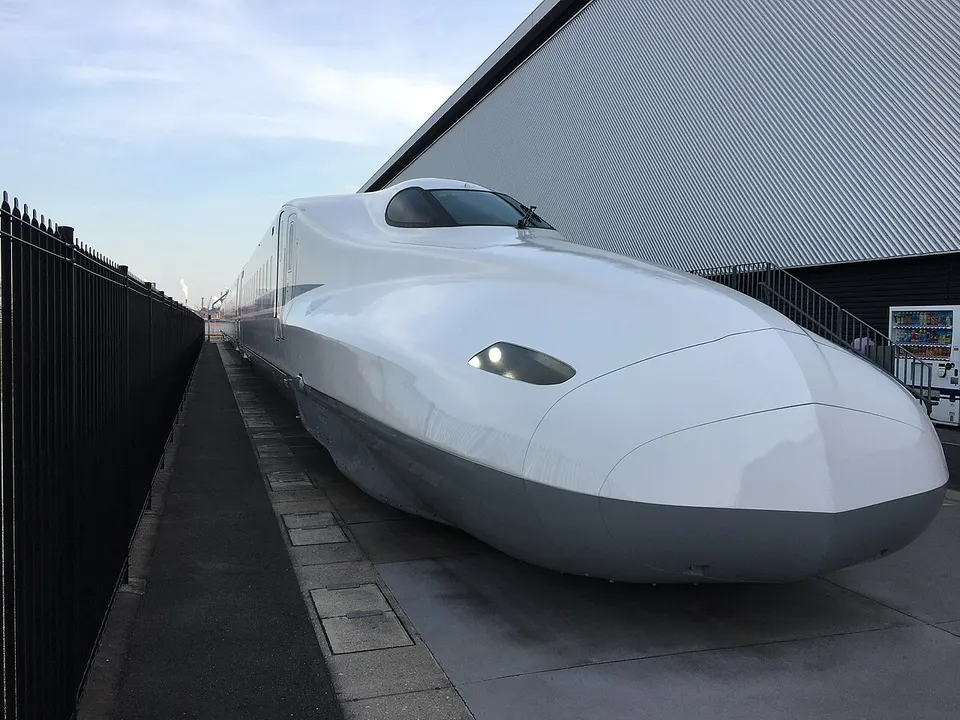
JR Central's railway museum: the maglev test train that set the world record (603 km/h), Shinkansen from the original 0 Series onwards, the yellow 'Doctor Yellow' and a large model railway. A Shinkansen driving simulator (by lottery, extra fee). Half a day for children and train-loving adults alike. At Kinjo-futo Station on the Aonami Line.
Studio Ghibli's park inside the 2005 Expo park in Nagakute: Satsuki and Mei's house from 'My Neighbor Totoro', Ghibli's Grand Warehouse, and the 'Valley of Witches' and 'Howl's Moving Castle' areas. It is not a ride-based theme park but a place to walk into the films' worlds. Tickets are sold only in advance online (Lawson Ticket, Klook) in your name; nothing is sold at the gate — bring your passport.
Kids1-day online: adults from ¥4,900, ages 3–18 from ¥3,700 (varies by date); +¥500 at the gate10:00–18:00 (varies by date); check the calendar for closed days
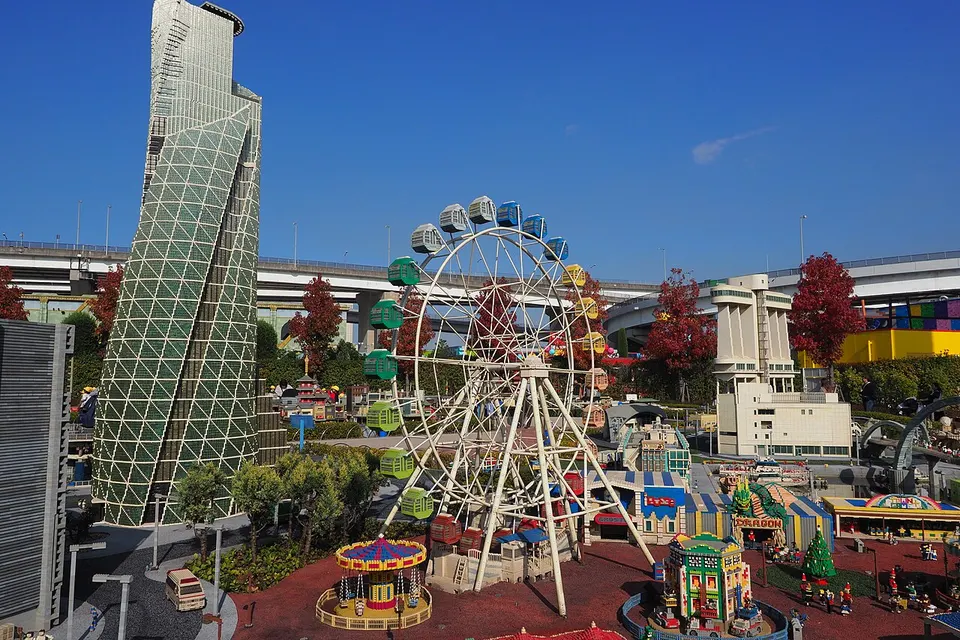
A Lego park with over 40 rides and water play aimed at ages 2–12, a Miniland of Japanese cities built from Lego, and the SEA LIFE aquarium and Legoland Hotel next door. Older children may find it a little young. It's beside the SCMAGLEV museum, so the two combine into one day.
CityMIRAI TOWER observation deck adults ¥1,300, elementary ¥800; Oasis 21 freeTower usually 10:00–21:00; Oasis 21's 'Spaceship-Aqua' roof is lit every evening
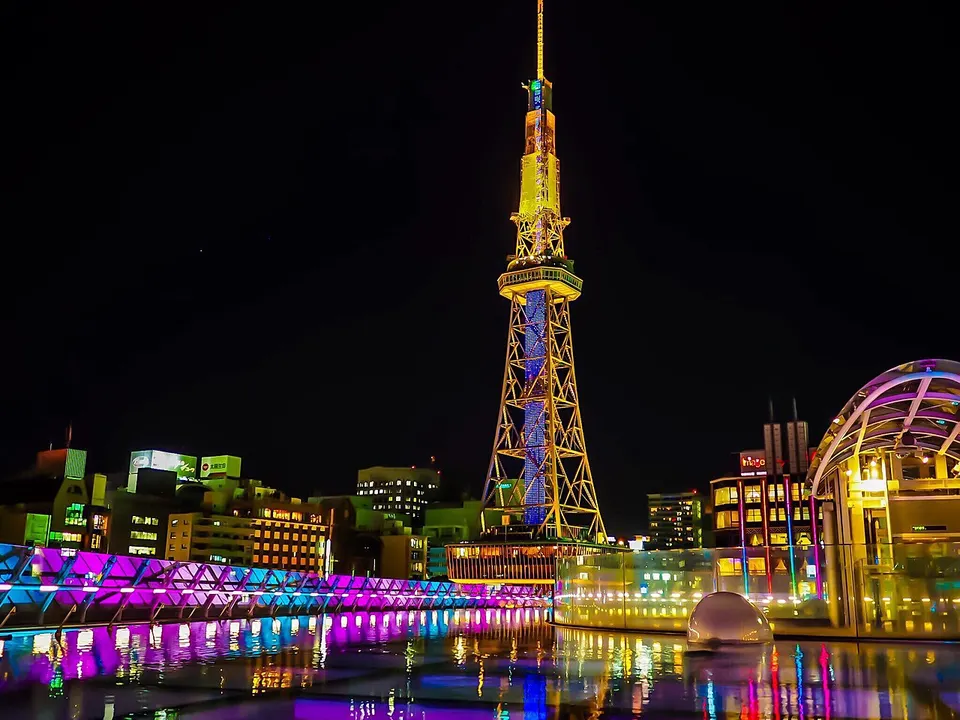
Japan's first TV tower (1954, an Important Cultural Property) in the heart of Sakae, with a 90 m observation deck. Next to it, Oasis 21 is a shopping and bus hub under a glass 'Spaceship-Aqua' roof with water on top — walk around it for the city lights at night. Department stores and restaurants all around.
KidsAdults ¥2,030, elementary/junior high ¥1,010, children 4+ ¥5009:30–17:30 (summer until 20:00, winter until 17:00); closed Mondays (open daily in Jul–Sep and school holidays)
One of Japan's largest aquariums: Japan's biggest dolphin show, orcas, belugas, penguins, plus the Antarctic expedition ship 'Fuji' as a museum. On the harbourfront, 5 minutes from Nagoyako Station on the Meiko Line. With children it can fill a whole day.
Tokugawa Art Museum and Tokugawaen garden★ 4.4 (6,000)
CultureMuseum adults ¥1,600–2,000 (depends on exhibition), high school/university ¥1,000–1,200, elementary/junior high free10:00–17:00 (last entry 16:30); closed Mondays; closed 14 Dec 2026–4 Jan 2027
Over 10,000 heirlooms of the Owari Tokugawa family: samurai armour, swords, tea-ceremony utensils and 9 national treasures — including the 'Tale of Genji' picture scrolls (shown only briefly each year). Next door, Tokugawaen is a Japanese garden with a pond, waterfall and bridges — lovely for late-November leaves and April–May peonies.
Culture¥1,000; ¥2,000 with Urakuen Garden9:00–17:00 (last entry 16:30); closed 29–31 Dec
Built in 1537, one of Japan's 12 castles with an original wooden keep and one of five designated national treasures. Climb steep wooden stairs to the fourth floor and walk the balcony above the Kiso River. The old town below the castle has dango and grilled snacks. About 30 minutes from Nagoya by Meitetsu train.
CityFree, no reservationUsually Mon–Sat 9:30–17:00; closed Sundays and holidays — check its X account
Toyota's showroom next to its head office: new and concept cars, hydrogen technology and robots; a new 'TOYOTA's Creative Carmaking' area opened on the 2nd floor on 5 June 2026. Note: factory tours have been suspended since 2021 and no bookings are taken — there is an online virtual tour instead. About 1 hour from Nagoya by train.