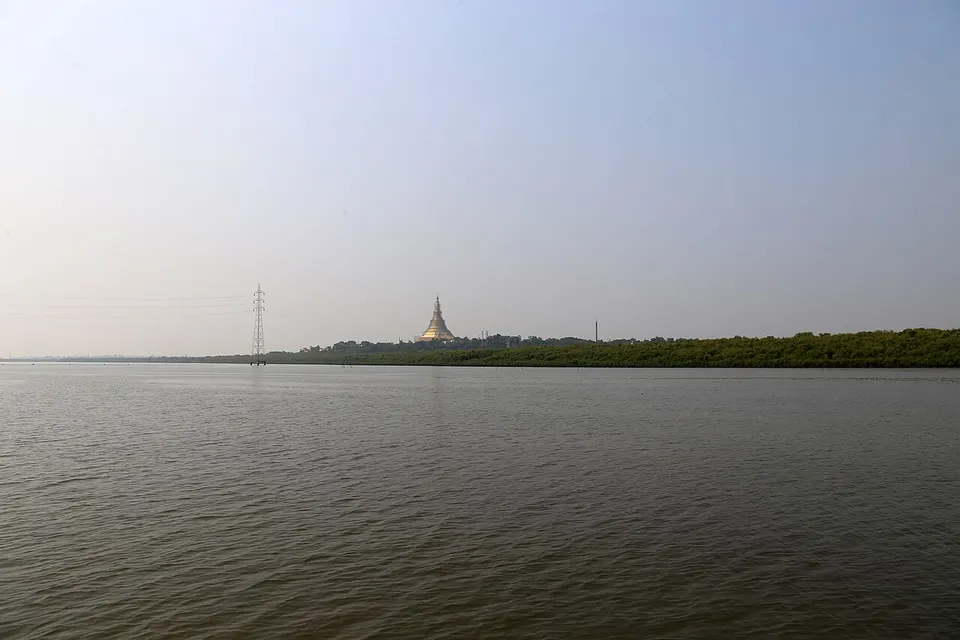
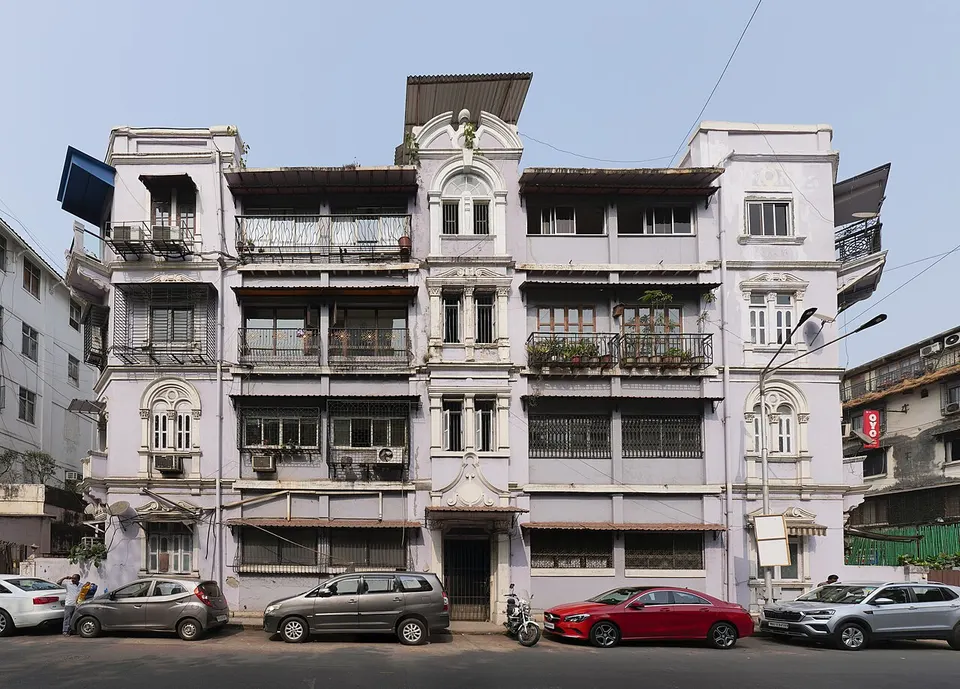
India's financial and Bollywood capital, a megacity of 20 million on the Arabian Sea: the Gateway of India, the UNESCO-listed Chhatrapati Shivaji Terminus, the rock-cut temples of Elephanta Island and evenings on Marine Drive. For Mongolian Buddhists the 2,000-year-old Buddhist monastery caves of Kanheri and the Global Vipassana Pagoda at Gorai are of special interest. There is no direct flight from Ulaanbaatar — fly Hunnu Air to Delhi, then about 2 hours on a domestic flight; the e-visa is free for Mongolian citizens.
Sign in to keep the plan — you'll continue right after.
5 days in Mumbai for 2 cost ~5.4M₮ per person. Flights, mid-range stay, food, local transport and sights included, at December prices. Flights and stay alone: ~4.8M₮. From Ulaanbaatar with a change, ~11 h. Visa: e-Visa · 30 days.
Orange — daytime average, blue — night, grey bars — rainfall, green — sea temperature. Best months: November, December, January, February.
Mongolian citizens with an ordinary passport are eligible for India's e-Tourist Visa; India's official fee table lists the fee for Mongolian citizens as zero for the 30-day, 1-year and 5-year options (bank charges may apply). The 30-day visa is multiple-entry and non-extendable; the 1- and 5-year visas are multiple-entry with a maximum of 180 days per calendar year. Apply at indianvisaonline.gov.in at least 4 days before arrival and check that the ETA shows 'GRANTED'; fingerprints are taken on arrival. Since October 2025 all foreigners must fill in the online e-Arrival card within 72 hours before arrival. A regular visa can be applied for at the Embassy of India in Ulaanbaatar.
Visa rules can change — confirm with the embassy or an official source before you travel.
Language: Marathi (the state language), Hindi and English; English is widely understood in hotels, restaurants, the metro and tourist sites, and basic English is enough for taxis and rickshaws; the script is Devanagari
Safety: The UK FCDO rates the terrorism risk in India as high — Mumbai was attacked in 2008, so stay alert in crowded places, stations and hotels. Rush-hour local trains are extremely crowded and pickpocketing is common; the doors stay open, so don't stand next to them. Monsoon downpours from June to September flood streets and railway tracks and halt transport — follow weather warnings and don't wade through floodwater. Stomach infections from street food, water and ice are common. Women should avoid going out alone at night and use app taxis. The UK FCDO advises against travel to Jammu & Kashmir, the border areas with Pakistan and Myanmar, and Manipur.
Like a well-travelled friend for a first-timer: before you go, landing, SIM, transport, money, food, safety, manners, apps, leaving — step by step.
Apply at indianvisaonline.gov.in at least 4 days before arrival. For Mongolian citizens the fee for the 30-day, 1-year and 5-year options is 0 (a bank charge may apply). The 30-day visa is multiple-entry and cannot be extended. Upload a photo on a white background and a scan of your passport page; check that the ETA says 'GRANTED' and print it. Your passport must be valid for over 6 months with 2 blank pages.
Tip: Use only the .gov.in site — look-alike private sites charge for a visa that is free.
0–5 scores are our team's rating relative to Asian holiday destinations (sources below).
5 days for 2: ~11M₮ in total, ~5.4M₮ per person. Per person that is ~4M₮ for the flight, ~812k₮ for the stay and ~135k₮ for food.
Yes, an e-visa you apply for online. You can stay up to 30 days. Checked Oct 3, 2026.
November, December, January, February. Daytime 31–34°C in those months.
From Ulaanbaatar with a change, ~11 h. Flown by Hunnu Air, IndiGo, Air India.
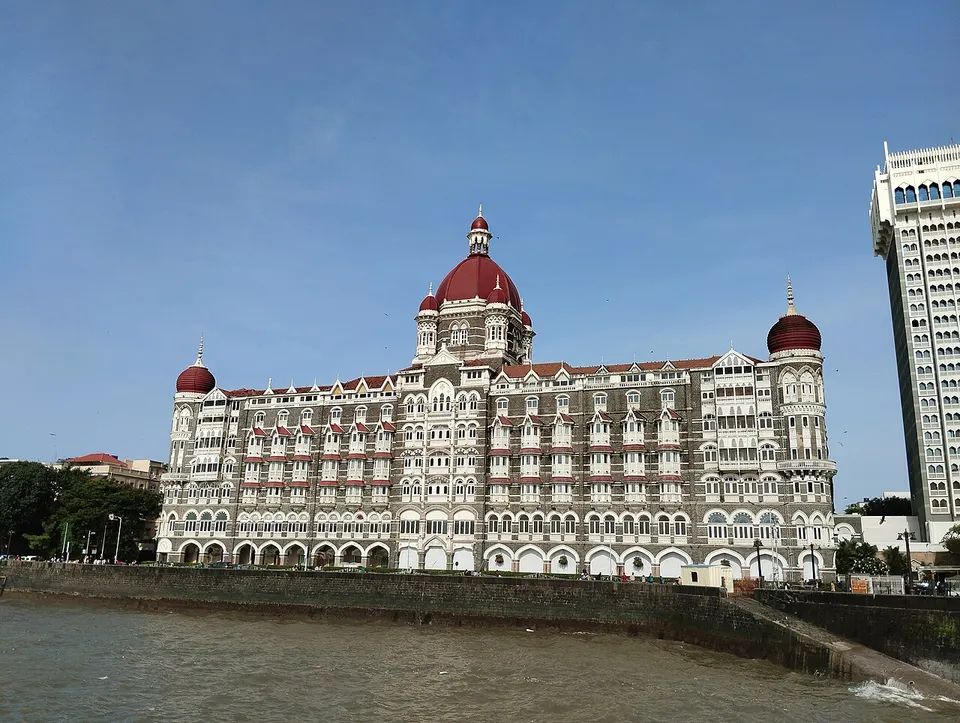
🧸 for kidsA 26 m basalt arch built in 1924 to welcome the British king, and the symbol of Mumbai. Next door is the 1903 Taj Mahal Palace hotel — you can have tea or take photos in the lobby. Boats to Elephanta Island leave from here. Crowded in the evening, so keep children close.
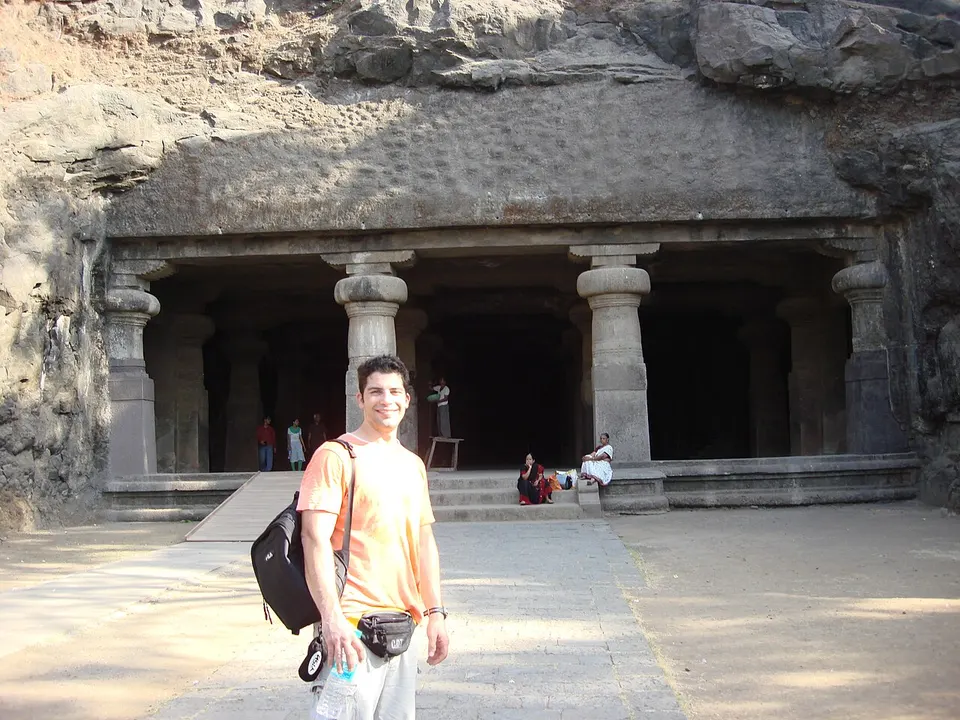
🧸 for kidsA UNESCO site: 5th–7th-century rock-cut cave temples to Shiva with the 6 m three-faced Maheshmurti sculpture. About an hour by boat from the Gateway of India, then around 120 steps up on the island (palanquins and a toy train are available). Monkeys grab food. Allow at least half a day.
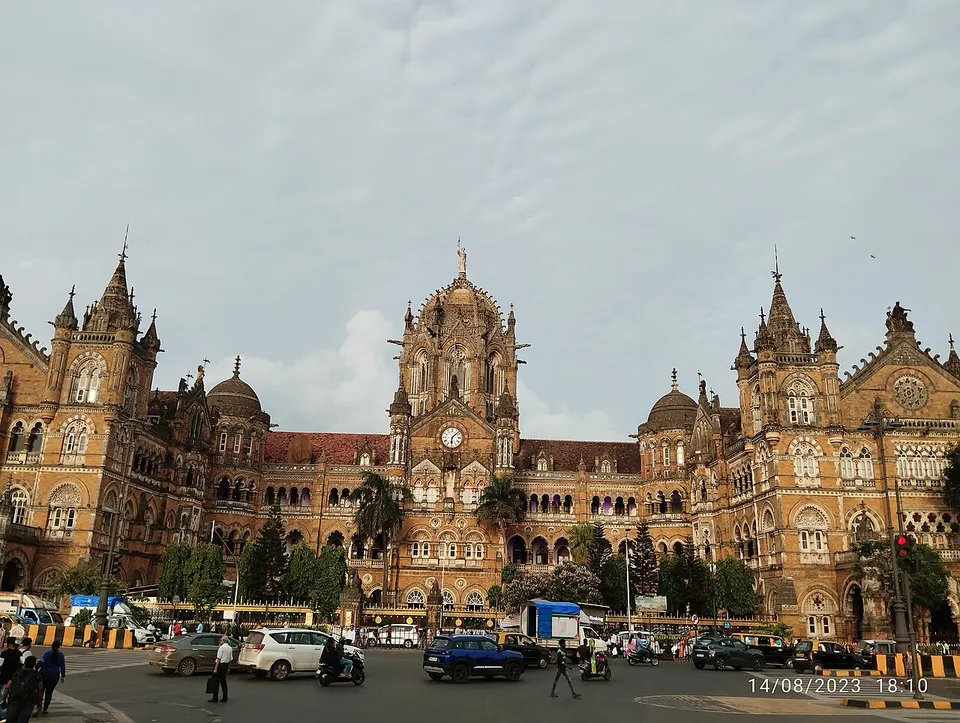
🧸 for kidsAn 1888 Victorian Gothic railway station and UNESCO site — still used by over a million passengers a day. Inside is a heritage museum; book the guided tour in advance. Loveliest when lit up in the evening. Crawford Market (1869) is nearby.
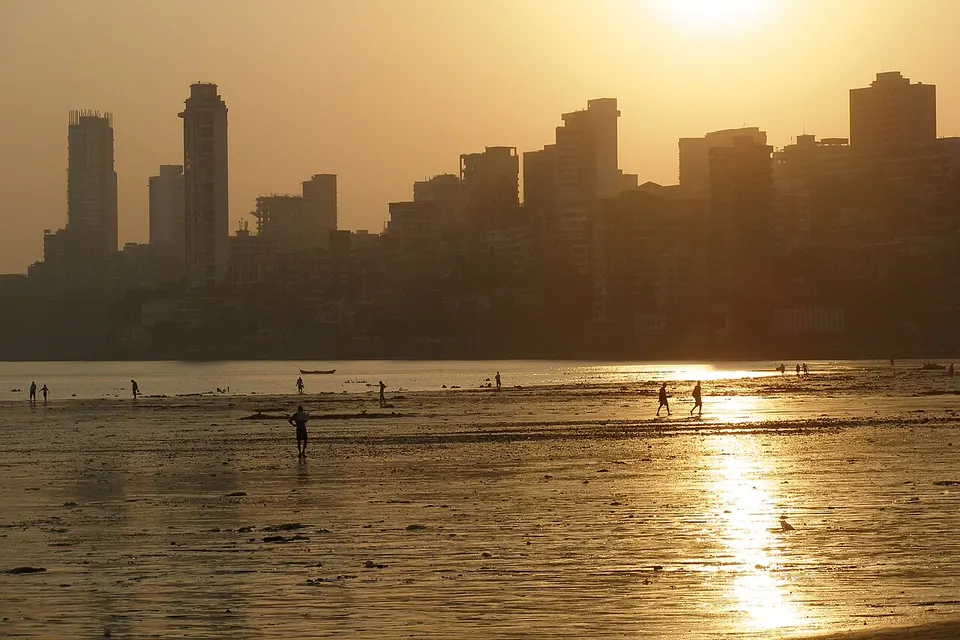
🧸 for kidsA 3.6 km curving seafront boulevard whose lights at night look like the 'Queen's Necklace'. At sunset the whole city strolls here. At the northern end, Girgaon Chowpatty beach serves bhel puri, pav bhaji and kulfi; don't swim (dirty water and currents).
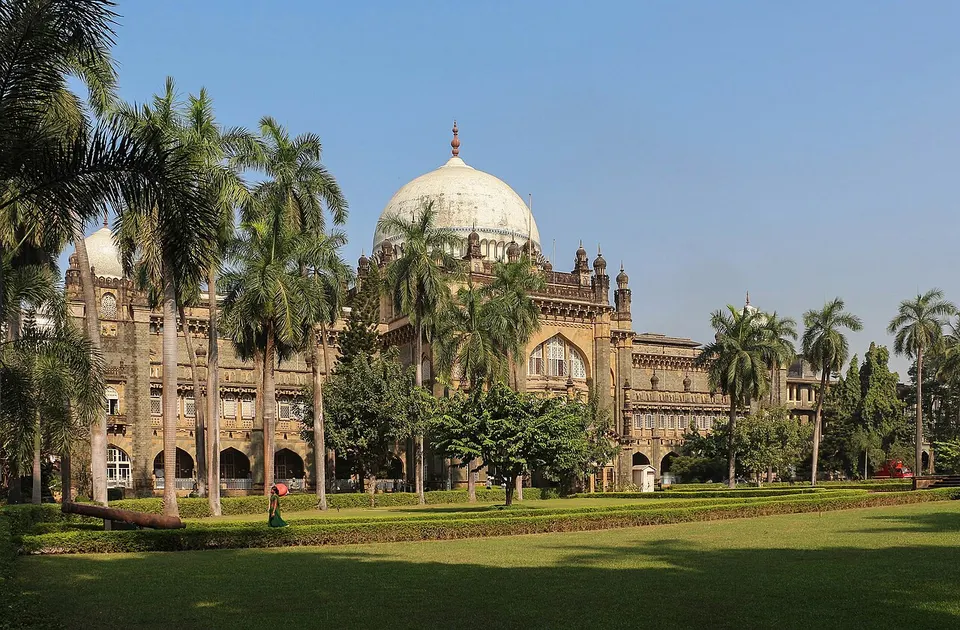
🧸 for kidsThe former Prince of Wales Museum: an Indo-Saracenic building with Indus Valley finds, Buddhist sculpture, Mughal miniatures and a Tibetan and Nepalese collection. It has a children's section and a shady garden.
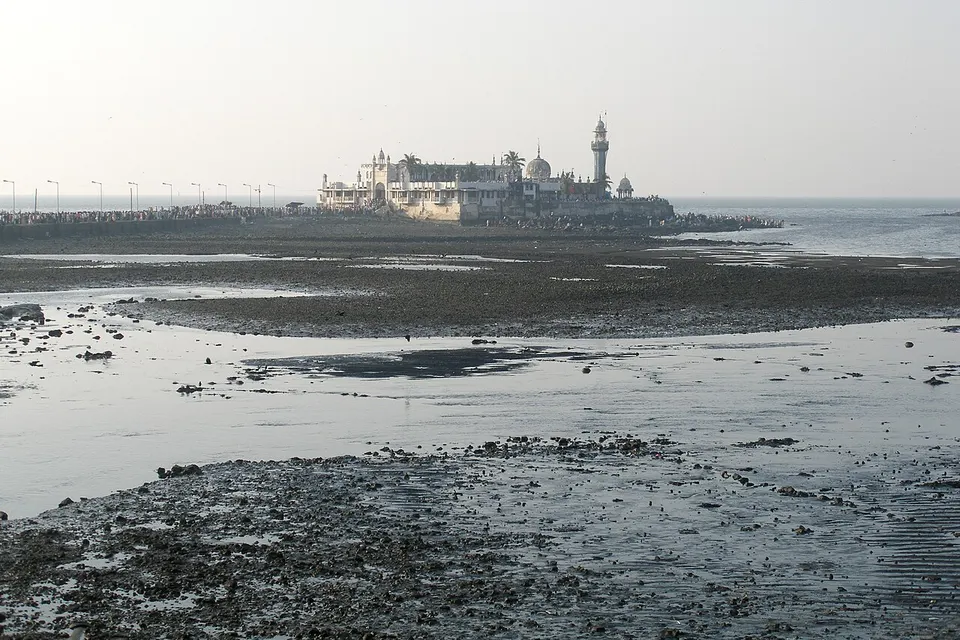
🧸 for kidsA white 15th-century Muslim shrine reached by a 500 m causeway through the sea; at very high tide the path can be submerged. Near Mahalaxmi station is Dhobi Ghat, an open-air laundry where over a thousand washermen wash clothes by hand — view it from the bridge.
🧸 for kidsSee the 5.6 km cable-stayed bridge from the Bandstand seafront promenade; the 17th-century Portuguese Bandra Fort and Bollywood stars' homes (Shah Rukh Khan's 'Mannat') are nearby. Bandra itself has cafés, street art and the Hill Road shops.

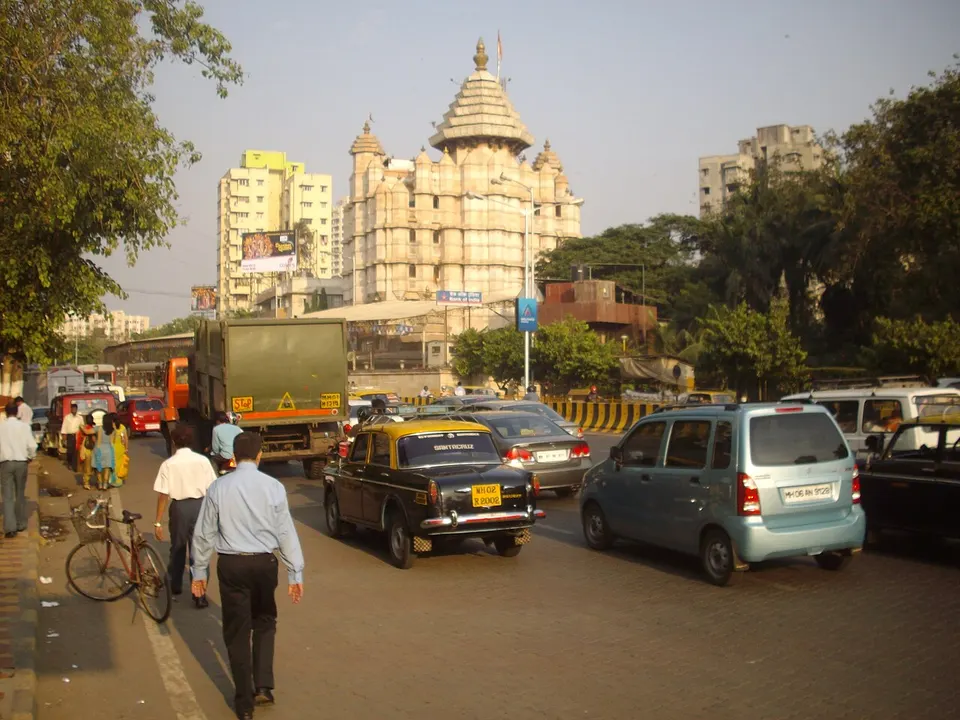
Mumbai's most famous Hindu temple, dedicated to Ganesh and visited by Bollywood stars and politicians. Queues are long and security is strict — bring as few bags and devices as possible. Remove your shoes.
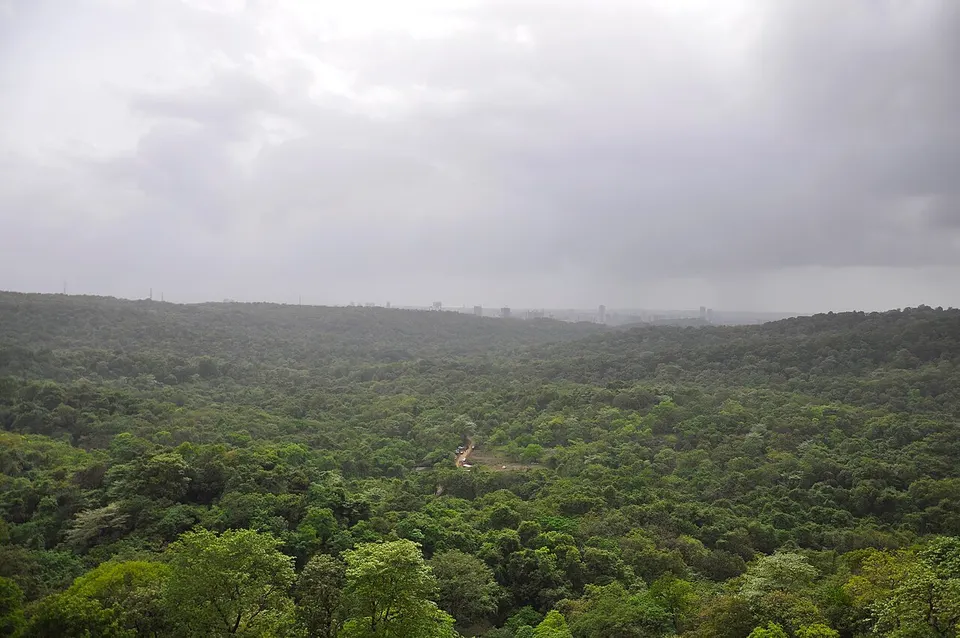
🧸 for kidsOver 100 Buddhist caves in forest inside the city, used from the 1st century BC to the 10th century AD — monks' cells, stupas and 7 m standing Buddhas. Of special interest to Mongolian Buddhists. About 6 km by bus or car from the park gate. Bring water and a hat; beware of monkeys.
🧸 for kidsA golden pagoda modelled on Myanmar's Shwedagon, with the world's largest stone dome built without pillars; inside are a meditation hall for 8,000 people and relics of the Buddha. You can join a free 10-minute meditation. Reach it by ferry across Gorai Creek from Borivali or by road; the EsselWorld amusement park is next door.
Dadasaheb Phalke Film City in Goregaon, where Bollywood films and TV series are shot. Entry is only on an organised bus tour: sets, a mock village and a dance show, and with luck a live shoot. Visitors may not leave the bus to wander alone.
🧸 for kidsBargain for clothes, jewellery and souvenirs at Colaba's street market, with famous cafés such as Leopold Café and Café Mondegar. To the north, the 1869 Crawford Market (Mahatma Jyotiba Phule Market) sells fruit, spices, dried fruit and homeware. Open at about half the asking price; watch for pickpockets.
Healthcare: Private JCI-accredited hospitals offer international standards: Kokilaben Dhirubhai Ambani (Andheri), Lilavati (Bandra), Breach Candy and Bombay Hospital (South Mumbai) — English-speaking but expensive, so insurance is essential. Dengue and leptospirosis rise during the monsoon; use mosquito repellent and drink only bottled water.
Phone: Mobile operators have counters in the Terminal 2 arrivals hall at Mumbai airport; you need your passport, a visa copy and a photo, and activation takes a few hours. Both Jio and Airtel issue SIMs to foreigners via eKYC; an international eSIM is easier.
Since October 2025 every foreigner fills in the e-Arrival card online or in the 'Indian Visa Su-Swagatam' app within 72 hours before arrival: passport, flight and hotel address. If you connect in Delhi, enter Delhi airport as your first point of arrival in India.
There is no direct flight: take Hunnu Air's Monday UB–Delhi flight and a domestic flight on to Mumbai, or connect with MIAT via Hong Kong or Bangkok. Floods and flight delays are common in the June–September monsoon, so go November–February. Get insurance that covers medical care and flight delays.
If you connect in Delhi, you clear immigration there, collect your bags and check in again at the domestic terminal. Arriving via Hong Kong or Bangkok, show your printed ETA and passport at Mumbai T2 and give your fingerprints.
There is a metro station beneath T2: the Aqua Line runs traffic-free to CSMT, Churchgate and Cuffe Parade (Colaba) for ₹10–80. Domestic Terminal 1 also has a metro station. With lots of luggage, take a prepaid taxi or Uber.
Tip: The new Navi Mumbai airport (NMI) is far from the centre — when booking the domestic leg from Delhi, check whether it lands at BOM or NMI.
There are operator counters in the T2 arrivals hall and many official Airtel and Jio stores in the city: you need your passport, visa and a photo, and activation takes a few hours. If you connect in Delhi, you can buy one at Delhi airport.
If your phone supports eSIM, an international eSIM (e.g. Airalo) installed before you fly needs no paperwork. Without an Indian number, some apps cannot send you OTP codes.
The Aqua Line links the airport, Siddhivinayak, Churchgate, CSMT and Colaba. The 'Mumbai One' app gives you one QR ticket for metro, trains and buses.
The city's lifeline: cheap and fast but extremely crowded at rush hour. Buy a first-class or air-conditioned ticket; there are women-only carriages. Avoid rush hour and don't stand by the doors.
Tip: For Kanheri and the Vipassana Pagoda, take the Western line from Churchgate to Borivali.
Uber and Ola show the fare upfront. Black-and-yellow taxis are metered — insist the meter is switched on. Auto-rickshaws only operate in the northern suburbs (from Bandra north), not in South Mumbai.
The currency is the Indian rupee (INR). Bank ATMs are plentiful in the city; foreign cards are charged a fee. Markets, street food and taxis need cash, so carry small notes.
Almost everywhere in India pays by QR code (UPI). Foreign visitors can open a UPI One World wallet with their passport and visa, top it up with a foreign card and pay by scanning QR codes; the unused balance can be refunded.
Elephanta Caves cost foreigners ₹600 (₹550 cashless), plus ~₹260 for the return boat. The CSMVS museum is ₹700, children ₹200. Many temples, the seafront and the markets are free.
Vada pav (Mumbai's 'burger'), pav bhaji, bhel puri, seafood curries, and chai with bun maska in the old Irani cafés. Most food is spicy — say 'less spicy'. Vegetarian places are everywhere.
Drink only sealed bottled water; be careful with ice, raw salads and the water in pani puri. Eat street food where it is busy and cooked in front of you. Carry stomach medicine and oral rehydration salts.
Tip: With children, eat mostly at hotel and chain restaurants.
June–September downpours flood streets and railway tracks and halt transport. On red-alert days stay in your hotel and never wade through floodwater (leptospirosis).
Pickpocketing is common on local trains, at Colaba Causeway, Crawford Market and temple queues: keep your phone and wallet in a front pocket. Women should avoid going out alone at night and share app-taxi trips.
Emergency (police, ambulance, fire) 112; tourist helpline 1800-11-1363. The terrorism risk is high, so stay alert in crowded places.
Remove your shoes and cover shoulders and knees at temples, shrines and pagodas; cover your head at Haji Ali. Don't take photos during worship, and keep silent at the Vipassana Pagoda.
Use your right hand to eat and to hand over money. Greet with 'Namaste' and palms pressed together. Avoid public displays of affection.
Bargaining is normal at Colaba and Crawford Market; don't haggle in fixed-price shops. In restaurants, leave a small tip if service isn't included.
Mumbai One — QR tickets for metro, trains and buses; Uber, Ola — taxis and rickshaws; IRCTC Rail Connect — long-distance trains; Indian Visa Su-Swagatam — e-Arrival card.
Find restaurants and order food with Zomato and Swiggy (an Indian number may be needed). In the monsoon, check the India Meteorological Department (IMD) warnings.
Tickets and passports are checked at the terminal door, so have your ticket ready. If connecting in Delhi, flying Mumbai–Delhi the day before Hunnu Air's Monday morning departure is the safe choice. Allow for traffic and take the metro or an early taxi.
Rupees are hard to exchange outside India — spend them or change them back at the airport. Refund your UPI One World balance to your card. Overstaying your visa means a fine and an exit ban.
Checked by a person: 2026-10-03
Answers come from the researched facts and the guide. When it doesn't know, it says so — nothing is made up.
Sign in to ask. Sign in →
The Haashaa assistant answers from our researched facts. Double-check anything beyond them with an official source.
Estimated values: attractions[].rating, attractions[].ratingCount, bestMonths, cost.attractionAvgUsd, cost.groceriesDayFamilyUsd, cost.localTransportDayUsd, cost.lodgingNightUsd, cost.mealCheapUsd, cost.mealMid2Usd, flights.routes[0-3].hours, flights.rtUsdPerAdult, scores, weather[].lo, weather[].seaC
Visa: not needed
Estimates: flights — the month's cheapest cached fare, else the researched average; stay — mid-range; food — mix of cooking and eating out; sights — tickets for the best-rated places. $1 = 3,607.00₮
Your first trip's full plan is free — day-by-day schedule, map, sight tickets, flight & hotel comparison
We e-mail you when the fare from Ulaanbaatar to Mumbai drops to your price.
Sign in to set up an alert. Sign in →
Some links are partner links. You pay nothing extra, but Haashaa? may earn a commission.
Typical prices for food, taxis, groceries and rent, with low–high ranges. $1 = 3,607.00₮ · $1 = 93 INR
| Item | Low | Average | High | Source |
|---|---|---|---|---|
| Inexpensive restaurant meal · 1 person | — | 13k₮ | — | |
| Mid-range restaurant, 3 courses · 2 people | — | 79k₮ | — | |
| Groceries — family, per day · 5 people | — | 58k₮ | — | |
| Taxi/Grab — per day · typical | — | 22k₮ | — | |
| Attraction ticket · adult | — | 18k₮ | — |