Morocco's 'red city': the night market on Jemaa el-Fnaa, souk lanes in a thousand-year-old medina, the blue Majorelle Garden, palaces and madrasas. From here you reach the Atlas Mountains (Imlil), the stony Agafay desert, Aït Benhaddou, the Sahara dunes at Merzouga and seaside Essaouira. No direct flights — one stop via Istanbul or Frankfurt. Mongolian citizens need a visa; with a valid multiple-entry Schengen/US/UK visa you can get an e-visa online.
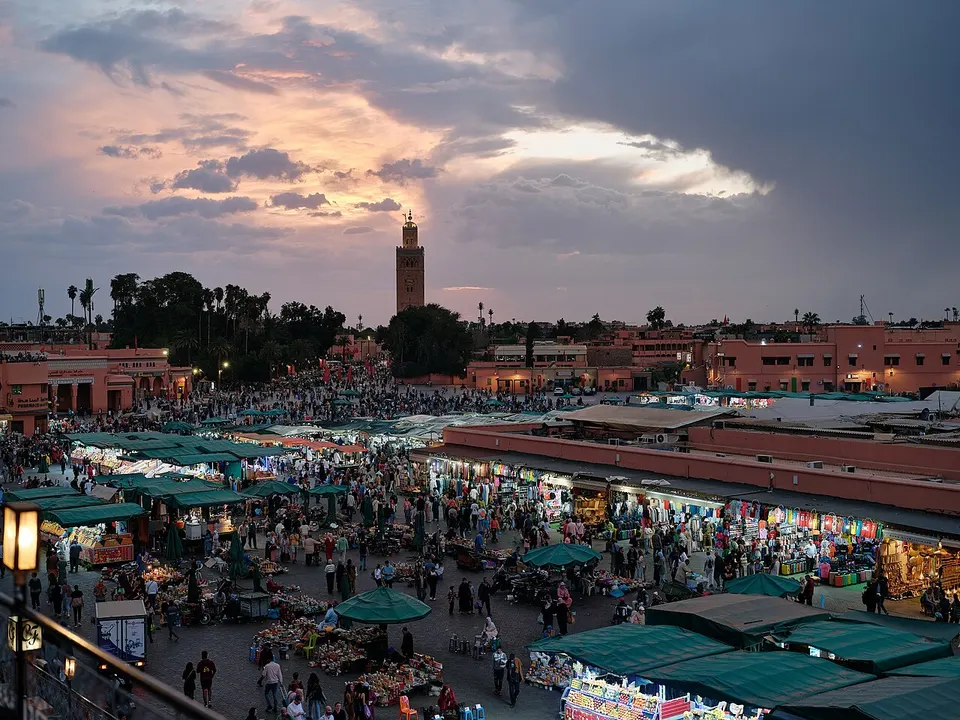
The medina's central square, on UNESCO's intangible heritage list: orange juice and henna by day, food stalls, storytellers and musicians at night. Snake charmers and monkey handlers demand money for photos — decline. Watch the sunset from a rooftop café.
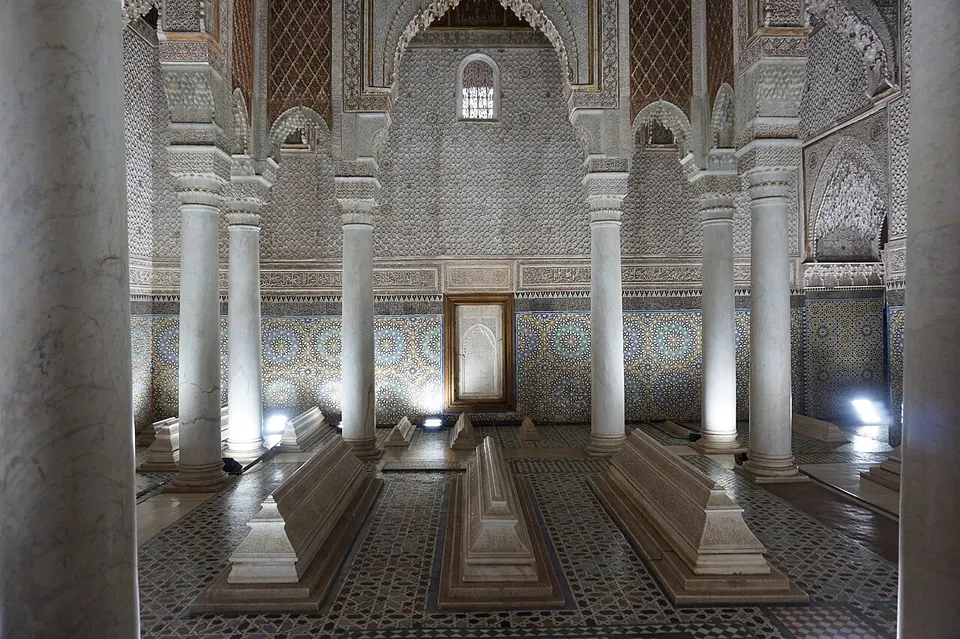
The 16th-century Saadian royal tombs — marble and carving in the 'Hall of Twelve Columns'. It is small, so a queue forms to see the main hall; go early.
📷
Photos
5 photos
1 / 5
✈️
Flights (from UB)
With a stop · 17 h · $1100–$1900
MIAT + Turkish Airlines · IST19 h
MIAT + Lufthansa · FRA17 h
Emirates + Royal Air Maroc · DXB/CMN26 h
Adult return fare: $1100–$1900On a single ticket via Istanbul your bags go straight through and no Schengen visa is needed. Via Frankfurt on one ticket (MIAT + Lufthansa) you can stay airside, but with a separate ticket such as Ryanair you clear immigration and collect bags, so a Schengen visa is required. Marrakech is 7 hours behind UB (8 hours during Ramadan). Christmas, New Year, spring break and October are expensive.
🛂
Visa and documents
Visa required · 30 days · $78 · language, safety, medical, SIM
Visa required · 30 days · $78
Mongolian ordinary passport holders need a visa for Morocco: Mongolia is not on the visa-free list or the passport-only e-visa list (category A). However, with a MULTIPLE-entry Schengen, US, UK, Irish, Canadian, Australian, Japanese, Norwegian or New Zealand visa valid 90+ days from the application date (category C), or a residence permit from the EU, US, UK, Canada, Australia, Japan, Norway, New Zealand, UAE or Switzerland valid 180+ days (category B), you apply online at acces-maroc.ma: single entry, up to 30 days, valid 180 days; fee 770 MAD (~$78, 72 h) or express 1,100 MAD (24 h). Without such a visa, apply for a paper visa at a Moroccan embassy (none in Ulaanbaatar; the nearest is Beijing). There is no visa-free rule for Mongolians holding a Schengen visa — get the e-visa first. The border may ask for a return ticket, insurance and about €70 a day in funds (or an international card).
Visa rules can change — confirm with the embassy or an official source before you travel.
Language:Arabic (Moroccan Darija), Berber (Tamazight), and widely French; medina, hotel and restaurant staff speak English, taxis and markets lean on French
Safety:Violent crime is rare, but pickpocketing, 'fake guides', people who 'show the way' and then demand money, and wrong-direction scams are common in the medina; agree prices in advance. Women get street comments and unwanted attention — loose clothing covering shoulders and knees. The September 2023 Al Haouz earthquake killed ~3,000 people; Atlas villages have been rebuilt (Imlil and Toubkal are open). Summer heat of 40°C+.
Healthcare:Private clinics (Clinique Internationale de Marrakech, Polyclinique du Sud in Gueliz) take foreign patients, with French/English; public CHU Mohammed VI. Private clinics ask for payment up front, so insurance is a must (the e-visa requires it too).
Phone:Maroc Telecom, Orange, inwi — the arrivals hall gives tourist SIMs (sometimes free) against your passport, which you top up with a data pack. Or an eSIM (Airalo etc.) bought in advance.
🧭
Travel guide
Arrival, SIM, transport, money, customs — step by step
Like a well-travelled friend for a first-timer: before you go, landing, SIM, transport, money, food, safety, manners, apps, leaving — step by step.
🧳Before you goMongolian citizens need a Moroccan visa — first decide which route to the visa you can take.+
1
Visa: e-visa or embassy visa
With a multiple-entry Schengen, US, UK, Irish, Canadian, Australian, Japanese, Norwegian or New Zealand visa valid for 90+ days, apply online at acces-maroc.ma: single entry, 30 days, fee 770 MAD (72 hours) or express 1,100 MAD (24 hours). Without such a visa, apply for a paper visa at a Moroccan embassy (none in Ulaanbaatar; the nearest is Beijing).
Tip: Even a Schengen visa does not let you into Morocco visa-free — get the e-visa in advance.
On a single ticket via Istanbul no extra visa is needed. Connecting in Frankfurt or Paris on one ticket without leaving the airside zone usually needs no Schengen visa; but on a separate low-cost ticket you clear immigration and collect bags, so a Schengen visa is required. Check with the airline before buying.
Get travel insurance covering hospital care and repatriation — the border may ask for it. Print or save on your phone the return ticket, hotel booking, the e-visa and the Schengen/US visa you used to get it.
Tip: During Ramadan (February–March in 2027) many restaurants close by day and museum hours are shorter; the evening iftar is magical, but adjust your plans.
🛬Landing and getting to the cityMenara Airport is a few km from the centre, 20–30 minutes to the medina.+
1
Immigration
Have your passport, printed e-visa (or visa sticker) and return ticket ready. Officers may ask for your hotel address and length of stay. Moroccan dirhams are restricted abroad, so exchange money on arrival at the airport.
ALSA bus 19 runs from the airport to Jemaa el-Fnaa, Gueliz and the train station every 20 minutes (6:00–23:30); a one-way ticket is 30 MAD and includes a free return within 15 days. Pay the driver in cash.
Agree the fare with an airport taxi before getting in. Cars can't reach medina riads, so the taxi drops you at the end of the lane — book a pick-up from your riad (with a porter) and you won't get lost or pay a 'guide'.
Tip: Landing at night? Always book the riad pick-up.
📶Phone and internet+
1
SIM at the airport
In arrivals, Maroc Telecom, Orange and inwi counters hand out tourist SIMs against your passport (sometimes free), which you then top up with a data pack. Every corner shop in town sells top-up cards. Coverage: Maroc Telecom is best in the Atlas and the desert.
If your phone supports eSIM, buy and install a Morocco plan from a service like Airalo at home and you're online when you land. Download the medina in Google Maps offline — GPS drifts in the narrow lanes.
🚇Getting aroundOn foot inside the medina, petit taxis between the medina and Gueliz, trains, buses or tour vans between cities.+
1
Petit taxi
Beige petit taxis run within the city, up to 3 passengers. Insist on the meter or agree the fare before getting in; night rates are higher. The larger grand taxis between towns wait until full before leaving.
Tip: If a driver refuses the meter, take the next one — there are plenty.
2
Trains and buses
ONCF trains run to Casablanca, Rabat, Tangier (on the Al Boraq high-speed line from Casablanca) and Fes. For Essaouira, Ouarzazate and Agadir take comfortable CTM or Supratours buses; buy tickets online or at the station the day before.
Most people go to Imlil, Ourika, Agafay, Aït Benhaddou and Merzouga on group or private tours with a driver. Book through a licensed agency and agree in writing what is included (meals, camel, overnight). The Tizi n'Tichka pass can close with snow in winter.
Taking Moroccan dirhams (MAD) in or out is restricted; travellers may carry up to 2,000 MAD in cash. Bring dollars or euros and exchange at the airport, banks or official bureaux. Keep the receipts — you need them to change leftovers back when leaving.
Restaurants in Gueliz, big shops and hotels take cards; souks, taxis, small cafés and most museums in the medina are cash only. Bank ATMs are everywhere (Attijariwafa, BMCE, CIH) — choose machines inside banks rather than on the street.
Tip: Keep small notes and coins — 'no change' is a common trick.
3
Haggling and tipping
Haggling in the souks is normal: start at around a third of the first price and walk away with a smile if needed. A small percentage of the bill in restaurants, and small tips for porters, guides and drivers are customary.
🍜FoodTagine, couscous, grilled meat, vegetable soups, mint tea — Moroccan food is spiced but not chilli-hot.+
1
Jemaa el-Fnaa food stalls
At sunset food stalls rise on the square: grilled meat, tagine, harira soup, snails. Pick busy stalls with fresh food, order from stalls with a price list and check everything that arrives — unordered bread and sauces get added to the bill.
Tip: Drink bottled water; eat food that is peeled or cooked.
2
What to eat
Tagine (chicken with lemon, beef with prunes), Friday couscous, Marrakech's tanjia — meat slow-cooked in a clay pot in hot ashes, pastilla, harira soup, fresh orange juice, mint tea. For children, grilled chicken, msemen flatbread and pastries are everywhere.
3
Halal and alcohol
All meat is halal; pork is almost absent. Alcohol only in licensed restaurants, hotels and big Gueliz supermarkets; rare in the medina, and never drink in the street. During Ramadan avoid eating and drinking in public by day.
Police 19 (190 from mobiles), ambulance and fire 15 (150 from mobiles), outside cities (Atlas, desert) the gendarmerie 177; 112 from mobiles. Marrakech's tourist police (Brigade Touristique) work around Jemaa el-Fnaa.
People saying 'this road is closed', 'only the Berber market is open today' or 'I know your riad' end up demanding money or steering you into shops — say a polite 'la, shukran' (no, thank you) and keep walking. Official guides carry a badge. Keep phone and wallet in front pockets; motorbike snatching happens.
Women travelling alone often get street comments: loose clothing covering shoulders and knees, not responding and walking confidently work best. Summers are extremely hot — rest in the afternoon and drink plenty. Atlas villages have been rebuilt after the 2023 Al Haouz earthquake; take a licensed guide in the mountains.
Cover shoulders and knees in the medina and villages; shorts only by the pool or the beach. Non-Muslims cannot enter most mosques (Casablanca's Hassan II Mosque is the exception). Friday midday is prayer time.
2
Taking photos
Don't photograph people, especially women and the elderly, without permission. Snake charmers, monkey handlers and water sellers demand money if they end up in your shot. Don't photograph police or military sites.
3
Hammam and hospitality
The hammam (steam bath) is separate for men and women; public hammams are cheap, spa hammams more comfortable. Keep your underwear on. If offered tea, accept a glass; eat, give and take with your right hand.
Download French and Arabic in Google Translate for offline use; the camera translates menus and signs. People understand French better, so translating into French is easiest.
Menara Airport has a security check at the terminal entrance and then long passport queues, so arrive early for international flights. Connecting via Istanbul, ask to check bags through to your final destination.
Dirham exports are restricted, so change leftovers back at the airport bureau — show your exchange receipts. Few places take dirhams after passport control, so spend the rest before it.
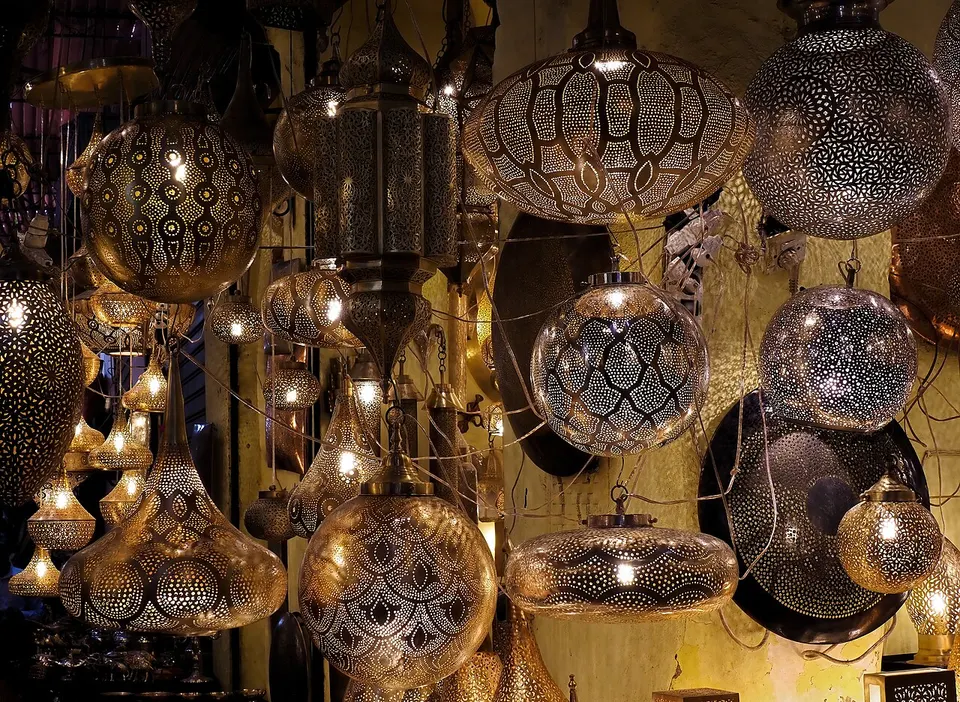
A maze of lanes north of Jemaa el-Fnaa: leather, carpets, lanterns, spices, the dyers' souk. Start haggling at a third of the first price. Don't trust people who say 'the road is closed' and lead you off — use your map.
Nature≈150 MAD (garden); ≈300 MAD with the YSL Museum; under-10s free8:00–18:30 (last entry 18:00)
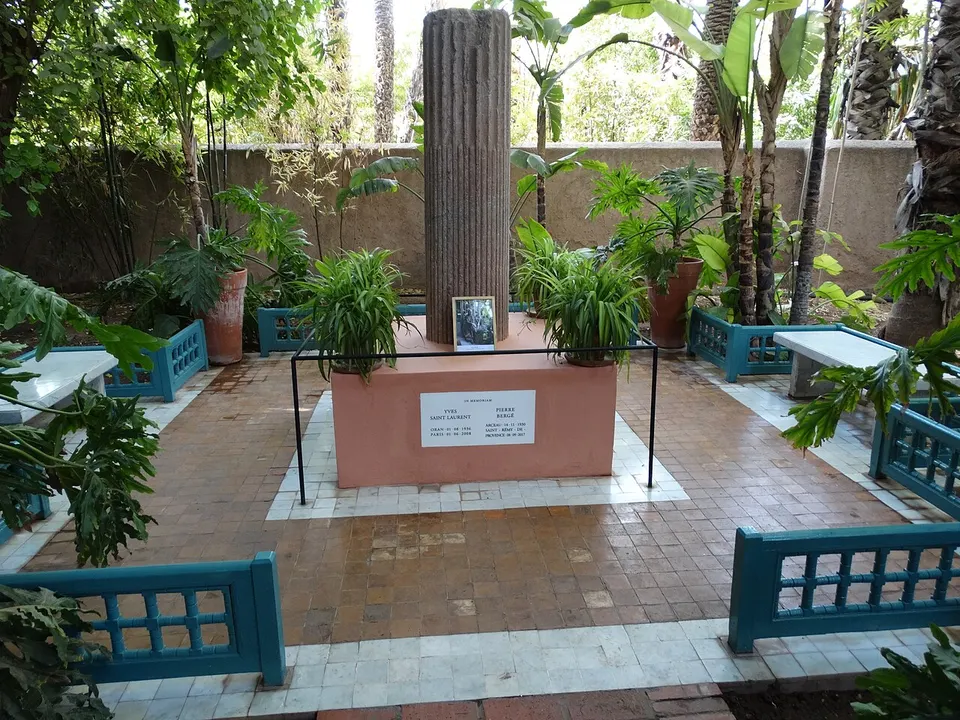
The garden restored by Yves Saint Laurent: cacti, bamboo and a 'Majorelle blue' villa, the Berber arts museum and the YSL Museum next door. Tickets only on the official site with 30-minute time slots — book 1–2 days ahead.
Culture50 MAD (children under 12: 10 MAD)9:00–19:00 (Ramadan 9:00–16:30)
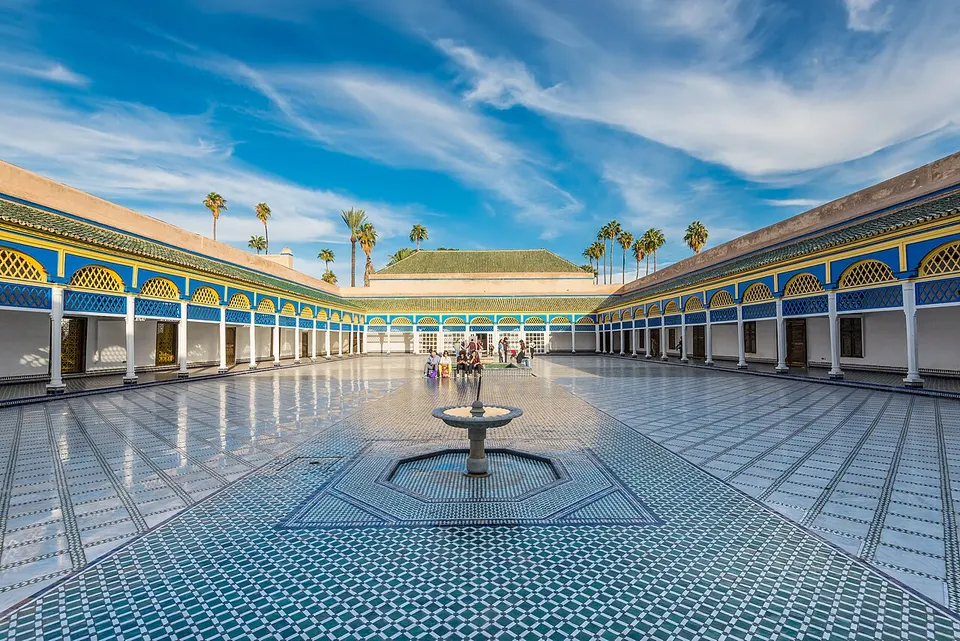
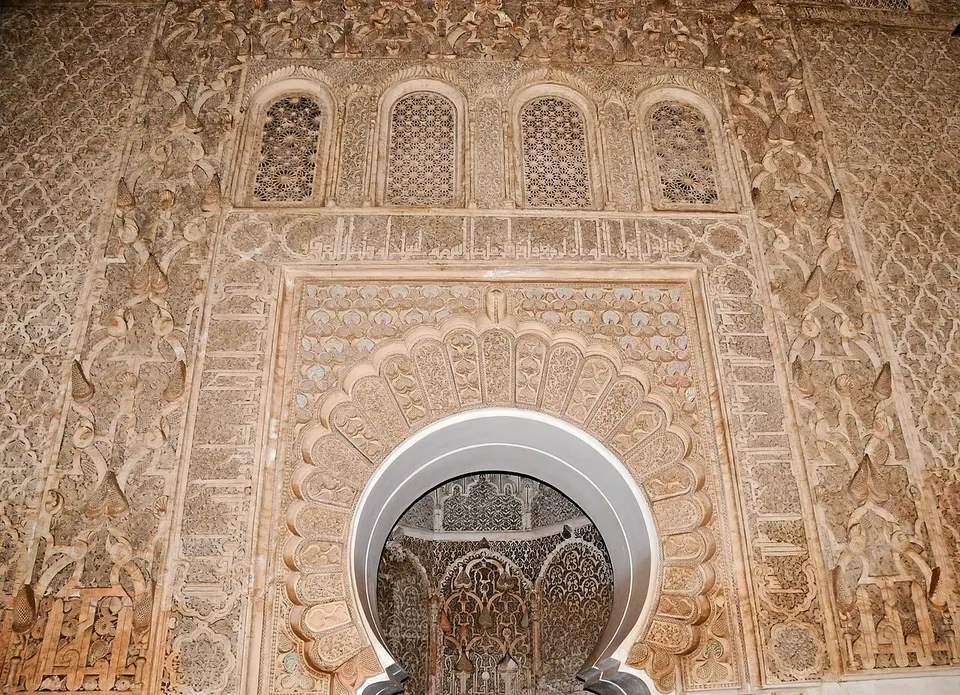
Once North Africa's largest Islamic college: a marble courtyard with a pool, cedar carving, tiny student cells. Next door, Le Jardin Secret (100 MAD, under-12s free) is a calm garden to catch your breath.
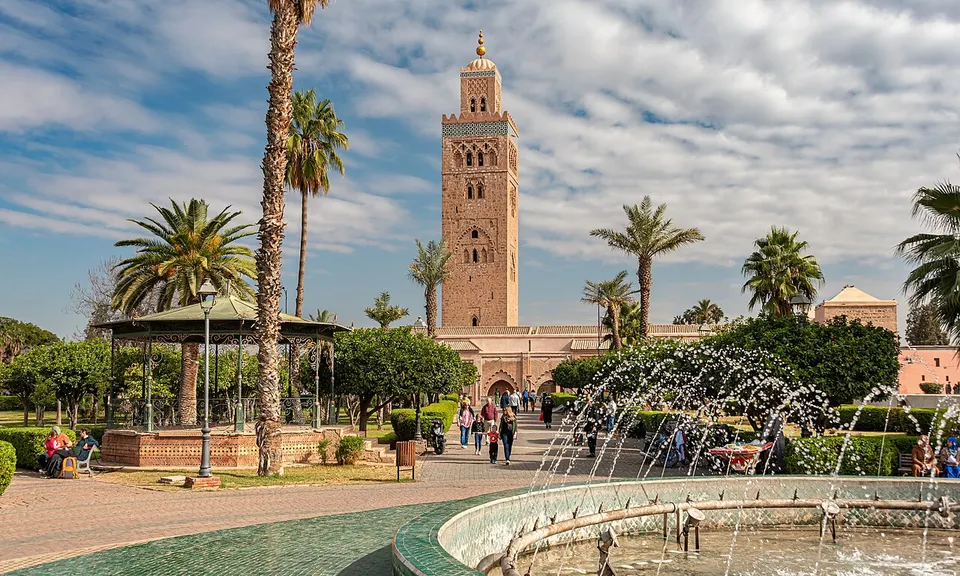
The 77 m, 12th-century minaret is Marrakech's landmark. Non-Muslims cannot enter the mosque; walk the gardens around it and listen to the call to prayer.
NatureTours ≈400–900 MAD (camel, quad, dinner)Half day or overnight
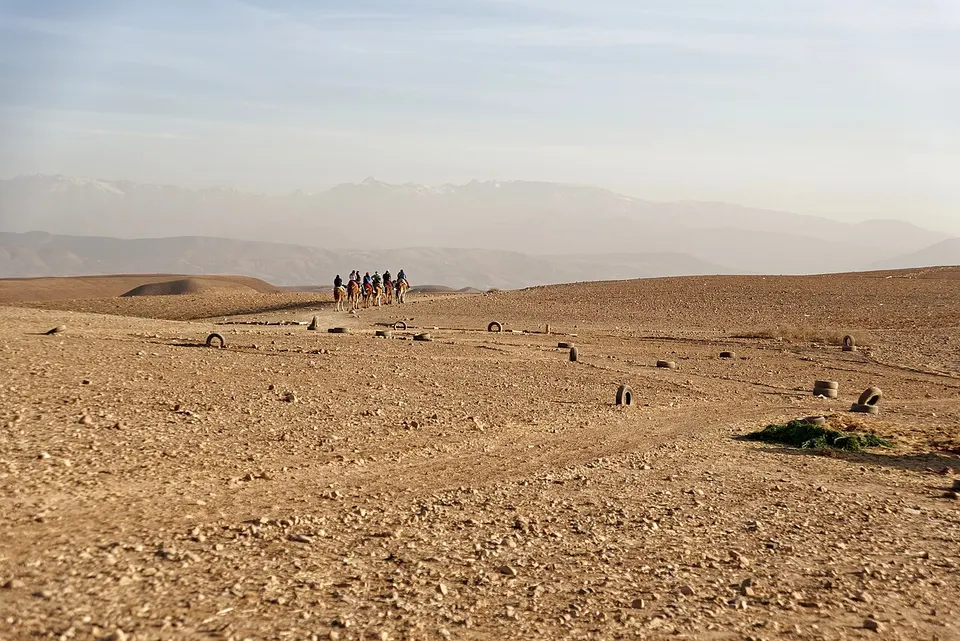
A stony desert ~45 minutes from the city with the snowy Atlas behind it. Camel rides, quad bikes, dinner at a camp and stargazing — the best family option when there's no time for the Sahara.
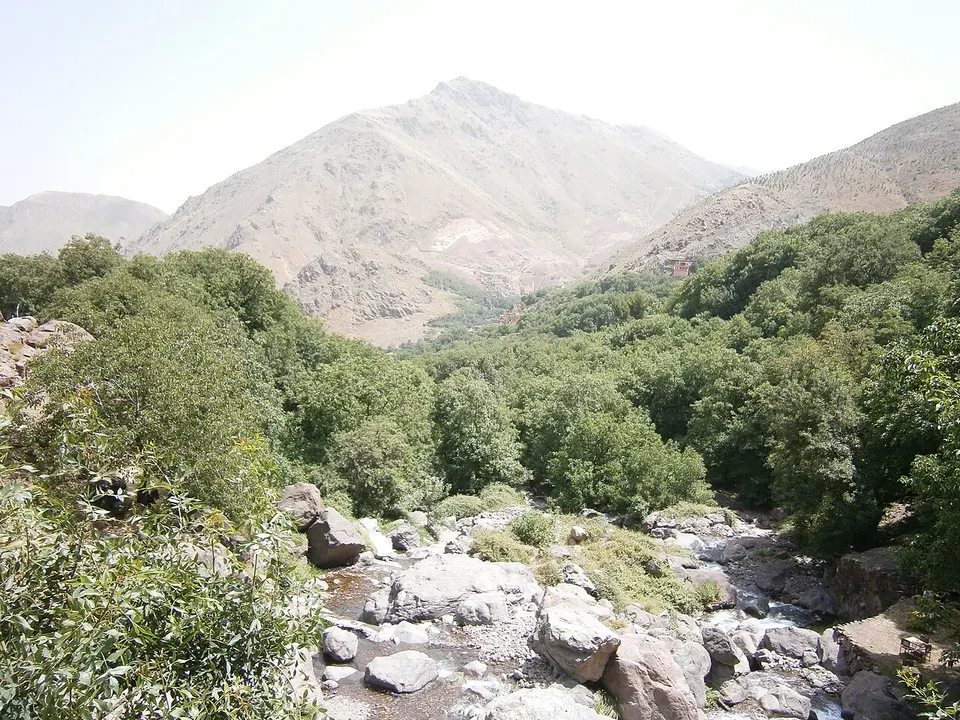
A mountain village at the foot of Toubkal (4,167 m), ~1.5 hours away. Walks through Berber villages and tea in a family home. Hit by the 2023 earthquake and rebuilt — visitors support local guesthouses. The nearby Ourika Valley, with waterfalls, is easier with children.
CultureFree (some houses ≈10–20 MAD)Day trip (~4 h each way)
A UNESCO mud-brick fortified village (ksar), the set of 'Gladiator' and 'Game of Thrones'. Cross the high Tizi n'Tichka pass (2,260 m) and combine it with the Ouarzazate film studios.
Nature3-day group tour ≈1,000–2,500 MAD3 days / 2 nights
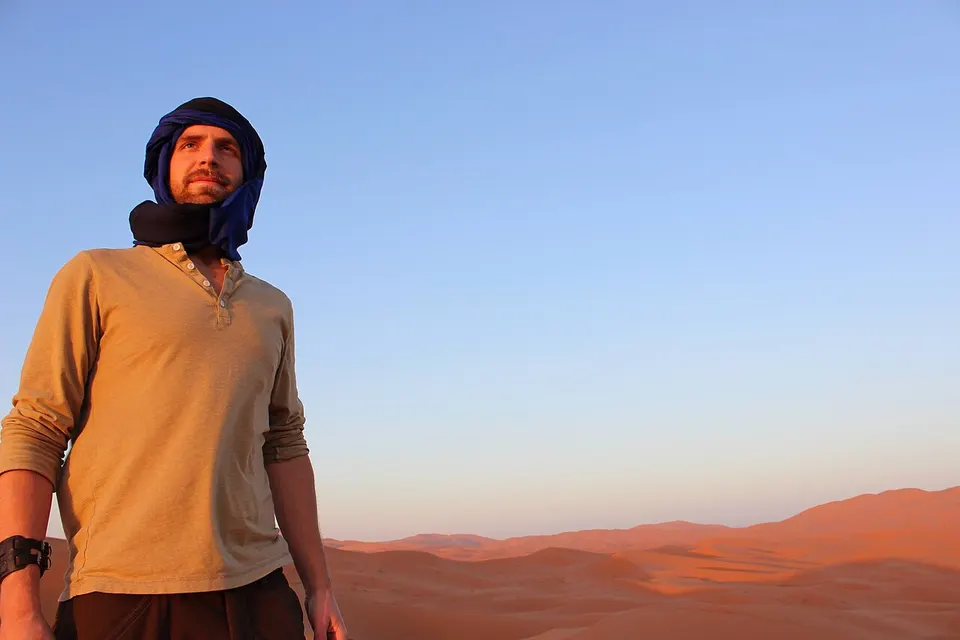
Real Sahara: orange dunes up to 150 m high. It is ~9–10 hours from Marrakech, so tours take 3 days via Aït Benhaddou and the Dades Gorge, with a camel ride to an overnight camp. Very hot in summer, cold nights in winter.
BeachFree (bus ≈100 MAD one way)Day trip (~3 h each way)
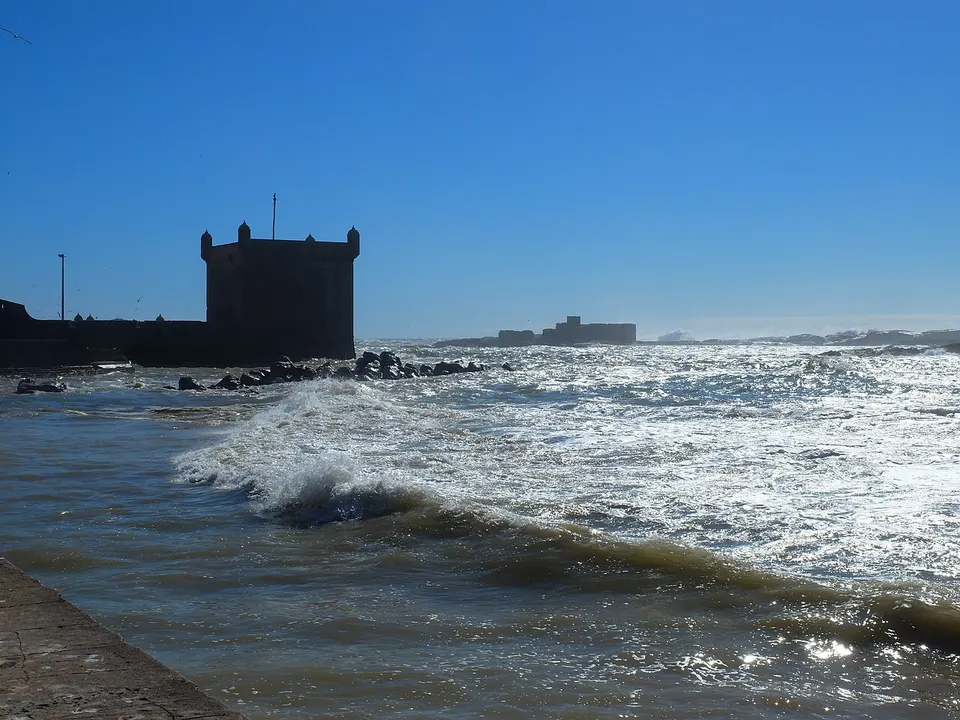
A UNESCO white-and-blue medina on the Atlantic, a fishing port with fresh grilled fish, and a windy beach (cold for swimming). The best escape from Marrakech's heat.