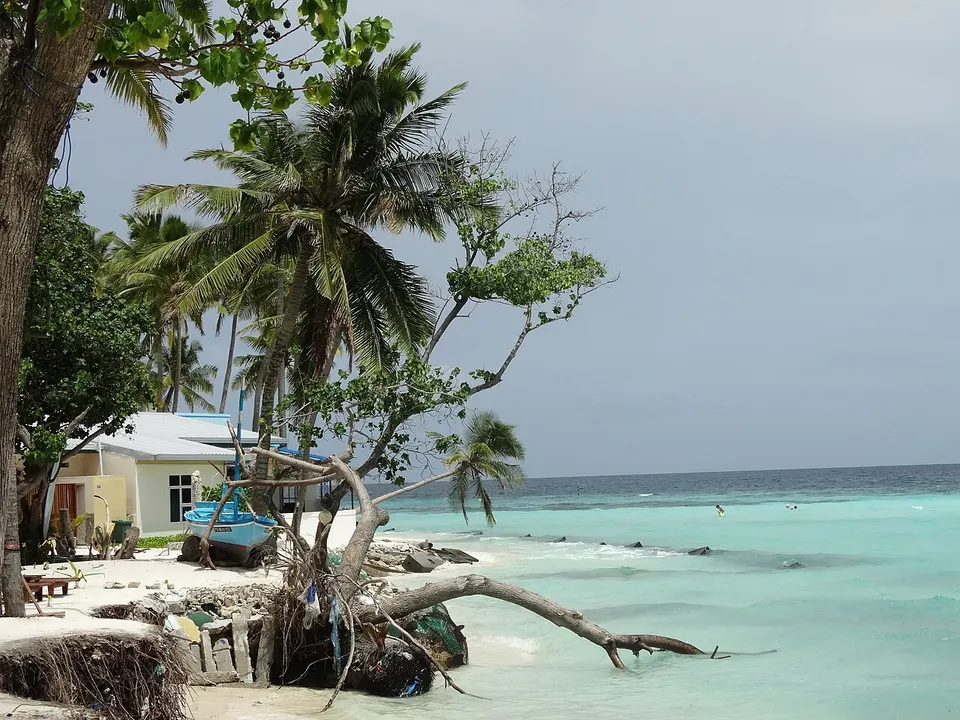
The Maldivian capital Malé and the islands around it: white-sand beaches, clear lagoons, resorts with overwater bungalows, and local islands with budget guesthouses (Maafushi, Thulusdhoo, Dhigurah). Snorkel and dive coral reefs, swim with whale sharks in South Ari and mantas in Baa Atoll's Hanifaru Bay, and picnic on sandbanks. Ideal for honeymooners, couples and families who want to rest. No direct flights from Ulaanbaatar — connect via Hong Kong, Bangkok, Singapore, Kuala Lumpur or a Chinese city. Every nationality gets a free 30-day visa at the airport; file the IMUGA declaration within 96 hours before arrival.
5 days in Malé for 2 cost ~8.9M₮ per person. Flights, mid-range stay, food, local transport and sights included, at December prices. Flights and stay alone: ~7.7M₮. From Ulaanbaatar with a change, ~14 h. Visa: Visa on arrival · 30 days.
Orange — daytime average, blue — night, grey bars — rainfall, green — sea temperature. Best months: January, February, March, April, December.
The Maldives grants a free 30-day tourist visa on arrival to all nationalities (except Israeli passport holders) — no advance application. Requirements: a passport with an MRZ valid for more than 1 month; a prepaid confirmed booking at a registered resort, hotel or guesthouse; a return ticket; and sufficient funds. Within 96 hours before arrival, every traveller (including children) submits their own free 'Traveller Declaration' at imuga.immigration.gov.mv. Checked October 2026. Taxes: green tax $12 at resorts and $6 at guesthouses with fewer than 50 rooms on local islands (per person per night, children under 2 exempt, since 1 Jan 2025); tourism GST is 17% (since July 2025), and most places add a 10% service charge. The departure tax is included in the ticket.
Visa rules can change — confirm with the embassy or an official source before you travel.
Language: Dhivehi (official, written in Thaana script); English is widely used in schools, government and tourism — almost everyone at resorts and guesthouses speaks English
Safety: Resorts and local islands are very calm and crime is rare; watch for petty theft in Malé. The main risk is the sea: channels (kandu) between atoll reefs have strong currents, so never swim or snorkel far alone, and put life jackets on children. Stay away from political demonstrations. Laws are strict: alcohol, pork, idols of other religions and pornography may not be brought in, and drug penalties are severe. On local islands and in Malé dress modestly, and wear a bikini only on designated 'bikini beaches'.
Like a well-travelled friend for a first-timer: before you go, landing, SIM, transport, money, food, safety, manners, apps, leaving — step by step.
The Maldives grants every nationality (Mongolians included) a free 30-day tourist visa at the airport. You need a passport with an MRZ valid for more than 1 month, a prepaid confirmed booking at a registered property, a return ticket and sufficient funds. Print your booking or keep it on your phone.
0–5 scores are our team's rating relative to Asian holiday destinations (sources below).
5 days for 2: ~18M₮ in total, ~8.9M₮ per person. Per person that is ~4.5M₮ for the flight, ~3.2M₮ for the stay and ~256k₮ for food.
You get a visa on arrival. You can stay up to 30 days. Checked Oct 3, 2026.
January, February, March, April, December. Daytime 30–32°C in those months.
From Ulaanbaatar with a change, ~14 h. Flown by MIAT, Greater Bay Airlines, Thai AirAsia.
Sign in to keep the plan — you'll continue right after.
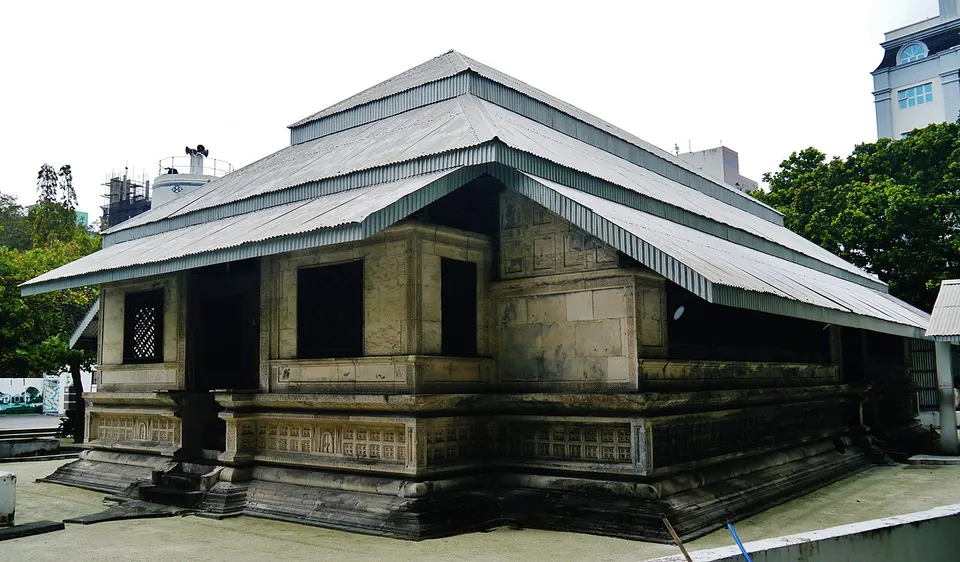
🧸 for kidsThe oldest and most beautiful mosque in the Maldives, built in 1658 from coral stone carved and fitted without mortar; on UNESCO's tentative list. Wood carvings, a graveyard of coral tombstones and a minaret from 1675. Cover arms and legs; women should bring a headscarf.
A shady garden on the grounds of the former sultan's palace, with the National Museum showing Maldivian history: the sultans' throne and robes, Buddhist-era stone sculptures and coral carvings. A good place to rest with children on a hot day in Malé.
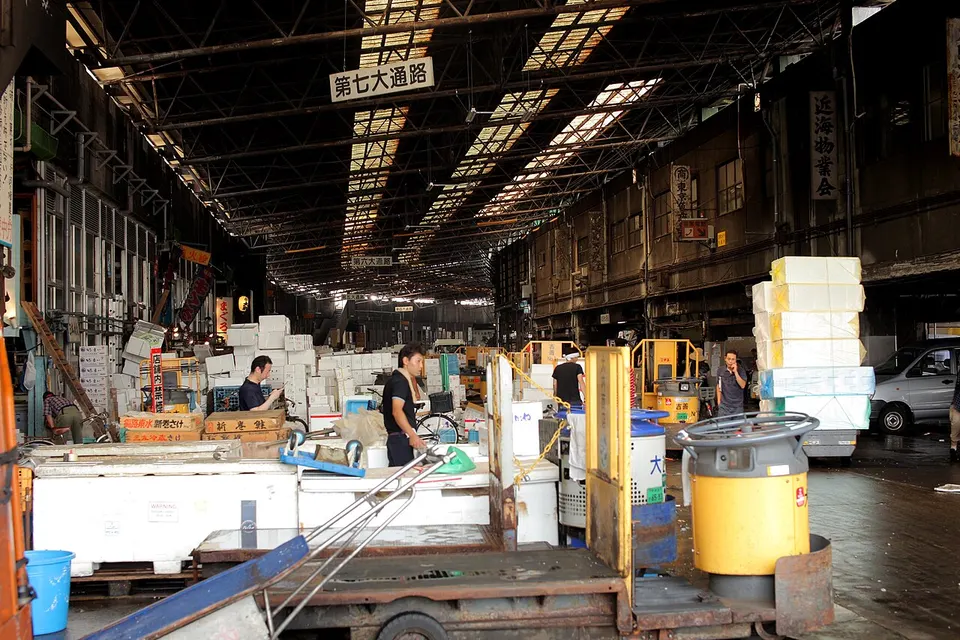
🧸 for kidsA lively market by the harbour on the city's north shore where tuna landed from dhoni boats is cut and sold on the spot. Next door are small markets for fruit, vegetables, Maldivian dried tuna (hiki mas) and chillies. The floor is wet and fishy — wear practical shoes.
🧸 for kidsThe only sandy beach in Malé, built in the city's southeast corner: calm water behind a breakwater, a playground, cafés, and local families gathering in the evening. No bikinis here — locals swim fully dressed.
A long white-sand beach in the new town next to the airport, with cafés, restaurants and a seafront promenade. Handy for an evening arrival before a seaplane, or the night before flying home; plenty of guesthouses and hotels. It is a local island, so keep swimwear modest.
🧸 for kidsThe island where Maldivian guesthouse tourism began: 50+ guesthouses, a bikini beach, snorkelling, fishing, nearby sandbanks and day trips to resorts. The easiest place to see the Maldives cheaply. As a local island it bans alcohol (only on a nearby floating bar or at resorts).
The Maldives' first famous dive site (1970s): a banana-shaped coral reef with walls, caves, turtles and big schools of fish. Currents can be strong, so it suits experienced swimmers; with children, snorkel at Hulhumalé or in a lagoon instead.
Boat trips from Maafushi, Hulhumalé and resorts to a white sandbank in open sea for swimming, sunbathing and a picnic; in the evening, a dhoni cruise to watch the sunset and look for pods of spinner dolphins. A favourite with children and honeymooners.
The South Ari Marine Protected Area (SAMPA) is one of the few places where whale sharks live year-round. Snorkel trips leave from Dhigurah's guesthouses; the island itself has a 3 km bikini beach and a sandbank. Reach it by speedboat from Malé or by flying to Maamigili. Touching the sharks or getting closer than 3 metres is prohibited.
The core zone of UNESCO's Baa Atoll Biosphere Reserve: during the southwest monsoon plankton gathers and 100–200 mantas, sometimes with whale sharks, feed together in a small bay. Snorkelling only (diving is banned), with rangers capping visitor numbers. Fly to Dharavandhoo (DRV) or go from a Baa Atoll resort.
On Vaadhoo in Raa Atoll, phytoplankton make the waves glow blue — a natural phenomenon. It is not always visible: it depends on season, moon phase and weather. Nearby resorts run evening trips, and it sometimes appears on beaches in other atolls too.
A local island in North Malé Atoll with the world-famous 'Cokes' and 'Chickens' surf breaks, a Coca-Cola factory, a bikini beach on a calm lagoon and 20+ guesthouses. Close to Malé and quieter than Maafushi.
Phone: Dhiraagu and Ooredoo tourist SIMs are sold in the airport arrivals hall with your passport; eSIMs are available too. 4G/5G is good in Malé, on local islands and at most resorts, and resorts have free Wi-Fi. There is no Grab in Malé — hail or phone a taxi, or use the public buses to Hulhumalé.
Submit the 'Traveller Declaration' at imuga.immigration.gov.mv within 96 hours before arrival, a separate one for every child and infant. It is free — beware of agent sites that charge a fee. File a departure declaration before leaving too.
Tip: Save the QR code on your phone and check it opens without internet before the flight.
Resort: one island, one hotel, alcohol and bikinis allowed, expensive transfers. Local island (Maafushi, Thulusdhoo, Dhigurah): cheap guesthouses among local people, but no alcohol and modest dress. Resorts usually arrange the transfer (boat or seaplane) themselves — agree your arrival time with the resort before buying flights.
At immigration show your passport, IMUGA QR code, accommodation booking and return ticket. Alcohol, pork, idols of other religions, pornography and drugs are prohibited — bags are X-rayed and alcohol is confiscated.
The public ferry from in front of the airport to Malé takes ≈10 minutes for MVR 15 (MVR 20 before 06:00), every 10–15 minutes by day. A taxi over the Sinamalé Bridge is ≈MVR 70–100 and 15–20 minutes; there is also a bus. Buses and taxis run to Hulhumalé.
A resort representative meets you in arrivals with a name board. Nearby resorts are 20–60 minutes by speedboat; outer atolls are 30–60 minutes by Trans Maldivian seaplane — they fly in daylight only, so if you land in the evening stay overnight in Hulhumalé. Seaplane baggage limits are strict.
Tip: If your flight is late, tell the resort at once — you may miss the last seaplane.
Dhiraagu and Ooredoo have counters in the arrivals hall; register with your passport and choose a tourist pack lasting 7–30 days. Both cover most islands and resorts; Dhiraagu is said to cover remote atolls slightly better.
If your phone supports eSIM, buy an international or operator eSIM before you go and you will be online as soon as you land. Resort Wi-Fi is fine for video calls.
MTCC public ferries leave Malé's Henveiru terminal for local islands: to Maafushi ≈1.5 hours for ≈$2. They don't run on Fridays and leave only once or twice a day, so check the timetable in advance.
Speedboats from the airport or Malé's Jetty 6 to Maafushi take ≈45 minutes for $20–40 per person, daily (Fridays too). Your guesthouse will book it for you. Private boats cost far more.
Malé is small, so you can walk to most places; taxis have fixed, low fares. Buses and taxis cross the Sinamalé Bridge to Hulhumalé. There is no Grab or Uber.
Resorts, guesthouses and boat trips usually price in US dollars and take cards or cash. Bring clean, small-denomination dollar notes. Cafés and shops in Malé and on local islands need rufiyaa — use ATMs at the airport or banks in Malé. Change is often given in rufiyaa.
Quoted prices usually get 17% tourism GST, a 10% service charge and a per-person nightly green tax added ($12 at resorts, $6 at small guesthouses, children under 2 exempt). Check the 'all taxes included' price when booking.
Mas huni (tuna, coconut and onion for breakfast with roshi flatbread), garudhiya (tuna broth), tuna curry and 'short eats' — small fried snacks such as gulha and bajiya. Malé's tea shops (hotaa) are cheap and full of locals.
There is nowhere else to eat on a resort island, so choosing a meal plan in advance (breakfast, half board, full board, all-inclusive) saves money. With children, ask about kids' menus and free-meal deals for kids. Local islands have no alcohol, but fresh juices and coconut water are everywhere.
Currents in the atoll channels are very strong. Snorkel with a buddy and a guide, use a life jacket and keep your distance from dolphins and sharks. Touching or standing on coral and taking shells or coral away is prohibited.
Emergency and police 911 (119 also works), ambulance (Greater Malé) 102, fire and rescue 118, Coast Guard 191, Tourist Police 1478. At a resort, call reception first.
Malé has IGMH and ADK hospitals; patients from remote atolls are moved by boat or seaplane, so get insurance that covers evacuation and diving. Use reef-safe sunscreen and a hat, and drink plenty of water.
In Malé and on local islands cover shoulders and knees. Bikinis and swimwear belong only on marked 'bikini beaches'; some islands fine offenders. Resorts are relaxed. Nude or topless sunbathing is banned everywhere.
Alcohol is served only at resorts and on licensed boats; it is banned on local islands and in Malé and cannot be brought through the airport. Shops and cafés close for Friday midday prayers; during Ramadan avoid eating and drinking in public by day.
IMUGA (arrival and departure declarations), Velana airport flight information, and the Dhiraagu or Ooredoo app (check and top up data). Save your hotel's and boat company's WhatsApp — almost everything in the Maldives is arranged on WhatsApp.
Offline Google Maps, a weather and tide app, and your dive-computer app if you dive. Some places in Malé take QR payments and cards.
Seaplanes fly only in daylight, so returning from a resort before an evening flight may mean several hours of waiting at Velana — the resort sets your schedule. From a local island by public ferry, remember there are no Friday sailings and keep a spare day.
File your departure declaration on IMUGA. The departure tax ($50 in economy) and the airport development fee are already in your ticket, so nothing is paid separately at the airport. Exporting coral, shells or turtle products is prohibited.
Checked by a person: 2026-10-03
Answers come from the researched facts and the guide. When it doesn't know, it says so — nothing is made up.
Sign in to ask. Sign in →
The Haashaa assistant answers from our researched facts. Double-check anything beyond them with an official source.
Estimated values: cost.lodgingNightUsd, cost.groceriesDayFamilyUsd, cost.localTransportDayUsd, cost.attractionAvgUsd, flights.rtUsdPerAdult, flights.routes[0-4].hours, weather[].seaC, attractions[].rating, attractions[].ratingCount, attractions[1].price, attractions[6].price, attractions[7].price, attractions[11].price, scores, bestMonths
Visa: not needed
Estimates: flights — the month's cheapest cached fare, else the researched average; stay — mid-range; food — mix of cooking and eating out; sights — tickets for the best-rated places. $1 = 3,607.00₮
Your first trip's full plan is free — day-by-day schedule, map, sight tickets, flight & hotel comparison
We e-mail you when the fare from Ulaanbaatar to Malé drops to your price.
Sign in to set up an alert. Sign in →
Typical prices for food, taxis, groceries and rent, with low–high ranges. $1 = 3,607.00₮ · $1 = 15 MVR
| Item | Low | Average | High | Source |
|---|---|---|---|---|
| Inexpensive restaurant meal · 1 person | — | 22k₮ | — | |
| Mid-range restaurant, 3 courses · 2 people | — | 141k₮ | — | |
| Groceries — family, per day · 5 people | — | 126k₮ | — | |
| Taxi/Grab — per day · typical | — | 54k₮ | — | |
| Attraction ticket · adult | — | 216k₮ | — |
Some links are partner links. You pay nothing extra, but Haashaa? may earn a commission.