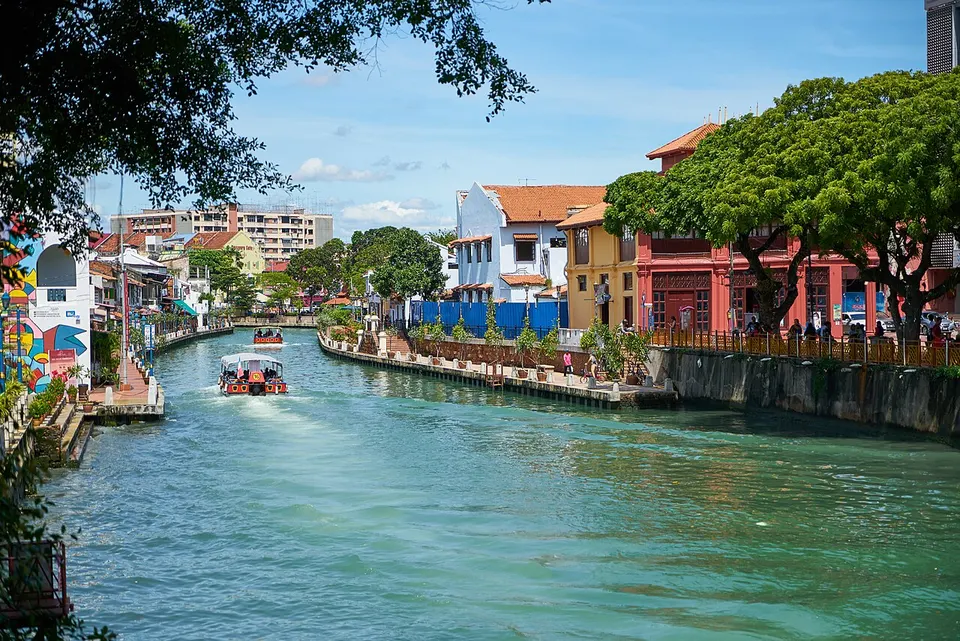
A 600-year-old trading port on the Strait of Malacca. Remnants of Portuguese, Dutch and British rule — the A Famosa gate, the red Dutch Square and Christ Church — stand alongside Chinese Baba-Nyonya culture, the country's oldest Chinese temple and historic mosques, together listed by UNESCO. Famous for the Jonker Street night market on Friday–Sunday evenings, river cruises, chicken rice balls and cendol. The town is compact enough to see on foot in 2–3 days. From Ulaanbaatar you arrive via Kuala Lumpur (2–2.5 h by bus) or Singapore (~4 h by bus). Mongolian citizens get 30 days visa-free.
Orange — daytime average, blue — night, grey bars — rainfall, green — sea temperature. Best months: January, February, March, June.
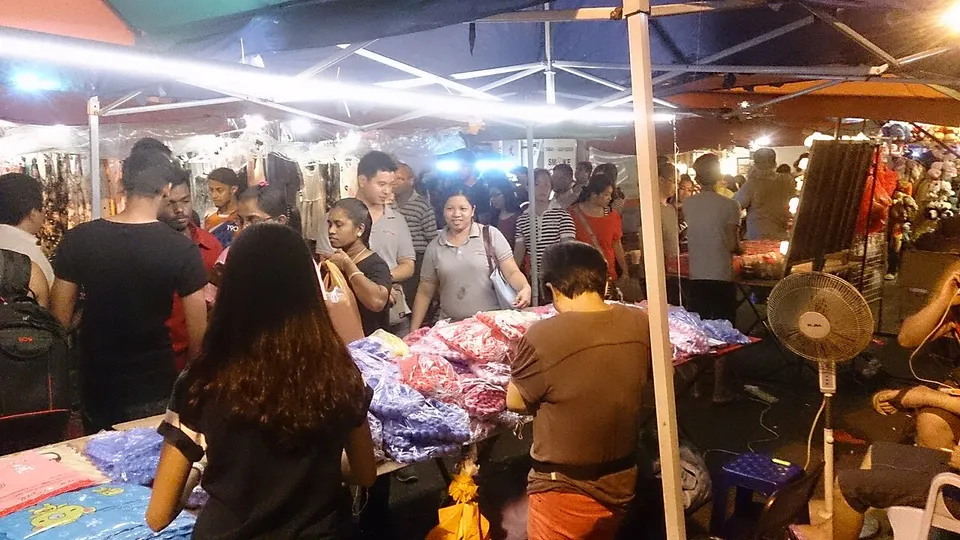
🧸 for kidsA street of old Chinese merchants' shophouses that turns into a pedestrian market on Friday–Sunday evenings, selling street food, souvenirs and antiques. Saturdays are very crowded, so go when it opens.
🧸 for kidsLike a well-travelled friend for a first-timer: before you go, landing, SIM, transport, money, food, safety, manners, apps, leaving — step by step.
Mongolian citizens with any type of passport may stay in Malaysia visa-free for up to 30 days. Immigration may check that your passport is valid for more than 6 months from arrival, that you have a return or onward ticket, a hotel booking and enough money.
Fill in the Malaysia Digital Arrival Card free of charge on the Immigration Department's official site within 3 days before arrival — whether you fly in or come by bus from Singapore. Beware of 'agent' sites that charge a fee.
Tip: Connecting via Singapore, you pass Singapore immigration, so fill in the SG Arrival Card.
The town is hot and humid all year; January–March is driest. Jonker Street's night market runs only Friday–Sunday, so time your stay to include a weekend. Most museums close on Mondays.
Direct buses from Delima Vision, Starmart, Transnasional and others run many times a day from the KLIA and KLIA2 bus terminals to Melaka Sentral; RM25–30, 2–2.5 h. Buy tickets online in advance; if you land late at night, stay in Kuala Lumpur first.
Many buses a day run from Singapore to Malacca, with fares from SGD 20 and 4–5 hours depending on border queues. At both borders you get off the bus with your luggage for checks.
Melaka Sentral bus station lies north of the centre. Grab gets you quickly to Jonker Street or Dutch Square; the cheap option is town bus 17.
If your phone supports eSIM, install a Malaysia eSIM before you go. Otherwise buy a Hotlink (Maxis), CelcomDigi or U Mobile tourist SIM in KLIA arrivals — registered with your passport. Malacca also has plenty of phone shops.
Tip: A Malaysian phone number helps with Grab and Touch 'n Go.
Hotels, cafés and malls have free Wi-Fi. Save bus tickets and hotel addresses on your phone in advance.
Dutch Square, A Famosa, Jonker Street, the Baba & Nyonya museum and Harmony Street are all close together. Walk early in the morning or in the evening to avoid the heat; bring a hat and water. The riverside walkway is lovely at night.
Grab is easiest for the Malacca Straits Mosque, Melaka Sentral, suburban malls and hospitals, with the price shown upfront. Traffic around Jonker Street is heavy at weekends.
Trishaws decorated with Hello Kitty, Pikachu and the like, playing loud music, start from Dutch Square — fun for children. Agree the price and duration before you get in.
The currency is the Malaysian ringgit (RM, MYR). Cards work at hotels, malls and restaurants; the night market, food stalls and trishaws take cash. There are ATMs and money changers around Jonker Street and the Dataran Pahlawan mall.
Foreign guests pay a tourism tax of RM10 per room per night at Malaysian hotels; it is usually collected separately at the hotel, so it may not be in your booking price.
Chicken rice balls, Nyonya laksa, ayam pongteh (Nyonya braised chicken), satay celup (skewers dipped in a bubbling satay broth), Portuguese-Eurasian seafood and cendol with palm sugar. Some Chinese stalls are not halal — look for a 'halal' sign.
Tip: Order with 'tidak pedas' (not spicy) if you want it mild.
Jonker Street's night market on Friday–Sunday evenings is full of street food. The famous chicken-rice-ball and cendol places have lunchtime queues, so go early. For seafood in the evening, head to the Portuguese Settlement.
Tip: Carry cash and wet wipes.
Police, ambulance and fire share one number — 999; dialling 112 from a mobile reaches the same service even without a SIM. Free, 24 hours.
Watch for pickpockets in the night-market crowds and carry your bag in front. Cross at crossings; traffic drives on the left. Drink plenty of water in the heat, avoid the midday sun and use mosquito repellent.
Private hospitals such as Mahkota Medical Centre and Pantai Hospital Ayer Keroh speak English and have emergency departments; there is also the public Melaka Hospital. Private care is paid, so call your insurer's assistance line first.
At mosques and Chinese and Indian temples, cover shoulders and knees and take your shoes off. Women cover their hair at mosques (robes are provided). Visitors are not admitted during prayers, especially Friday midday; don't photograph people at prayer.
People live in the shophouses on Jonker Street and Heeren Street — keep your voice down. Photos are not allowed inside the Baba & Nyonya museum. Use your right hand to give money or things; tipping is not expected.
Grab — rides and food delivery. redBus — bus tickets from KLIA or Singapore. Google Maps — walking routes in the heritage zone and offline maps.
Touch 'n Go eWallet — QR payments (check whether it accepts your foreign card for top-ups). MDAC — the digital arrival card. Download Malay in Google Translate for offline use.
Direct buses from Melaka Sentral to KLIA and KLIA2 take 2–2.5 h; allowing for traffic and check-in, leave at least 5–6 hours before your flight. Buy the bus ticket in advance and check which terminal (KLIA or KLIA2) you fly from.
Palm sugar (gula Melaka), Nyonya sweets, pineapple tarts, Peranakan porcelain and beaded Nyonya slippers make good gifts. Pack liquids in checked luggage; durian is banned on planes.
Checked by a person: 2026-10-03
Answers come from the researched facts and the guide. When it doesn't know, it says so — nothing is made up.
Sign in to ask. Sign in →
AI answer: double-check anything beyond our researched facts with an official source.
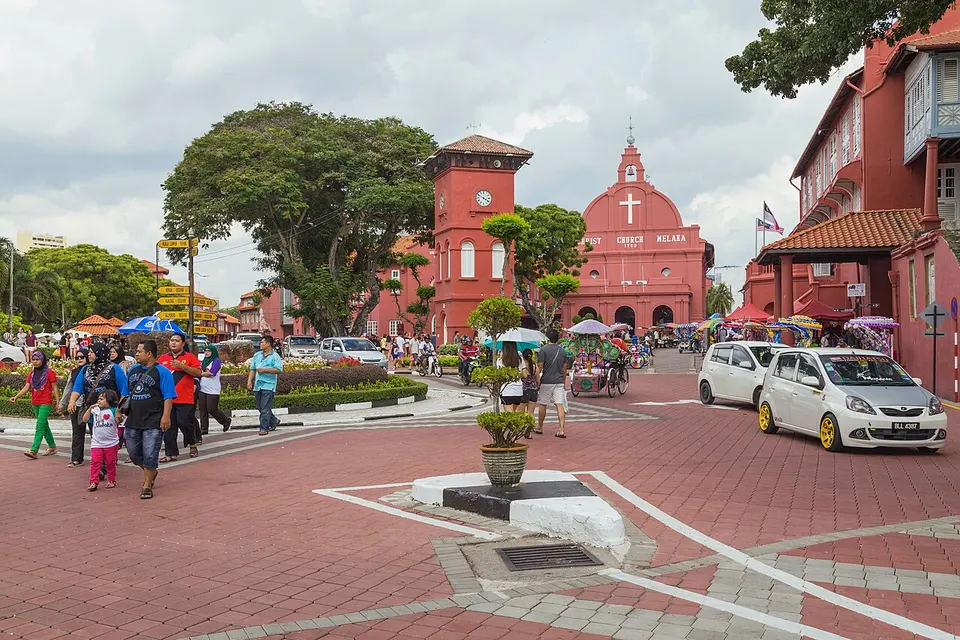
Malacca's iconic square of red buildings: Christ Church built by the Dutch in 1753, a clock tower and the Queen Victoria fountain. Lovely when lit at night; the illuminated trishaws start from here.

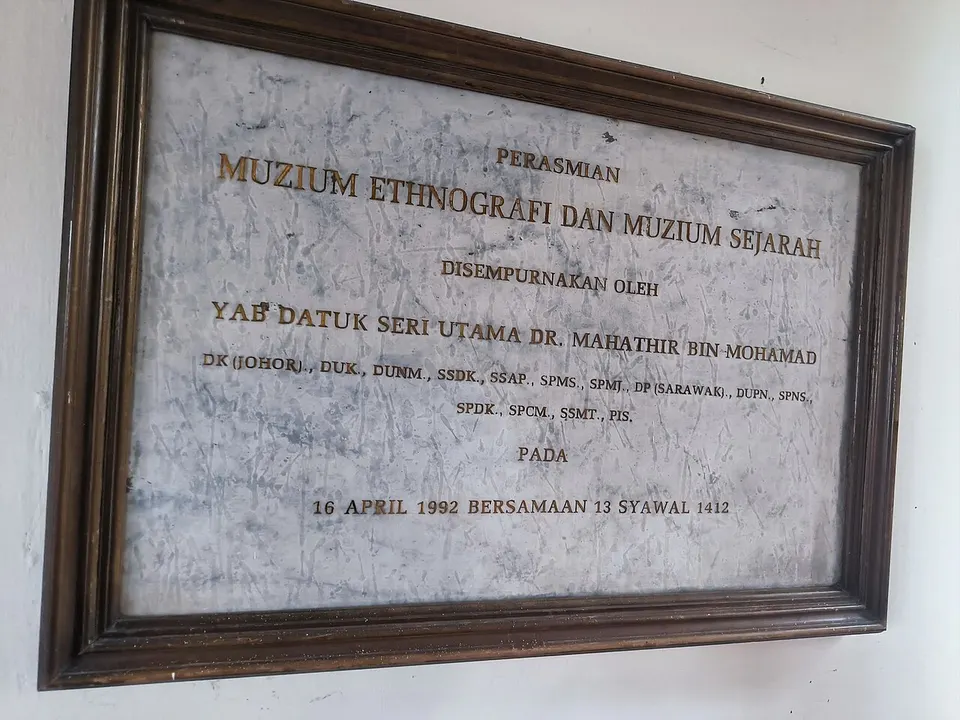
The Dutch governor's residence built in 1650, one of the oldest Dutch buildings in the East. Inside, exhibits trace Malacca's history from the sultanate to the colonial era, with costumes and weapons.
🧸 for kidsThe only surviving gate of the fortress the Portuguese built in 1511, and above it on the hill the roofless ruins of St. Paul's Church with old tombstones. The hilltop looks over the town and the strait; the steps are steep, so climb early in the morning.
🧸 for kidsA 9 km trip past painted riverside houses, murals and the Kampung Morten village. Best in the evening when it's lit up; children love it. Discounted tickets are available online.

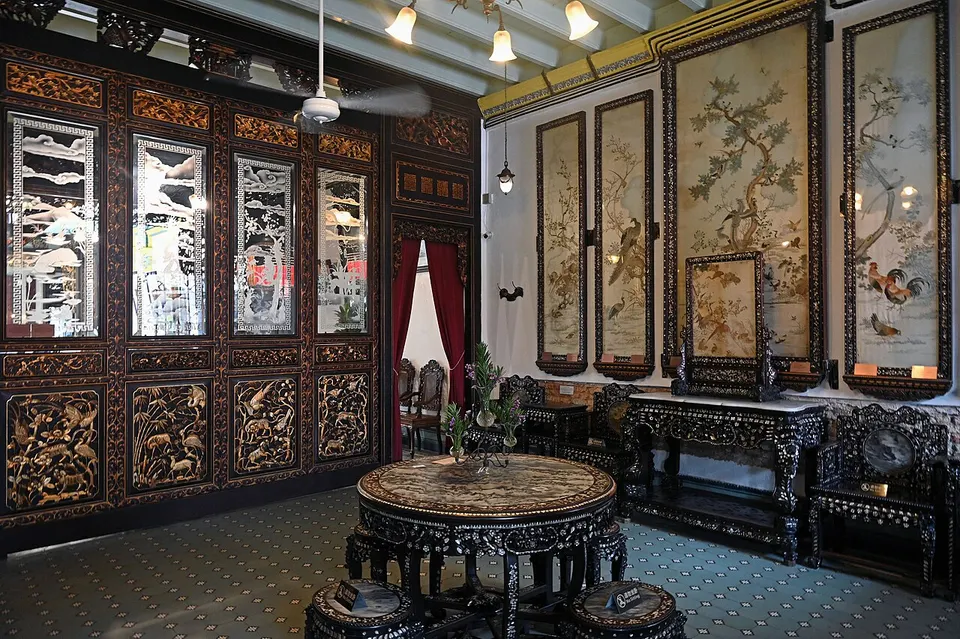
A wealthy Peranakan (Chinese-Malay) family's 19th-century townhouse: gilded carvings, Nyonya porcelain and antique furniture. The guided tour is the most interesting way to see it; no photos beyond the entrance hall.
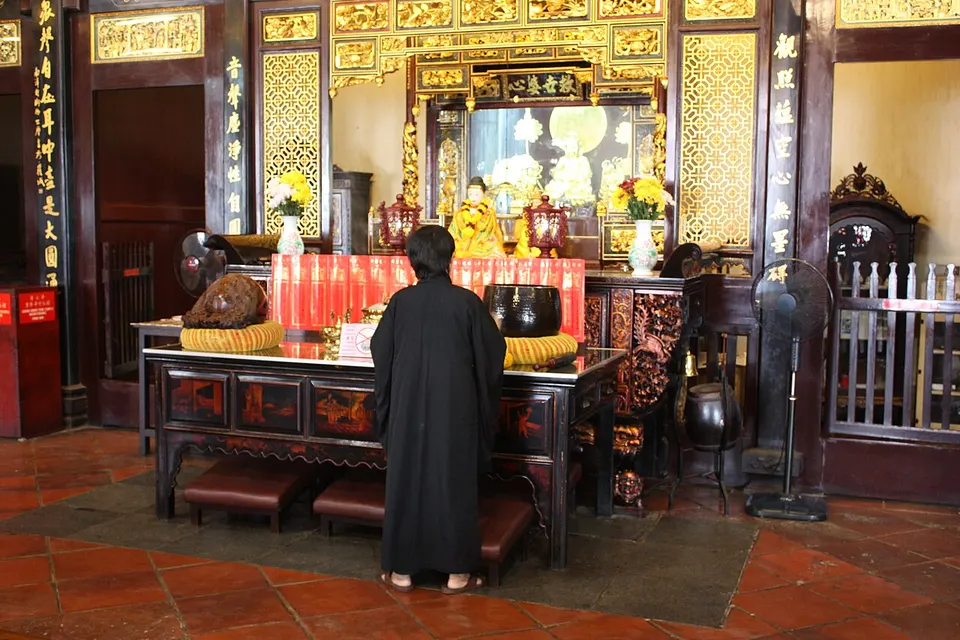
🧸 for kidsFounded in 1645, Malaysia's oldest functioning Chinese temple combines Buddhism, Confucianism and Taoism. Its carvings and porcelain decoration won a UNESCO award; keep quiet while people pray.

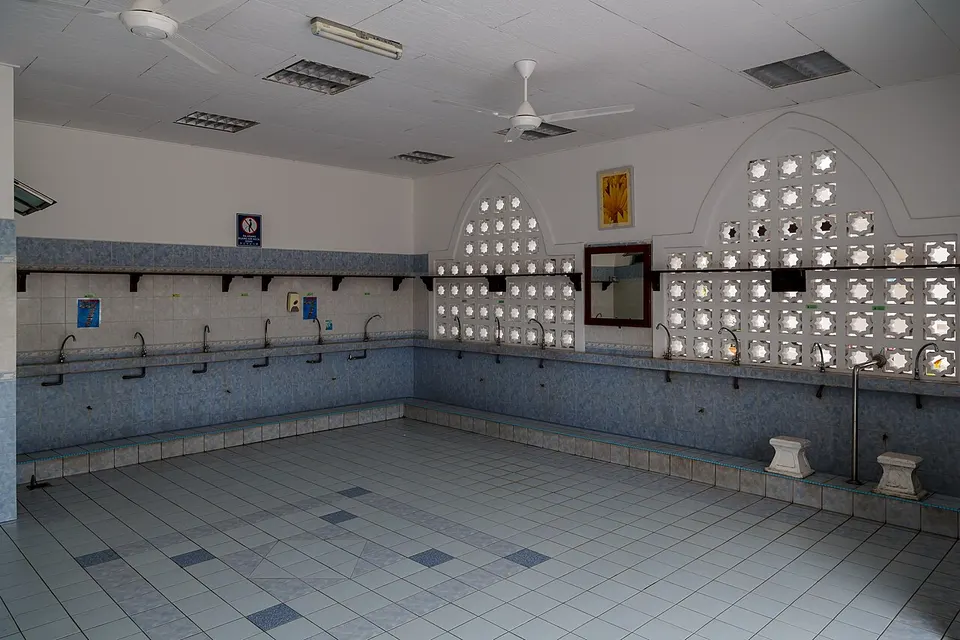
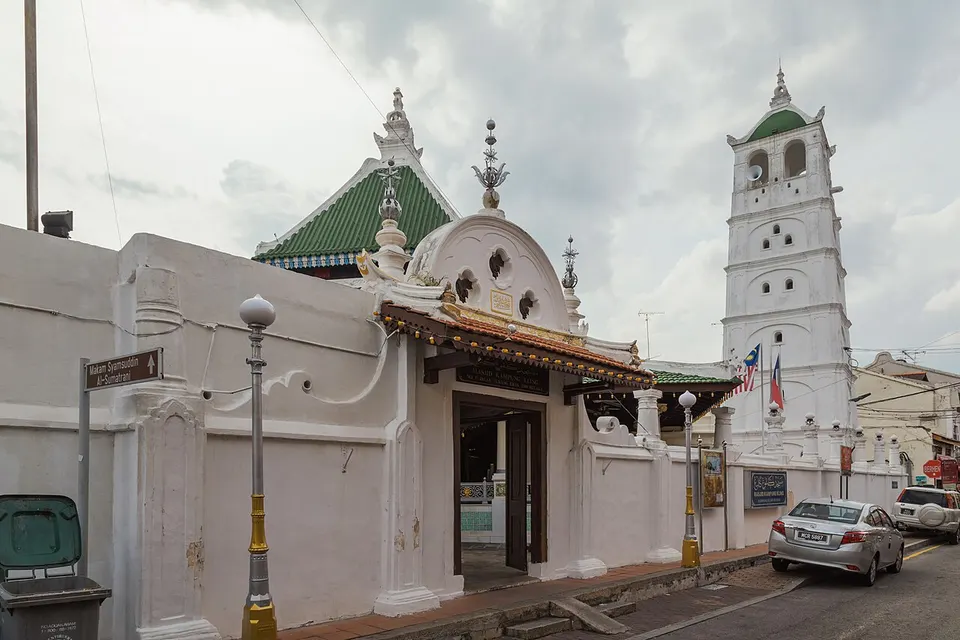
A mosque founded in 1748 with a pagoda-like minaret, English and Portuguese tiles and Indian carving. It stands next to Chinese and Hindu temples, which is why the street is called 'Harmony Street'.
A revolving glass cabin rises 80 m and gives a 360° view of Malacca, the strait and Dutch Square in 7 minutes. An easy, short attraction for families with children; lovely at sunset.
A full-size replica of the Portuguese ship Flor de la Mar, which sank off Malacca in 1511, houses the story of Malacca's maritime trade. Children love climbing aboard.
🧸 for kidsA mosque built in 2006 on man-made Malacca Island that seems to float on the water at high tide. Most beautiful at sunset; cover shoulders and knees to enter (robes are provided).
Malacca's signature food — rice cooked in chicken stock and rolled into balls, and cendol: green jelly with shaved ice, coconut milk and palm sugar. The famous places around Jonker Street have queues at lunchtime.
Estimated values: weather[].seaC, cost.lodgingNightUsd, cost.groceriesDayFamilyUsd, cost.localTransportDayUsd, cost.attractionAvgUsd, flights.rtUsdPerAdult, flights.routes[0-3].hours, scores, bestMonths
Typical prices for food, taxis, groceries and rent, with low–high ranges. $1 = 3,596₮ · $1 = 4 MYR
| Item | Low | Average | High | Source |
|---|---|---|---|---|
| Inexpensive restaurant meal · 1 person | — | 12k₮ | — | |
| Mid-range restaurant, 3 courses · 2 people | — | 79k₮ | — | |
| Groceries — family, per day · 5 people | — | 79k₮ | — | |
| Taxi/Grab — per day · typical | — | 29k₮ | — | |
| Attraction ticket · adult | — | 22k₮ | — |