Spain's capital and Europe's 'golden triangle' of art: the Prado, the Reina Sofía (Picasso's Guernica) and the Thyssen-Bornemisza, plus the Royal Palace, Retiro Park, Plaza Mayor, tapas and churros con chocolate. Medieval Toledo and Roman Segovia are each about half an hour away by high-speed train. For art, history, food and football. There are no direct flights — connect via Frankfurt, Istanbul, Beijing, Seoul or Doha. Mongolian citizens need a Schengen visa; the German Embassy in Ulaanbaatar (VFS Global) handles Spanish visas on Spain's behalf.
🛂 Visa: Visa required · 90 days✈ Flight: 15h☀ Best months: April, May, June, September
#art museums#royal palace#tapas#Toledo & Segovia#football#Schengen visa
Orange — daytime average, blue — night, grey bars — rainfall, green — sea temperature. Best months: April, May, June, September, October.
Things to see (12)
🧸 for kids
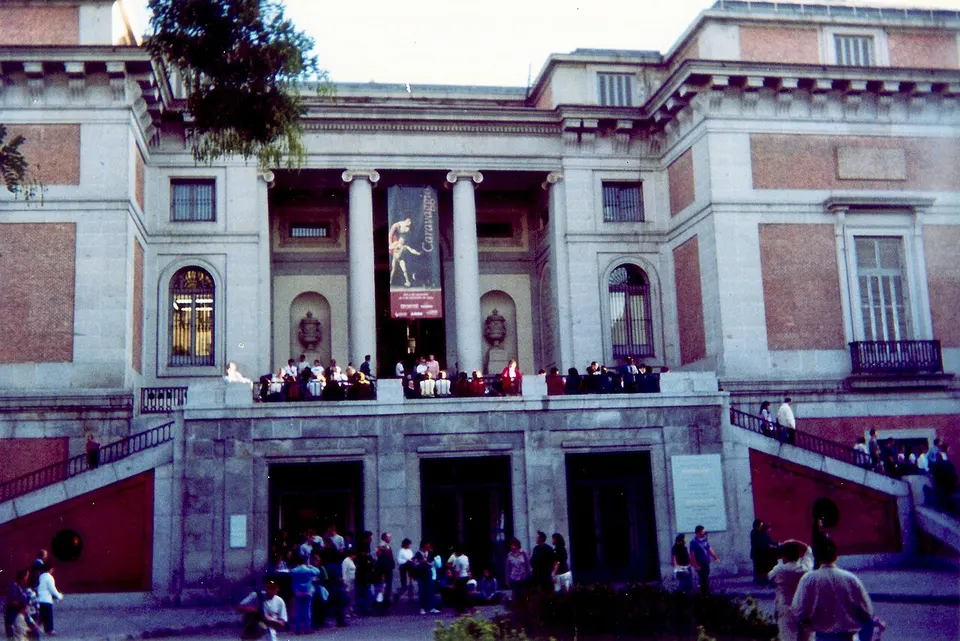
Prado Museum
Culture€15; free under 18 and for students under 25; free for everyone in the last two hoursMon–Sat 10:00–20:00, Sun and holidays 10:00–19:00; free Mon–Sat 18:00–20:00, Sun 17:00–19:00
One of the world's richest painting collections: Velázquez's Las Meninas, Goya's Black Paintings, El Greco and Bosch's Garden of Earthly Delights. Queues form for the free hours, so arrive early — or buy a timed ticket online and go in the morning. With children, pick a few highlights and keep it to two hours.
Culture€12; free under 18, over 65 and for students; free Mon and Wed–Sat 19:00–21:00, Sun 12:30–14:30
Travel guide
Like a well-travelled friend for a first-timer: before you go, landing, SIM, transport, money, food, safety, manners, apps, leaving — step by step.
🧳Before you goSpain has no embassy in Mongolia — the German Embassy in Ulaanbaatar issues Spanish Schengen visas on Spain's behalf, and VFS Global takes the applications.+
1
Schengen visa: German Embassy (represents Spain)
If Spain is your main destination, the German Embassy in Ulaanbaatar issues the visa on Spain's behalf. Book an appointment online with VFS Global and attend in person at the embassy premises to give fingerprints. Fee €90 (ages 6–11 €45, under 6 free) plus a 100,000₮ VFS service fee. Apply between 6 months and 4 weeks before travel; processing takes at least 15 days.
Tip: The Spanish consulate's BLS centre in Beijing serves residents of China — if you live in Mongolia, apply in Ulaanbaatar.
Medical insurance of at least €30,000 valid across Schengen is mandatory. Attach a return ticket, hotel bookings, bank statements and an employment letter. On first entry to Schengen the EES system records your fingerprints and face; ETIAS does not apply to visa holders.
The Royal Palace, the Bernabéu tour and AVANT trains to Toledo and Segovia sell out at weekends and in summer — book on the official sites. Museum free hours bring long queues, so a timed ticket saves time. Look-alike reseller sites charge more.
🛬Landing and getting to the cityBarajas (MAD) airport lies north-east of the city; T1, T2 and T3 share one building, while T4 (Iberia, Oneworld) is separate.+
1
Metro line 8
Pink line 8 runs from T4 and T1-2-3 to Nuevos Ministerios in ~15 minutes, where you change to other lines. From October 2026 a single ticket is €1.50 plus a €3 airport supplement = €4.50; you can tap a bank card or phone at the gates. The Tourist Travel Pass (Abono Turístico, 1 day €10.30) covers the airport with no supplement.
The yellow Exprés Aeropuerto (line 203) runs 24 hours from T1, T2 and T4 to Plaza de Cibeles and Atocha station. A ticket is €5, paid to the driver in cash or by card; Atocha is 30–40 minutes away. Between 23:30 and 6:00 it terminates at Cibeles.
Tip: Keep an eye on your luggage on the bus — airport buses are a favourite for thieves.
Official white taxis with a red stripe charge a flat €33 from the airport to anywhere inside the M-30 ring road (no luggage or passenger supplements). If you fly MIAT to Frankfurt, you enter Schengen there and continue to Madrid on an intra-Schengen flight — leave enough time between connections.
📶Phone and internet+
1
eSIM — the easiest
If your phone supports eSIM, buy and install a travel eSIM from Airalo, Holafly or similar before you leave: it works as soon as you land in Frankfurt or Madrid. Pick a Europe-wide plan and it works in your connecting city too.
Tip: Download Madrid in Google Maps and Spanish in Google Translate for offline use.
2
Spanish prepaid SIM
Buy a SIM at a Movistar, Vodafone or Orange store with your passport — registration is required by law. Budget brands (Lowi, Digi) exist too. Stores around Gran Vía and Sol are cheaper than airport kiosks.
🚇Getting aroundThe 13-line metro is fast and clean; Sol, Plaza Mayor and the Prado are easy to walk between.+
1
Tickets and the tourist pass
Buy the red Tarjeta Multi card (€2.50) at a machine and top it up; several people can travel on one card. From October 2026 a single metro ticket is €1.50 for any trip. The Tourist Travel Pass for zone A costs from €10.30 for 1 day to €43.20 for 7 days, half price for under-11s, and covers metro, buses and Cercanías trains.
Renfe AVANT trains run to Toledo from Atocha and to Segovia from Chamartín, each in about half an hour. Book on the Renfe app or website ahead — weekend trains fill up. From Segovia-Guiomar station take a bus into the old town.
For El Escorial, take the Cercanías C3 train or bus 661 or 664 from Moncloa. When the metro closes around midnight, 'búho' night buses leave from Cibeles; Uber, Cabify and FreeNow also operate.
💳Money and taxes+
1
Card and cash
Almost everywhere takes cards and phone payments; the Rastro and small bars may want a little cash. Withdraw euros from bank ATMs; independent ATMs at tourist spots charge high fees. Tipping is optional — round up for good service.
Tip: If the ATM or card reader offers to charge you in tögrög, say no — choose euros.
2
No tourist tax
Unlike Barcelona, the city and region of Madrid charge no hotel tourist tax — the room price is the final price. To use museum and palace discounts, carry proof of your children's ages and any student card.
Spain has no minimum purchase for Tax Free for non-EU visitors. Show your passport in the shop to get a DIVA form and scan it at a DIVA kiosk at the airport where you leave the EU.
🍜FoodMadrid is a city of tapas and bar culture — eating is time to share and talk.+
1
What to eat
Churros con chocolate in the morning or late at night (San Ginés is the famous café), the squid sandwich (bocadillo de calamares), patatas bravas, tortilla, jamón and the winter stew cocido madrileño. Bar-hop for tapas along Cava Baja in La Latina.
Tip: Many bars give a small free tapa with each drink.
2
Meal times and flamenco
Spaniards eat lunch in the afternoon and dinner very late; turn up early and restaurants may be empty or closed. The weekday lunchtime 'menú del día' — two courses, a drink and dessert — is a cheap set meal. Book an evening flamenco show (tablao) around La Latina or Sol in advance.
3
Markets and groceries
San Miguel market is touristy and pricey; San Fernando, Antón Martín and La Cebada markets are cheaper and used by locals. Buy groceries at Mercadona, Carrefour Express, Día and Lidl. Madrid's tap water comes from the mountains and is fine to drink.
In the Madrid region police, ambulance and fire all answer on 112 — 24 hours, in Spanish and English, with interpreters for 80 languages. National Police 091, city police 092. The emergency department is 'Urgencias'; children's hospitals are Niño Jesús and La Paz.
Gangs work Sol, Gran Vía, Plaza Mayor, the Rastro and the metro: spilling something on you and 'helping' wipe it off, fake petitions, shoving at metro doors. Don't leave your phone on the table. In summer stay in the shade in the afternoon and give children hats and water.
3
A lost passport
If you lose your passport, report it to the Policía Nacional and contact the Embassy of Mongolia in Madrid — check contact details on consul.mn. Keep a copy and a photo of your passport on your phone.
Friends greet with a kiss on both cheeks; a handshake is usual on first meeting. Saying 'Hola, buenos días' when entering a shop or lift is polite. You ask for the bill — 'La cuenta, por favor'; meals are slow and relaxed.
2
Churches and palaces
Cover shoulders and knees in churches; tourist visits are limited during services. Photography is banned in the Royal Palace and in some museum rooms — follow the signs.
3
Siesta and nightlife
Some small shops close in the afternoon, and many close on Sundays. Madrileños stay out late, so streets are busy at night; drinking in the street and making noise at night are banned.
📱Useful apps+
1
Transport
Google Maps covers Madrid's metro and buses well; the Metro de Madrid app shows line closures. Use the Renfe app for Toledo and Segovia. Book taxis with FreeNow; Uber and Cabify also operate.
Bookmark the official sites: museodelprado.es, museoreinasofia.es, museothyssen.org, patrimonionacional.es and realmadrid.com. Google Translate's camera mode translates Spanish menus on the spot.
The Exprés Aeropuerto bus runs 24 hours for €5; metro line 8 costs €1.50 plus the €3 supplement. Check your terminal (T1, T2 or T4) in advance — T4 is a separate building, about 20 minutes away by free shuttle bus. Be at the airport 3 hours before an international flight: the EES exit check, DIVA Tax Free and security can be slow.
Leave the Schengen area no later than the date on your visa — EES records your exit day automatically, and an overstay will hurt your next application. If you connect via Frankfurt, you exit Schengen there. Carry Tax Free goods in your hand luggage.
AI answer: double-check anything beyond our researched facts with an official source.
Mon and Wed–Sat 10:00–21:00; Sun 10:00–14:30; closed Tuesdays
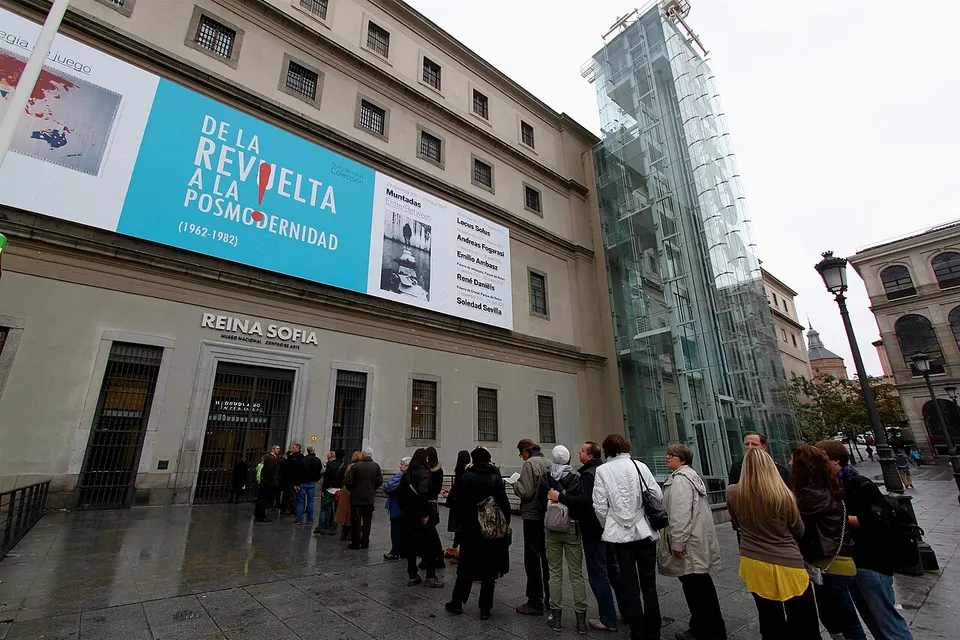
The national museum of 20th-century art: Picasso's Guernica, Dalí and Miró, in a former hospital with glass lift towers. It is next to Atocha station, so it pairs well with the Prado on the same day. Free-hour tickets are issued at the ticket desk.
Culture€14; over 65s and students €10; free under 18; free for all on Mondays 12:00–16:00Mon 12:00–16:00; Tue–Fri and Sun 10:00–19:00; Sat 10:00–23:00
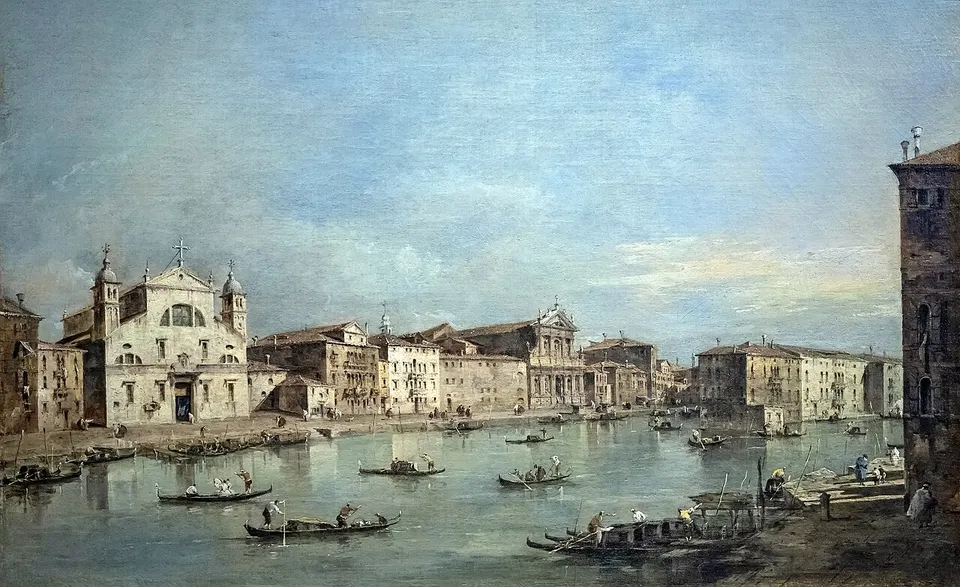
A private collection that fills the gaps between the Prado and the Reina Sofía: Italian Renaissance, Dutch masters, the Impressionists, Van Gogh, Hopper and pop art. Go top floor down to follow it in order. Free Monday tickets are only issued at the desk on the day.
Culture€18; ages 5–16, over 65 and students up to 25 €9; under 5 free; guided €26Oct–Mar Mon–Sat 10:00–18:00, Apr–Sep until 19:00; Sun 10:00–16:00; ticket desk closes 1 hour earlier
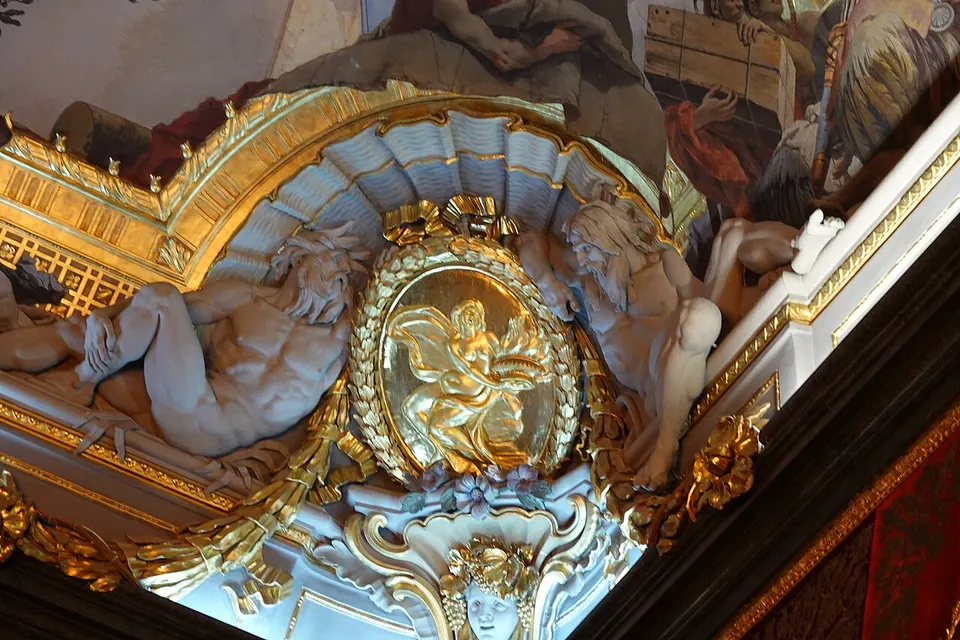
Western Europe's largest royal palace, with more than 3,000 rooms. See the Throne Room, the Stradivarius instruments and the Royal Armoury. Next door are Almudena Cathedral, the Sabatini Gardens and Plaza de Oriente. A Changing of the Guard ceremony takes place outside on the first Wednesday of most months.
NatureFree (rowing boat hire extra)Daily from early morning to late evening (around 6:00–24:00 in summer)
A 125-hectare royal park and UNESCO site: rowing boats on the lake under the Alfonso XII monument, a rose garden, playgrounds, weekend puppet shows and street musicians. The Crystal Palace (Palacio de Cristal) is closed for restoration until 2027 — you can only see it from outside.
A 17th-century arcaded square next to the 1916 iron-and-glass San Miguel market — jamón, oysters, tortilla and vermouth. A few steps away is Puerta del Sol, Spain's 'kilometre zero', and from there the theatres and shops of Gran Vía. The best part of the centre to explore on foot for two or three hours.
CityFree (inside: 30 people for 30 minutes — book ahead)Tue–Sun 10:00–20:00 (until 19:00 from 15 June to 15 September); closed Mondays; park 24 hours
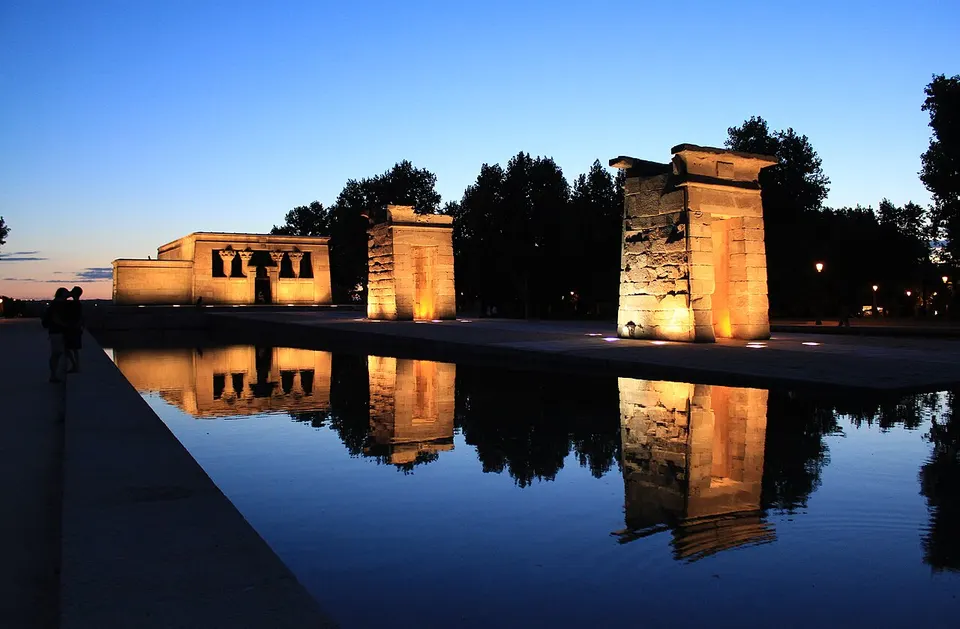
A genuine 2,200-year-old Egyptian temple, saved from the waters of the Aswan Dam and given to Spain in 1968. Set in a park, it is Madrid's most famous sunset spot, looking over the Royal Palace and the Casa de Campo.
CityAdults from €27, ages 5–14 cheaper, under 5 free (varies by date)Usually Mon–Sat 9:30–19:00, Sun 9:30–18:30; limited on match days
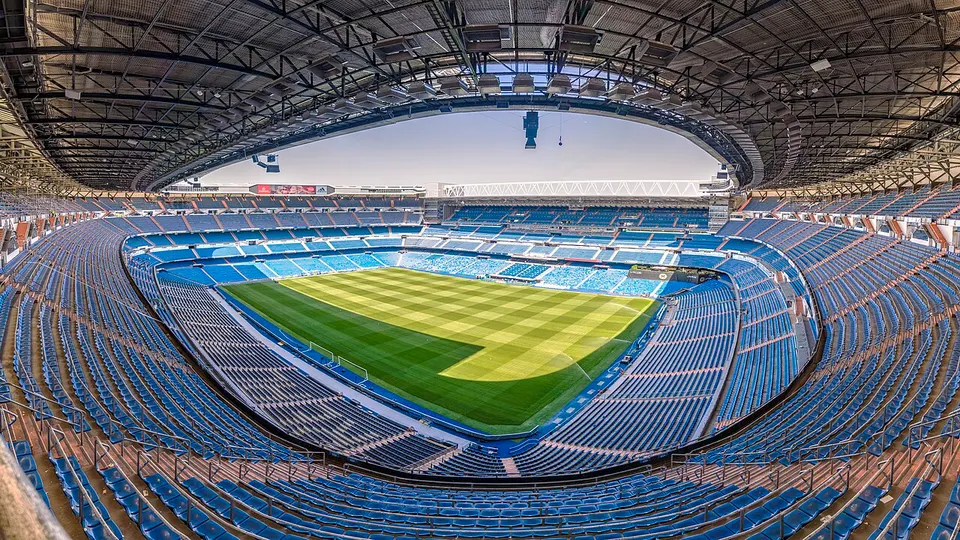
Real Madrid's stadium, recently rebuilt with a retractable roof and a retractable pitch. The tour covers a 360° viewpoint, the museum with 15 Champions League trophies, the dressing room and the players' tunnel. Metro line 10 to Santiago Bernabéu. Buy tickets on realmadrid.com.
ShoppingFreeSundays and public holidays, roughly 9:00–15:00
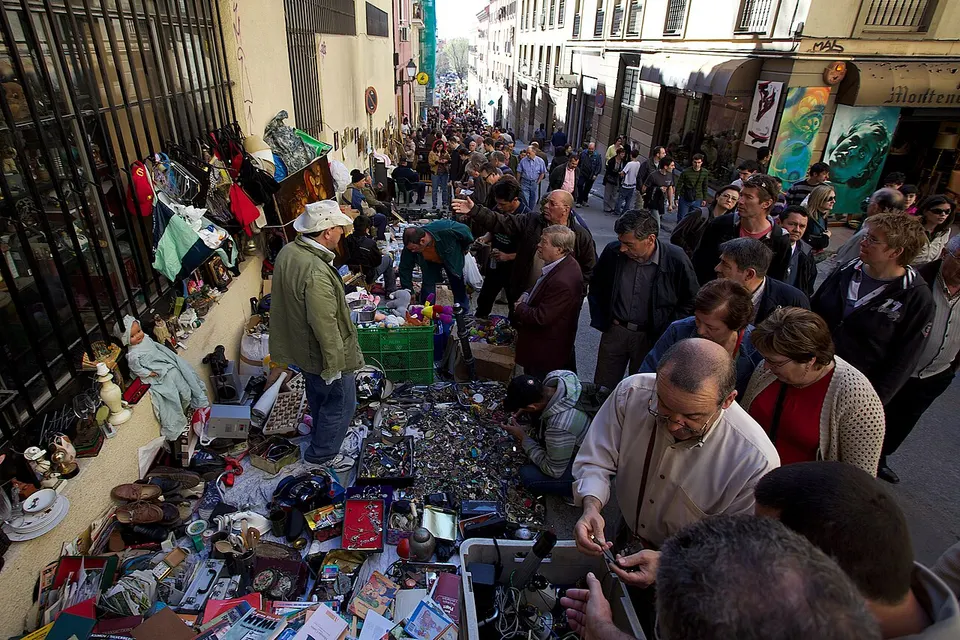
A Sunday flea market held on Ribera de Curtidores in La Latina since the 1740s: second-hand goods, clothes, antiques and souvenirs. Very crowded and full of pickpockets — don't keep your phone in your pocket. Afterwards, have tapas on Cava Baja in La Latina.
CultureCathedral €12 (with audio guide), reduced €9; AVANT train from Atocha extraCathedral Mon–Sat 10:00–18:30, Sun 14:00–18:30
The 'city of three cultures' — a UNESCO-listed medieval town on a hill in a bend of the Tagus that keeps its Christian, Muslim and Jewish heritage. See the Gothic cathedral, El Greco's Burial of the Count of Orgaz, the Santa María la Blanca synagogue, and try the marzipan. AVANT high-speed trains from Atocha take ~33 minutes; from the station take a bus or walk uphill to the centre.
CultureAqueduct free; Alcázar palace + museum from €7, with tower from €10; under 6 freeAlcázar April–October 10:00–19:30, November–March 10:00–18:00
A 28 m, 2,000-year-old Roman aqueduct of mortar-free granite blocks, the Alcázar castle said to have inspired Disney, and a Gothic cathedral. AVANT trains from Chamartín take ~30 minutes; buses run from Segovia-Guiomar station into town. Try the local roast suckling pig (cochinillo).
Culture€14; ages 5–16, over 65 and students €7Tue–Sun 10:00–18:00 (until 19:00 April–September); closed Mondays
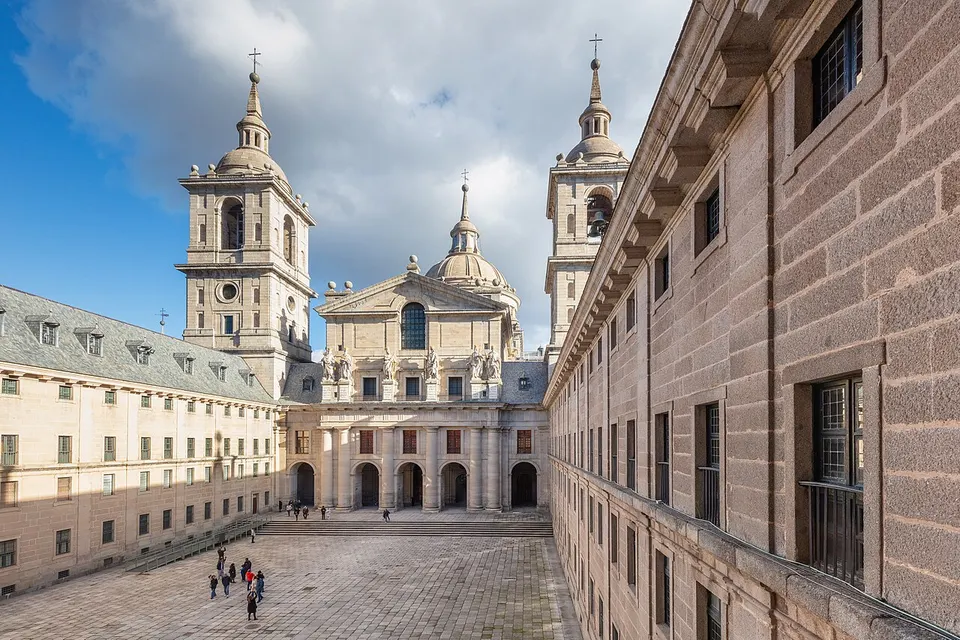
Philip II's 16th-century monastery, palace, library and royal pantheon of Spain's kings — a UNESCO site at the foot of the Guadarrama mountains. Its painting and architecture museums reopened in October 2026 after ten years closed. About an hour from Madrid by Cercanías C3 train or bus 661/664.