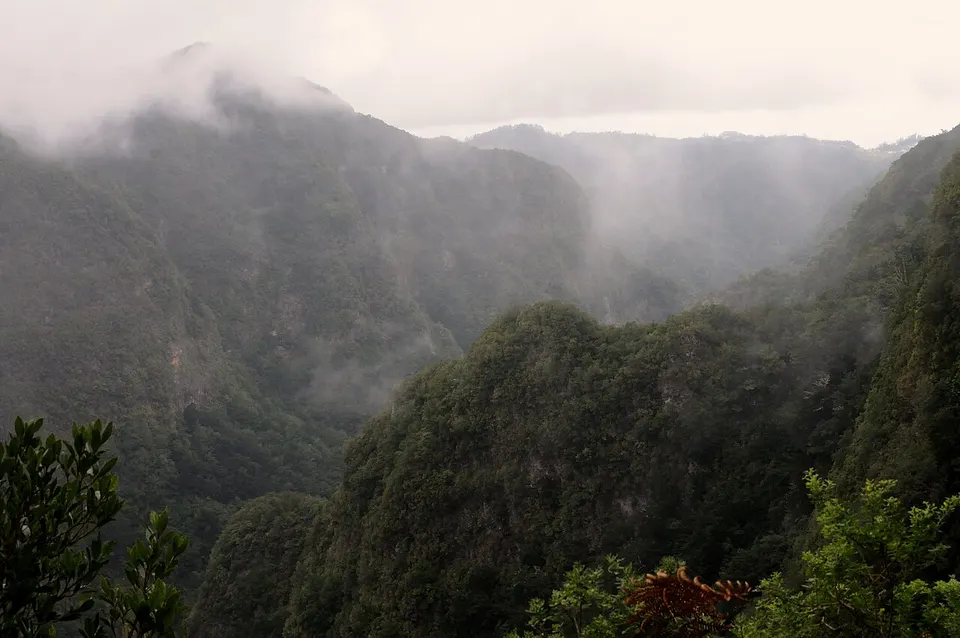
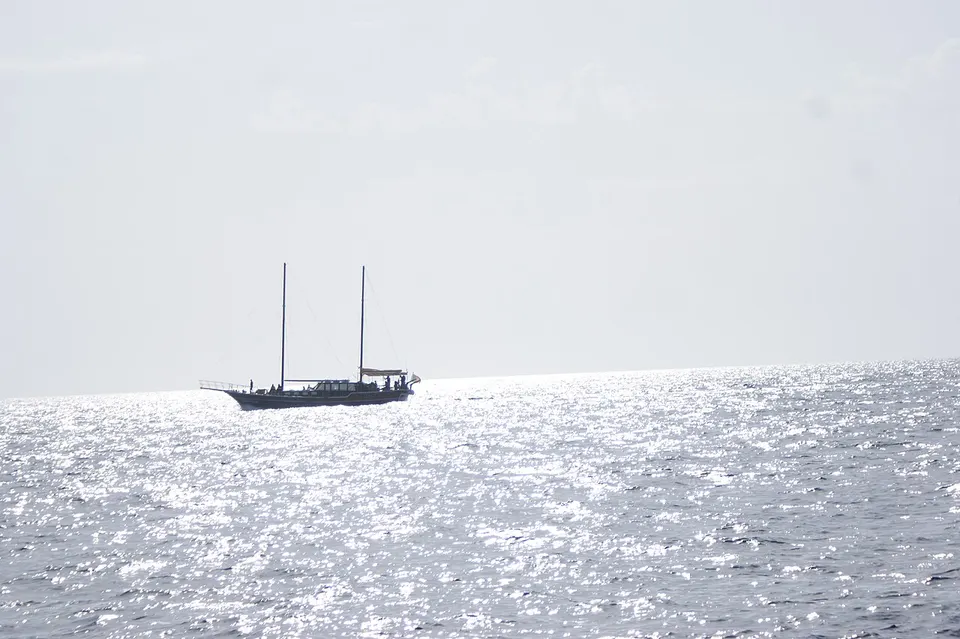
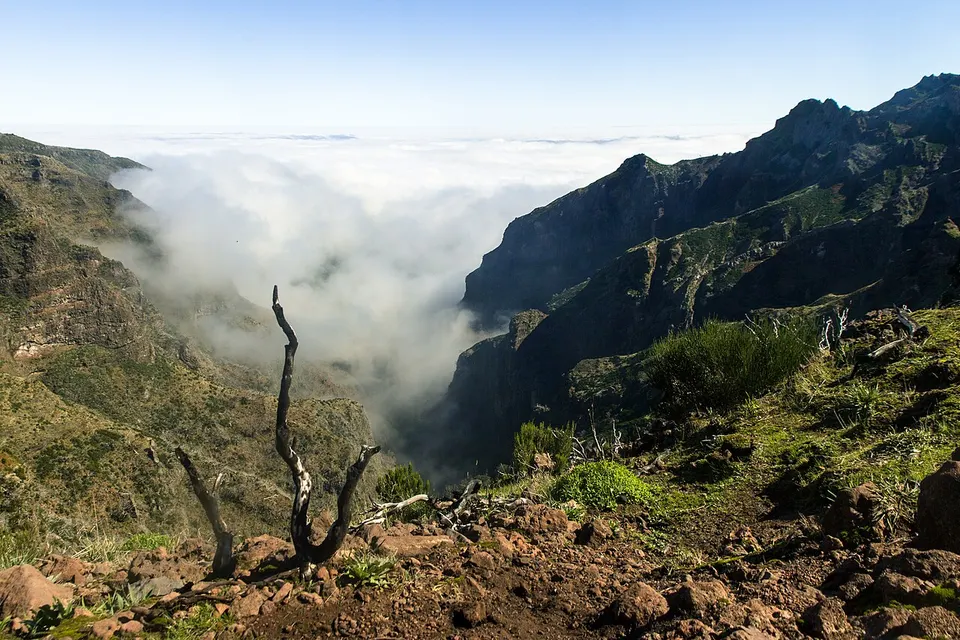
Portugal's volcanic island in the Atlantic — the 'island of eternal spring': mild weather around 20 °C all year, sheer sea cliffs, peaks that rise above the clouds and UNESCO-listed laurel forest. Hike from Pico do Arieiro to Pico Ruivo, walk the levadas (irrigation channels that contour the mountainsides), stroll Funchal's old town with its painted doors, ride the wicker toboggans down from Monte, step onto the Cabo Girão glass skywalk, swim in Porto Moniz's lava rock pools and taste Madeira wine. Ideal for hiking, nature and relaxed family holidays. No direct flights — connect via Frankfurt or Istanbul to Lisbon or Porto, then take a ~1 h 45 domestic flight to Funchal (FNC). Mongolian citizens need a Schengen visa; the German Embassy in Ulaanbaatar (VFS Global) issues Portuguese visas on Portugal's behalf.
Sign in to keep the plan — you'll continue right after.
Orange — daytime average, blue — night, grey bars — rainfall, green — sea temperature. Best months: April, May, June, September, October.

Drive up to Pico do Arieiro (1,818 m), the island's third-highest peak, to watch the sunrise over a sea of clouds. From here the 7 km PR1 trail follows the ridge via steps and tunnels to the highest summit, Pico Ruivo (1,862 m); rebuilt after the 2024 wildfire, it reopened on 27 April 2026 — about 3.5 hours one way, for fit hikers with a head for heights. With children, take the short PR1.2 from Achada do Teixeira to Pico Ruivo (€4.50) instead. Bring warm layers and water.
🧸 for kidsOn Rua de Santa Maria, Funchal's oldest street, artists have painted more than 200 doors (the 'Arte de Portas Abertas' project) — great for a stroll and photos. Nearby are the 17th-century São Tiago fort, the Corpo Santo chapel and the fishermen's beach. In the centre, Blandy's Wine Lodge tells the story of Madeira wine (tours with tasting from €12.50), and on the waterfront the CR7 Museum shows Cristiano Ronaldo's trophies (€5, under 10 free).
🧸 for kidsMongolian ordinary passport holders need a Schengen short-stay (C) visa (checked 2026.10). Madeira is part of Portugal and of the Schengen area. Portugal has no embassy in Mongolia; if Portugal is your main destination, the German Embassy in Ulaanbaatar issues the visa on Portugal's behalf (it represents 11 states: Belgium, Denmark, Finland, Greece, Iceland, Latvia, Luxembourg, Malta, Portugal, Slovenia and Spain). VFS Global takes the applications (at the embassy premises, Baga Toiruu-2, United Nations Street 16); book the appointment online — there is no need to go to Beijing. Fee €90, ages 6–11 €45, under 6 free, plus a 100,000₮ VFS service fee. Apply between 6 months and 4 weeks before travel; processing takes at least 15 days (it can stretch to 30–60). Medical insurance of at least €30,000 is mandatory. Up to 90 days in any 180. Since 10 April 2026 the EES is fully live and records fingerprints and a face image at the border; ETIAS does not apply to visa holders.
Visa rules can change — confirm with the embassy or an official source before you travel.
Language: Portuguese; English is widely spoken in Funchal, hotels, restaurants and tour companies, less so in mountain villages. Learn 'Olá' (hello) and 'Obrigado/Obrigada' (thank you)
Safety: One of the safest places in Europe; crime is rare. The real risks are natural: mountain trails and levadas are narrow, with drop-offs and unfenced stretches — stick to open, registered trails and don't head for the peaks in rain, fog or strong wind. Levadas with tunnels need a torch. Atlantic waves are strong — swim only at lifeguarded beaches and protected pools. Wildfires break out in dry summers; keep off closed trails. Drive carefully on the narrow, steep, winding mountain roads.
Healthcare: Emergency departments (Urgência) at Funchal's public Hospital Dr. Nélio Mendonça (with a paediatric unit); the private Hospital Particular da Madeira and Clínica de Santa Catarina serve patients in English. Pharmacies (farmácia) have a green cross. Treatment is charged to foreigners, so carry the insurance your visa requires; cover that includes mountain rescue is better. All emergency calls go to 112.
Phone: MEO, NOS and Vodafone prepaid SIMs are sold in Funchal stores with a passport. Easiest is an eSIM bought before the trip (Airalo, Holafly). An EU SIM works across the Schengen/EU at no extra charge. Some mountain valleys and levada tunnels have no signal.
Like a well-travelled friend for a first-timer: before you go, landing, SIM, transport, money, food, safety, manners, apps, leaving — step by step.
If Portugal is your main destination, the German Embassy in Ulaanbaatar issues the visa on Portugal's behalf — there is no need to go to Beijing. Book an appointment online with VFS Global and attend in person at the embassy premises to give fingerprints. Fee €90 (ages 6–11 €45, under 6 free) plus a 100,000₮ VFS service fee. Apply between 6 months and 4 weeks before travel; processing takes at least 15 days. Medical insurance of at least €30,000 is mandatory.
Tip: Your main destination is the country where you spend the most nights. Combining Madeira with Lisbon is no problem — both are Portugal.
Since 1 January 2026, Madeira's classified hiking trails require a time-slot booking and advance payment on the SIMplifica portal: most trails cost €4.50 per person, and the reopened PR1 (Pico do Arieiro–Pico Ruivo) €10.50; children under 12 are free but must be included in the booking. Show your QR code to the ranger at the trailhead.
Tip: Recheck that the trail is open on SIMplifica or with IFCN that morning — rain and landslides close trails at short notice.
A car is the freest way to reach the mountains, the north coast and the levada trailheads; carry an International Driving Permit along with your Mongolian licence. Mountain roads are steep, narrow and winding, so choose an automatic with a decent engine. Without a car, base yourself in Funchal and combine buses, guided tours and taxis.
The Aerobus runs from the airport to central Funchal and the hotel zone: €6.70 cash on board (child €3.30), or €5.55 with a pre-bought GIRO card. 25–40 minutes to town and about 50 minutes to the Praia Formosa terminus; every 30 minutes to 2 hours.
A taxi, Bolt or Uber to Funchal is quick and easy. With lots of luggage or children, a pre-booked transfer is easier. If you're renting a car, collecting it at the airport is simplest.
Tip: On windy days flights can be delayed or diverted to another airport — choose flexible terms for transfers and hotel bookings.
If your phone supports eSIM, buy and install a travel eSIM (Airalo, Holafly) before you leave: it works as soon as you land at your connection and in Madeira. Pick a multi-country Europe plan.
Tip: Mountain valleys and levada tunnels have no signal — download the island in Google Maps for offline use.
Buy a SIM with your passport at MEO, NOS or Vodafone stores in Funchal. An EU SIM works in other Schengen countries at no extra charge.
Yellow 'Horários do Funchal' buses serve the city; fares are cheaper with a GIRO card. Intercity buses (SAM, Rodoeste, CAM) circle the island but rarely reach mountain trailheads. The Funchal–Monte cable car costs €16 one way and €22 return.
The VR1 expressway links the south coast, with long tunnels through the mountains. Old mountain roads are very steep, narrow and can be foggy — drive slowly with headlights on. Trailhead car parks fill early. Traffic drives on the right, as in Mongolia.
The Pico do Arieiro–Pico Ruivo PR1 is a one-way route, so you need a taxi or a tour's transport between start and finish. A shuttle runs from the car park down to Rabaçal (25 Fontes): €5 one way, €8 return.
Cards and phone payments are accepted almost everywhere; carry cash for the Aerobus, the Monte toboggans, market stalls and mountain cafés. Withdraw euros from bank ATMs marked Multibanco; tourist ATMs such as Euronet charge high fees. Tipping isn't required — round up for good service.
Tip: If an ATM or card terminal offers to charge you in tugrik, decline — choose euros.
Since October 2024 Funchal charges guests aged 13 and over a €2 tourist tax per night, capped at 7 nights per stay, paid at your accommodation. Many other Madeiran municipalities charge a similar tax.
Non-EU visitors get a form by showing their passport in shops with a Tax Free sign. Validate it at the customs kiosk at the airport where you leave the EU — in Frankfurt if you connect there.
Espetada — beef skewered on bay-laurel sticks — black scabbardfish (espada) with banana and passion fruit, seared tuna, garlic-butter 'bolo do caco' flatbread and grilled limpets (lapas). For dessert: bolo de mel (molasses honey cake) and passion-fruit pudding. For adults, Madeira wine and poncha.
Tip: Bread and olives put on the table unasked (the 'couvert') are charged — send them back if you don't want them.
Walk a street or two back from the old town's tourist lanes and prices drop while quality rises. The weekday lunch 'prato do dia' (dish of the day) is cheap and good. Espetada restaurants in mountain villages suit families.
Shop at Pingo Doce, Continente and Lidl — renting an apartment is the most economical choice for families. Tap water is drinkable. Take plenty of water and snacks on levada walks — there are no shops on the trails.
Use only open, registered trails and never enter one marked closed. Levadas are narrow, unfenced and slippery in places — hold children by the hand. Mountain weather changes fast: bring warm layers, a rain jacket, a torch and water, and head back before dark.
Atlantic waves are strong — swim at lifeguarded beaches and protected natural pools, and keep off the rocks in heavy swell. Crime is rare, but don't leave belongings in the car. If you lose your passport, report it to the PSP police and contact the Mongolian embassy accredited to Portugal — check the details on consul.mn.
'Bom dia' (good morning), and 'Obrigado' (said by a man) or 'Obrigada' (said by a woman) — thank you. Portuguese people dislike being addressed in Spanish; English is better.
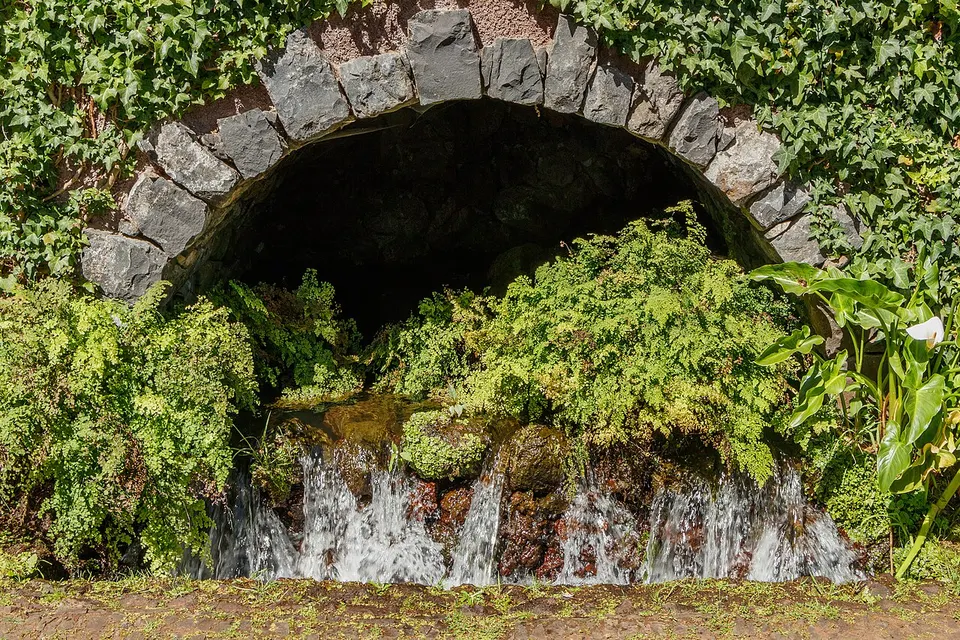
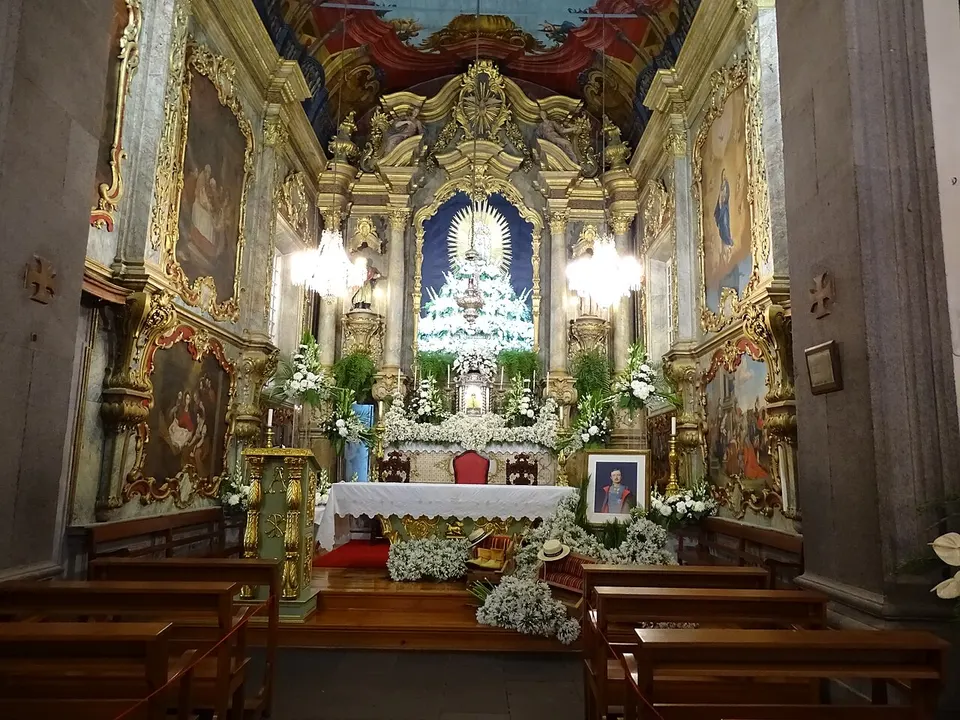
Levadas are working irrigation channels — don't pollute the water, leave no litter, and stay on the path rather than trampling plants. Keep away from private village plots and livestock. Cover shoulders and knees in churches.
Ask for the bill yourself — 'A conta, por favor'. Meals are unhurried — nobody rushes you. Friends greet with a kiss on both cheeks; shake hands when meeting for the first time.
Book trails on SIMplifica and keep the QR code on your phone. Horários do Funchal shows city bus timetables; Bolt and Uber work in Funchal, but cars are slow to arrive in mountain villages. Download the island in Google Maps for offline use.
Buy cable car tickets online on the official site to skip the ticket queue. Book whale-watching and boat trips with licensed operators. Google Translate's camera mode translates Portuguese menus instantly.
Take the Aerobus, a taxi or your car to the airport. Wind delays are common, so leave plenty of time before onward connections and book connecting flights on a single ticket. Domestic flights to Lisbon or Porto stay inside Schengen, so there is no passport control. Return your rental car with a full tank.
Leave Schengen within the days on your visa — the EES records your exit automatically, and overstaying harms future applications. You exit Schengen in Frankfurt or Lisbon. Keep Tax Free goods in your hand luggage.
Checked by a person: 2026-10-03
Answers come from the researched facts and the guide. When it doesn't know, it says so — nothing is made up.
Sign in to ask. Sign in →
AI answer: double-check anything beyond our researched facts with an official source.
0–5 scores are our team's rating relative to Asian holiday destinations (sources below).
Estimated values: bestMonths, cost.attractionAvgUsd, cost.groceriesDayFamilyUsd, cost.lodgingNightUsd, cost.mealCheapUsd, cost.mealMid2Usd, cost.localTransportDayUsd, flights.routes[0-2].hours, flights.rtUsdPerAdult, scores, weather, weather[].hi, weather[].lo, weather[].rainMm, weather[].seaC
From Queimadas forest park in Santana, follow an irrigation channel through UNESCO-listed laurel forest to a 100 m waterfall tumbling into a green cauldron — 13 km return, 5–6 hours. The path is level but narrow, with unfenced sections and dark tunnels, so bring a torch and a rain jacket; good with older children. In Santana village you can see the traditional triangular thatched houses (casas típicas) for free.
From the Paul da Serra plateau in the west, descend to Rabaçal and walk a levada to the '25 springs' pool, where streams pour down a rock wall (~9 km return, 3–4 hours). A side path leads to the Risco waterfall in an easy 30–45 minutes — good for small children. A shuttle covers the steep 2 km road between the car park and Rabaçal. It gets crowded, so go early.
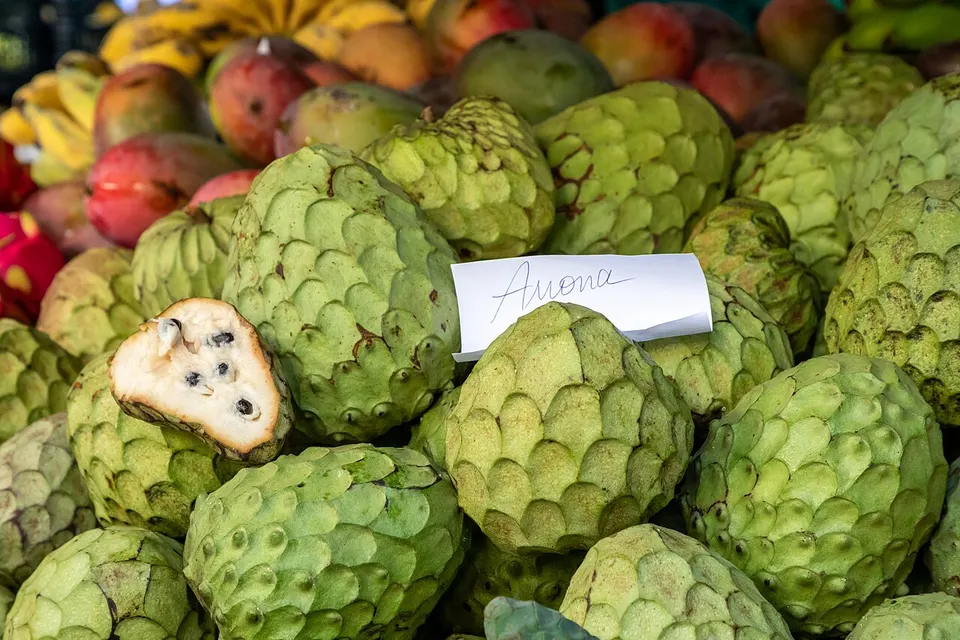
A farmers' market in a 1940 Art Deco building: azulejo tile panels over the entrance, flower sellers in traditional dress, tropical fruit such as passion fruit, custard apple and bananas, and a fish hall selling black scabbardfish (espada). Vendors offer tastings and then quote high prices, so ask the price per kilo first. Liveliest on Friday and Saturday mornings.
🧸 for kidsA 15-minute cable car ride climbs from Funchal's seafront to Monte. Monte Palace garden spreads over 7 ha with plants from around the world, cycads, Japanese gardens, koi ponds, 40 azulejo tile panels and a mineral museum — children love the bridges, stairs and fish. Nearby is Our Lady of Monte church, and another cable car runs to the Botanical Garden.
🧸 for kidsA tradition dating from the 19th century: two 'carreiros' in white with straw boater hats steer a wicker sledge 2 km down the streets from below Monte church to Livramento in about 10 minutes, braking with their rubber-soled boots. Children and adults alike love it. From the bottom you need a taxi or bus back to town. Queues are shorter before 10:30 or after 15:00.
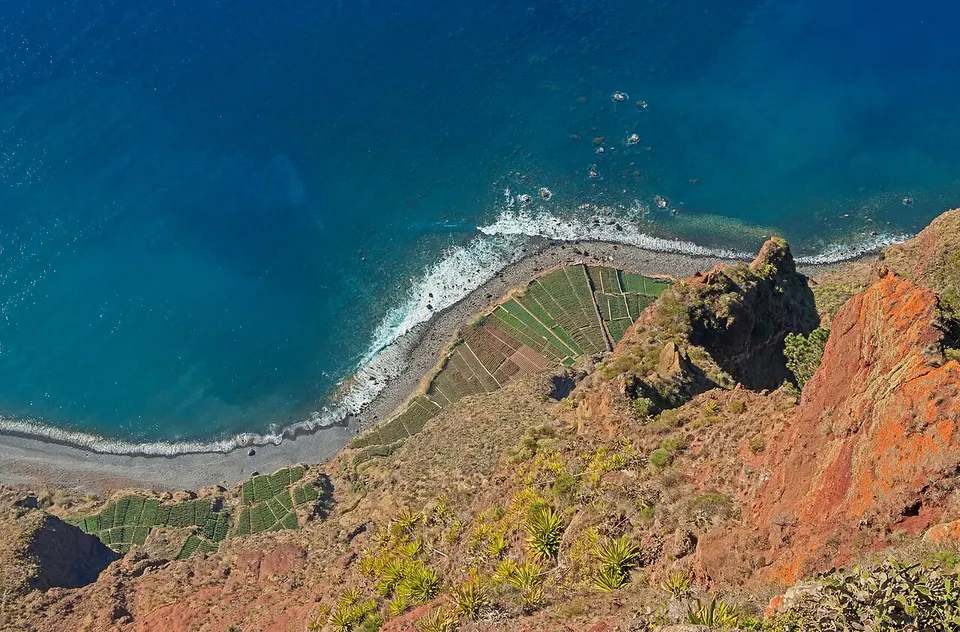
🧸 for kidsOne of Europe's highest sea cliffs (580 m) — from a glass-floored platform jutting over the edge you look straight down to the sea and the tiny terraced fields at the cliff foot. 20 minutes' drive from Funchal; stop on the way at Câmara de Lobos, the fishing harbour Churchill painted. The glass floor can scare children afraid of heights.
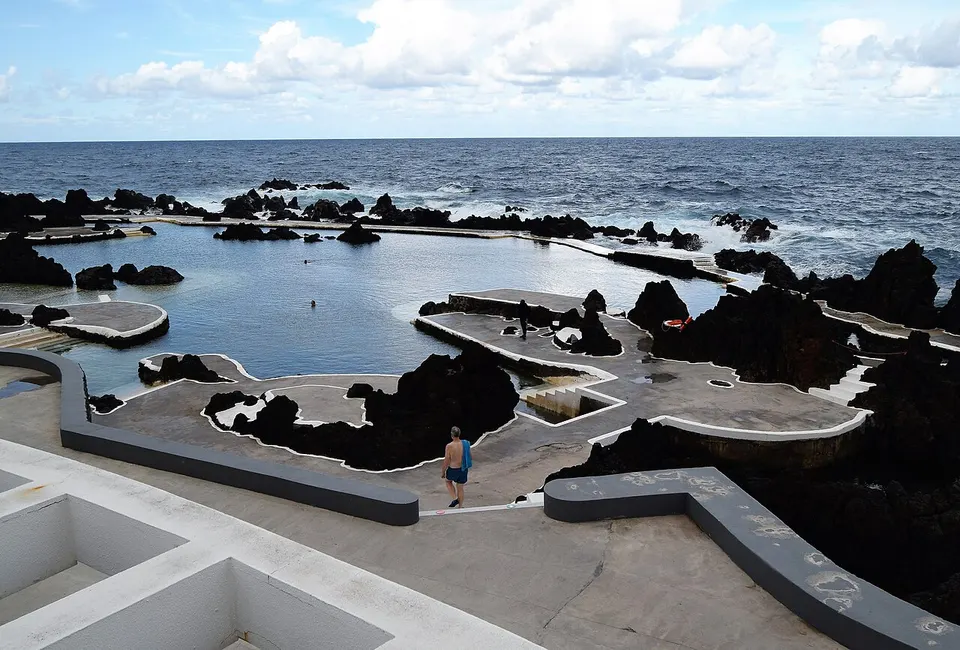
🧸 for kidsAt the island's north-western tip, natural pools formed in black lava rock and refilled by the waves. The paid complex has lifeguards, changing rooms, a shallow children's pool and a playground — the best family swimming spot on an island with few sandy beaches. On the way, stop at Seixal's black-sand beach and the Véu da Noiva waterfall viewpoint.
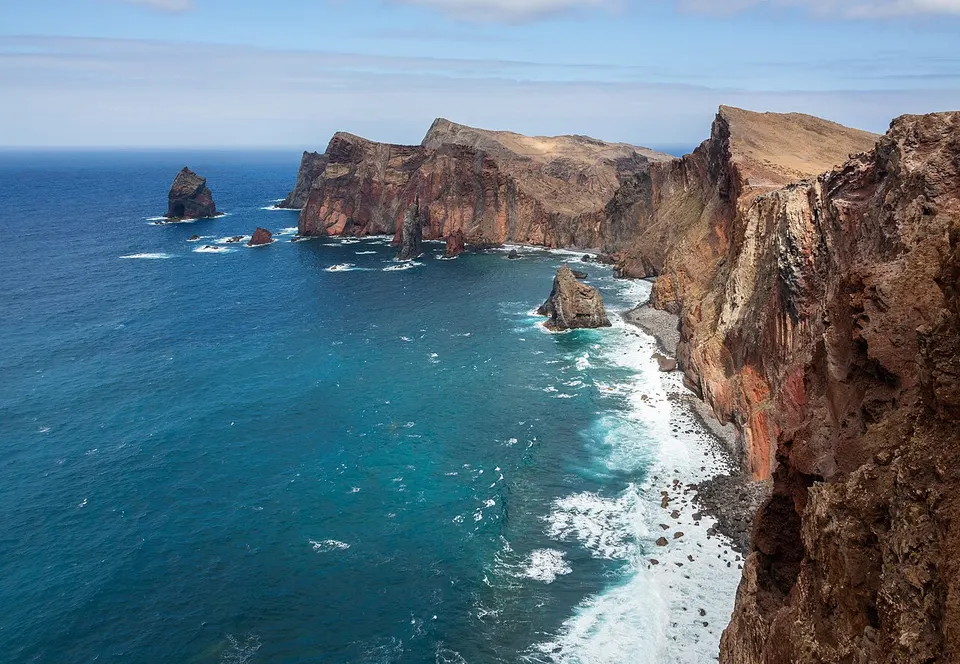
🧸 for kidsThe island's dry, treeless eastern tip: red, ochre and black volcanic cliffs drop into the Atlantic on both sides — a landscape completely unlike Madeira's green forests. From the Baía d'Abra car park to Casa do Sardinha is 8 km return, about 3 hours; with children, walk to the first viewpoints. It is windy with no shade — bring a hat and water.
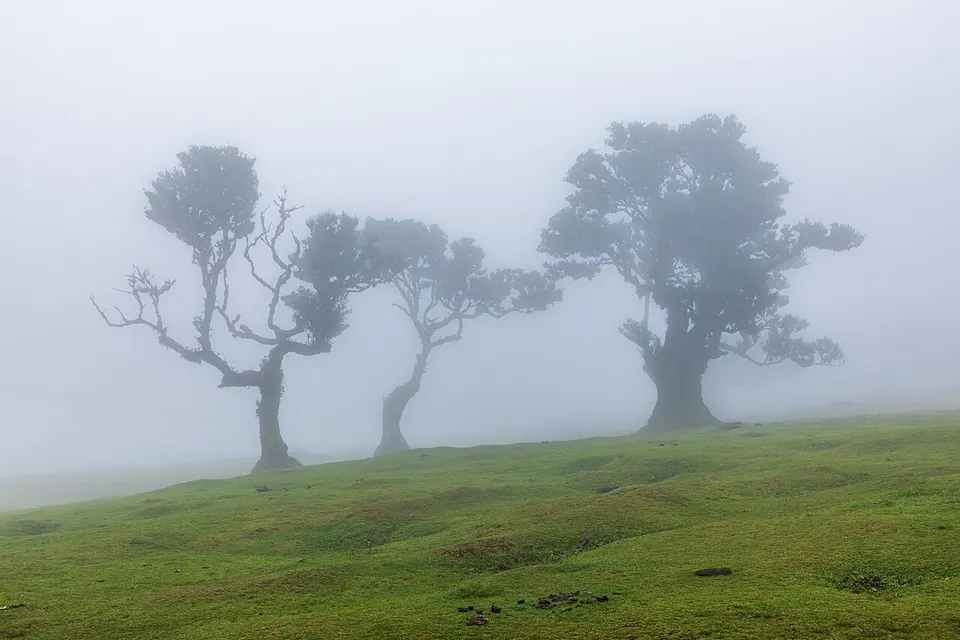
🧸 for kidsOn the edge of the Paul da Serra plateau, gnarled laurel trees over 500 years old shade green pastures in a magical forest — part of Madeira's UNESCO World Heritage laurisilva. When the fog rolls in the forest looks like a fairy tale, a favourite with photographers. It is flat and right by the parking area, so fine for small children and older people; cows graze here.
🧸 for kidsDolphins are seen off Madeira almost all year, and whales (sperm, fin and sometimes blue whales) in many seasons. Catamarans and speedboats leave from Funchal marina and Calheta; choose a licensed operator with a marine biologist on board that follows the wildlife code. A catamaran is better for children prone to seasickness.
Typical prices for food, taxis, groceries and rent, with low–high ranges. $1 = 3,595.79₮ · $1 = 1 EUR
| Item | Low | Average | High | Source |
|---|---|---|---|---|
| Inexpensive restaurant meal · 1 person | — | 50k₮ | — | |
| Mid-range restaurant, 3 courses · 2 people | — | 201k₮ | — | |
| Groceries — family, per day · 5 people | — | 137k₮ | — | |
| Taxi/Grab — per day · typical | — | 43k₮ | — | |
| Attraction ticket · adult | — | 54k₮ | — |