Peru's capital Lima plus Cusco and Machu Picchu, the heart of the Inca empire: a UNESCO-listed colonial centre, Miraflores on its Pacific clifftop, world-famous ceviche and Peruvian cuisine, the Sacred Valley and the ruins of Machu Picchu. For culture, food and mountain adventure. No direct flights from Ulaanbaatar — 28–36 hours via Madrid, Amsterdam or Paris. Mongolian citizens can visit as tourists visa-free for up to 90 days in any 180. Cusco sits at 3,400 m, so guard against altitude sickness.
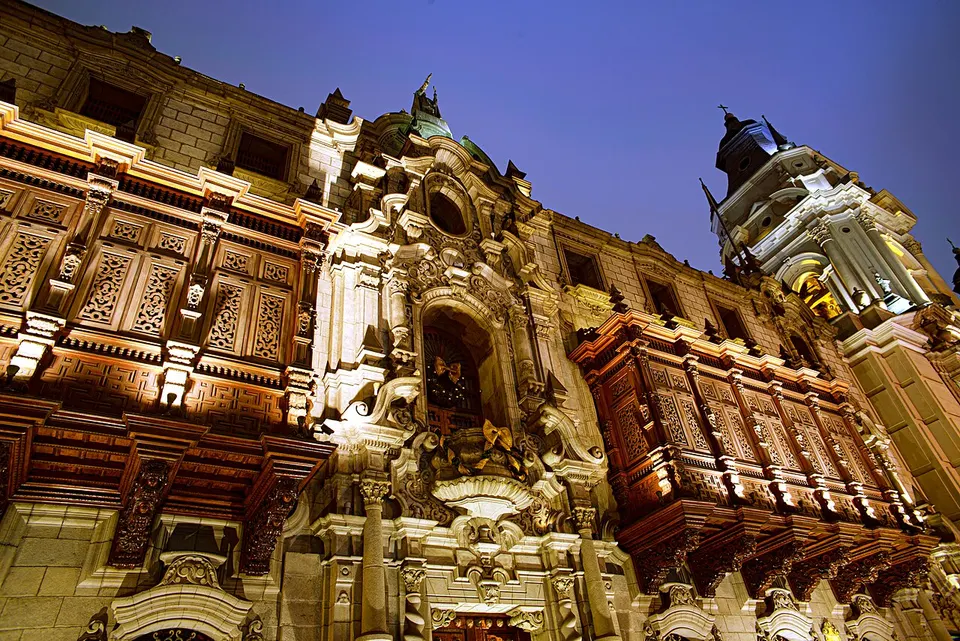
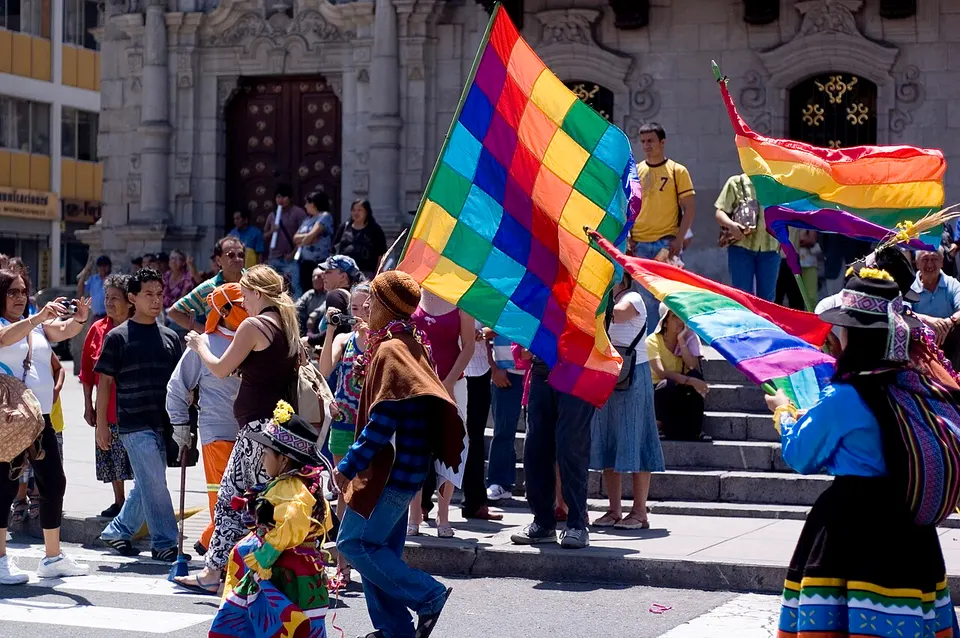
The UNESCO-listed colonial centre: the Government Palace (changing of the guard at midday), the Cathedral, buildings with wooden balconies and the underground catacombs of San Francisco monastery. Visit by day and move away from any protests.
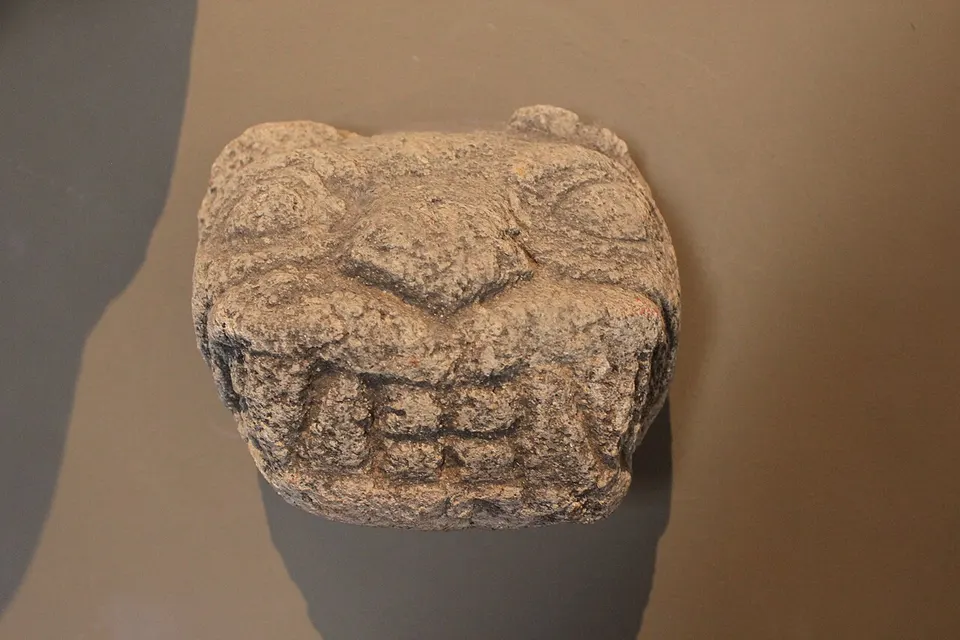
5,000 years of pre-Inca history: gold and silver ornaments and Moche pottery in an 18th-century mansion. There is a restaurant in a flower garden. If you see one museum in Lima, make it this one.
Adult return fare: $1900–$3300Return economy fares run ~$1,900–3,300 (the domestic flight to Cusco is extra, ~$100–250). Buy connections on one ticket (bags checked through). Connecting through the USA (Miami, Houston, Atlanta, Los Angeles) requires a US visa even for transit. For airside transit in Schengen (Madrid, Amsterdam, Paris, Frankfurt) Mongolia is not on the EU common airport-transit-visa list, but leaving the airport or changing terminals on separate tickets requires a Schengen visa — confirm with the airline before buying. Brazil (São Paulo) is visa-free for Mongolians; Turkey is visa-free for 30 days.
🛂
Visa and documents
Visa-free · 90 days · language, safety, medical, SIM
Visa-free · 90 days
The Peru–Mongolia agreement abolishing tourist visas for ordinary passports has been in force since 1 October 2021: Mongolian ordinary passport holders can visit Peru for tourism visa-free for up to 90 days within 180 days of first entry. The Peruvian Foreign Ministry's visa table lists Mongolia as tourist 'no visa, 90/180', while business visits need a visa. Immigration may check a return ticket, sufficient funds and a hotel booking; the officer sets the number of days granted. No fee. (Peru's separate exemption for holders of US/Schengen visas does not apply to or matter for Mongolians.) Note: transiting the USA needs a US visa; leaving the airport in Schengen needs a Schengen visa.
Visa rules can change — confirm with the embassy or an official source before you travel.
Language:Spanish (also Quechua in the Andes); English is spoken in hotels and tourist businesses but rarely in taxis, markets and restaurants — a translation app is a must
Safety:Lima has street theft, phone snatching, robberies by fake taxis and 'express kidnapping' (being forced to withdraw cash at ATMs) — including in Miraflores and Barranco. Book taxis through an app or your hotel, never hail one in the street. Political protests and road blockades (especially in the southern Andes — Cusco, Puno, the Lake Titicaca area) can start suddenly and cut the Machu Picchu trains and roads. Altitude sickness is common in Cusco (3,400 m) and on Rainbow Mountain (5,000 m).
Healthcare:Lima has good, expensive private hospitals such as Clínica Anglo Americana and Clínica Ricardo Palma; private clinics in Cusco are experienced with altitude sickness. CDC: the flight from Lima to Cusco climbs ~3,350 m in an hour, so many people get headaches and nausea — rest for the first 1–2 days and ask your doctor about acetazolamide. Yellow fever vaccination is not recommended for Lima, Cusco or Machu Picchu (it is for the Amazon). Travel insurance with evacuation cover is a must.
Phone:Easiest is an eSIM bought before the flight (Airalo, Holafly, Ubigi); prepaid Claro, Movistar, Entel or Bitel SIMs are registered with your passport at official stores. Coverage drops in the Sacred Valley and on mountain roads, so download offline maps.
🧭
Travel guide
Arrival, SIM, transport, money, customs — step by step
Like a well-travelled friend for a first-timer: before you go, landing, SIM, transport, money, food, safety, manners, apps, leaving — step by step.
🧳Before you goPeru needs no visa, but plan three things ahead: visas for the countries you connect through, Machu Picchu tickets and altitude sickness.+
1
Visa: 90 days in 180 visa-free
The Peru–Mongolia agreement has been in force since 1 October 2021: Mongolian ordinary passport holders can visit for tourism visa-free for up to 90 days in 180. Business visits need a visa. Immigration may check a return ticket, hotel booking and funds. Connecting through the USA requires a US visa; for airside transit in Schengen Mongolia is not on the EU common airport-transit-visa list, but leaving the airport requires a Schengen visa.
Tip: Book all flights on one ticket — bags go through and you don't pass immigration at the hub.
Tickets are sold only at tuboleto.cultura.pe, where you pick a route and entry time; the daily cap is 4,500 (regular) and 5,600 (19 June – 2 November). Foreign adults pay S/152, plus an S/11 conservation fee since 1 May 2026. The Inca Trail is booked only through licensed agencies, months ahead — it is closed in February.
Tip: Book the Machu Picchu ticket first, then the train and hotel.
CDC: flying from Lima to Cusco climbs ~3,350 m in about an hour, so many people get headaches and nausea starting 4–8 hours after arrival. Ask your doctor before the trip whether to take acetazolamide; take the first days slowly, skip alcohol and drink plenty of water. Travel insurance with evacuation cover is a must.
🛬Landing and getting to the cityJorge Chávez Airport's new terminal is in Callao, north-west of Miraflores; traffic is heavy.+
1
Airport Express Lima bus
The airport's official Airport Express Lima bus makes 4 stops in Miraflores (Larcomar, the Av. Larco tourist information centre, Kennedy Park, Hotel Boulevard): S/20 for one passenger, S/15 each for two or more. You can book online in advance.
UK FCDO: criminals posing as taxi drivers or tour operators target arriving passengers at the airport. Use only the official taxi desks after baggage claim, or Uber/Cabify; never get into a car offered by a stranger.
Cusco flights leave from the domestic area; LATAM, Sky and JetSMART fly the route. Many travellers spend their first nights in the lower Sacred Valley (Urubamba, Ollantaytambo) rather than Cusco to acclimatise.
If your phone supports eSIM, install a Peru plan from Airalo, Holafly or Ubigi before flying — you can call an Uber the moment you land. Coverage drops in the Sacred Valley and on mountain roads, so download offline maps.
Prepaid Claro, Movistar, Entel and Bitel SIMs are registered with your passport at official stores. Claro and Movistar are generally said to cover the mountains best.
Tip: Don't stand on the street holding your phone — motorbike snatch thieves are common.
🚇Getting aroundLima is big and congested; visitors mostly use ride apps and the Metropolitano bus.+
1
Ride apps
Uber, Cabify and InDrive are widely used in Lima. Don't hail taxis in the street — the UK FCDO warns of fake-taxi robberies and 'express kidnapping'. Having a restaurant or hotel call a taxi is also safe.
The Metropolitano rapid bus runs in its own lanes from Miraflores and Barranco to the historic centre, avoiding traffic; pay with a prepaid card. It is packed at rush hour and pickpockets are common.
No road reaches Machu Picchu: take a PeruRail or Inca Rail train from Poroy near Cusco or from Ollantaytambo to Aguas Calientes, then the Consettur bus up. Train fares depend on class and time, roughly $60 and up one way; the bus is $12 one way. Protests and blockades can halt the trains, so keep a spare day.
The currency is the Peruvian sol (S/). City restaurants, shops and hotels take cards; markets, small shops, non-app taxis and Andean villages need cash. Paying in dollars is sometimes possible but at a poor rate.
Withdraw cash by day from ATMs inside banks or malls; street money changers risk handing you counterfeit notes. Carry small notes — many vendors refuse large ones for lack of change.
Tip: Carry only what you need for the day and leave the rest in the hotel safe.
3
Tipping
If service isn't included, leaving a small tip in restaurants is customary. Guides, porters and Inca Trail crews are tipped; taxis are not expected to be.
🍜FoodLima is Latin America's food capital: seafood, Andean potatoes and corn, Chinese-Peruvian (chifa) and Japanese-Peruvian (Nikkei) cooking.+
1
Ceviche and lomo saltado
Ceviche is fresh fish 'cooked' in lime juice with red onion and chilli; Peruvians eat it at lunch. Lomo saltado is a Chinese-Peruvian stir-fry of beef, potatoes and rice that children like too. Chifa (Chinese-Peruvian) restaurants are cheap and everywhere.
2
Menú del día and water
The lunchtime 'menú' — soup, main and a drink at a low price — is offered by every local restaurant. Don't drink tap water; buy bottled, and be careful with street food and raw salads.
3
Andean food
In Cusco, alpaca meat, quinoa soup, countless potato varieties and roast guinea pig (cuy) are traditional. Coca-leaf tea (mate de coca) is drunk against altitude sickness — legal in Peru, but never take it out to Mongolia.
Tip: Skip heavy, fatty food and alcohol on your first day at altitude.
🛡️Safety and health+
1
Emergency numbers
Police 105, fire 116, ambulance (SAMU) 106. If robbed, get a police report (denuncia) from the police or tourist police for your insurer.
UK FCDO: theft and mugging are common in Lima, and 'express kidnapping' mostly targets people alone at night. Political protests escalate quickly and sudden road blockades can halt the Machu Picchu trains and border crossings; foreigners who join protests risk detention and deportation. The FCDO advises avoiding the border areas with Ecuador, Colombia and Brazil and the VRAEM region.
Rainbow Mountain (5,000 m) and Lake Titicaca (3,800 m) are higher than Cusco — go only after acclimatising there. With a severe headache, breathlessness or confusion, descend at once and seek medical help. Lima has good private hospitals such as Clínica Anglo Americana; call your insurer's assistance line first.
Peruvians are polite: 'buenos días', 'gracias' and 'por favor' go a long way. Women greet with one kiss on the cheek, men shake hands. Timekeeping is relaxed.
2
Andean people and photos
In Cusco, women in traditional dress and children with alpacas usually ask for money if you photograph them — ask first. Keep quiet in churches during services and take your hat off.
3
Respecting the sites
Machu Picchu bans food, single-use plastic, drones, tripods and large bags; climbing on or touching Inca walls is forbidden. You may not leave the route on your ticket.
Buy Machu Picchu and Inca Trail tickets only from the official Tu Boleto site or a licensed agency; fake sites are common. Book trains on PeruRail's and Inca Rail's own sites.
Plan to be at the airport 3 hours before an international flight and add extra time for Lima traffic. Cusco–Lima flights get delayed by rain, fog and protests, so don't fly out of Cusco on the day of your international flight — arrive in Lima a day early.
Overstaying the days granted at the border brings a daily fine under Peruvian law, paid on departure. If you connect through Schengen or the USA on the way home, re-check your transit conditions.
A 6 km green promenade along the Pacific cliffs: Love Park, paragliders and sunsets. The Larcomar mall, built into the cliff, has restaurants with ocean views. The most comfortable and safest district for visitors.
The old artists' quarter: the wooden Bridge of Sighs, murals, galleries and bars. Around it are famous restaurants serving ceviche — fresh fish 'cooked' in lime juice — lomo saltado and other Peruvian dishes. Peruvians eat ceviche at lunchtime.
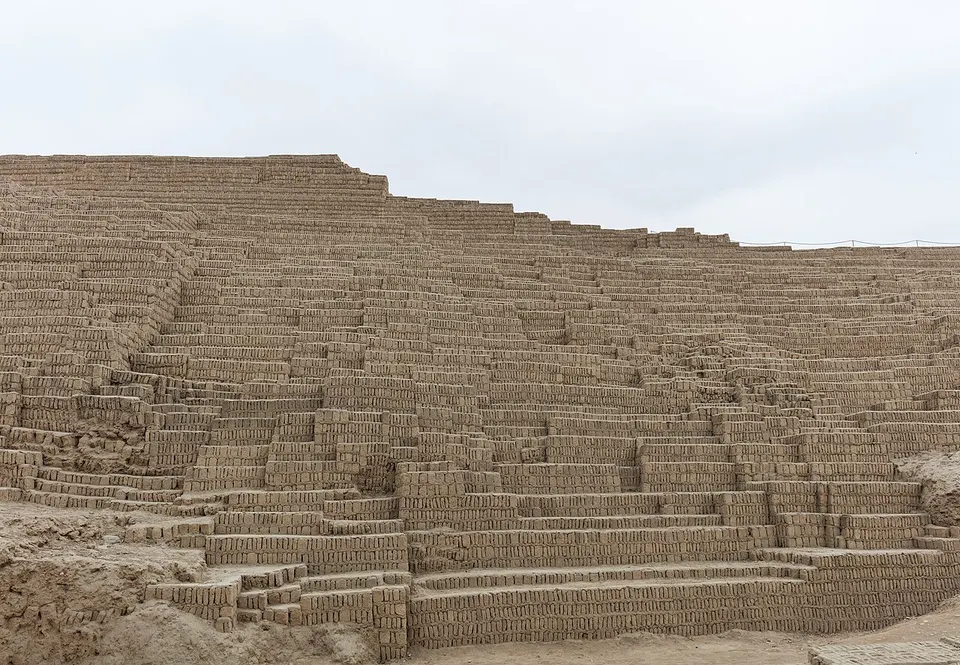
A 1,500-year-old adobe pyramid rising among the apartment blocks of Miraflores. The ticket includes a guided tour (English or Spanish). A small pen with llamas and alpacas pleases children.
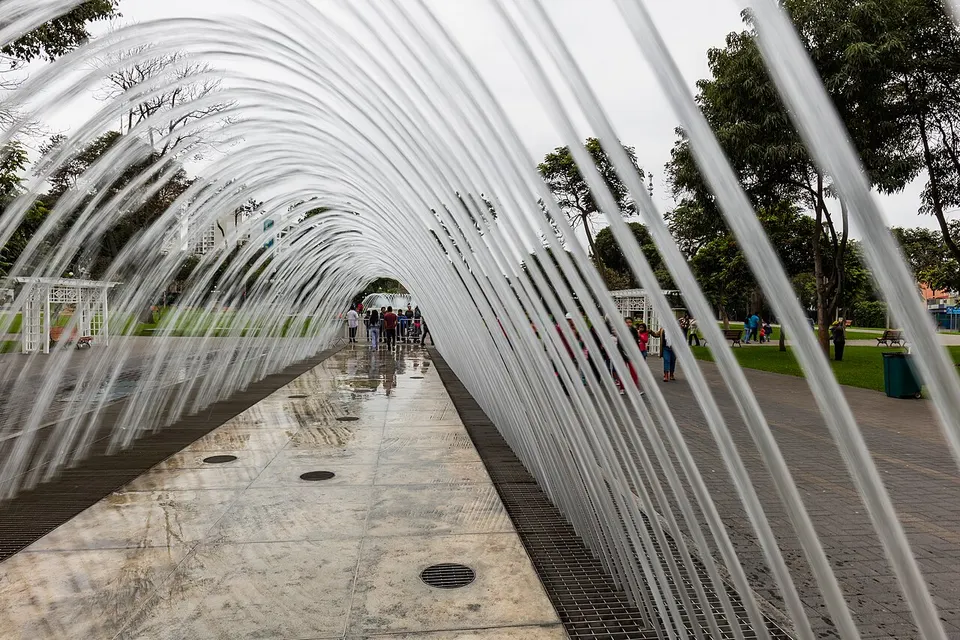
A park with 13 fountains: a tunnel of water to run through and a laser show projected on water. The cheapest, most fun evening for families. Go and return by taxi.
KidsS/20 (ages 3–12 S/10)9:00–17:00 (tickets until 16:30)
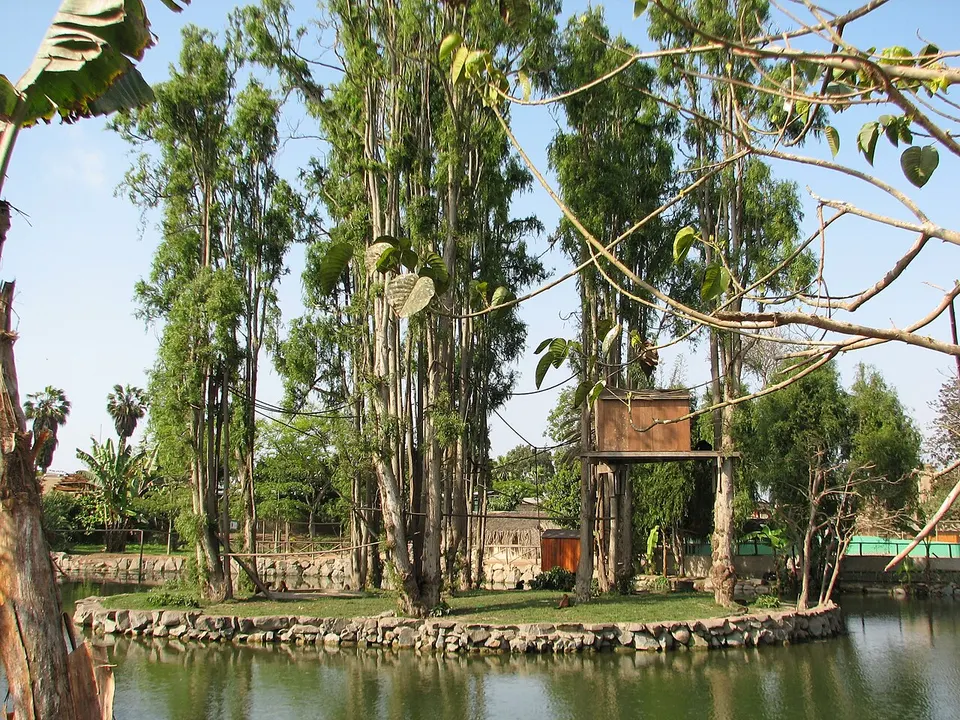
A zoo arranged by Peru's coast, mountains and jungle (condors, jaguars, alpacas), with ancient adobe pyramids inside the grounds. A full day out with children.
The main square of the Inca capital: the Cathedral built on Inca stone walls, the Church of La Compañía and arcaded balconies. At 3,400 m, walk slowly on the first day; San Blas lanes and San Pedro market are close by.
The Inca fortress above Cusco: zigzag walls of stones weighing hundreds of tonnes, fitted without mortar so tightly a hair won't pass. Inti Raymi (the Sun Festival) is held here on 24 June.
Sacred Valley: Pisac and Ollantaytambo★ 4.7 (20,000)
NatureIncluded in the BTC (Sacred Valley partial ticket S/70)≈7:00–17:00
The Urubamba valley: Pisac's terraces and Sunday market, Ollantaytambo's Inca fortress and still-inhabited Inca streets. Lower than Cusco (2,900 m), so sleeping here first helps you acclimatise; the Machu Picchu trains leave from Ollantaytambo.
CultureForeign adult S/152 + S/11 conservation fee from 1 May 2026; mountain routes such as Huayna Picchu cost extra6:00–18:00 with timed tickets; 4,500–5,600 visitors a day
One of the New Seven Wonders, a 15th-century Inca mountain city. In 2026 it is visited on 3 circuits and 10 routes — buy tickets only at tuboleto.cultura.pe, choosing route and time in advance (June–October sells out a week or more ahead). PeruRail or Inca Rail trains run from Ollantaytambo/Cusco to Aguas Calientes, then a 25-minute bus ride up.
A 5,000 m peak striped like a rainbow by mineral layers; 3 hours by road from Cusco, then a 1–1.5 hour climb. The altitude is extreme — go only after at least 2–3 days acclimatising in Cusco, and not with heart or lung conditions or small children.