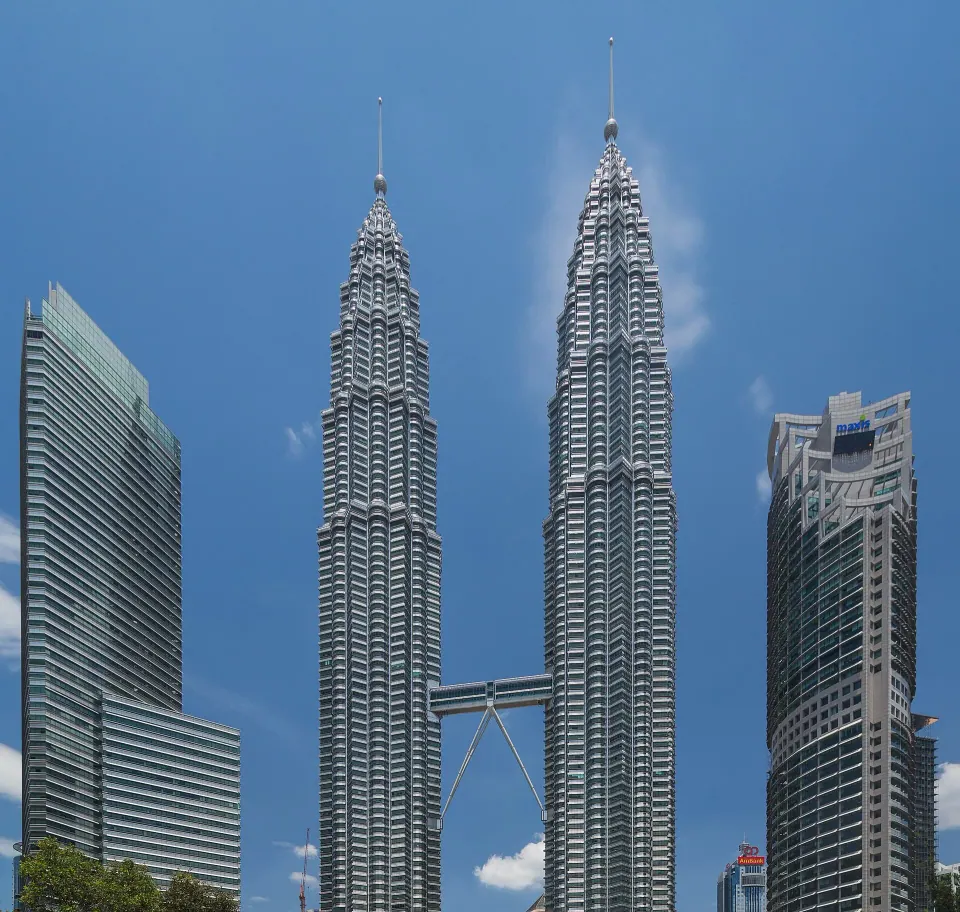
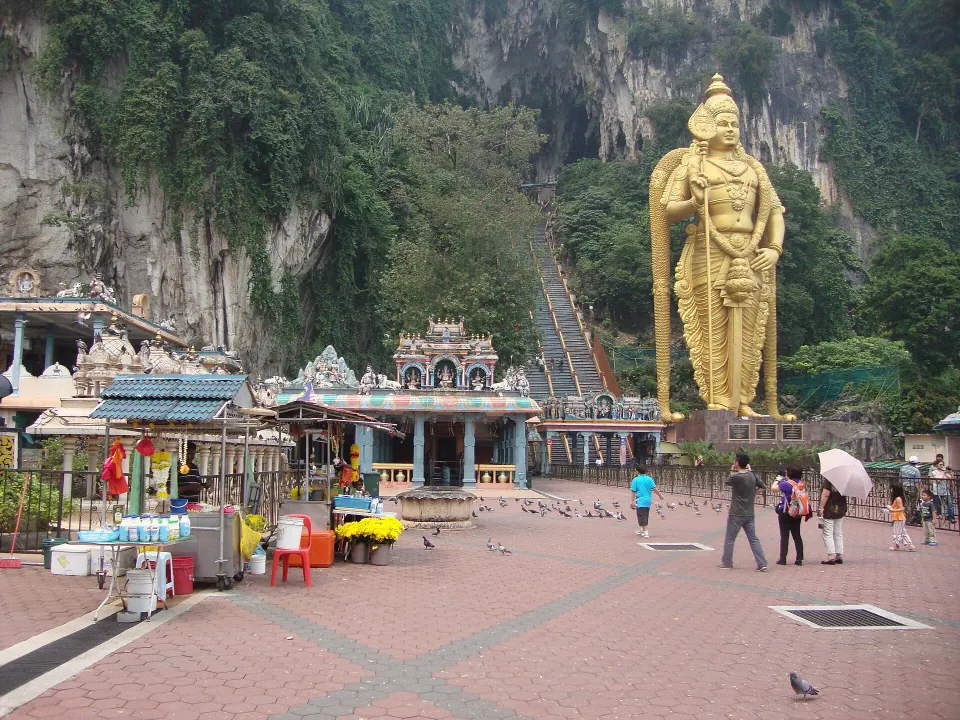
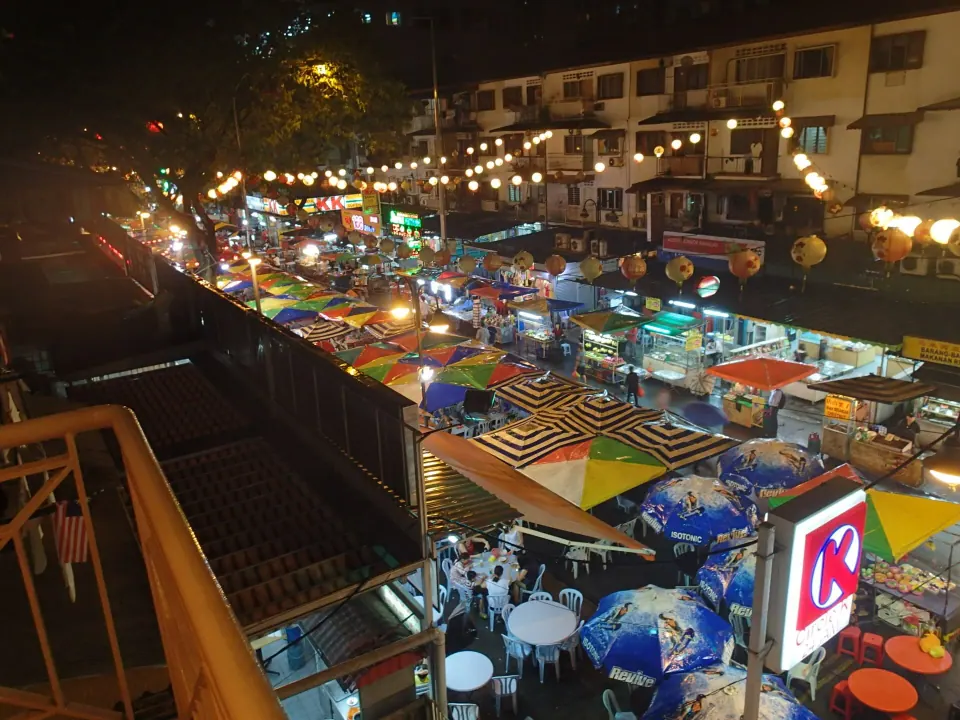
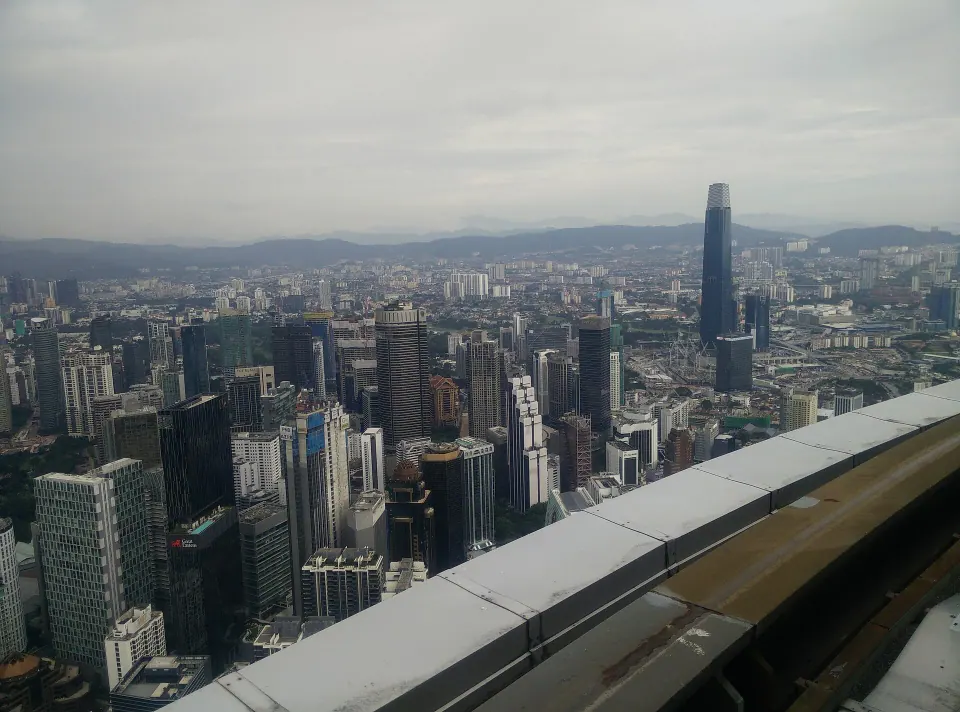
A tropical capital known for the Petronas Twin Towers, Batu Caves, multi-ethnic food and affordable luxury shopping malls. Suits families into city life, food and shopping; warm year-round but rainy.
🛂 Visa: Visa-free · 30 days✈ Flight: 11h☀ Best months: January, February, June, July
Like a well-travelled friend for a first-timer: before you go, landing, SIM, transport, money, food, safety, manners, apps, leaving — step by step.
🧳Before you goKuala Lumpur is visa-free for Mongolians, English is everywhere and prices are low — the main preparation is a connecting flight, the MDAC arrival card and clothes for the heat.+
1
Visa: 30 days visa-free
Mongolian citizens travel to Malaysia visa-free for up to 30 days on all passport types (agreement of 1994). At the border you may be asked for sufficient passport validity, a return ticket, hotel booking and proof of funds — have them on your phone. Work and study need a visa; the final decision rests with border control.
The Malaysia Digital Arrival Card is mandatory for all foreign citizens: fill it in for free at imigresen-online.imi.gov.my/mdac within 3 days before arrival — passport, flight number, hotel address. Show the confirmation email at immigration. Avoid paid 'helper' sites; the official one is free.
There are no direct UB–Kuala Lumpur flights: via Seoul (Korean Air, AirAsia X), Hong Kong (Cathay, MIAT), or MIAT's seasonal Singapore and Bangkok flights. Transiting Incheon or Hong Kong airside (not leaving the airport) needs no visa; check the connection time and whether bags are checked through when buying. AirAsia lands at KLIA Terminal 2.
4
Insurance and health
Malaysia's private hospitals (Gleneagles, Prince Court, Pantai) are international-standard and reasonably priced, but without insurance you pay yourself — get medical cover. No vaccines are required; mosquito-borne dengue exists, so bring repellent. Hot and humid — drink a lot of water and avoid long midday walks in the first days.
5
Season and clothing
Hot all year, with an afternoon downpour likely any day; October–December is the wettest, June–August relatively dry. Light cotton clothes, an umbrella, non-slip sandals; malls and trains are air-conditioned cold, so a thin jacket. For mosques and temples cover knees and shoulders — at least one pair of long trousers and a wrap.
6
Where to stay
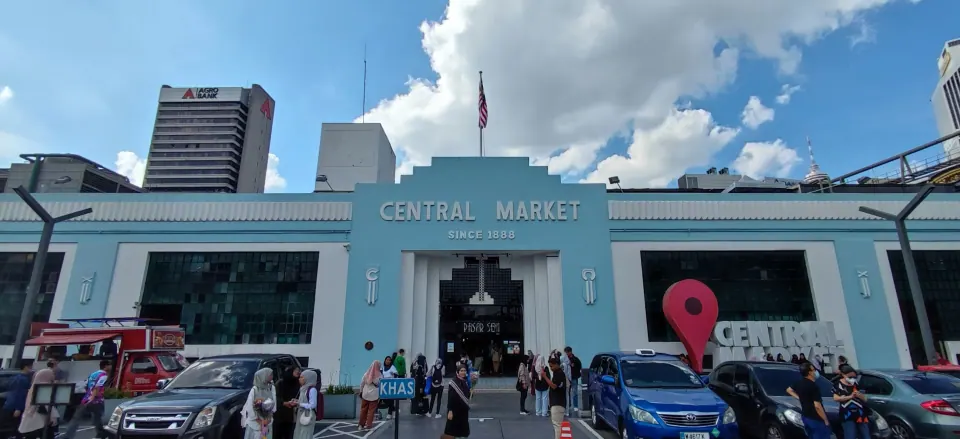
KLCC (Petronas Towers, park) and Bukit Bintang (malls, Jalan Alor food, nightlife) — best for a first trip, close to trains and walkways; KL Sentral/Brickfields — transport hub and Little India; Chinatown (Petaling Street) is cheap. Foreign tourists pay a tourism tax of RM10 per room per night at every hotel — shown separately on the bill.
🛬Landing and getting into townKLIA is far from the city and has two terminals; the KLIA Ekspres train is the fast way in, the bus the cheap one, and Grab suits a family with luggage.+
1
Terminal and immigration
KLIA Terminal 1 — Malaysia Airlines, Korean Air, Cathay and other full-service airlines; Terminal 2 — AirAsia and other low-cost carriers. At immigration: MDAC confirmation, passport, fingerprints; the autogates serve only certain nationalities, so queue for the counters. Customs: drugs carry the death penalty; declare large cash sums. The arrivals hall has SIM counters, exchange and Grab signage.
KLIA Ekspres runs non-stop from both terminals to KL Sentral: adult RM55 one way, RM100 return, children 6–15 RM25 (one way), under 6 free; T1–KL Sentral 28 minutes, T1–T2 3 minutes. Buy a QR ticket on the website, from the machines by card, or just tap a bank card at the gate. KLIA Transit is the stopping version. Fares may change — check the site.
Direct buses to KL Sentral leave from the bus stations at both terminals — far cheaper than the train, with luggage space, but they sit in traffic at peak times. Tickets at the counter, cash or card. Late at night services thin out, so have Grab ready.
📶SIM and internet+
1
Hotlink (Maxis) tourist SIM
Hotlink Travel SIM: 7 days RM25, 15 days RM35, 30 days RM64 — unlimited data and local calls, and it works in Singapore, Thailand and Indonesia too; register with your passport at the Maxis centres in KLIA T1 and T2. The 15- and 30-day packs come as eSIM via the Hotlink app. Fast 5G in the city.
CelcomDigi Tourist SIM: 7 days RM25, 14 days RM35, 30 days RM60 — unlimited data, hotspot and calls, roaming in Southeast Asian countries; any foreign passport holder can buy one, passport required for registration. CelcomDigi stores at KLIA T1 and T2, Pavilion and Suria KLCC. Both operators cost about the same — pick the shorter queue.
If your phone supports eSIM, buy a travel roaming eSIM in Ulaanbaatar and Grab and Maps work the moment you land; but without a Malaysian number, Touch 'n Go eWallet and some restaurant bookings get awkward. The cheap option with a number is the tourist SIM at the airport.
🚇Getting aroundThe trains (LRT, MRT, monorail) are clean, cheap and air-conditioned; Grab fills the gaps. Avoid long walks in the heat.+
1
Touch 'n Go card
Touch 'n Go (TnG) is the stored-value card for all Malaysian trains, buses, parking and some shops. Buy one at Rapid KL station customer-service counters or convenience stores and top up with cash (station machines, convenience stores). Tap at the gates. One card per person. Top-ups are easy, so load small amounts; refunding a balance is a hassle — keep the card as a souvenir.
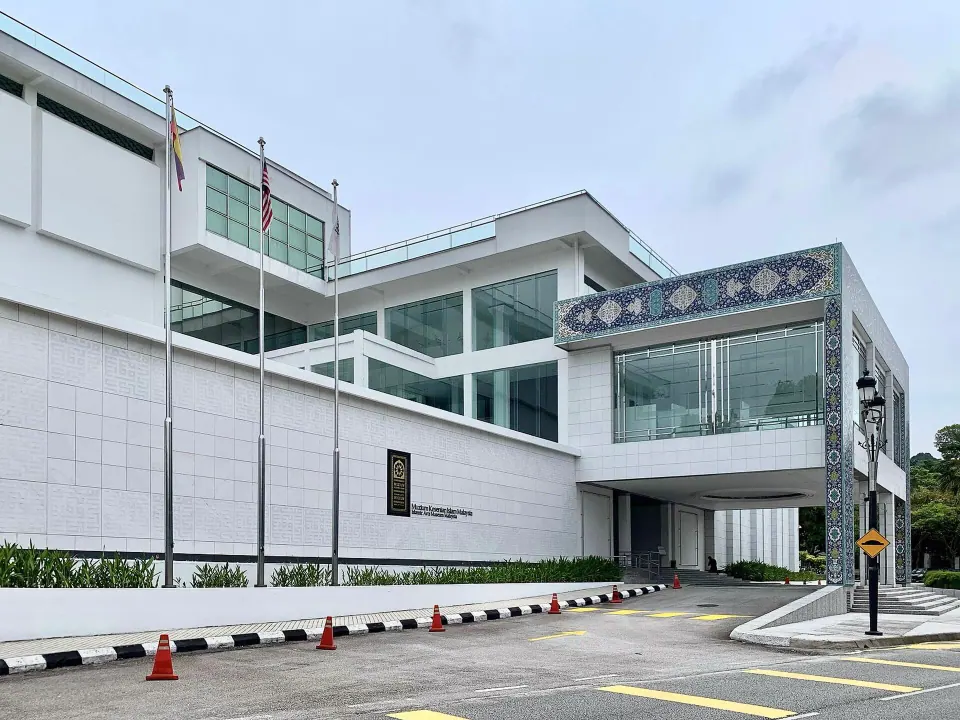
The Rapid KL network: LRT Kelana Jaya line (KL Sentral–KLCC–Masjid Jamek), MRT Kajang line (Bukit Bintang, Pasar Seni, Muzium Negara), monorail (Bukit Bintang–Chow Kit), LRT Ampang/Sri Petaling. Single-journey tokens from the machines, or TnG. Google Maps gives routes and transfers. Packed at peak times; there are women-only coaches. Batu Caves by KTM Komuter from KL Sentral.
3
Grab
Grab is Malaysia's taxi: fare up front, paid by card, no need to talk to the driver, in-app chat. In rain and at peak times prices surge and waits grow. Every mall has a Grab pick-up point — call from there. If you take an old city taxi, insist on the meter; if it's 'broken', get out and use Grab.
The currency is the ringgit (RM, MYR). Malls, restaurants, hotels, Grab and train ticket machines take foreign Visa/Mastercard; enable foreign transactions. Cash for street food (hawkers), markets, small cafés, Batu Caves stalls and TnG top-ups. QR payments (DuitNow) are everywhere in Malaysia but don't work with foreign bank apps — cash and card only.
2
Exchange and ATMs
Tugrik can't be exchanged in Malaysia — bring US dollars and change them at licensed booths in the Bukit Bintang and KLCC malls (better rates than the airport). Bank ATMs (Maybank, CIMB) dispense ringgit on foreign cards, with a per-withdrawal fee plus your own bank's charge. Leftover ringgit is hard to exchange in Mongolia — change it back to dollars before leaving.
3
Tipping and bills
Tipping isn't expected: restaurants add a service charge and tax (SST) to the bill — expect more than the menu price. Nothing extra at hawker stalls or cafés; on Grab you can add a small tip in the app; a little for hotel porters and tour guides. The bill comes to the table, or you pay at the register.
4
Touch 'n Go eWallet
Locals pay everything by scanning QR with the TnG eWallet. Tourist registration uses a passport and is open only to certain nationalities — in our check Mongolia wasn't on the list; install the app, try selecting your country, and if it fails, go with a physical TnG card plus card/cash. Grab's GrabPay works with a foreign card.
🍜Food and waterMalay, Chinese and Indian food cultures in one city; most places are halal (no pork), while Chinese areas have pork and alcohol.+
1
Malay food and halal
Nasi lemak (coconut rice, sambal, egg, anchovies — the national breakfast), satay (grilled skewers, peanut sauce), rendang (slow-cooked beef — a Mongolian favourite), roti canai (Indian-Malay flatbread with curry), nasi goreng. Halal restaurants have no pork or alcohol; a 'halal' sign means it's suitable for Muslims — anyone is welcome.
2
Chinese and Indian
Chinese food in Chinatown, Pudu and Jalan Alor: bak kut teh (pork rib herbal soup), char kway teow (fried noodles), roast duck; in Brickfields (Little India) banana-leaf rice, curries, tandoori — spicy, say 'less spicy'. Indian-Muslim 'mamak' cafés are open 24 hours: roti, teh tarik (pulled milk tea) — the late-night meal.
3
Hawkers, Jalan Alor, coffee
Hawker centres (food halls with many stalls) — the cheapest and safe; take a table, order from the stalls, pay on delivery. Jalan Alor (Bukit Bintang) is the night food street — ask prices first. Kopitiams (old-style cafés): kopi (coffee), kaya toast, soft-boiled eggs. Durian in season — banned in hotels and on trains.
4
Fruit, water, stomach
Don't drink tap water — bottled; ice in restaurants and malls is safe. Mango, mangosteen, rambutan, papaya are cheap — wash market fruit. At hawker stalls choose busy ones cooking in front of you. If you're not used to chilli and coconut oil, go easy in the first days; bring stomach medicine and rehydration salts.
🛡️Safety+
1
Emergency number 999
Malaysia has one number: 999 — police, ambulance, fire and civil defence through a single centre (MERS 999), free, 24 hours. Tell the operator what happened, where, and your phone number — they speak English. Tourist police patrol around Bukit Bintang and KLCC.
KL's main risk: motorbike riders snatching bags and phones in passing — don't carry your bag on the road side; wear it in front, across the body; don't walk with your phone in hand. Pickpockets in Chinatown, Bukit Bintang, Masjid Jamek and crowded trains. Use the hotel safe; carry a passport copy. At night stick to lit streets and Grab.
3
Scams and social risks
'The taxi meter is broken', 'the museum is closed', a card-game invitation, a friendly stranger's 'come to my house' — all scams. Drink spiking happens in night bars — never leave your drink. Stay away from demonstrations and political gatherings. Drugs — death penalty for trafficking, severe for use; never carry anyone else's luggage.
4
Weather and nature
🙏Manners and laws+
1
Mosques
Non-Muslims may enter Masjid Negara (National Mosque) and Masjid Jamek free of charge outside prayer times, during the posted visiting hours; closed to visitors during Friday midday prayers. Shoes off, shoulders and knees covered — if your clothes don't qualify, robes and headscarves (for women) are lent at the entrance. Don't walk in front of someone praying, keep quiet, ask before photographing.
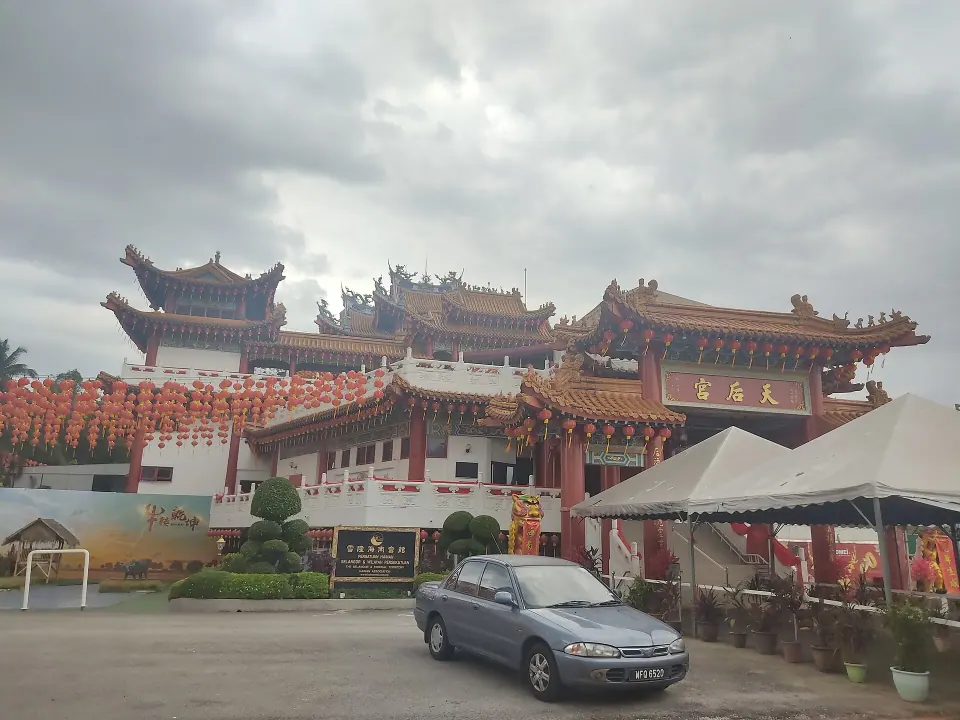
Batu Caves is a working Hindu temple: cover your knees for the stairs (sarongs are rented at the entrance), shoes off inside the shrine, ask before photographing worshippers. The monkeys snatch bags and glasses — don't show them food. At Chinese temples (Thean Hou) dress is relaxed, but keep quiet and don't turn your back on the altar.
3
Respecting Muslim culture
Malaysia is a Muslim country: don't offer alcohol or pork to Muslims (Malays), and during Ramadan avoid eating, drinking or smoking in front of them by day. Don't expect a handshake from the opposite sex — only if they offer; don't touch heads or hand things with the left hand; point with the thumb, not a finger. No kissing or hugging in public.
4
Laws
📱Useful apps+
1
Grab
Taxis, food delivery, GrabPay — Malaysia's most important app. Register with your Mongolian number (SMS/WhatsApp code) and link a foreign card; set it up before flying and you can call a car the moment you land. Paste the destination from Google Maps and chat with the driver in-app.
QR payments, TnG card top-ups, parking, some train gates. Tourist registration with a passport is open to certain nationalities — install and check; if registration fails, top up a physical TnG card with cash at convenience stores.
Works fully in Kuala Lumpur: train lines, bus times, walking routes, restaurant ratings, Grab integration. Download the offline map — data drops underground and in rain. Easy for copying KL addresses into Grab.
WhatsApp — hotels, drivers and app codes all live here. Fill in the MDAC on the website imigresen-online.imi.gov.my/mdac, not through an app (avoid paid fake apps). Google Translate's Malay pack is hardly ever needed — English is enough; use the camera for Chinese and Tamil menus.
🛫Leaving+
1
KLIA: Terminal 1 or 2
Check your ticket first: AirAsia and the low-cost carriers use Terminal 2 (klia2), Malaysia Airlines, Korean Air, Cathay and others Terminal 1. The terminals are separate buildings, not walkable — the KLIA Ekspres/Transit train links them; if you land at the wrong one, switch by train or bus. Terminal 2 is huge with long walks to the gates — allow extra time.
KLIA Ekspres runs direct from KL Sentral and keeps to time; Grab sits in traffic at peak hours, so for morning and evening flights the train is the safe bet. Exit immigration and low-cost check-in queues are long. Some airlines offer city check-in at KL Sentral — check your airline's site. Terminal 2 weighs cabin bags strictly.
Malaysia currently has no tourist tax refund — shop prices are final. Departure tax is included in your ticket. Leftover ringgit is hard to exchange in Mongolia, so change it back to dollars in town or spend it at the airport; leave only a small balance on the TnG card. Gifts: white coffee, kaya, durian sweets (sealed), batik, pewter.
4
🚨 Emergency numbers
Police, ambulance, fire — single number (MERS 999)999
Grab shows the fare up front and charges your card — for a family with luggage it can work out cheaper than the train. Each terminal has a dedicated e-hailing pick-up area (follow the signs); check the number plate. Official airport taxis use coupons: prepay by zone at the counter in arrivals; never get into a private 'taxi' that approaches you outside.
5
KL Sentral — the city hub
KL Sentral is where the LRT, MRT, monorail, KTM and KLIA Ekspres all meet; continue to your hotel by train or Grab. With luggage, distances inside the station are long and some sections lack escalators. The LRT Kelana Jaya line goes to KLCC; the monorail to Bukit Bintang (its KL Sentral station is in a separate building, a short walk).
4
Wi-Fi and WhatsApp
Free Wi-Fi is plentiful in malls, cafés, hotels and at KLIA. Everything in Malaysia runs on WhatsApp: hotels, restaurants, drivers, app verification codes — install it and keep your Mongolian number active (to receive roaming SMS).
4
Walking and heat
Between KLCC and Bukit Bintang there's an air-conditioned walkway (KLCC–Bukit Bintang walkway) — best in heat and rain; inside Pavilion and Suria KLCC you can cross from one mall to the next. Few pedestrian crossings and cars don't stop — use bridges and underpasses. Don't walk at midday; go early morning or evening.
5
Out of town
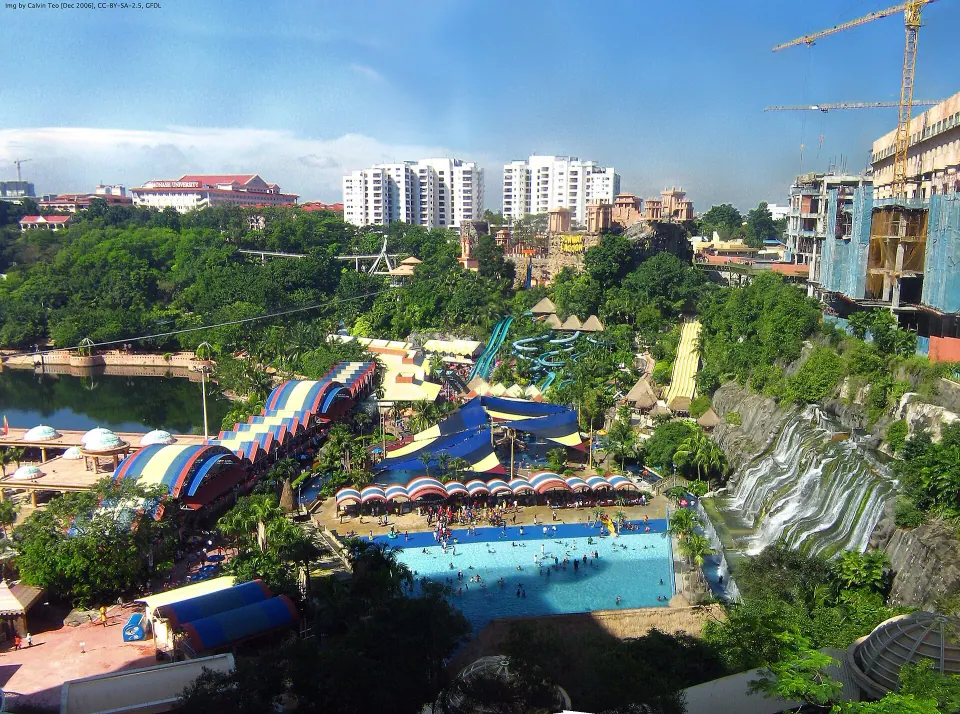
Batu Caves — direct by KTM Komuter from KL Sentral (TnG or token); Sunway Lagoon, Genting Highlands and Putrajaya by Grab or bus from KL Sentral; Malacca and Penang by intercity bus from the TBS (Terminal Bersepadu Selatan) station, tickets online. No need to rent a car — traffic and parking are hard.
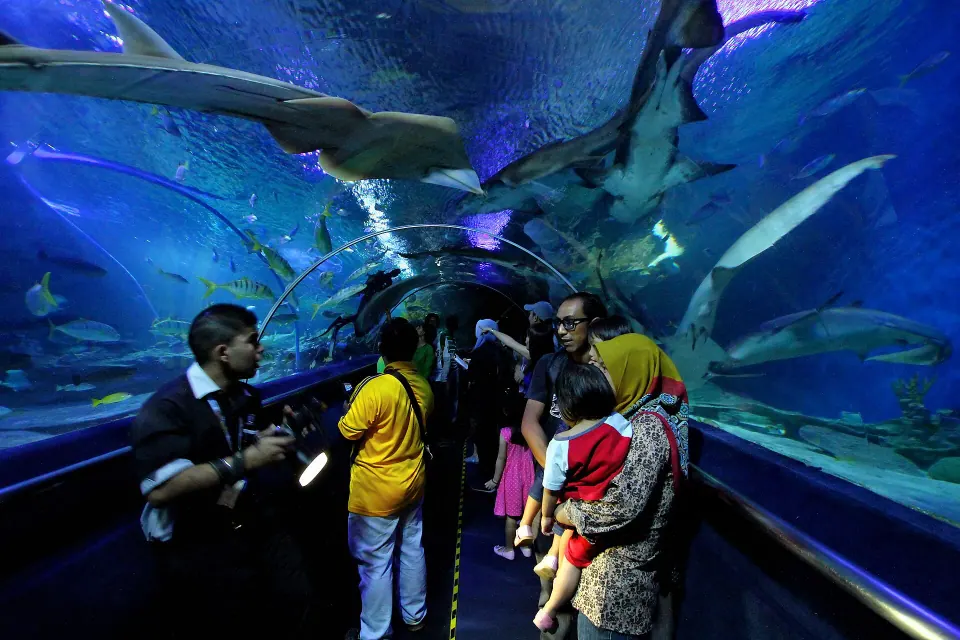
Kuala Lumpur is one of Southeast Asia's cheaper capitals: hawker food, trains and Grab are cheap; mall restaurants, alcohol and foreigner-priced attraction tickets (Petronas, aquarium) are expensive. See the live figure below for a realistic meal price.
5
Alcohol and smoking
Alcohol is heavily taxed and far pricier than in Mongolia; sold only in Chinese restaurants, bars and some shops (a separate section in 7-Eleven), never in halal places. No drinking in the street, and looking drunk is frowned upon. Smoking is banned in all air-conditioned restaurants and hawker centres; vapes too. During Ramadan, limit eating and drinking in public by day.
Afternoon downpours come with lightning and flash-flooded streets; umbrella, water-resistant shoes, and stay away from open ground and trees in a storm. June–September sometimes brings haze from Indonesian forest fires — mask, stay indoors if you have respiratory problems. Fierce sun — sunscreen, hat, water. Dengue: repellent, especially at dawn and dusk.
5
Hospitals
If seriously ill, call your insurer's emergency line or 999. Private hospitals: Gleneagles Kuala Lumpur, Prince Court, Pantai Hospital — English-speaking, with emergency rooms, paid by card; public hospitals are cheap but queues are long. Pharmacies (Guardian, Watsons, Caring) are everywhere; cold, stomach and allergy remedies without prescription.
6
Mongolian representation
Mongolia has no embassy in Malaysia; the accredited embassy is in Bangkok: +66-2-168-8599, consular section +66-2-168-8598 (weekdays). An honorary consul operates in Kuala Lumpur — ask the embassy for the contact. If you lose your passport, first report it at the nearest police station and get a report, then contact the embassy.
Drugs: death penalty for trafficking, prison for use — at the border and in the city. Vaping and smoking outside designated areas are fined. Revealing clothing and nude swimming are banned in public. Jokes about the royal family, Islam or race, even on social media — prosecuted. Same-sex relations are illegal under Malaysian law — be discreet in public.
5
Language and interaction
English works with almost everyone in the city; the 'lah' ending is normal. In Malay 'terima kasih' is thank you, 'selamat pagi' good morning. Locals are of many ethnicities — Malay, Chinese, Indian; don't assume 'Chinese'. Be friendly with service staff, don't get angry or raise your voice — problems get solved with a smile. Mongolia is known mainly through Chinggis Khaan.
Stay limit and MDAC
Overstaying 30 days means a fine and a possible ban from Malaysia — check the date on the entry stamp. No MDAC is needed to leave. Every new visit needs a new MDAC. At exit immigration the autogates serve only some nationalities, so queue for the counters.
Sealed food, coffee, cosmetics and clothes are fine; fresh fruit (durian, mango) must be declared and may be confiscated. Keep receipts for electronics, gold and branded goods above the personal allowance. Liquid limits are re-checked at the Seoul or Hong Kong transit airport — keep duty-free alcohol in its sealed bag.