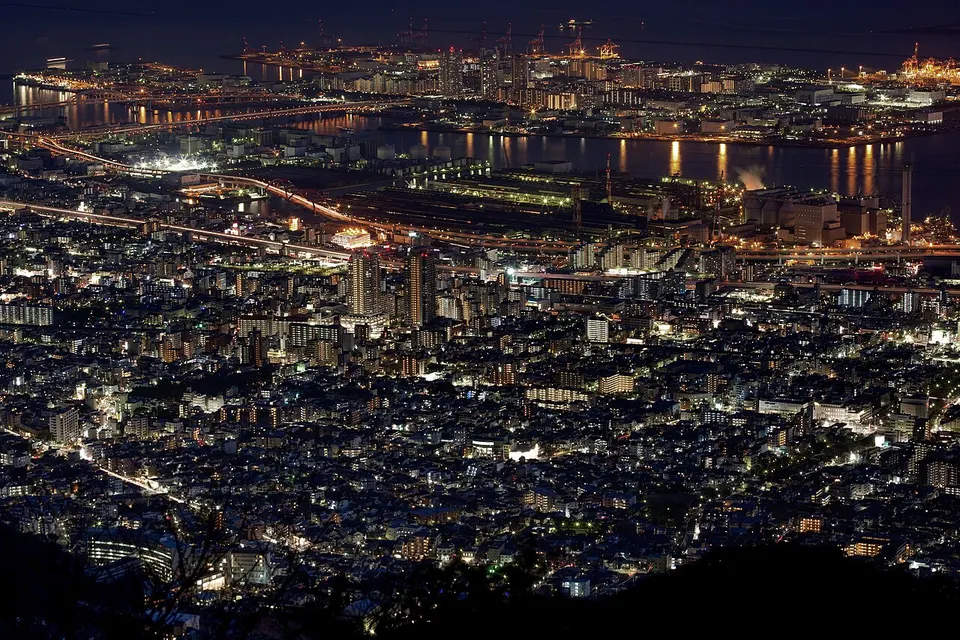
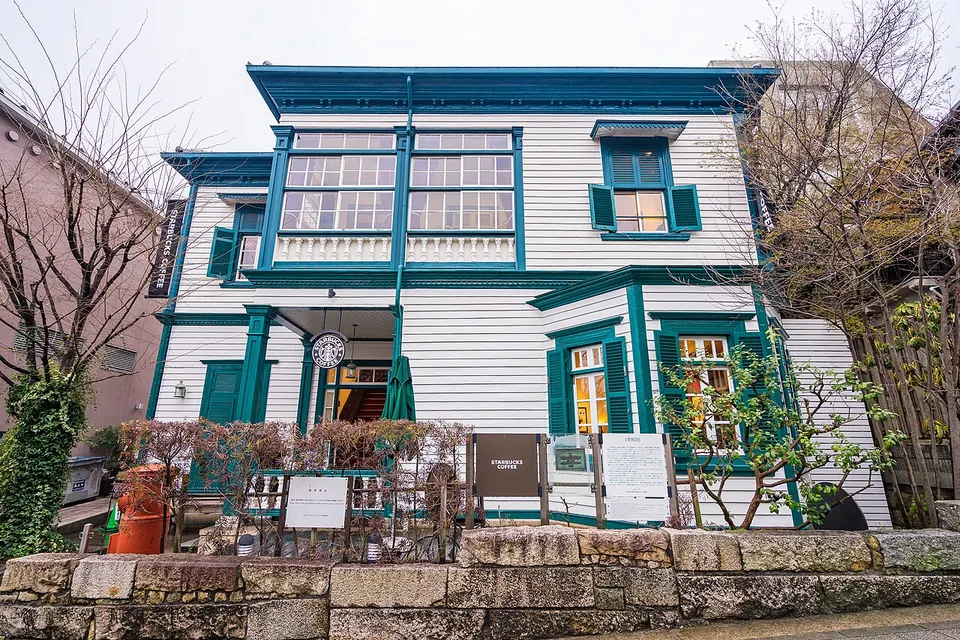
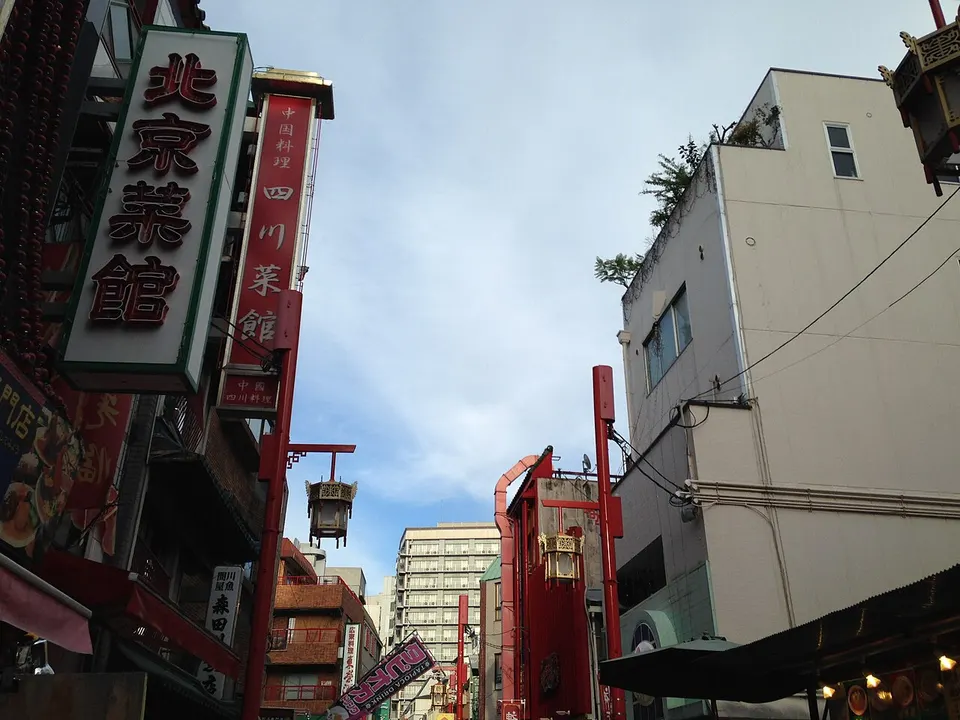
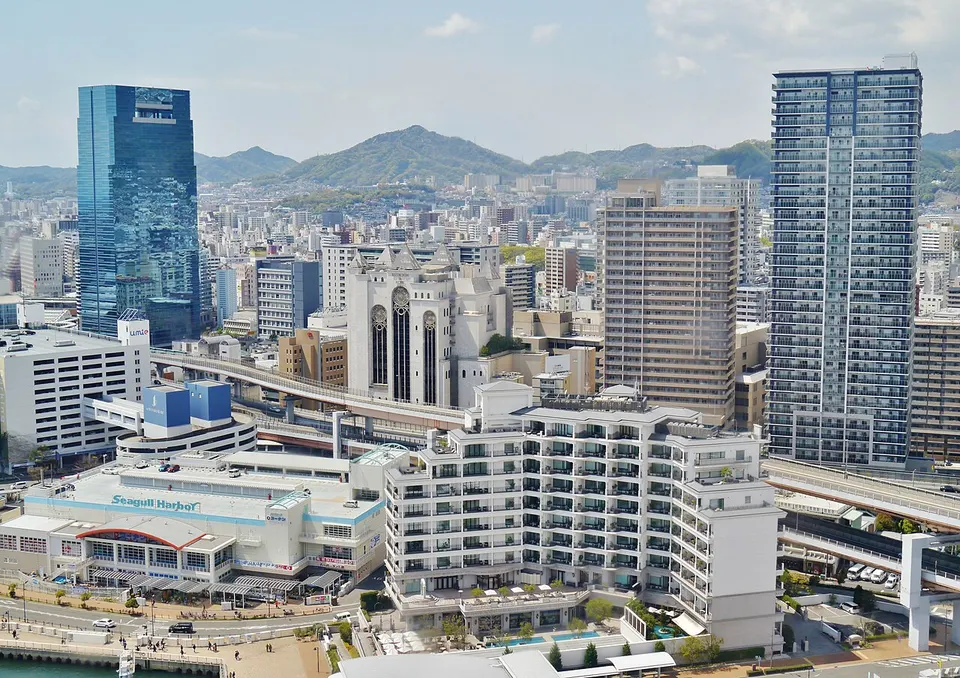
A port city strung between mountains and sea: world-famous Kobe beef, the 19th-century foreign merchants' houses of Kitano, the Nankinmachi Chinatown and a waterfront with the red Port Tower. From Mount Rokko behind the city you get one of Japan's 'three great night views', and Arima Onsen, 30–40 minutes away, has hot springs known as the gold and silver waters. UNESCO-listed Himeji Castle is 15–40 minutes by train. Osaka is 20–30 minutes away. Fly MIAT non-stop to Osaka (Kansai) and the fast ferry takes ~30 minutes into the city. Mongolian citizens need an e-visa.
Sign in to keep the plan — you'll continue right after.
Orange — daytime average, blue — night, grey bars — rainfall, green — sea temperature. Best months: March, April, May, October, November.
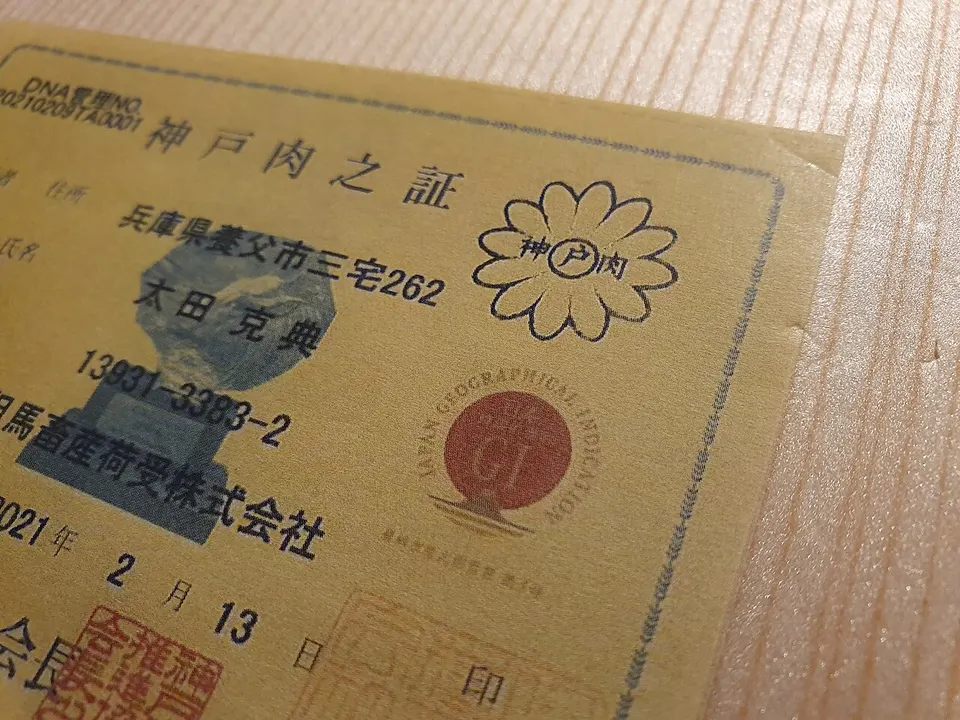
🧸 for kidsThe finest grade of Tajima cattle, with marbled, melt-in-the-mouth fat. At a teppanyaki restaurant the chef grills it on an iron plate in front of you. Places selling genuine Kobe beef display a bronze cow statue and a certificate from the Kobe Beef Marketing & Distribution Promotion Association with a 10-digit ID. Lunch sets are far cheaper than dinner; book Mouriya, Steakland or Wakkoqu around Sannomiya and Motomachi a day or two ahead.

🧸 for kidsOne of Japan's three big Chinatowns: over 100 stalls and restaurants on two 200 m streets. Snacking on steamed buns, fried dumplings, Peking duck and Kobe beef buns while you walk is half the fun. Chinese New Year (Shunsetsusai, January–February) is the busiest time. 3 minutes from Motomachi Station.
Mongolian citizens need a Japanese visa; residents of Mongolia apply for a JAPAN eVISA (single-entry tourist) through VFS Global. For eVISA applications from 17:00 on 29 June 2026 the single-entry fee rose from 71,000₮ to 357,000₮ (≈¥15,000; multiple-entry 714,000₮), plus a 55,000₮ VFS service fee (~$113 in total). Processing ~5 working days, up to 90 days' stay. Transit visas are no longer issued. Holders of a previously issued multiple-entry visa: up to 15 days.
Visa rules can change — confirm with the embassy or an official source before you travel.
Language: Japanese; good English signage at stations, museums and the waterfront; as an international port Kobe is used to foreigners, but small restaurants have little spoken English — a translation app is enough
Safety: One of Japan's safer cities; theft and scams are very rare. Around Sannomiya's nightlife, ignore touts inviting you into bars. The city lived through the 1995 Great Hanshin-Awaji Earthquake — follow earthquake and tsunami alerts. Typhoons in August–September and hot, humid summers (32°C).
Healthcare: Kobe City Medical Center General Hospital (Port Island) runs a 24-hour emergency department; the city has many English-speaking clinics, which you can find through JNTO's site. Treatment is expensive — travel insurance is a must.
Phone: Easiest is an eSIM bought before the flight (Airalo, Ubigi, Japan Wireless); tourist SIMs at Kansai Airport ~¥3,000–5,000. Pay for transport with an ICOCA card (or Suica on your phone).
Like a well-travelled friend for a first-timer: before you go, landing, SIM, transport, money, food, safety, manners, apps, leaving — step by step.
Mongolian citizens need a Japanese visa. Residents of Mongolia apply online for a JAPAN eVISA through VFS Global: a single-entry tourist visa for up to 90 days, fee 357,000₮ (≈¥15,000) since 29 June 2026, five times the old rate (multiple-entry 714,000₮), plus a 55,000₮ VFS service charge, about 5 working days. Transit visas are no longer issued. Your passport must be valid for more than 6 months; attach a return ticket and hotel booking.
Tip: The direct flight runs only twice a week — get the visa first, then buy the ticket, and nothing is at risk.
Before flying, enter your passport, flight and hotel on Visit Japan Web and fill in the immigration and customs declarations. On arrival you only scan the QR code.
Book the popular Kobe beef restaurants, the Anpanman Museum, Port Tower date-and-time tickets, the Akashi bridge's Bridge World tour and a ryokan in Arima ahead of time. Kobe Luminarie runs from 29 January to 7 February 2027. Hospitals in Japan are expensive, so travel insurance is a must.
From Kansai Airport to Kobe Airport across Osaka Bay in ~30 minutes, then the Port Liner to Sannomiya. One way costs ¥1,880 for adults and ¥940 for children (Port Liner included); a 120-day return is ¥3,060. The ¥500 discount for foreign visitors ended on 30 June 2026. A free bus runs from the terminal to the ferry pier.
From Kansai Terminal 1 to Kobe Sannomiya in ~65 minutes, adults ¥2,200, children ¥1,100. The last bus leaves Kansai at 21:55 — it fits MIAT's evening arrival.
From Osaka (Umeda) to Sannomiya the JR special rapid takes ~20 minutes for ¥420, Hankyu ~25 minutes for ¥330 and Hanshin ~30 minutes for ¥330. The Shinkansen stops at Shin-Kobe; from there the subway reaches Sannomiya in 2 minutes.
If your phone supports eSIM, buy and install one from Airalo, Ubigi or Japan Wireless before the flight: a 7-day 1–3 GB plan costs about $4–8, a 30-day 10 GB plan about $16–18. It works the moment you land.
Tip: Download Kobe and Himeji in Google Maps and Japanese in Google Translate for offline use.
The arrivals hall at Kansai has SIM counters and vending machines: a tourist SIM with a few GB for 7–14 days costs about ¥3,000–5,000. A data SIM is all you need; electronics stores in Sannomiya sell them too.
The City Loop tourist bus links Kitano, Sannomiya, Nankinmachi, Meriken Park and Harborland: ¥300 a ride, ¥800 for a day pass (children half). Kitano to the port is a pleasant ~25 minute walk.
From Sannomiya to Arima Onsen take a bus (~25–30 minutes, ¥600–780) or the subway and Shintetsu trains (30–40 minutes, ¥720). The Rokko Cable Car return is ¥1,550. Himeji Castle is ~40 minutes by JR special rapid for ¥990, or 15 minutes by Shinkansen from Shin-Kobe. ICOCA works on all of them (the Rokko Cable Car takes cash or credit cards).
Japan only recognises international driving permits issued under the 1949 Geneva Convention; Mongolia is a party to the 1968 Vienna Convention instead, so a Mongolian licence or a Mongolian-issued international permit cannot be used to drive or rent a car in Japan. Use trains, buses and taxis.
Most restaurants and shops in Kobe take cards, but Nankinmachi's stalls, small places in Arima and temples prefer cash. Withdraw yen 24 hours a day with a foreign card at the Seven Bank ATMs inside 7-Eleven stores.
Tourists spending over ¥5,000 in one shop on one day are exempt from the 10% consumption tax. From 1 November 2026 you pay the full price in the shop and claim the refund at the airport before departure.
At teppanyaki restaurants lunch sets are far cheaper than dinner courses: roughly $20–120 at lunch versus $50–250+ at dinner. Check it is genuine by the bronze cow statue, the certificate and the 10-digit ID number. Book the well-known places a day or two ahead.
Tip: With children, a Kobe beef rice bowl or a beef bun in Nankinmachi is a cheaper, quicker option.
Steamed buns and fried dumplings in Nankinmachi; Kobe's famous bakeries and puddings; akashiyaki — soft, eggy takoyaki dipped in broth; Arima's carbonated cider. No tipping in restaurants.
Police 110, ambulance and fire 119 — free, 24 hours. The JNTO Japan Visitor Hotline 050-3816-2787 (24 hours, English).
Kobe lived through the great earthquake of 1995. If an official phone alert sounds, get under a table and protect your head; if a tsunami warning sounds while you are on the waterfront, head for a tall building or high ground. With children, a visit to the earthquake memorial museum helps explain it.
Summers are very humid — drink water and rest in the shade. Arima's water is very hot and salty, so don't soak too long and drink plenty; take care after alcohol or if you have a heart condition. Kobe City Medical Center General Hospital has a 24-hour emergency department; call your insurer's assistance line first.
Sit and wash thoroughly before getting in; you bathe naked — no clothes or swimsuits. Keep your small towel out of the water, on your head. People with tattoos may be refused — ask ahead or get a cover sticker.
At Himeji Castle and some Kitano houses you take your shoes off and carry them in a plastic bag. At a Shinto shrine, bow twice, clap twice and bow once.
There are almost no bins on the street: carry rubbish back to your hotel. No phone calls on trains and buses, voices down. In Kansai, stand on the right of escalators and leave the left for people walking.
Google Maps shows train and bus times and platforms precisely in Japan. For JR, Hankyu, Hanshin and Shinkansen timetables and fares, Japan Transit Planner (Jorudan) is more detailed.
Google Translate's camera mode translates menus and signs on the spot; download the Japanese pack for offline use.
Visit Japan Web — the immigration and customs QR code. Safety tips — earthquake and tsunami alerts. The VISIT KOBE site — festivals, events and discount passes.
The first limousine bus from Sannomiya to Kansai leaves at 04:40 and the last at 21:20; the ride takes ~65 minutes. Or take the Port Liner to Kobe Airport and the Bay Shuttle (~30 minutes). Plan to be at the airport 3 hours before an international flight — ferries may stop during typhoons.
Since 1 July 2026 Japan's International Tourist Tax on departure is ¥3,000 — it is included in the ticket price. From 1 November the tax-free refund is collected at the airport before the flight — keep receipts and carry the goods unopened.
Checked by a person: 2026-10-03
Answers come from the researched facts and the guide. When it doesn't know, it says so — nothing is made up.
Sign in to ask. Sign in →
AI answer: double-check anything beyond our researched facts with an official source.
0–5 scores are our team's rating relative to Asian holiday destinations (sources below).
Estimated values: cost.lodgingNightUsd, cost.mealCheapUsd, cost.mealMid2Usd, cost.groceriesDayFamilyUsd, cost.localTransportDayUsd, cost.attractionAvgUsd, flights.rtUsdPerAdult, flights.routes[1-2].hours, weather[].seaC, scores, bestMonths, attractions[].rating, attractions[].ratingCount
A hillside district of houses built by European and American merchants after the port opened in 1868. The brick Weathercock House with a rooster on its roof and the green Moegi House are the best known. Plenty of cafés and small shops; it is a steep climb — 15 minutes on foot from Sannomiya.
🧸 for kidsThe 108 m red lattice Port Tower reopened in 2024 after renovation, with a new open-air rooftop deck. Next door, Meriken Park has the 'BE KOBE' sign, the 1995 earthquake memorial and the Maritime Museum. To the west, Harborland has the umie mall, Mosaic, a Ferris wheel and harbour cruises — the lit-up port is most beautiful in the evening.
The 931 m mountain behind the city: ride the cable car up for 10 minutes, then a bus to Rokko Garden Terrace for views over Osaka Bay, Kobe and Osaka. The night view from Kikuseidai on neighbouring Mount Maya is called the 'ten-million-dollar view'. Summers are much cooler than in the city and autumn brings red leaves; from Mount Rokko a ropeway runs straight down to Arima Onsen.
A ~10 minute ropeway ride from beside Shin-Kobe Station brings you to 200 kinds of herbs, lavender and rose gardens, a glasshouse and a city viewpoint. Walk down the mountain path on the way back to see Nunobiki Falls, one of Japan's three sacred waterfalls (~30 minutes on foot). The lit-up city view in the evening is lovely too.
🧸 for kidsOne of Japan's three oldest hot springs, with over 1,300 years of history. Its reddish-brown, iron- and salt-rich 'gold water' (kinsen) and clear, radon and carbonated 'silver water' (ginsen) can both be tried at the two public bathhouses. Narrow lanes have a free foot bath, carbonated cider and ryokan inns. About 30 minutes by bus from Sannomiya; best with an overnight stay.
🧸 for kidsA museum remembering the Great Hanshin-Awaji Earthquake of 17 January 1995 (6,434 deaths) and teaching disaster prevention. A film recreates the city's collapse, there is the story of the rebuilding, and a hands-on area teaches children how to protect themselves in an earthquake. Worth seeing before travelling around Japan.
Nada is Japan's biggest sake-producing area, thanks to Mount Rokko's 'Miyamizu' water and Hyogo rice. The old wooden breweries of Hakutsuru and Kiku-Masamune show how sake is brewed with mannequins, old tools and videos, with a tasting at the end. The two museums are ~15 minutes apart on foot, close to Hanshin Sumiyoshi or Uozaki stations. Alcohol is for over-20s only.
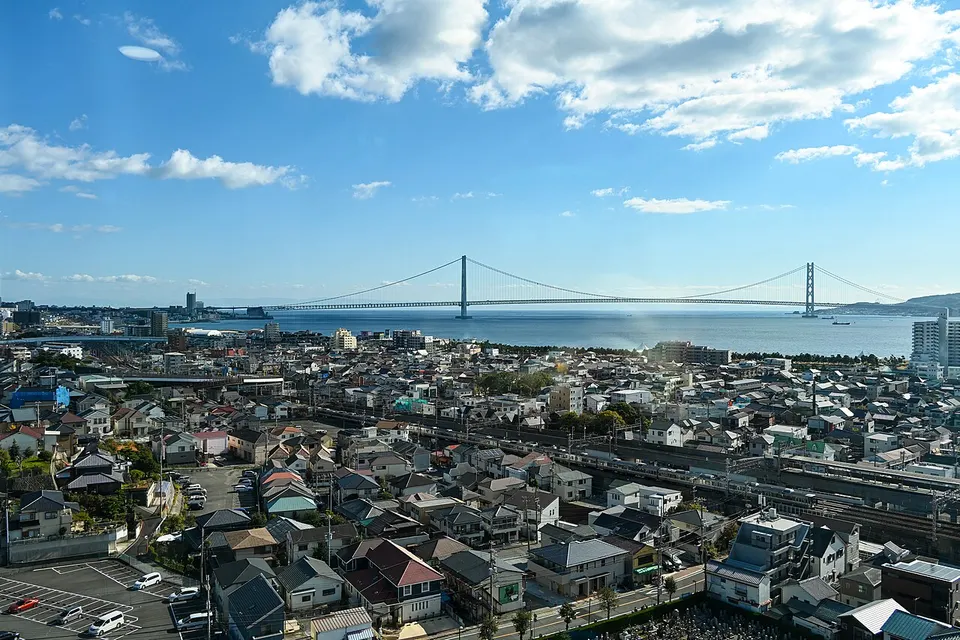
🧸 for kidsAt 3,911 m one of the world's longest suspension bridges (1,991 m central span), linking to Awaji Island. From Maiko Park you can walk into the Maiko Marine Promenade, 47 m up under the deck with glass floors. The Bridge World tour walks the maintenance path inside the bridge and climbs to the top of a 289 m tower — book online in advance. About 20 minutes by JR from Sannomiya to Maiko Station.
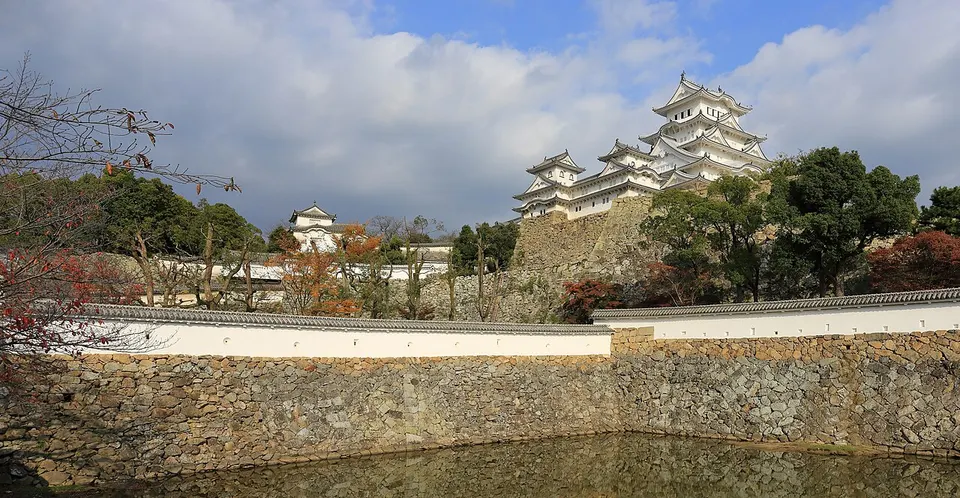
🧸 for kidsJapan's largest castle surviving in its original form — called the 'White Heron' for its brilliant white walls, and a UNESCO World Heritage Site since 1993. Climb steep wooden stairs up the six-storey keep and see the defensive maze paths and loopholes (shoes off). The neighbouring Kokoen is an Edo-style garden. 15 minutes by Shinkansen from Shin-Kobe or ~40 minutes by JR special rapid from Sannomiya; 15–20 minutes' walk from the station.
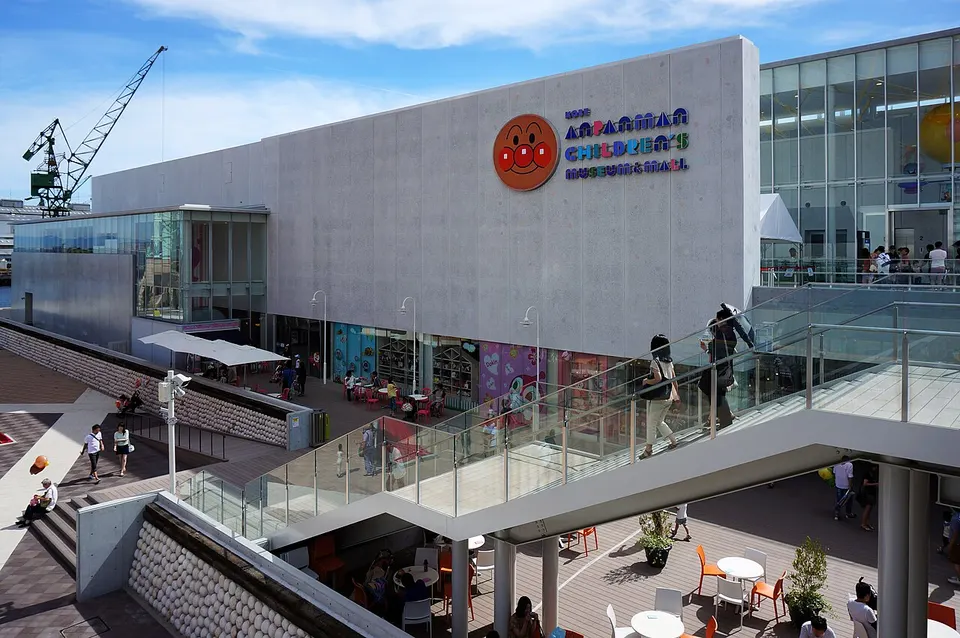
🧸 for kidsThe world of Anpanman, Japan's best-loved cartoon hero: play areas, character shows, songs and dancing, and Uncle Jam's bakery making Anpanman-face buns. Best for ages 1–6. In Harborland, 8 minutes' walk from Kobe Station.
Typical prices for food, taxis, groceries and rent, with low–high ranges. $1 = 3,595.79₮ · $1 = 158 JPY
| Item | Low | Average | High | Source |
|---|---|---|---|---|
| Inexpensive restaurant meal · 1 person | — | 25k₮ | — | |
| Mid-range restaurant, 3 courses · 2 people | — | 126k₮ | — | |
| Groceries — family, per day · 5 people | — | 119k₮ | — | |
| Taxi/Grab — per day · typical | — | 25k₮ | — | |
| Attraction ticket · adult | — | 32k₮ | — |