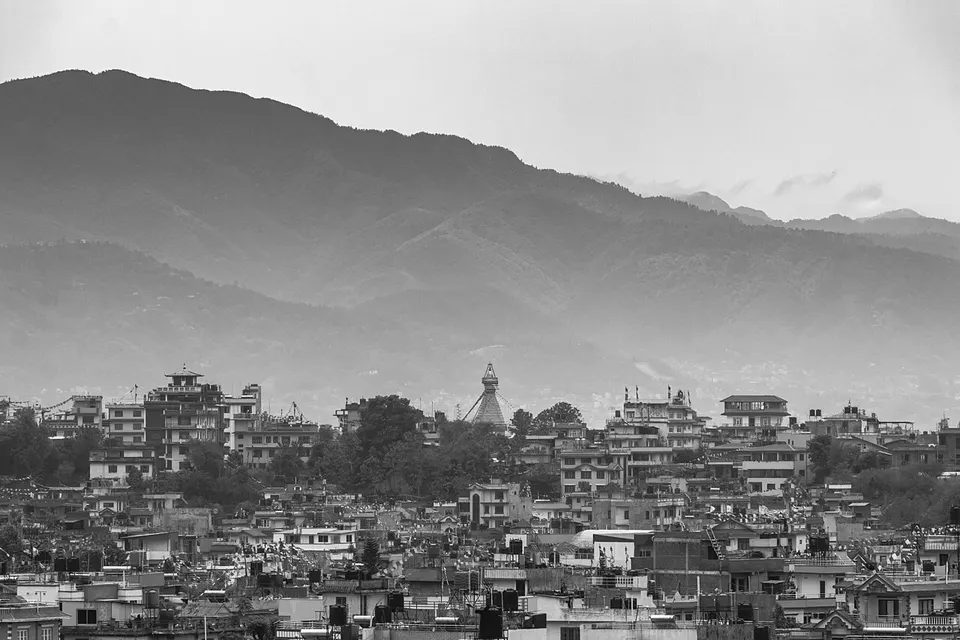
Nepal's capital in the foothills of the Himalaya: the great Boudhanath stupa, Swayambhunath and three royal palace squares (Kathmandu, Patan, Bhaktapur) — a valley of seven UNESCO monuments. An important pilgrimage for Mongolian Buddhists; see the Himalaya from Nagarkot or get close on an Everest flight. No direct flights from Ulaanbaatar — connect via Chengdu, Seoul or Bangkok. Mongolian citizens get a visa on arrival or online (ETA).
🛂 Visa: Visa on arrival · 15 days✈ Flight: 12h☀ Best months: March, April, October, November
#Buddhism#stupas#culture#Himalaya#trekking#visa on arrival
Orange — daytime average, blue — night, grey bars — rainfall, green — sea temperature. Best months: March, April, October, November.
Things to see (12)
🧸 for kids
Boudhanath Stupa★ 4.7 (40,000)
CultureNPR 40024 hours (ticket booth in daytime)
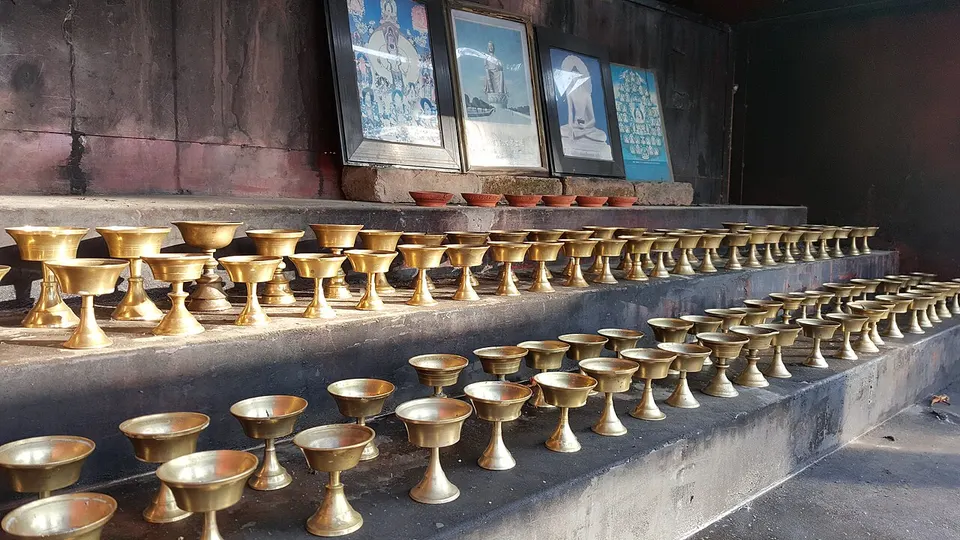
One of Asia's largest stupas and the heart of Tibetan Buddhism in Nepal: monasteries, prayer wheels and pilgrims circling clockwise. Most beautiful at the evening butter-lamp hour; a must for Mongolian pilgrims.
Like a well-travelled friend for a first-timer: before you go, landing, SIM, transport, money, food, safety, manners, apps, leaving — step by step.
🧳Before you goThe Nepal visa is easy — on arrival or online. Check your transit country's rules and your insurance carefully instead.+
1
Visa: online ETA or on arrival
Mongolian citizens need a Nepalese visa, but it is issued on arrival. Easiest is to apply in advance on the Department of Immigration ETA/eVisa portal and pay by card: multiple-entry tourist visa 15 days $30, 30 days $50, 90 days $125. The approval arrives by email — print it and use it within 6 months of issue. Free for children under 10 for up to 30 days. Your passport must be valid for more than 6 months.
Tip: If you get the visa on arrival, carry cash dollars (new, clean notes) — card payment sometimes fails.
There is no direct flight, so you connect via China, Korea or Thailand: check the layover time, whether bags are checked through, and the transit visa rules. If you go to the mountains, travel insurance covering high-altitude trekking and helicopter evacuation is a must.
Foreigners may not trek alone in national parks and protected areas — go with a licensed guide through a TAAN-registered agency. The agency handles park entry fees and the TIMS card. For a pilgrimage to Lumbini (the Buddha's birthplace), take a domestic flight from Kathmandu to Bhairahawa.
🛬Landing and getting to the cityTribhuvan Airport is small and sits inside the city; Thamel is a short drive away, depending on traffic.+
1
Visa on arrival
With an online ETA, show the printed approval straight at immigration. Otherwise fill in the form at the arrivals-hall kiosks, have your photo taken, pay the visa fee and go to the immigration desk. Queues are slow at busy times.
There is a prepaid taxi counter at the arrivals exit: about NPR 900 to Thamel, with a surcharge after 21:00. Touts crowd the exit — don't get into a car without a ticket. Many hotels offer a free pickup, so ask when you book.
Tip: Carry your own bags — 'helpers' ask for money afterwards.
Ncell and Nepal Telecom (NTC) have counters in arrivals; a passport is required and they take your photo on the spot. Ncell TouristPro packs cost NPR 595 for 7 days, NPR 995 for 14 days and NPR 1,995 for 28 days. For the mountains, NTC has better coverage.
If your phone supports eSIM, install the Ncell tourist eSIM or an international eSIM (Airalo and others) before the flight. Power cuts and weak signal in mountain villages are common, so download Google Maps offline.
🚇Getting aroundKathmandu is congested and pavements are rare. Between the valley's sights a taxi or an app-booked car is easiest.+
1
Pathao and inDrive
Book a car or motorbike with the Pathao or inDrive apps — the fare is agreed upfront and the language barrier shrinks. Ordinary taxis don't use meters, so agree the price before getting in.
To cover Boudhanath, Pashupatinath, Bhaktapur and Nagarkot in one day, hiring a car with driver through your hotel or a travel agency pays off — agree the price in writing beforehand. City buses and microbuses are very cheap but crowded, with routes in Nepali only.
3
Leaving the city
Tourist buses to Pokhara and Chitwan leave in the morning from around Thamel; mountain roads are poor and landslides hit during the monsoon, so never take a night bus. If time is short, domestic flights (Buddha Air, Yeti) are more reliable but are delayed by weather.
The currency is the Nepalese rupee (NPR). Thamel and Durbar Marg have plenty of ATMs and most take foreign cards, but withdrawal limits are low and fees apply. Hotels and larger restaurants take cards; markets, temples and taxis want cash. Licensed money changers give good rates for US dollars.
Indian ₹2,000 notes remain banned in Nepal; since July 2026 ₹200 and ₹500 notes up to ₹25,000 in total are allowed, but only for Indian and Nepalese citizens — a Mongolian traveller has no reason to carry Indian rupees. Declare cash over $5,000 at the border.
Shops in Thamel and Bhaktapur expect bargaining — the first price can often come down by a third to a half. Restaurants add a service charge and tax on top of menu prices; tipping guides and porters at the end of a trek is customary.
🍜FoodNepali food is simple and filling: dal bhat, momo (like buuz) and Newar cuisine. Momo will taste familiar to Mongolians.+
1
What to eat
Dal bhat — rice, lentils, vegetables and pickles, usually with free refills; momo — like Mongolian buuz, with chicken, goat or vegetables rather than beef; Newar food — samay baji, yomari; Bhaktapur's juju dhau curd. Tibetan food (thukpa noodles, thenthuk) is everywhere around Boudhanath.
Tip: Hindus don't eat beef — 'buff' on a menu means water buffalo.
2
Protect your stomach
Don't drink tap water — drink bottled or filtered water; hotels often have refill stations. Be careful with raw salads, unpeeled fruit and street drinks with ice. Freshly cooked hot food is the safest; carry hand sanitiser.
🛡️Safety and health+
1
Emergency numbers
Police 100, fire 101, ambulance 102. The English-speaking Tourist Police on 1144 — call them first for theft, scams or a lost passport.
After the Gen-Z protests of September 2025, elections in March 2026 brought a new government. Protests and strikes (bandh) can be called suddenly and stop traffic — stay away from gatherings around Maitighar, government buildings and party offices, and follow your hotel's updates.
CIWEC Clinic (Lazimpat) is a travel clinic with English-speaking staff, open 24 hours; for serious cases, Norvic and Grande international hospitals. Air pollution is high in the winter and spring months — bring N95 masks. In an earthquake, get away from buildings into open space.
Always walk around stupas and prayer wheels clockwise — just as in Mongolia. Take your shoes off in monasteries and temples and cover shoulders and knees; ask before photographing monks.
2
At Hindu temples
The main Pashupatinath temple and some other Hindu temples admit Hindus only — respect the 'Hindus only' signs. Never photograph cremation rites or approach mourners. Leather goods are banned in some temples.
3
Everyday manners
Greet with palms together and 'Namaste'. Don't touch people, especially their heads, and don't point the soles of your feet at people or deities. Give and receive food and money with the right hand; avoid kissing and hugging in public.
📱Useful apps+
1
Transport and maps
Pathao and inDrive — cars and motorbikes with upfront fares. Download the Kathmandu valley in Google Maps for offline use: the lanes of Thamel, Patan and Bhaktapur are a maze.
IQAir — the day's air quality and whether you need a mask. Download Nepali in Google Translate for offline use, though English is enough in tourist areas.
Tribhuvan Airport is close to Thamel, but traffic and security checks are slow, so arrive early for an international flight. The airport is small and the departure lounge crowded; bags are screened twice.
Nepalese rupees are almost impossible to exchange abroad — spend what's left before heading to the airport or change it back to dollars (keep your exchange receipts). Overstaying your visa by even one day means a fine on departure — match your return date to your visa.
AI answer: double-check anything beyond our researched facts with an official source.
24 hours
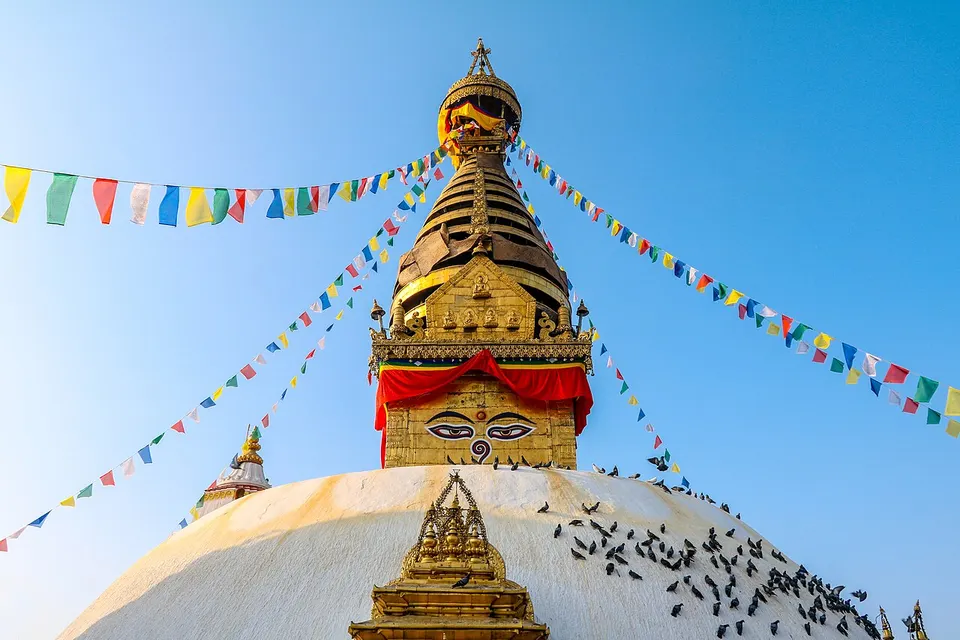
A hilltop stupa over 2,000 years old whose Buddha eyes look over the whole city. Climb the 365 steps of the east stairway; lots of monkeys — keep a grip on food and bags.
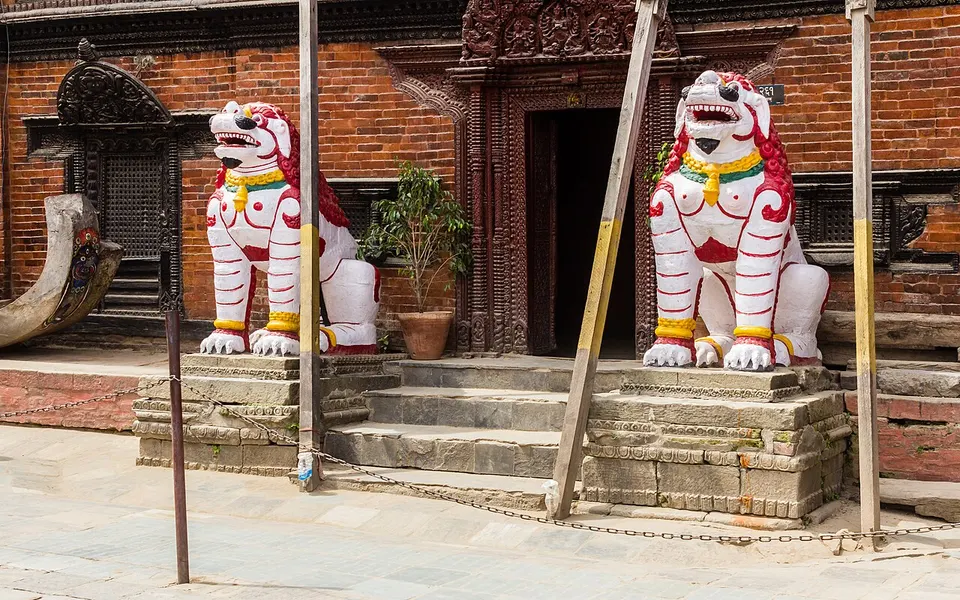
The old royal palace of Hanuman Dhoka, carved wooden temples and the palace of the Kumari, the living goddess. Restoration after the 2015 earthquake is visible in places.
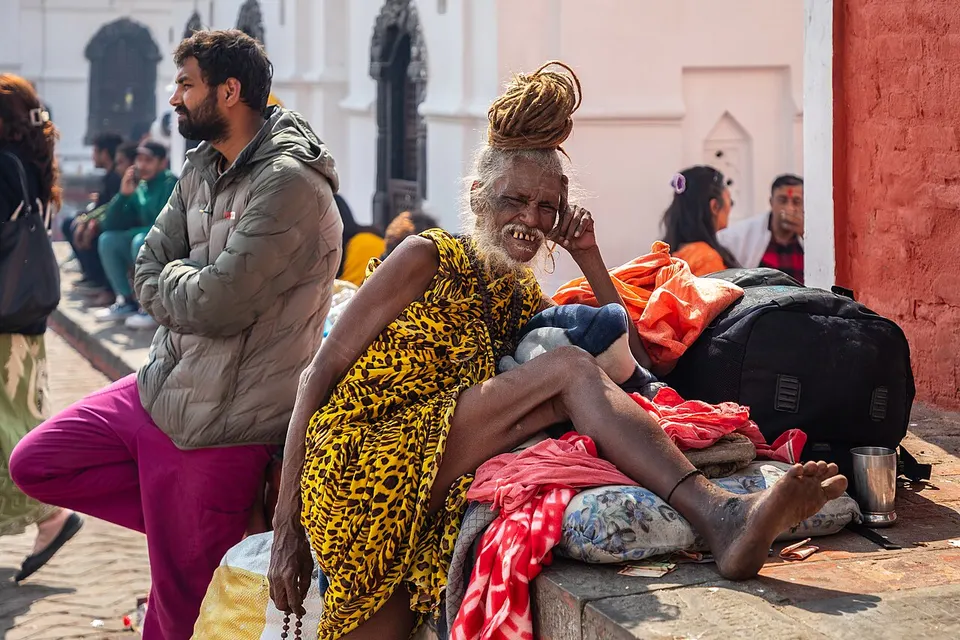
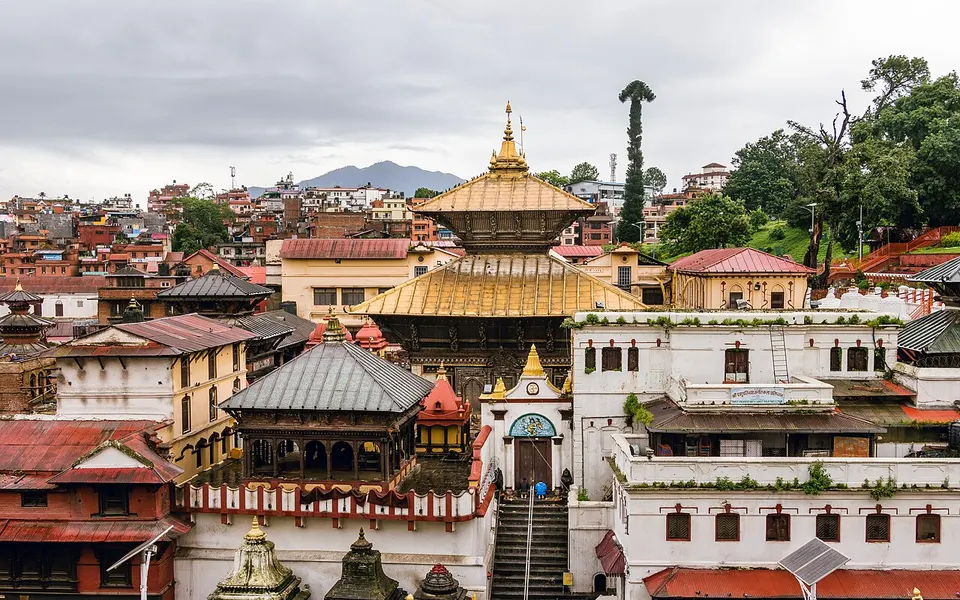
Shiva's holy temple on the Bagmati River with Hindu open-air cremations (watched by families). Meet the sadhus; be respectful and never photograph funeral rites. Can be hard for young children.
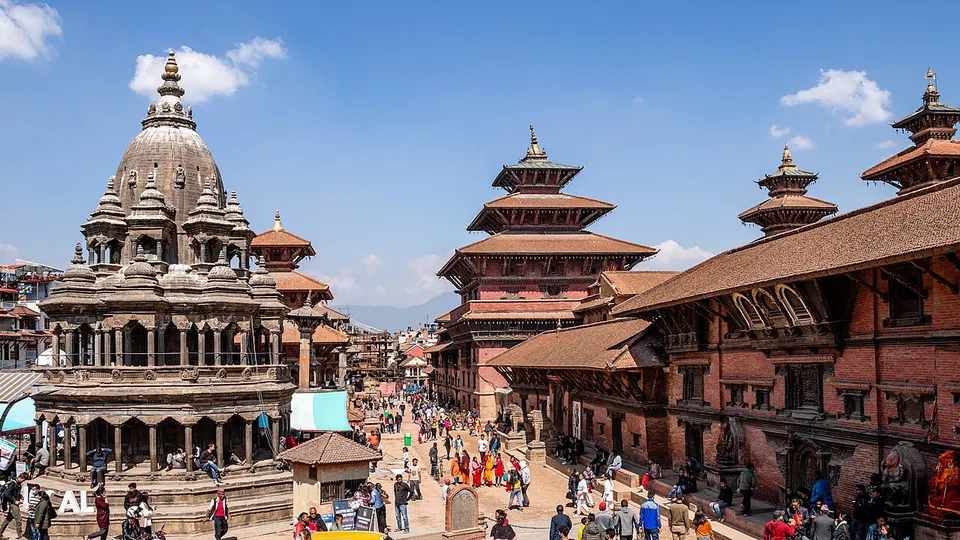
The peak of Newar art: the stone Krishna temple, the Golden Temple (Hiranya Varna Mahavihar) and the Patan Museum, one of Nepal's best. Calmer than Kathmandu and close by.
CultureNPR 1,800 (SAARC NPR 500)24 hours (tickets in daytime)
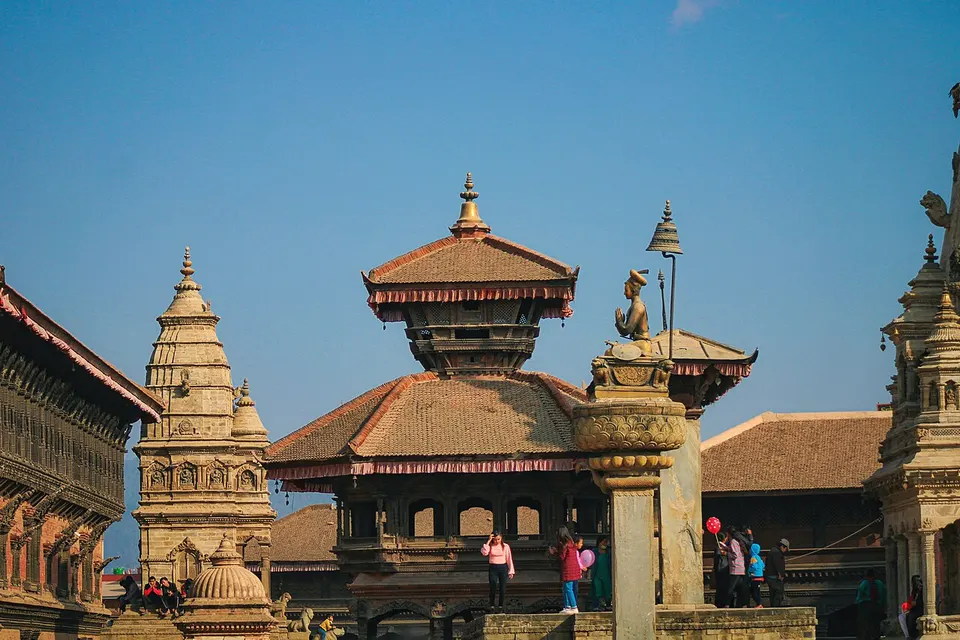
A fully preserved medieval town: the five-storey Nyatapola temple, Pottery Square and juju dhau 'king's curd'. The ticket covers the whole town — give it a full day.
CultureFree (donation)Daytime (limited during courses)
A Gelug monastery on the hill north of Boudhanath: meditation, short Buddhism courses and a famous one-month course in November. Views over the whole valley; respect the silence.
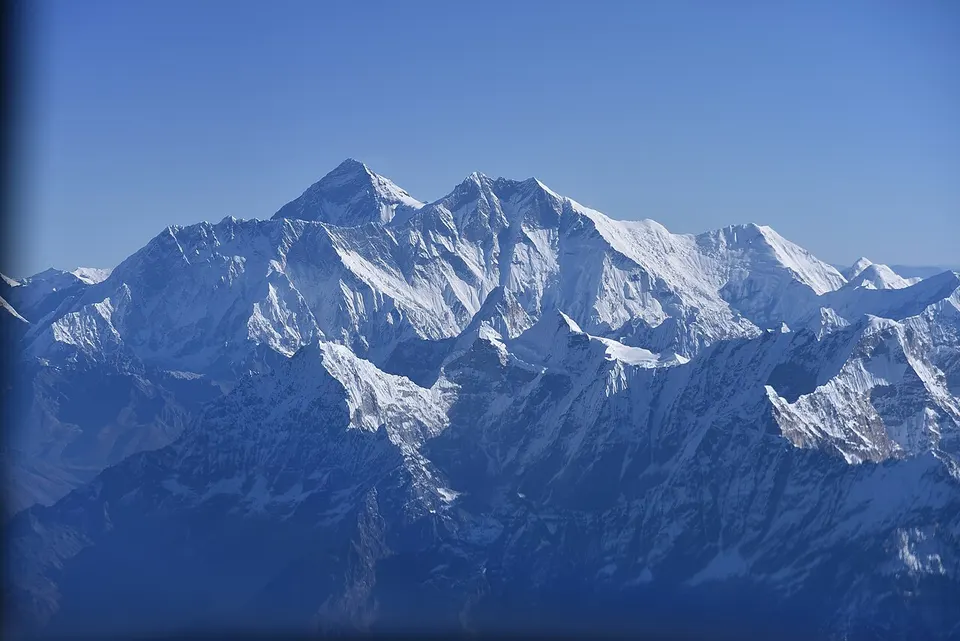
A 2,100 m ridge about 1.5 hours from the city: on clear mornings the Himalaya from Langtang to, on good days, Everest. Best to stay overnight and watch at dawn; clearest in October–November.
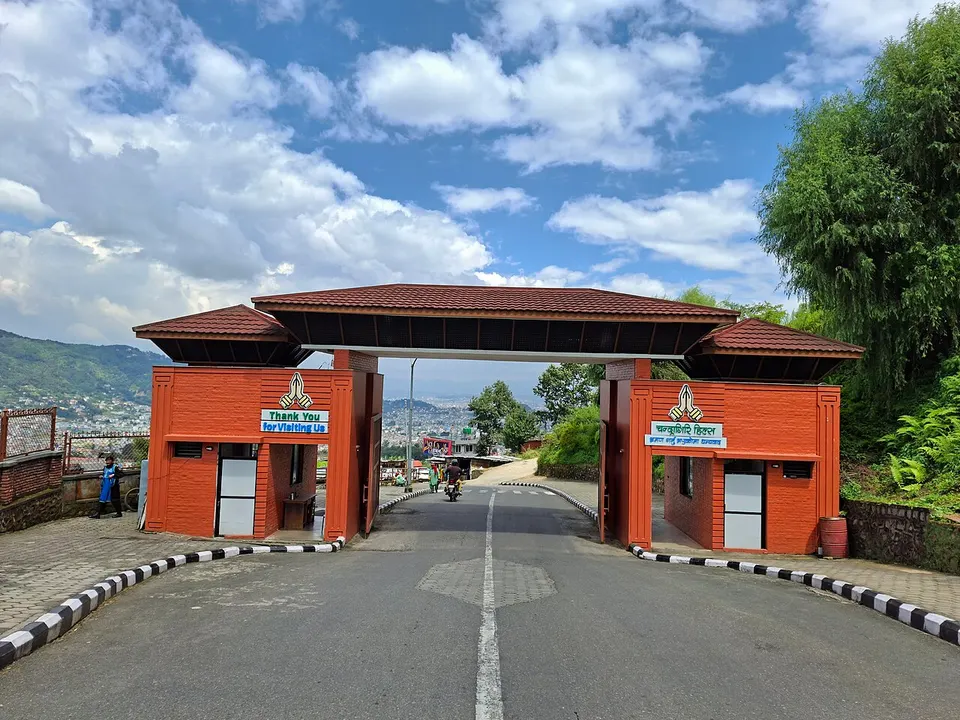
A ~10-minute cable car from Thankot up to 2,500 m Chandragiri: Bhaleshwor Mahadev temple, a playground and Himalayan panoramas on clear days. The best day trip for families.
A ~1-hour flight with Buddha Air, Yeti and other domestic airlines along the Himalaya up to Everest (8,849 m); every passenger gets a window seat. Cancelled in cloud, so book it early in your trip.