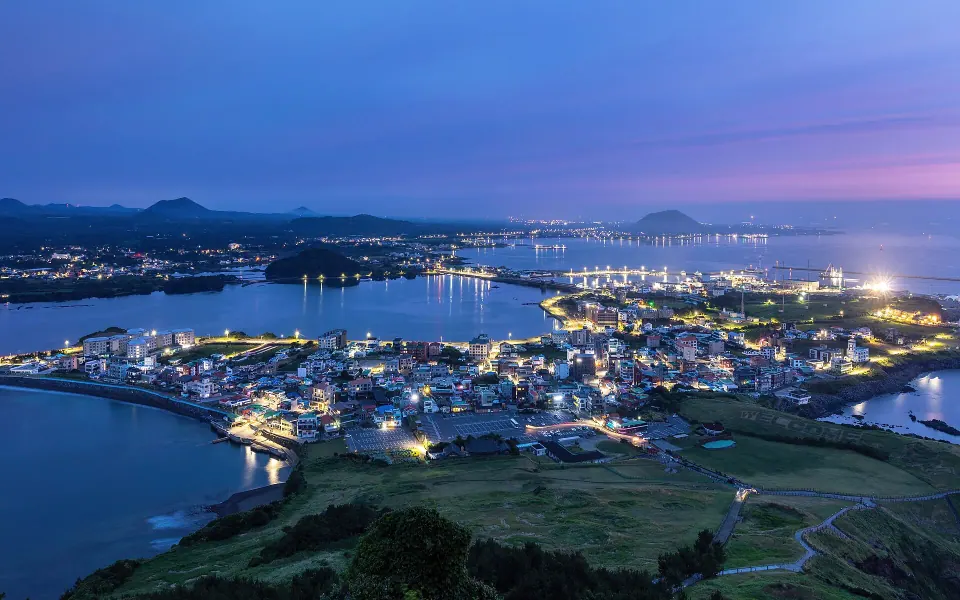
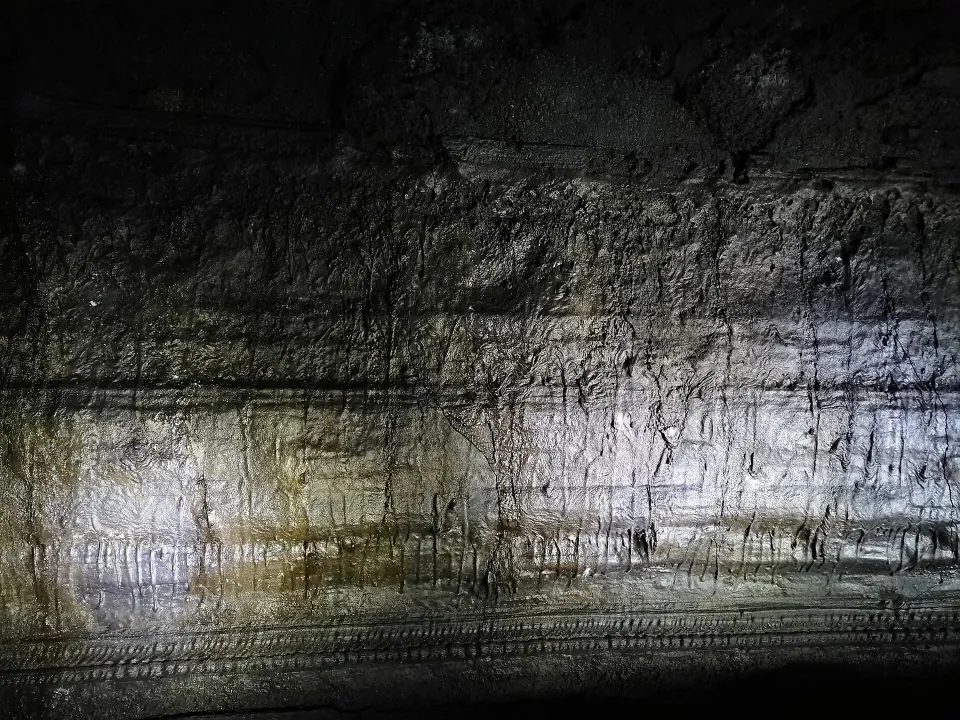
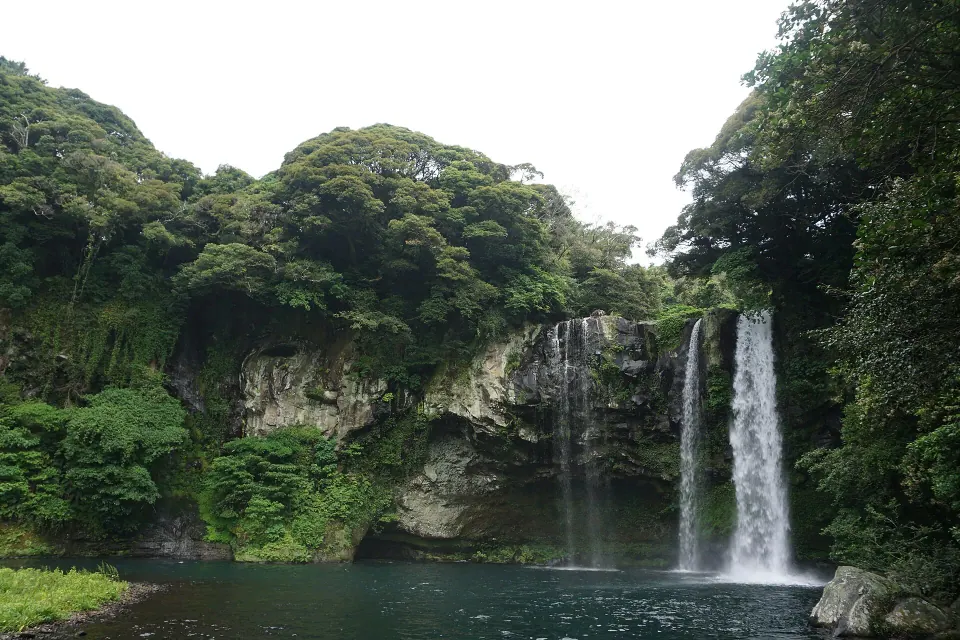
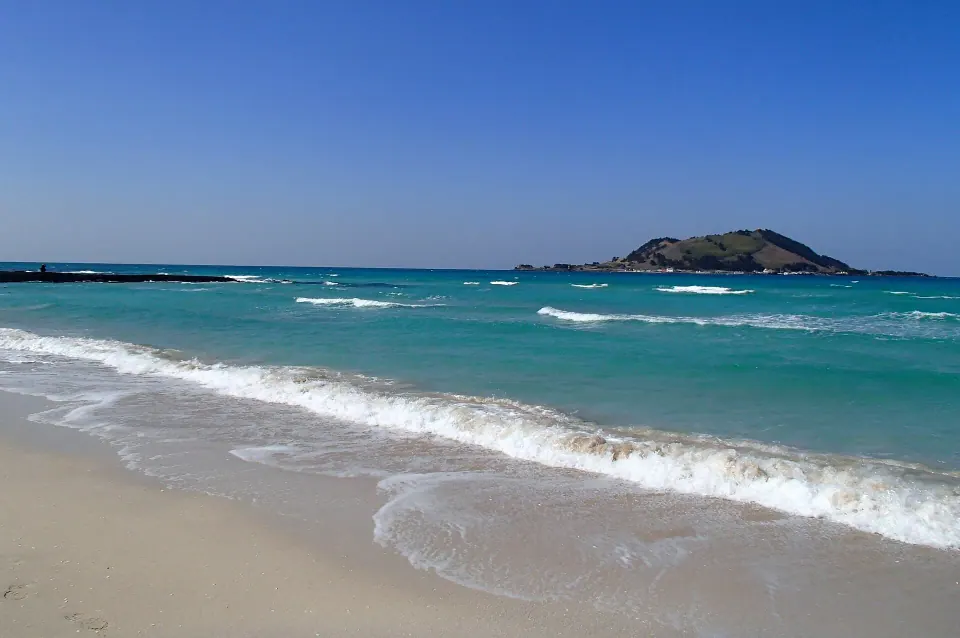
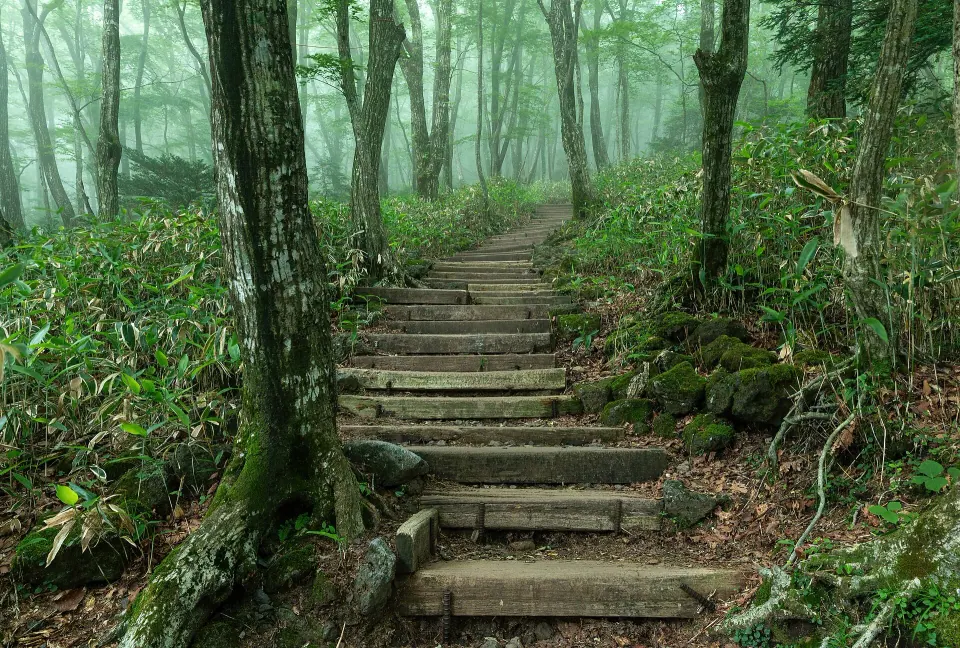
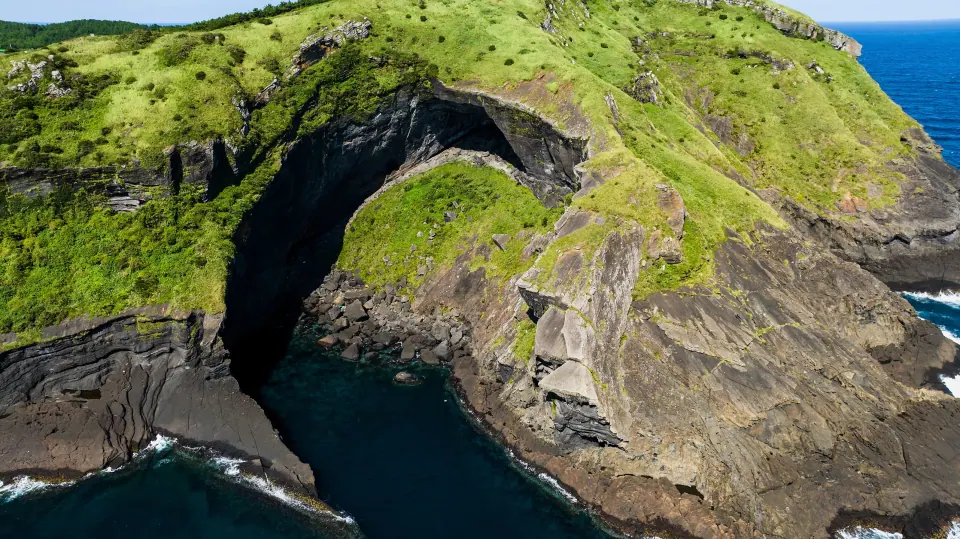
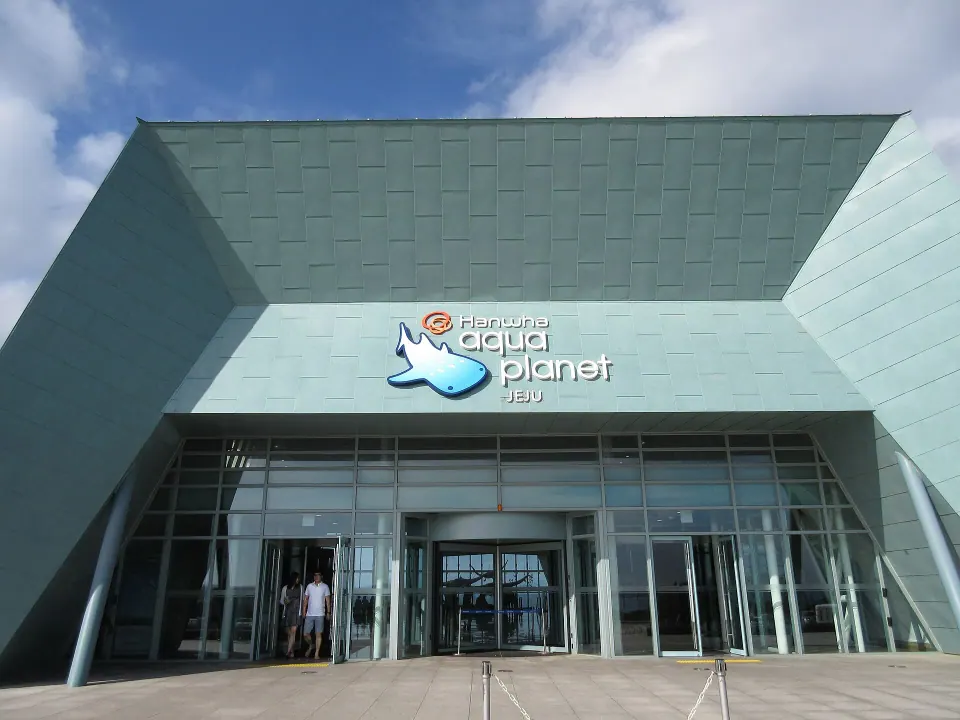
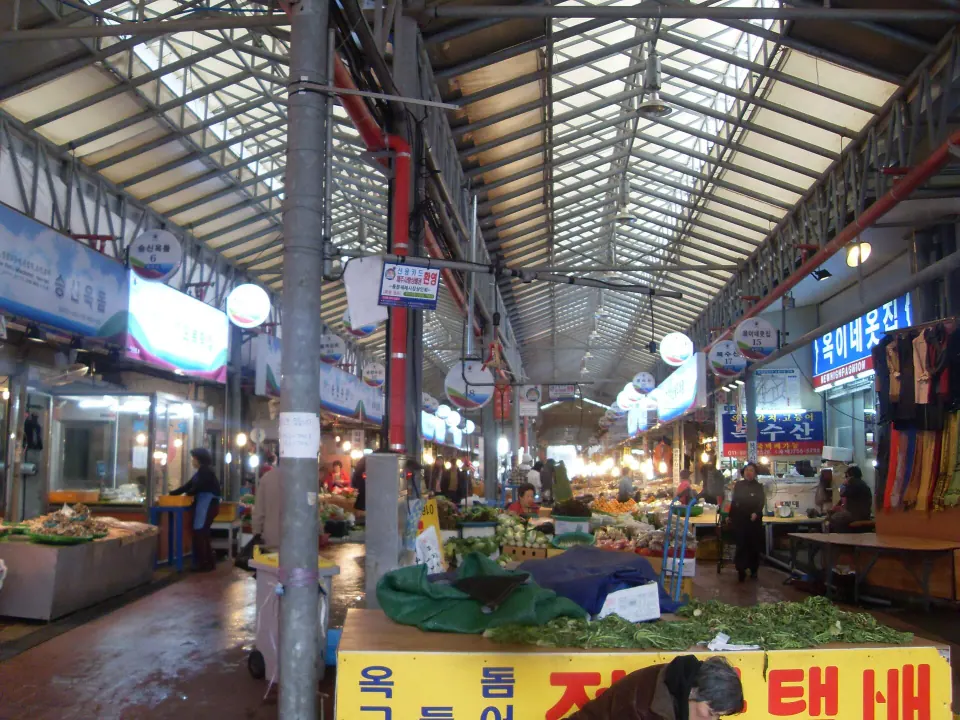
South Korea's southern volcanic island: UNESCO-listed Seongsan Peak, lava tubes, Hallasan mountain, white-sand beaches and tangerine orchards. For those after nature, road trips and relaxation; Mongolian citizens arriving on a direct flight get 30 days visa-free. May–June and September–October are pleasant; swimming July–September.
🛂 Visa: Visa-free · 30 days✈ Flight: 3.5h · direct☀ Best months: May, June, September, October
Like a well-travelled friend for a first-timer: before you go, landing, SIM, transport, money, food, safety, manners, apps, leaving — step by step.
🧳Before you goJeju is the only place in Korea a Mongolian citizen can visit visa-free — but only on a direct arrival. The main preparation is the flight and an International Driving Permit.+
1
Visa: 30 days visa-free in Jeju
Mongolia is on the list of countries eligible for visa-free entry to Jeju Island (ordinary passports): arriving in Jeju directly from abroad gives up to 30 days visa-free for tourism. The permission is valid only within Jeju — to go to Seoul or Busan you need special permission from the Jeju immigration office. Transiting via Incheon or Gimpo means the standard Korean visa (C-3-9) is required. The final decision rests with border control.
There are no regular scheduled UB–Jeju flights; in summer Hunnu Air operates direct charters sold through tour companies (as package tours). The visa-free regime applies only to direct arrivals, so don't buy a 'cheap' ticket via Seoul — you'd need a Korean visa. Charter return flights have fixed dates: plan your days around them and never exceed 30 days.
Fill in the electronic arrival card at e-arrivalcard.go.kr within 3 days before arrival; paper forms at the border also work, but the queue is longer. You'll need the hotel address, flight number and passport details. Mongolian citizens don't use K-ETA (Mongolia isn't on the K-ETA list) — in Jeju this card is all you need.
Jeju National University Hospital and Halla General Hospital exist, but serious cases are flown to Seoul — get a policy covering medical costs and evacuation. If you'll rent a car, bring a paper International Driving Permit (IDP) from Ulaanbaatar — a digital copy or the Mongolian licence alone is not accepted and no car will be released.
5
Season and clothing
May–June and September–October are the most pleasant; July–September hot and humid with swimming, but typhoon season — flights and ferries stop; December–February cool with strong island winds, damp rather than Ulaanbaatar-dry. For Hallasan and the Olle trails bring sturdy shoes, a windbreaker and rain gear; sunscreen and a hat for the beaches.
6
Where to stay
Jeju City (airport, Dongmun Market, bus terminal) — stay here without a car; Jungmun resort area (big hotels, beach) — for families; Seogwipo (waterfalls, Olle trails) on the south coast; Seongsan in the east for the sunrise. The island is big and nothing is close to a single base, so splitting the stay between two areas saves driving.
🛬Landing and getting into townJeju airport is on the edge of the city, not far out like Seoul's Incheon; bus, taxi and rental car — all three options are right outside the arrivals hall.+
1
Airport and immigration
Jeju International Airport is a single building with a small international arrivals area. Fingerprints and a photo at immigration; Mongolians entering visa-free get a Jeju visa-free entry stamp in the passport — keep it until departure. Customs: no meat, dairy, aaruul or dried meat — confiscated and fined. The arrivals hall has a tourist information centre, SIM counters and a convenience store.
For Jungmun or Seogwipo take limousine bus 600: from in front of Gate 5, 06:00–22:40, every 16–40 minutes, with a luggage compartment, past the Lotte, Shilla and Parnas hotels and on to Seogwipo. Pay with T-money or cash. For Jeju City take a regular city bus from the stops outside the gates; Naver Map gives the route.
The taxi rank is outside Gate 3 of the arrivals hall (1st floor): regular taxis seat 4, jumbo taxis up to 8. Metered, taking cash, cards and T-money; surcharge from midnight to 4 a.m. Jeju City is close, Seogwipo a long ride. Drivers speak only Korean — have the hotel name in Korean, or call via Kakao T.
📶SIM and internet+
1
At the airport: KT, SK Telecom
The arrivals hall has operator counters that register tourist SIMs/eSIMs on your passport with unlimited-data packs by number of days and set them up on your phone. Coverage on the island is good — even on mountain roads and Udo. If you need calls, get a pack with a number: rental companies, restaurants and ferry bookings ask for a Korean number.
If your phone supports eSIM, order online from the operators and activate the QR before flying — Naver Map and Kakao T work the moment you land, no counter to find. A travel roaming eSIM is fine too, but without a Korean number.
3
Wi-Fi
Plenty of free Wi-Fi in Jeju City, on buses, at the airport and in cafés; less on beaches and in villages. Navigation, Kakao T and bank verification need data — get an unlimited pack and stop worrying.
4
Data on the road
Driving means navigation (Naver Map, Kakao Navi) burning data all day — unlimited pack, car charger and a phone mount. Rental-car sat-navs have English, but searching Korean names of hotels and restaurants is easier in Naver Map on your phone; save your destinations in advance.
🚇Getting around the islandJeju is a car island: buses reach everywhere but slowly. Families and sightseeing-heavy trips rent a car; couples do fine with buses plus Kakao T.+
1
T-money card
T-money works on all Jeju buses and taxis; buy one at GS25, CU, 7-Eleven and other convenience stores for ₩3,000–5,000 and top up with cash. On buses tap in and out — you get the transfer discount. Small balances can be refunded at convenience stores; balances over ₩50,000 are refunded only at Seoul Station, so don't overload it.
Red buses (100s) are express across the island; blue (200, 300, 500) run the main roads between towns; green (400, 600, 700) are village routes, infrequent; 800s are limousines. With a card you get 2 free transfers within 40 minutes. Check routes and times in Naver Map or Kakao Map; village buses may run hourly, so check your return — last buses are early.
The currency is the won (₩, KRW); think in thousands. Foreign Visa/Mastercard work in restaurants, convenience stores, taxis, rental companies and the tea museum; enable foreign transactions. Cash for Dongmun Market, haenyeo seafood stalls on the coast, small village restaurants, bus fares paid in cash and T-money top-ups.
2
Exchange and ATMs
Exchange booths in Jeju aren't as common as in Seoul's Myeongdong — bringing won from a bank in Ulaanbaatar is easiest; the airport and banks in Jeju City exchange too. Convenience-store and bank ATMs marked 'Global ATM' dispense won on foreign cards with a per-withdrawal fee. Leftover won can be changed back at Mongolian banks.
3
No tipping
Tipping isn't done in Korea — not in restaurants, taxis or hotels. Pay at the register, not at the table. Any service charge is printed on the bill. 'Gamsahamnida' (thank you) is enough.
4
Tax refund
At 'Tax Free' shops a receipt of ₩15,000 or more qualifies; for purchases between ₩15,000 and ₩1,000,000 show your passport and the tax is deducted on the spot, up to ₩5,000,000 for the whole trip. Above that, keep receipts and claim at the refund counter/kiosk in the departure area of Jeju airport. Tangerines and food from duty-free shops don't qualify.
🍜Food and waterJeju food in two words: black pork and seafood. For meat-loving Mongolians, grilled black pork alone is reason enough to come.+
1
Black pork (heuk dwaeji)
Thick slices of Jeju black pork grilled at your table — on Jeju City's 'Black Pork Street' (흑돼지거리) and across the island. Eaten with meljeot (salty anchovy sauce), kimchi and wrapped in leaves. Order one portion for 2–3 people and add more; side dishes (banchan) are free. Evenings fill up — go early.
2
Seafood
Seafood caught by the haenyeo (women free-divers) at coastal stalls and restaurants: jeonbok juk (abalone rice porridge — close to Mongolian rice soup), abalone soup, grilled galchi (hairtail), okdom, sea crab. Night street food at Dongmun Market. For raw fish (hoe), be careful if your stomach is sensitive.
3
Tangerines, tea and cheap eats
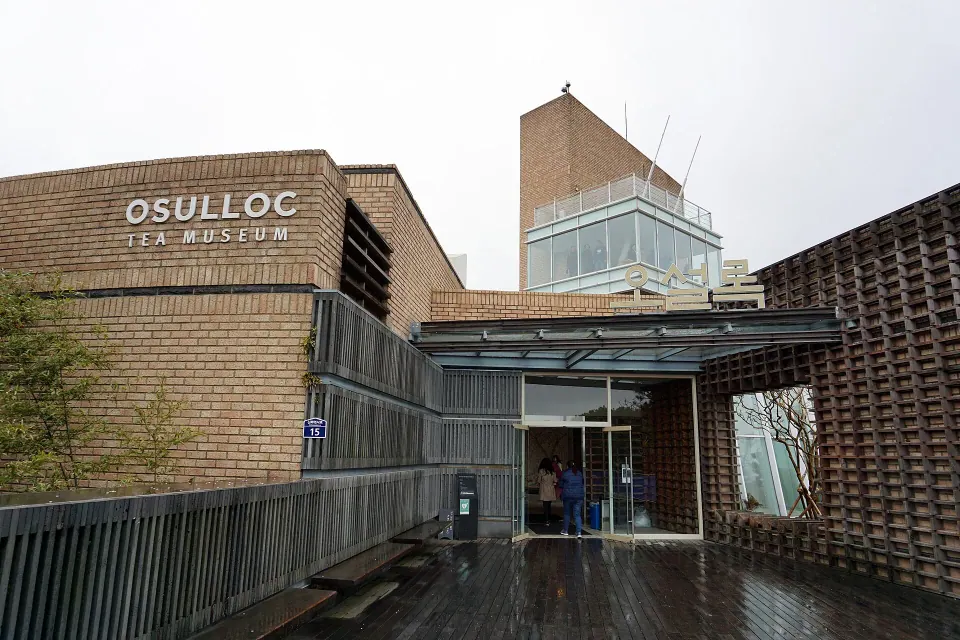
Jeju's hallabong and cheonhyehyang tangerines and tangerine chocolate — gifts; green-tea ice cream at the Osulloc tea museum, peanut ice cream on Udo. Cheap: kimbap, ramyeon and convenience-store food 24 hours; street food at Dongmun and Seogwipo Olle markets; cafés along Yongdam coast in Jeju City.
4
Meat and broth — Mongolian-friendly
Jeju has almost no Mongolian restaurants (unlike Seoul's Mongol Town). For meat and broth there are seolleongtang, galbi and samgyeopsal places everywhere; gogi-guksu (noodle soup with pork) is Jeju's own dish. Korean food is spicy — say 'an maepge' (not spicy). Write allergies in Papago and show it.
🛡️Safety+
1
Emergency numbers
Police 112, ambulance/fire 119 — free; the 1330 Korea Travel Hotline (+82-2-1330) interprets in English, Russian and other languages and will call 112/119 on your behalf. 1339 is the infectious-disease emergency line.
Jeju Tourist Information Center 064-740-6000 — daily 9:00–18:00, English spoken; it helps with taxi drivers, the Hallasan reservation, bus times and more. Information desks at the airport and in central Jeju City. At night, call 1330.
July–September is typhoon season: flights get delayed, Udo ferries cancelled, coastal roads closed — check a weather app daily and don't plan trips the day before your return flight. Swim only at lifeguarded beaches in the open season — currents are strong; rocky shores and lava rock are slippery. Keep children away from the edge.
🙏Manners and laws+
1
Elders and two hands
Greet elders first and give or receive things with both hands. Greet with a bow. Start eating after the eldest has begun; don't stand chopsticks upright in rice. Drinking with elders, hold the glass with two hands and turn aside to drink. Jeju people are warmer than mainlanders and the dialect differs — speak slow, simple English.
2
Haenyeo, villages, nature
Don't approach the haenyeo at work for photos — ask first. Village lanes, fields and tangerine orchards are private property — don't pick fruit over the fence. Don't take lava rock or sand home; stay on marked paths on Hallasan and in the lava tubes and leave no litter. Treat the dol hareubang statues with respect.
3
Laws
Drugs and cannabis are punishable in Korea even if used abroad. Drink-driving, arguing with drivers or confronting police are treated seriously. Drones are banned around Hallasan and the airport — which covers almost all of Jeju City. Smoke only in designated areas; usually banned on beaches. Carry your passport (or a copy).
4
Restaurants, hotels, temples
Many restaurants and hanok stays require shoes off, with a shelf inside for them. Dishes are shared at the table; call a waiter with 'jogiyo!' or press the table button — not rude. At Buddhist temples (Yakcheonsa) remove hats, cover shoulders and respect no-photo areas. Keep the noise down — hotel walls are thin.
📱Useful apps+
1
Naver Map
In Korea Google Maps gives no walking or driving directions (map data is legally restricted). Naver Map has English: buses, walking, car navigation, restaurant ratings, opening hours. Save your destinations in advance and copy Korean addresses into Kakao T or the rental car's sat-nav.
Taxi hailing. Register with your Mongolian number and link a foreign card. The address reaches the driver in Korean, so no language needed. Essential in villages, on the coast, at night and in rain, when no taxi can be hailed on the street.
Naver's translator — more accurate than Google Translate for Korean. Camera mode for menus, road signs and parking instructions; conversation mode; offline packs. It doesn't support Mongolian, so go via English or Russian.
🛫Leaving+
1
Only directly from Jeju
If you entered visa-free, leave on an international flight from Jeju — to return via Seoul or Busan you need the Jeju immigration office's sojourn-area extension permit in advance; without it you won't be boarded on a domestic flight. Know your charter's return date and never exceed 30 days — overstaying means a fine and trouble with the next Korean visa.
Jeju airport is small compared with Incheon, but the international section has few counters and all the charter passengers check in at once, so queues are long. Earlier still if you're claiming a tax refund. Return the rental car to the company (fuel, photos) and take its shuttle to the airport — budget time for it. From town: taxi or bus 600.
For purchases not refunded in the shop: (1) check in without checking your bags, (2) show goods and receipts at the customs counter for a stamp, (3) drop your bags, (4) collect at the counter or kiosk after security with passport and receipts. Receipts of ₩15,000 or more, departure within 3 months of purchase.
Rental offices are off-airport — follow the 'Rental Car Shuttle' signs from arrivals and board your company's shuttle (Lotte every 8 minutes, a 10-minute ride). Bring passport, Mongolian licence, paper IDP and a credit card; minimum age 21. Check the insurance options (vehicle damage) on the spot; the cheap package usually covers only third parties.
Drive on the right; 50 km/h in towns, 80 km/h on larger roads outside, 30 km/h in school zones — speed cameras are everywhere and fines are charged to your card by the rental company. Never cross a yellow line; you may turn right on red when the pedestrian light is red. Parking is mostly free. Drink-driving is punished very harshly — not a single glass.
Taxis are plentiful in Jeju City and Seogwipo, scarce in villages and on the coast — call one with Kakao T (Mongolian number, foreign card). Drivers rarely speak English; paste the address in Korean from Naver Map. 'Global Taxi Tour' offers a full day with an English- or Chinese-speaking driver — good for families who want many sights without driving.
Ferries to Udo leave from Seongsan port — passports are requested when buying tickets, so carry it; get around the island by bicycle, electric scooter (IDP needed) or the island bus. To climb to the Hallasan summit via the Seongpanak or Gwaneumsa trails, reserve for free in advance at visithalla.jeju.go.kr — daily numbers are limited and fill early in the month; the Yeongsil and Eorimok trails need no reservation and suit children.
Jeju is a little cheaper than Seoul, but tourist-area food (black pork, seafood) is pricey; convenience stores, kimbap and market food are cheap. Add the rental car, fuel, the Udo ferry and attraction tickets to the budget. See the live figure below for a realistic meal price.
5
Water and alcohol
Tap water is safe but people drink bottled; carry water on Hallasan and the Olle trails — few shops en route. Jeju's own soju is 'Hallasan', plus tangerine makgeolli; if you're driving, nothing at all. Restaurants give water free from a self-service bar. Evening drinks on the beach aren't banned, but take your rubbish and keep quiet.
4
Mountain and road
Weather on Hallasan turns suddenly — if you're later than the time on your reservation you won't be let up; wind, fog, ice in winter. Carry water, food and layers. When driving, respect the speed cameras and the 50 km/h town limit; village roads have elderly drivers and tractors, and many roads are unlit at night. Scooters and e-bikes also need an IDP and a helmet.
If seriously ill, call your insurer's emergency line or ask 1330 for a hospital. Jeju National University Hospital (Jeju City) and Halla General Hospital have emergency rooms; very serious cases are flown to Seoul. Pharmacies (약국) sell cold, stomach and sunburn remedies without prescription; stronger medicines need a doctor.
6
Mongolian embassy in Seoul
Mongolia has no consul in Jeju; the embassy in Seoul: 02-798-3464, consular section 02-798-1950 (within Korea; from abroad +82 2). If you lose your passport, report it to the Jeju police and contact the embassy — mention that getting to Seoul under the visa-free regime needs the immigration office's permission. Keep a passport copy and photo on your phone.
Few bins — carry rubbish and sort it at your hotel or a convenience store. No fires on beaches; camp only where permitted. On buses leave the elderly seats empty even when free and don't talk loudly on the phone. Wait for the pedestrian light — cars are fast. 'Annyeonghaseyo' is hello, 'gamsahamnida' thank you.
visitjeju.net (Jeju's official tourism site) in English: sights, Olle trails, buses, ferries, events. Google Maps in Korea shows only the map and restaurant ratings — no directions. The Hallasan reservation lives at visithalla.jeju.go.kr.
Tangerine chocolate, tea, sealed food and cosmetics are fine; fresh tangerines and seafood must be declared at Mongolian customs and may be confiscated — choose sealed or dried versions. Keep receipts for electronics and cosmetics above the personal allowance. The airport duty-free is small — buy gifts in town.
5
Won and T-money
Departure tax is included in your ticket. Leftover won can be exchanged at Mongolian banks, so no need to rush spending it; small T-money balances can be refunded at convenience stores, or keep the card for your next trip to Korea. If a flight is postponed (typhoon), contact the company that sold the ticket — charters have few alternatives.