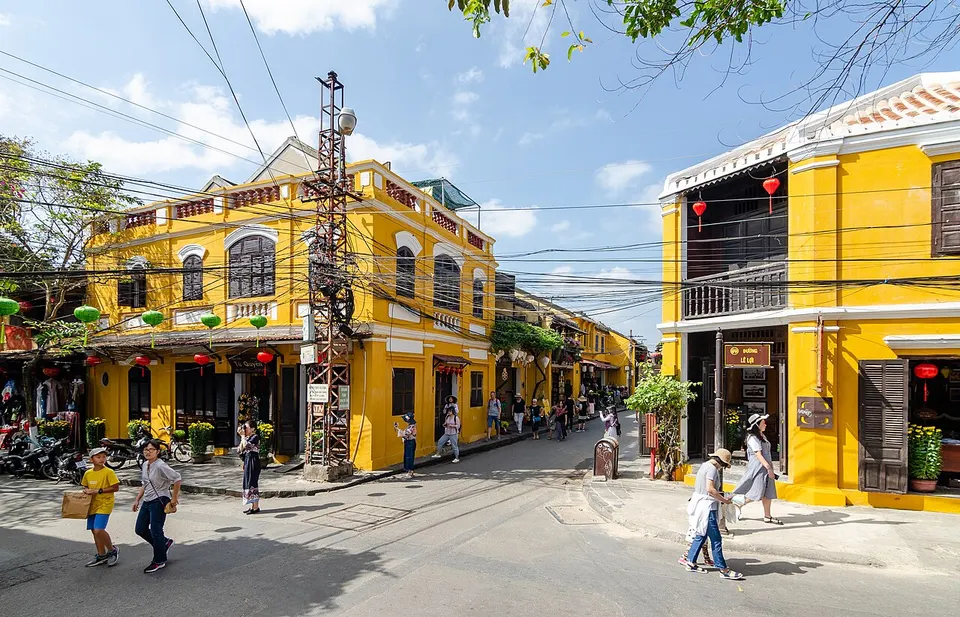
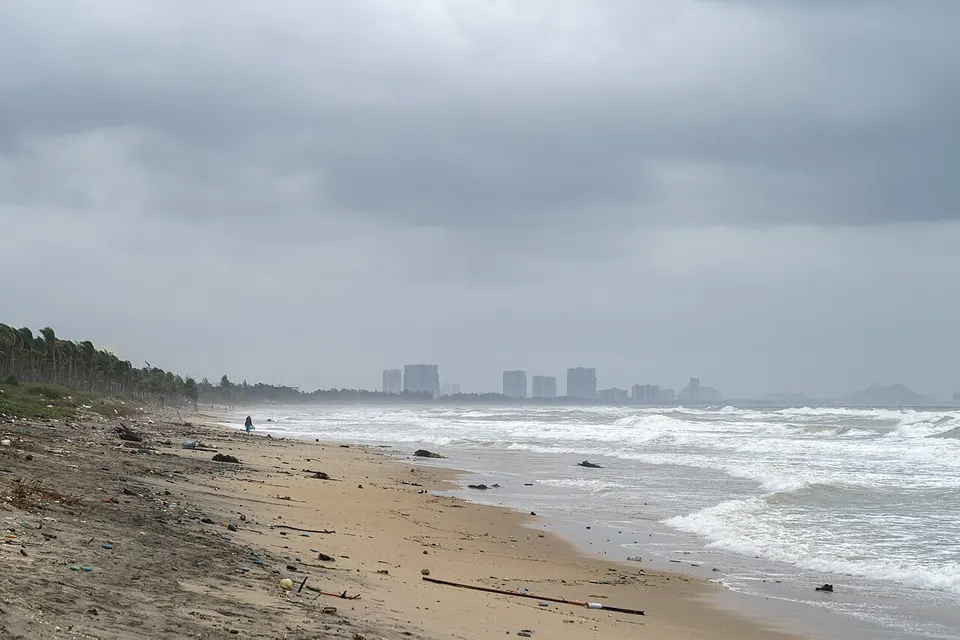
The UNESCO-listed Old Town of Hội An on Vietnam's central coast: yellow-washed houses, silk lanterns, the Thu Bon river, tailors, local dishes such as Cao Lau, and An Bang beach. Good for history, food and slow strolls; best from February to August, while October–November brings heavy rain, floods and typhoon risk. Fly into Da Nang (DAD) and drive ~30 km (Hội An became a ward of Da Nang city in 2025). Mongolian citizens with an ordinary passport can enter Vietnam visa-free for up to 30 days.
🛂 Visa: Visa-free · 30 days✈ Flight: 12h☀ Best months: February, March, April, May
Orange — daytime average, blue — night, grey bars — rainfall, green — sea temperature. Best months: February, March, April, May, June, July, August.
Things to see (10)
🧸 for kids
Hoi An Ancient Town
CultureVND 120,000 (ticket covering 5 sites)≈7:00–21:00 (varies by site, to be confirmed)
A 15th–19th-century trading port and UNESCO World Heritage Site (1999). Assembly halls, old houses and museums; lanterns light up in the evening, with a lantern festival on the 14th of each lunar month. A ticket is required.
CultureIncluded in the Old Town ticketDaily (to be confirmed)
Travel guide
Like a well-travelled friend for a first-timer: before you go, landing, SIM, transport, money, food, safety, manners, apps, leaving — step by step.
🧳Before you goMongolian citizens currently enter Vietnam visa-free, but check your documents carefully. Think about the season, insurance and packing, and the trip will go smoothly.+
1
Visa: 30 days visa-free
Ordinary Mongolian passport holders travel to Vietnam visa-free for up to 30 days from 7 March 2024. You need a passport with enough validity, at least two blank pages for stamps and a return ticket. Longer stays need a visa/e-visa.
Tip: This rests on a Mongolian consular list; confirm with the embassy or consulate before you fly.
Hoi An has small hospitals and clinics; serious cases are moved to Da Nang: Vinmec International, Hoan My or Da Nang Hospital. If you plan to ride a motorbike, check that the policy covers it. Choose cover for treatment and evacuation.
Tip: Keep the insurer's phone number and your policy number as a photo on your phone.
3
When to go
Spring and early summer are usually the drier, more pleasant time in Hoi An. Autumn (September–November) is typhoon and rainy season: the Old Town floods often and plans can change. Check the forecast and prefer bookings you can move.
Tip: Hotels can be cheaper during floods, but ask how close the room is to the river and which floor it is on.
Carry a sensible amount of cash: cash above a set limit must be declared to customs on entry. Ask your Mongolian bank to enable foreign payments and check your limits before leaving.
Tip: Take two different cards and a little cash in dollars as a backup if one card fails.
5
What to pack
Hot and humid: light clothes, sunscreen, a hat, mosquito spray, a rain jacket. Bring something that covers shoulders and knees for temples and assembly halls. Mongolian two-round-pin plugs mostly fit Vietnamese sockets.
Tip: Pack quick-dry shoes as well as sandals; they help if you wade through flood water.
🛬ArrivalHoi An has no airport of its own: you land in Da Nang (DAD) and continue by road. The transfer is easy.+
1
Da Nang airport and immigration
At the international terminal you show your passport at immigration. Keep your passport and return ticket handy and save your hotel address on your phone. Then collect your bags and exit.
Tip: The officer may ask for your return ticket and where you will stay; keep a printout or screenshot ready.
2
Getting to Hoi An
Hoi An is about 30 km from the airport, 40–50 minutes by taxi or Grab. A transfer pre-booked through your hotel is the calmest; otherwise call a Grab and check the fare in the app.
Tip: If you land at night, tell the hotel so someone is at reception to let you in.
At the airport pick a marked company taxi that uses the meter, or Grab. Do not get into cars of people who follow you calling "taxi, taxi". If the meter will not be switched on and no price is agreed first, do not get in.
4
📶Phone and internetVietnam's main three operators are Viettel, Vinaphone and MobiFone. SIMs are registered with a passport, so eSIM is the easiest.+
1
eSIM is the easiest
If your phone supports eSIM, buy a Vietnamese or international data eSIM before you fly and activate it on landing. No counter queue and no registration hassle. If you need few calls, a data-only plan is enough; Grab, WhatsApp and Zalo all run on data.
Tip: Before you buy, check that your phone is not network-locked.
Tourist SIMs from Viettel, Vinaphone and MobiFone are bought at the airport or official shops and registered with your passport. The price depends on the plan, so ask about data and validity. Have the staff set it up and check that data works before you leave.
3
Beware of street SIMs
A SIM sold without asking for your passport is probably registered to someone else and can be cut off after a few days. Use an official shop or a reputable eSIM.
Tip: Wi-Fi is nearly everywhere, but you still need data for maps and Grab on the street.
🚇Getting aroundHoi An is small and best seen on foot or by bicycle. For anything farther you have three choices: Grab, taxi or motorbike.+
1
Walking and cycling
The core of the Old Town is great on foot; cars and motorbikes are restricted at certain times, so ask your hotel. A bicycle easily gets you to An Bang beach and the countryside. Ride in daylight and check the brakes and lights.
Tip: Many hotels lend bicycles free, so ask before you rent one.
2
Grab and taxis
Grab shows the fare up front, so it is the clearest option. Have your hotel call an official metered taxi. Before you set off, show the driver the destination on Google Maps.
3
Motorbike rental: know the risk
Cheapest and riskiest. To ride legally you generally need an international permit issued under the 1968 Vienna Convention (motorbike category); check with the issuer. A helmet is compulsory and check your insurance. Photograph every scratch before renting.
Tip: If you are not an experienced rider, don't; Grab and a bicycle are enough.
💳MoneyThe currency is the Vietnamese dong (VND). The numbers are big: tens of thousands of dong are just a few dollars.+
1
Cash and ATMs
Small eateries, markets, taxis and bike rentals are cash. Use ATMs next to bank branches; foreign cards incur ATM and bank fees. Enable foreign transactions on your Mongolian card before you leave.
Tip: The per-withdrawal limit is often low, so factor in your bank's fees too.
2
Exchanging money and dong notes
Change money at banks, licensed gold shops or reputable exchange points; be wary of street "best rates". Dong notes look alike and have many zeros, so check the number of zeros before handing one over. Recount your money at the counter.
Tip: Learn to tell the notes apart by colour; it prevents mistakes.
3
Cards and QR
Hotels, bigger restaurants and shops take cards; small places may add a card surcharge. QR payments are widespread, but most need a local bank app, so cash is the reliable option for a tourist.
4
Old Town ticket and bargaining
You buy a ticket to enter the Old Town and visit its heritage sites; buy it only at official points. Bargain at markets with a smile, starting around half the asking price. Check the menu for a service charge; tipping is not compulsory.
🍜FoodHoi An is one of Vietnam's food capitals. Meat, broths and noodles that suit a Mongolian palate are plentiful.+
1
Must-try dishes
Cao lầu (Hoi An's signature thick noodles), mì Quảng, cơm gà (chicken rice), bánh mì, white rose dumplings and bánh xèo. Herbs and chilli come on the side, so you set the heat yourself.
2
Where to eat
Choose small local eateries that are busy and cook fresh. Ordering family-style makes sharing easy. Be careful with food left out for a long time and seafood that does not look properly chilled.
Tip: If the menu has no prices, ask before you order.
3
Water and ice
Do not drink tap water; use bottled water. Factory ice in restaurants and cafés (cylinders with a hole) is usually safe. Wash and peel fruit.
Tip: Many cafés have refill stations; carry your own bottle to cut down on waste.
4
If you get sick
For stomach pain and diarrhoea: water, electrolytes (oresol from a pharmacy) and rest. If it drags on or you have a fever, go to a clinic or to Vinmec or Hoan My in Da Nang with your insurance card and passport. Every pharmacy stocks anti-diarrhoea medicine.
🛡️SafetyHoi An is generally safe. The main risks are roads, the sea, weather, petty theft and price scams.+
1
Emergency numbers and the embassy
Police 113, fire 114, ambulance 115. The Mongolian Embassy is in Hanoi: Van Phuc Diplomatic Quarter, Villa No 6. If you lose your passport, report it to the police and contact the embassy. Carry your hotel's address and phone number written in Vietnamese.
Typhoons from September to November and river floods are a real risk in Hoi An. In a flood, low parts of the Old Town go under and movement is restricted. Follow local announcements and hotel advice; when wading, watch for electrics and open drains.
Tip: Keep your phone charged and your passport copy in a waterproof bag.
An Bang and Cua Dai beaches can have strong rip currents. Do not swim alone out of your depth and obey warning flags. If caught in a rip, swim sideways along the shore, not straight in. Never leave children alone near the water.
🙏EtiquetteVietnamese people are polite and care about face. A calm guest who respects temples and elders is warmly received.+
1
Temples and assembly halls
Dress to cover shoulders and knees. Take off your shoes where required (temples, homes). Do not climb above altars, keep your voice down and ask before photographing ceremonies. Do not disturb musicians or those taking part.
Tip: Slip-on sandals are easiest in the Old Town's heritage houses.
2
Manners
The head is respected and the feet are low: do not touch a child's head or point with your feet. Hand over money and cards with both hands. Raising your voice in anger loses face; settle disputes calmly and with a smile.
Tip: People often avoid a blunt "no" to save face, so read between the lines.
3
Photos and the law
Ask before photographing people, especially elders, children and vendors. Check the rules before flying a drone. Drug laws are very strict. Do not post disrespectful photos or comments about the Vietnamese flag or leaders.
Tip: During Tet (Vietnamese New Year) many places close and prices rise, so book ahead.
4
Language and greetings
📱Useful appsDownload and register before you fly so everything works on landing.+
1
Grab: rides and food
Grab combines cars, motorbike taxis and food delivery. You can register with your Mongolian number and get the SMS code. Add a card and you need no cash; the fare is shown before you start.
Download Hoi An and Da Nang as offline maps. It is good for small lanes and bike routes. Save your hotel and favourite eateries and show a driver the pin.
Hotels and tour operators use WhatsApp or Zalo. Install both and verify your number. Save your hotel's number as soon as you arrive.
🛫LeavingThe Da Nang airport is not far from Hoi An, but traffic and weather are unpredictable. Leave early.+
1
When to go to the airport
Leave early for an international flight; add extra road time during typhoon or rain. Pre-book a transfer through your hotel, or take Grab straight to the departures drop-off.
Tip: Check your flight status before leaving the hotel; it changes during typhoons.
2
VAT refund
Tourists can sometimes reclaim VAT. At Da Nang airport first show your goods and receipts at the customs counter in the 2nd-floor departure hall to confirm eligibility, then go to the VAT refund counter after security. Keep passport, boarding pass, receipts and goods ready.
Tip: Show the goods to customs before you check them into your luggage.
Cash above 5,000 US dollars or 15 million dong must be declared. If you carry food, especially meat, know Mongolian customs rules too. Antiques, animal parts and protected items may not be exported.
Tip: If you have clothes tailored, collect them in good time before you fly and allow time to repack.
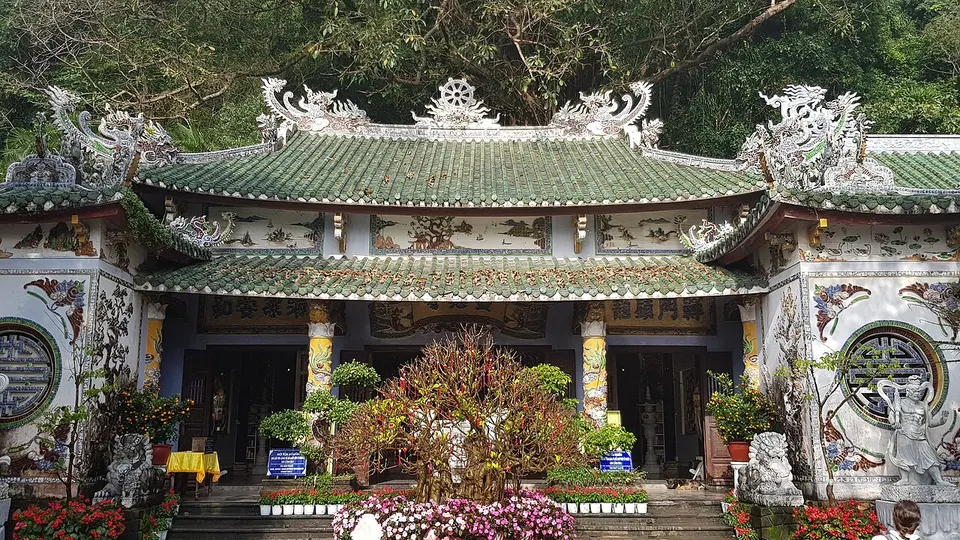
Nature≈VND 40,000 (lift extra, to be confirmed)7:00–17:00
Limestone-and-marble hills in Da Nang with caves and Buddhist temples, about 25 km from Hoi An. Many steps — take care with young children and older travellers.
Old Town: walkable, restaurants, lanterns. An Bang beach: sea and relaxed cafés. Cua Dai: close, though parts of the shore are eroded. Villages on the edge of town: very quiet. Choose near the Old Town but not right on the river, because of flood risk.
Tip: Ask whether the hotel lends bicycles; you will mostly walk or cycle around town.
4
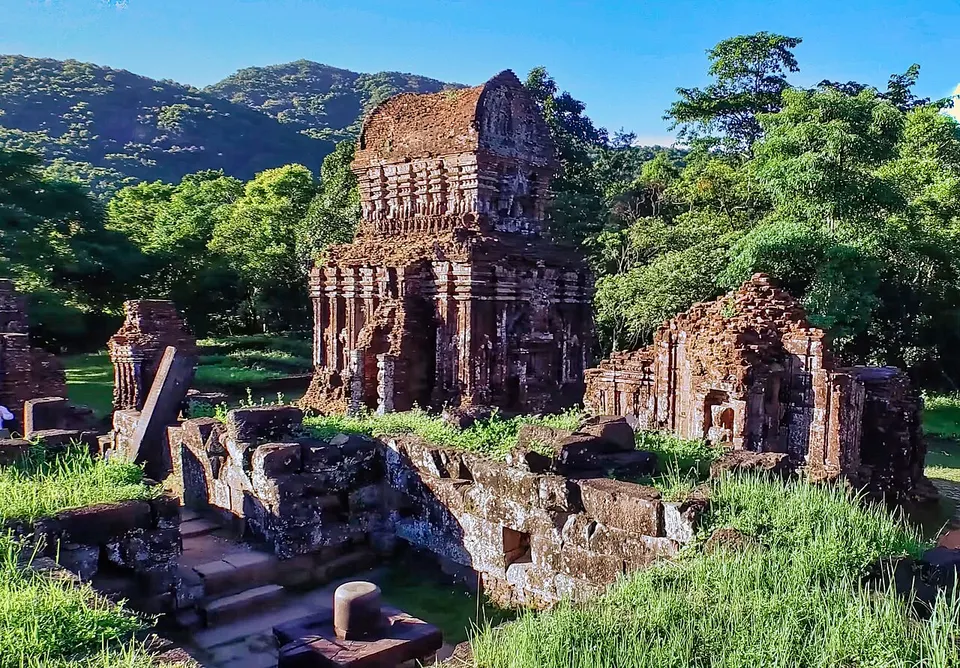
Day trips: Da Nang and My Son
A car with driver or an organised tour is the easiest way to reach My Son, the Marble Mountains, Da Nang and the Hai Van Pass. Agree in advance what the price includes: tickets, meals, waiting time.
Tip: Keep the agreement in writing (WhatsApp, Zalo) in case of a dispute later.
5
River boats and lanterns
Agree the price and duration of a Thu Bon river boat or lantern release before you get on, with no extra charges. Boat operators sometimes push lanterns at inflated prices; politely decline if pressed.
Tip: Rice, broth and bananas make a good light first day.
Tip: Before a typhoon and after heavy rain the sea is usually dangerous; stay out.
4
Bag snatching and scams
Snatching of phones and bags from passing motorbikes happens; carry your bag on the side away from the road and do not hold your phone out by the kerb. Agree prices for taxis, tailors, boats and rentals in advance. Do not follow people who say a place is "closed" and steer you elsewhere.
Tip: Keep copies of your passport and insurance on your phone; leave the original passport in the hotel safe.
5
Traffic and animals
Traffic is chaotic: cross steadily and slowly and let motorbikes steer around you. Motorbike crashes are a common cause of tourist injuries. If a dog or monkey bites you, wash with soap and get a rabies shot at a hospital the same day.
"Xin chào" (hello), "Cảm ơn" (thank you), "Bao nhiêu?" (how much?), "Không, cảm ơn" (no, thank you). English is moderate in the Old Town and hotels and limited elsewhere; Translate and written addresses help.
Tip: Vietnamese is tonal, so the same word in the wrong tone can mean something else; show the written word.
Tip: Do the number verification for both apps before you fly so you lose no time on the ground.
Leftover dong is almost impossible to change in Mongolia, so convert it into dollars at the airport or spend it at a last café or market. Small notes make good tips for drivers and hotel staff.