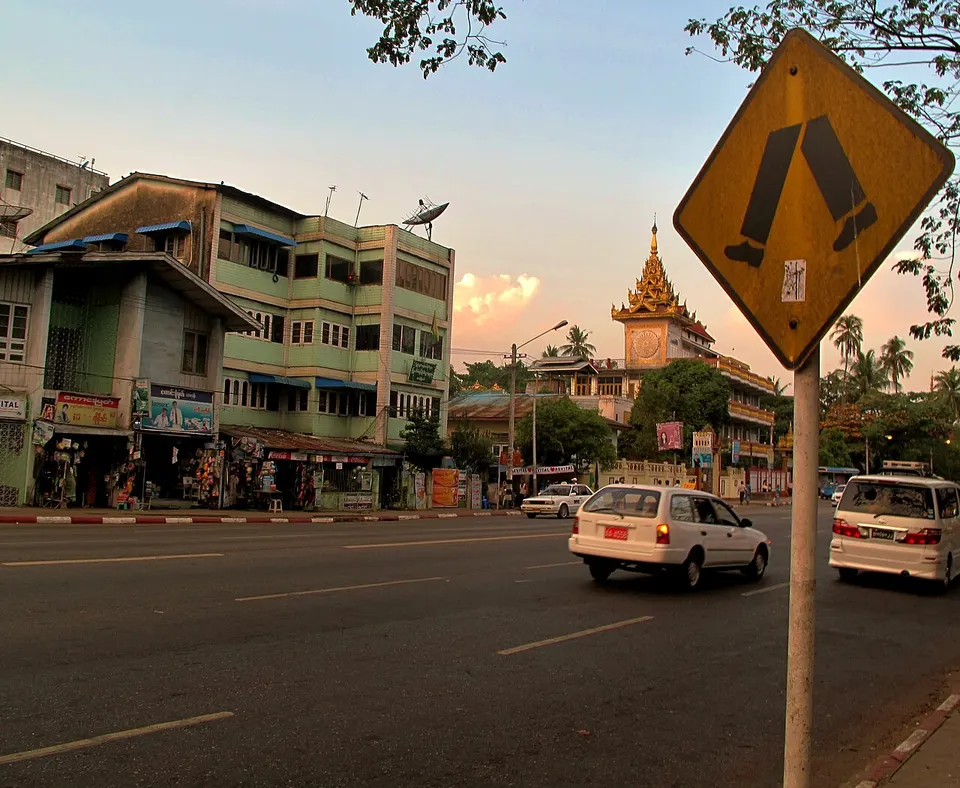
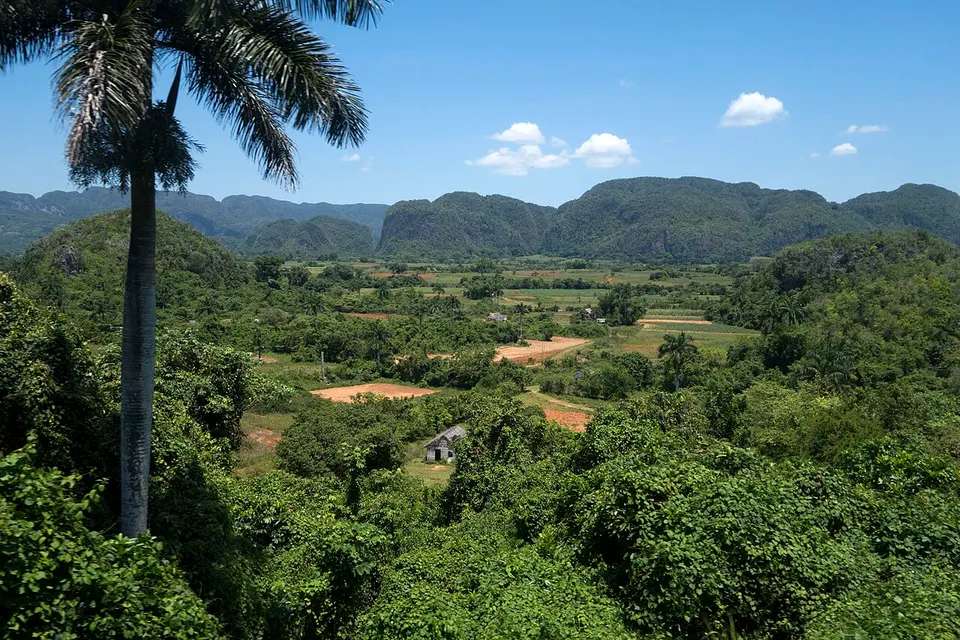
Cuba's capital: UNESCO-listed Old Havana, sunsets on the Malecón, 1950s classic cars and live salsa. The white sands of Varadero are 2.5 hours away, the tobacco valley of Viñales 3 hours. Mongolian citizens can stay 30 days visa-free. Be aware: in 2026 Cuba is in a severe fuel and power crisis — frequent blackouts, far fewer flights, and Visa/Mastercard do not work; bring all your money in cash.
Sign in to keep the plan — you'll continue right after.
💵
Costs and prices on the ground
…
return from $1800
☀️
Weather
Daytime 27–32°C · warmest in June
Orange — daytime average, blue — night, grey bars — rainfall, green — sea temperature. Best months: December, January, February, March, April.
📍
Things to see (12)
12 places: Old Havana and Plaza de la Catedral, The Malecón, El Capitolio…
🧸 for kids
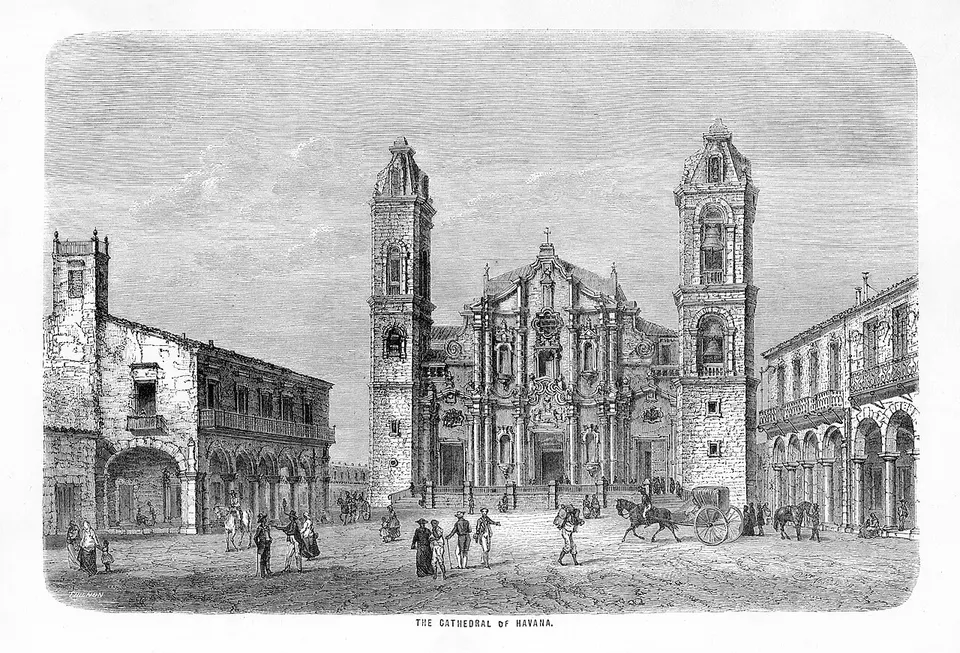
Old Havana and Plaza de la Catedral★ 4.6 (20,000)
CultureFree24 hours
The UNESCO-listed colonial city: walk the four squares — Catedral, Armas, Vieja and San Francisco — linked by Obispo Street. Go early in the morning or in the late afternoon when the heat drops.
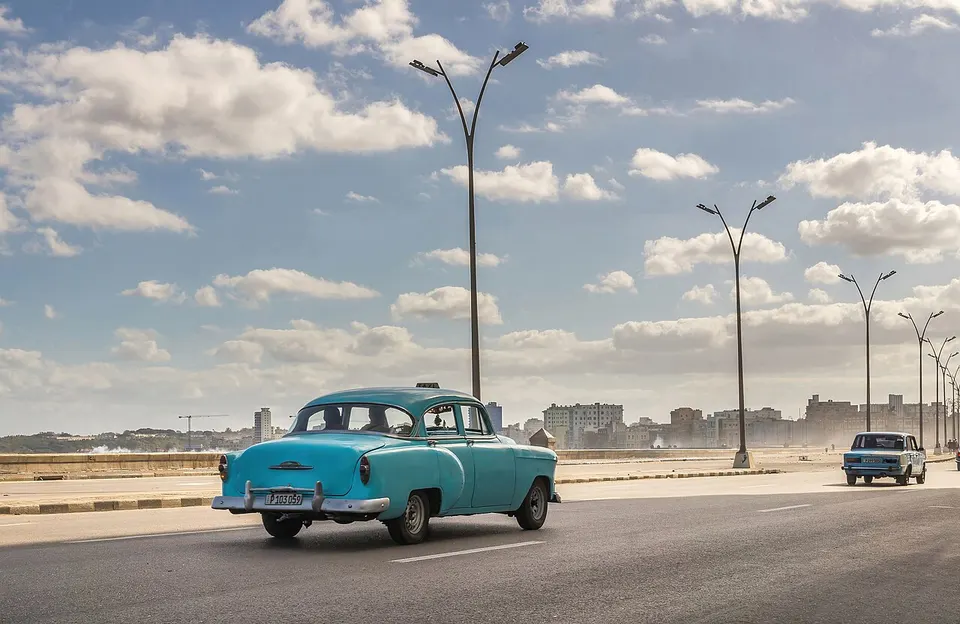
An 8 km seawall promenade where locals play music, fish and cool off in the evening. Walking from Old Havana towards Vedado before sunset is the classic. On stormy days waves break over the road.
Show all (12)
Museum of the Revolution★ 4.2 (9,000)
Culture200 CUP (children under 12 free)≈9:00–17:00
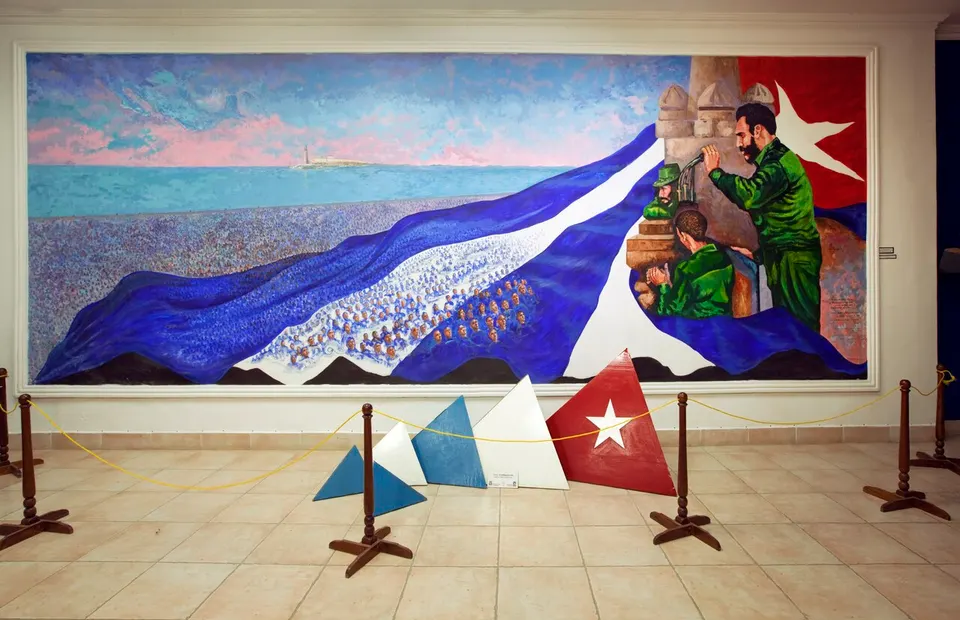
Batista's former palace. The building is under renovation in 2026, so only the outdoor exhibits are open: the Granma yacht, revolution-era vehicles and aircraft.
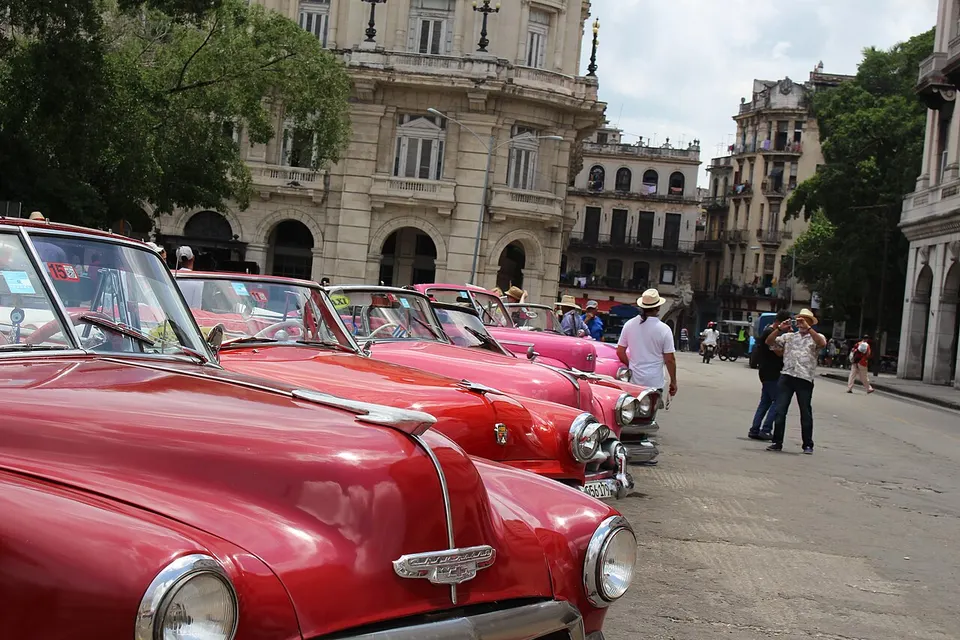
Classic car tour (to Plaza de la Revolución)★ 4.6 (10,000)
City
📷
Photos
11 photos
1 / 11
✈️
Flights (from UB)
With a stop · 30 h · $1800–$3200
MIAT + Air China · PEK30 h
Turkish Airlines + Air Europa · MAD32 h
Air China + Lufthansa + Air Europa · MAD34 h
Adult return fare: $1800–$3200Do not route via the USA: it needs a US visa and US sanctions make Cuba travel complicated. When connecting in Madrid, keep everything on one ticket and stay airside — on separate tickets you need a Schengen visa. Schedules are being cancelled constantly in 2026, so buy a refundable fare and recheck before departure.
🛂
Visa and documents
Visa-free · 30 days · language, safety, medical, SIM
Visa-free · 30 days
Under the Mongolia–Cuba agreement of 8 Oct 2001, Mongolian citizens with any passport (including ordinary) can stay in Cuba visa-free for up to 30 days. Even visa-free you must have: medical insurance valid in Cuba (or buy one from Asistur at the airport), the D'Viajeros online form (QR code), a return ticket and a passport valid 6+ months. For stays over 30 days, get a tourist visa from the Cuban Embassy in Ulaanbaatar. Some Cuban official sites list only China as visa-exempt, so confirm with the embassy before you fly.
Visa rules can change — confirm with the embassy or an official source before you travel.
Language:Spanish; a little English at tourist hotels and on tours, almost none elsewhere — an offline translation app is a must
Safety:Violent crime is rare, but pickpocketing and scams (currency exchange, 'cheap' cigars) happen in tourist areas. In 2026 there are severe shortages of fuel, electricity, food and medicine: the national grid has collapsed completely several times and water supply is cut at times. Canada advises against non-essential travel. Hurricanes June–November.
Healthcare:Foreigners are treated at the Cira García international clinic (Miramar); hospitals lack medicines and supplies, and bills are paid upfront in cash US dollars. Insurance with evacuation cover and your own supply of medicines are essential.
Phone:ETECSA's Cubacel Tur tourist SIM: 4 GB for 7 days ~$14, 10 GB for 30 days ~$35; at Havana airport or ETECSA offices. Internet is slow and the network weakens during blackouts; most international eSIMs do not cover Cuba.
🧭
Travel guide
Arrival, SIM, transport, money, customs — step by step
Like a well-travelled friend for a first-timer: before you go, landing, SIM, transport, money, food, safety, manners, apps, leaving — step by step.
🧳Before you goMongolians need no visa, but insurance, the D'Viajeros form and all your trip money in cash must be sorted at home. Factor in that Cuba is in a deep crisis in 2026.+
1
Visa: 30 days visa-free
Under the 2001 Mongolia–Cuba agreement, Mongolian citizens with any passport can stay up to 30 days visa-free. You need a passport valid 6+ months, a return ticket and medical insurance valid in Cuba — without it you must buy one from Asistur at the airport. For longer stays, get a visa from the Cuban Embassy in Ulaanbaatar.
Tip: Some Cuban official sites list only China as visa-exempt; get written confirmation from the Cuban Embassy before buying tickets.
One online form combining personal, health and customs declarations — fill in a separate one for each child. Complete it within the 72 hours before your flight, then save the QR code on your phone and print it.
Power is cut daily on a schedule in Cuba, and the whole national grid collapsed several times in 2026; fuel, food and medicine are scarce. Canada advises against non-essential travel. Bring a power bank, a torch, your own medicines and water-purification tablets; choose a place to stay with a generator.
🛬Landing and getting to the cityJosé Martí Airport (HAV) is south of the centre; there is practically no public transport, so take a taxi or a booked transfer.+
1
Official taxis
State taxis (yellow or black, marked 'Taxi') wait at arrivals: $25–35 to Old Havana or Vedado, 30–40 minutes. Meters don't work, so agree the fare before getting in and pay in cash dollars or euros.
Private guesthouses (casas particulares) usually offer airport pickup — the most reliable option for late arrivals, fuel shortages and blackouts. Confirm on WhatsApp and ask for the driver's name.
Tip: Write your guesthouse address and phone number on paper before landing — your phone may have no internet.
📶Phone and internet+
1
Cubacel Tur tourist SIM
ETECSA's tourist SIM: Básico 4 GB for 7 days ~$14; Plus 10 GB for 30 days ~$35. Get it with your passport at Havana airport or an ETECSA office, or pre-order online.
When the power goes, mobile towers switch off and internet becomes slow or disappears. Most international eSIMs do not cover Cuba. Download Maps.me and Spanish for Google Translate at home; WhatsApp calls are the cheapest way to talk.
🚇Getting aroundFuel shortages mean fewer taxis and buses and rising fares. Old Havana is easiest on foot.+
1
Taxis and classic cars
Taxis are the practical way around the city: state taxis, old American cars (máquinas — shared, on fixed routes) and three-wheelers. Always agree the fare first. Apps such as La Nave and Cuba Taxi work in Havana but need internet.
2
To Varadero and Viñales
Viazul tourist buses: Havana–Varadero ~2.5 hours, ~€15; Havana–Viñales ~4 hours, ~€16. Buy tickets online in advance. Shared taxis (taxi colectivo) are faster and pick you up at your door. In 2026 trips are sometimes cancelled for lack of fuel.
💳MoneyIn 2026 foreign Visa and Mastercard cards do not work in Cuba at all. Bring all your trip money in cash (dollars, euros).+
1
Cards don't work — bring cash
Because of US sanctions, Visa and Mastercard cards from any country stopped working in Cuba on 6 June 2026. UnionPay and MIR cards work in theory, but ATMs and terminals are often without power. Bring all your spending in small, clean, untorn US dollars or euros; hospitals demand cash dollars.
Tip: Split your cash between several places to limit the damage from loss or theft.
The official floating rate for the Cuban peso (CUP) was ~693 CUP = $1 in early October 2026; the informal street rate ~775–780. Tourist hotels, restaurants and taxis mostly take dollars or euros directly; small purchases need pesos. Change at CADECA exchange offices or banks — changing on the street is illegal and full of scams.
🍜FoodWith food shortages, state shops are often empty; private restaurants (paladares) are the most reliable.+
1
Paladares — private restaurants
Family-run private restaurants are far better than state ones: ropa vieja (shredded beef), moros y cristianos (rice with black beans), lechón (roast pork), tostones (fried plantain). Many paladares fit dinner around the power-cut schedule, so book a table ahead.
2
Water and supplies
Don't drink tap water — use bottled water and purification tablets. Bottled water, baby food and special diets are sometimes unavailable, so bring what you need if travelling with children. Breakfast at a casa particular (fruit, eggs, coffee) is usually good.
Tip: A small tip in restaurants is customary; for musicians too.
🛡️Safety and health+
1
Emergency numbers
Police 106, ambulance 104, fire 105. You may need Spanish, so ask your host for help. Register your trip on consul.mn and keep the contacts of the Mongolian mission accredited to Cuba.
Hurricane season runs June–November, peaking August–October, when flights and buses may be cancelled. Blackouts can last over 24 hours — always keep water, a torch and a charged power bank. In tourist areas, watch out for pickpockets and currency-exchange scams.
Foreigners are treated at the Cira García international clinic in Miramar. Hospitals lack medicines and supplies, and bills are paid in cash dollars before you leave. Travel with insurance that includes evacuation and a full supply of your own medicines.
Don't photograph police, soldiers or government buildings. Avoid public arguments about politics or the country's leaders. Ask before photographing locals — some will ask for money.
2
Meeting people
Cubans are warm and talkative; a cheek kiss as a greeting is normal. During shortages, small gifts from soap to medicines are gratefully received. A few Spanish words — 'hola', 'gracias', 'por favor' — go a long way.
📱Useful apps+
1
Offline preparation
Internet is weak and power cuts are frequent, so download Cuba in Maps.me and Spanish in Google Translate at home. Save screenshots of your bookings, flight, insurance and D'Viajeros QR code.
elTOQUE — the daily informal exchange rate; check before changing money. Viazul — intercity bus tickets. WhatsApp — the main way to reach your casa particular, drivers and guides.
In 2026 Cuban flights are often cancelled or rescheduled; Air Europa refuels in Punta Cana on the way back. Check with your airline 1–2 days before departure and be at the airport 3 hours before an international flight. Book your airport taxi in advance — fuel shortages can make taxis hard to find.
Cigars and rum leave within set limits — keep the receipt from an official shop; 'cheap' street cigars are usually fake. Spend leftover pesos before you go; they can't be exchanged outside Cuba.
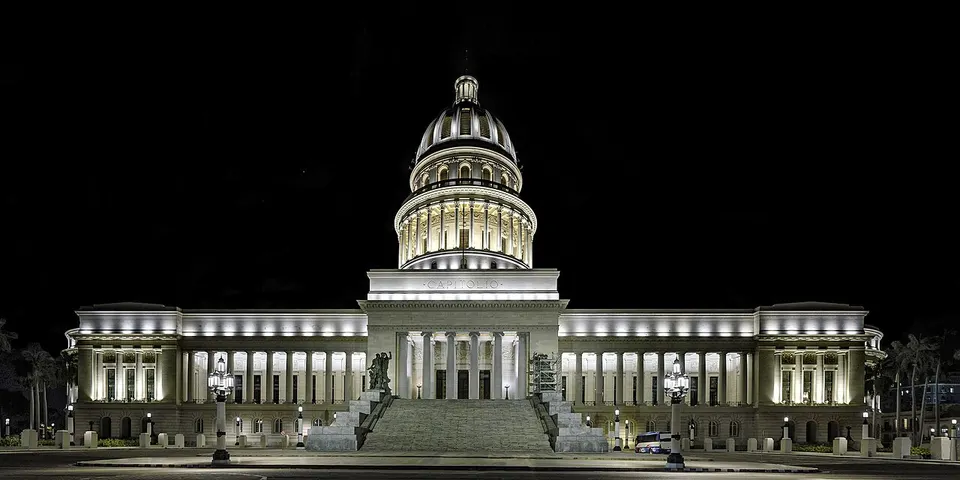
Cuba's grand parliament building from 1929, seen only on a ~45-minute guided tour. A giant bronze statue and gilded halls. The view from Parque Central outside is great too.
An hour in an open-top 1950s American car along the Malecón, through Vedado, to the Plaza de la Revolución with its Che Guevara mural, and the Almendares forest. Agree the price before getting in; fuel shortages may mean fewer cars.
La Cabaña fortress and the 9 pm cannon★ 4.5 (9,000)
Kids≈$6–10 (children under 12 free)10:00–22:00; cannon at 21:00
An 18th-century fortress across the harbour, next to the Morro lighthouse. Every night at 21:00 soldiers in period uniform fire a cannon — a hit with children. Reach it by taxi through the harbour tunnel.
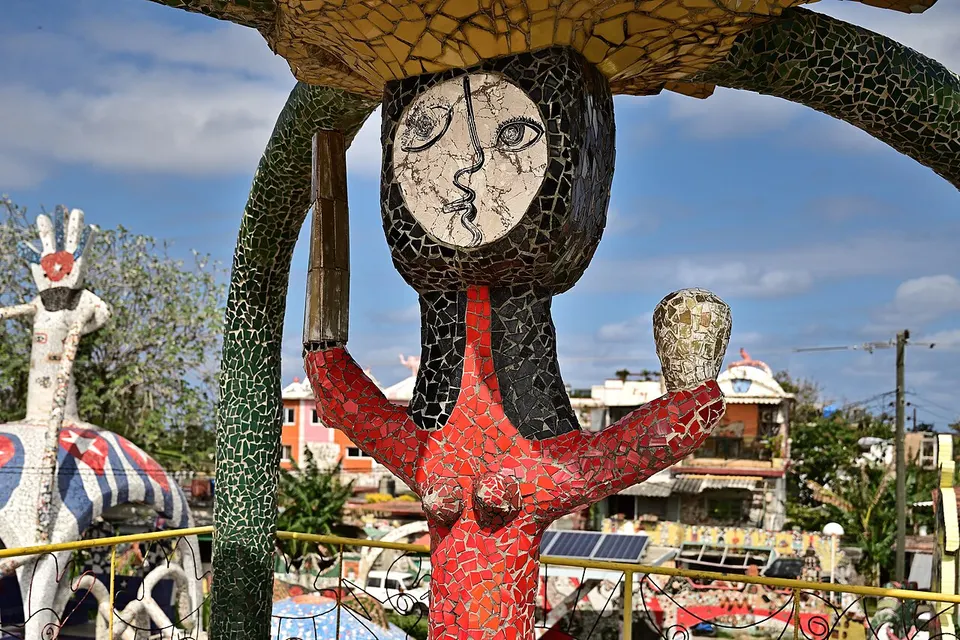
A whole neighbourhood covered in mosaics by artist José Fuster — colourful streets and houses reminiscent of Gaudí's Barcelona. About 30 minutes by taxi from the centre.
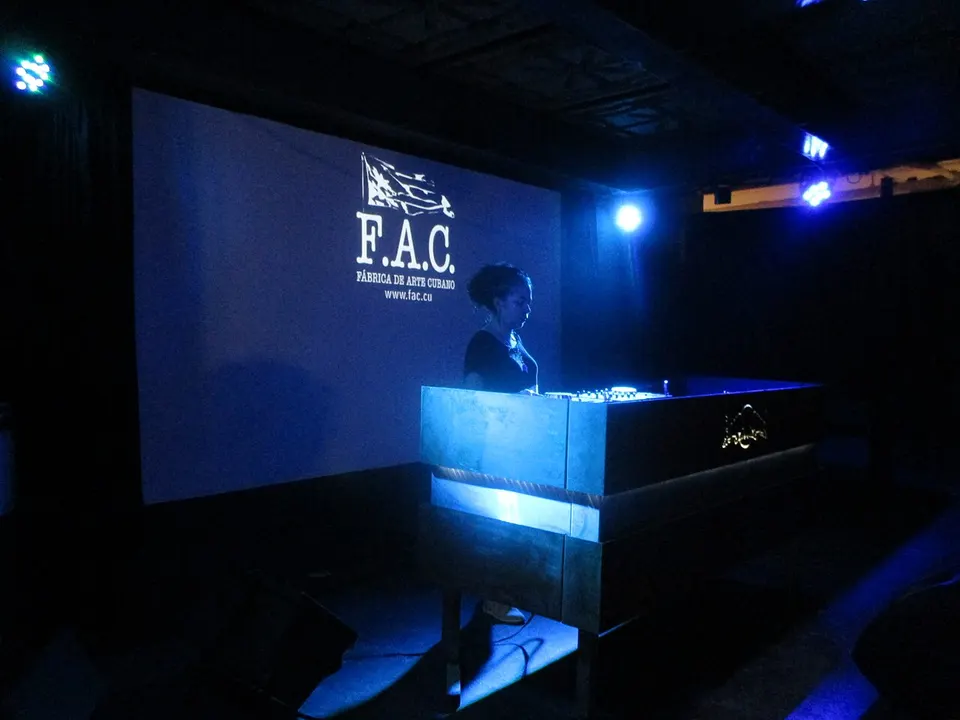
Culture≈200–500 CUPThu–Sun from 20:00 until late (depends on power)
Gallery, concert hall and club in a former cooking-oil factory: contemporary Cuban art, live music and film under one roof. The heart of Vedado nightlife; check the schedule on Facebook.
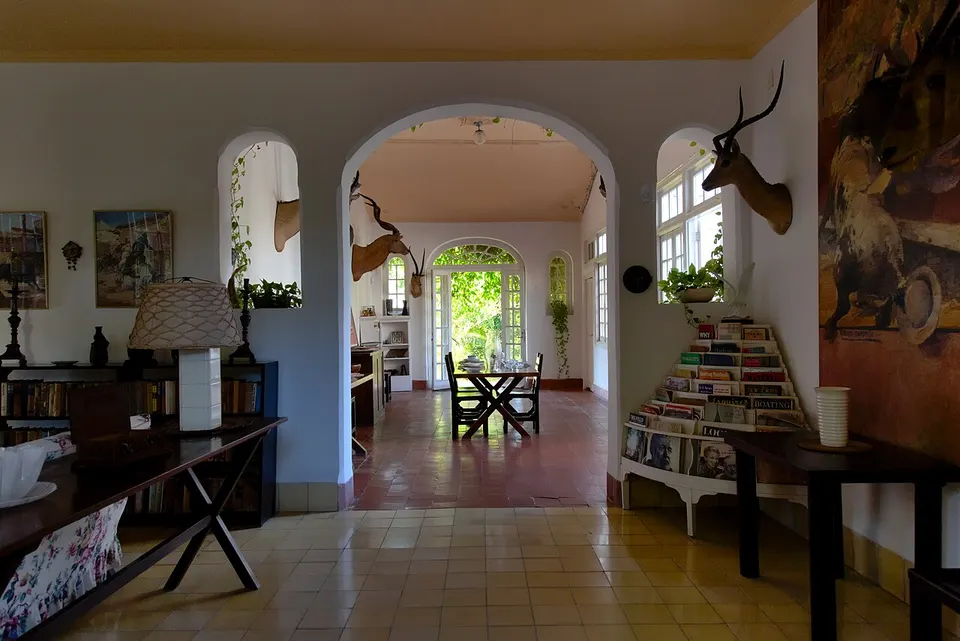
The hilltop house where Ernest Hemingway lived for 20 years: books, hunting trophies, his typewriter and the Pilar boat. You look in through the windows. 15 km from the city, by taxi.
BeachFree (all-inclusive hotels from ≈$80)24 hours
Cuba's most famous resort: 20 km of white sand and clear blue water, 2.5 hours from Havana. Shallow, calm water for families. Some hotels have closed due to fuel shortages, so check ahead.
A UNESCO-listed green valley of rounded limestone 'mogotes' and tobacco farms. Ride a horse to a farm to see how cigars are rolled; boat trip through a cave. 3 hours from Havana; Trinidad (UNESCO) is 4.5–5 hours away, so it needs its own overnight stay.