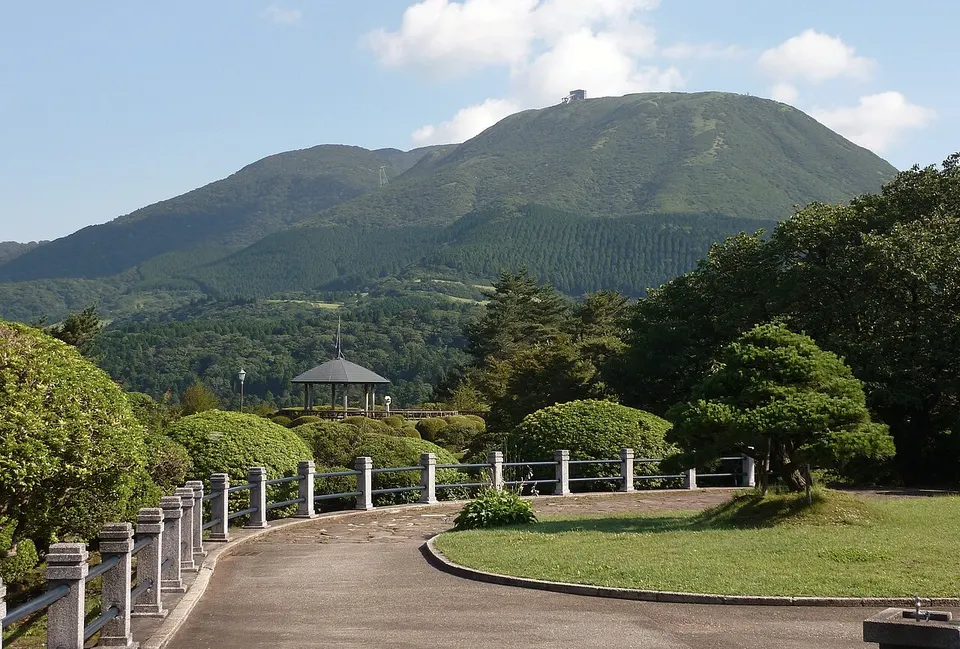
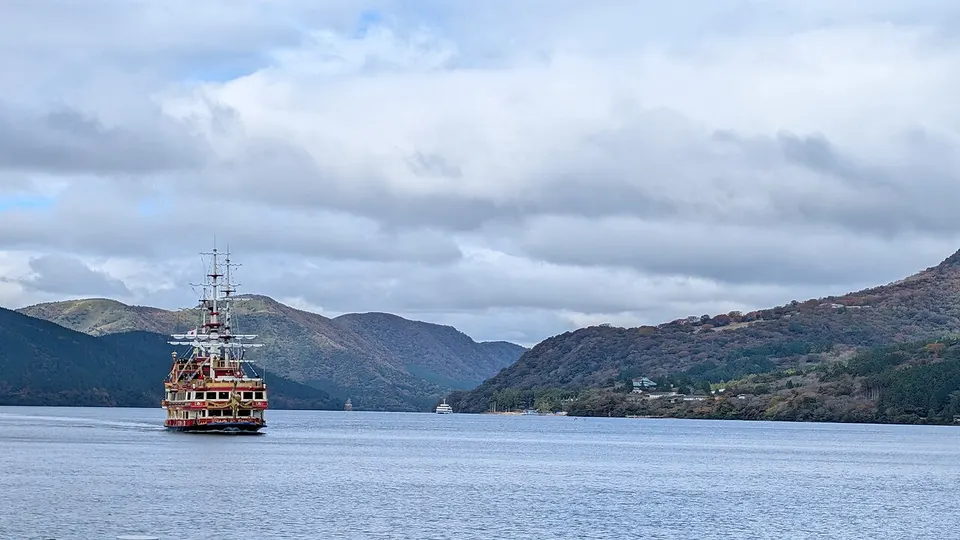
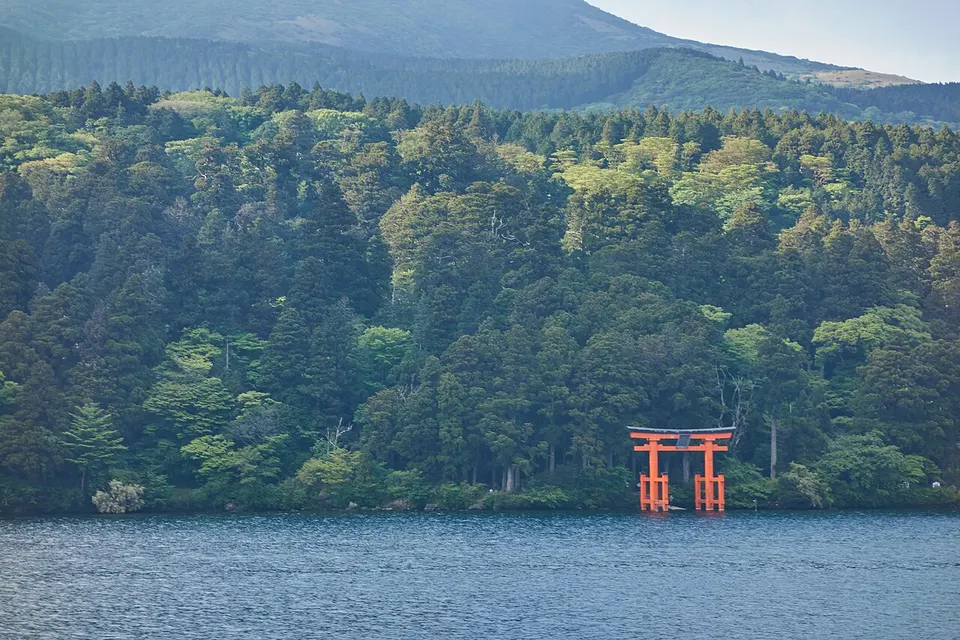
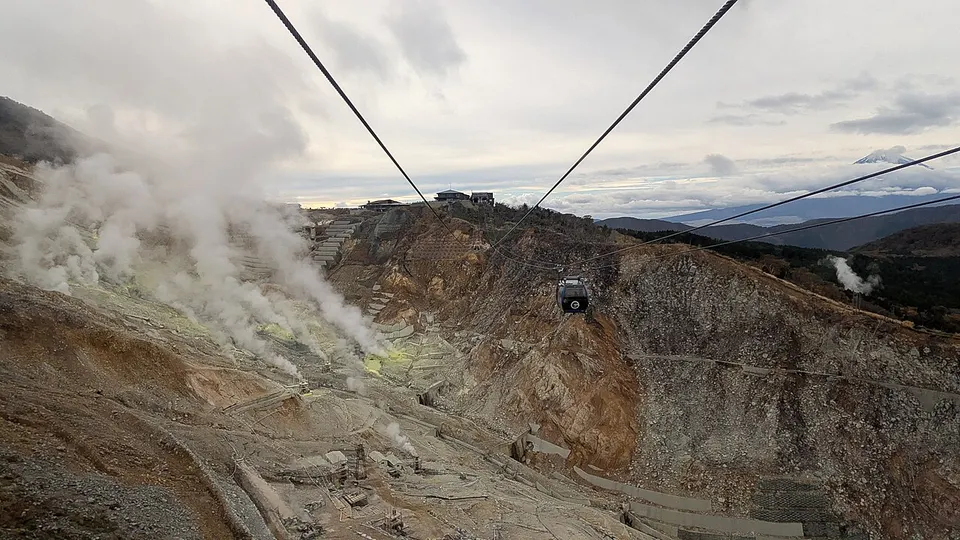
A mountain hot-spring resort 1.5 hours by train from Tokyo: pirate-ship cruises on Lake Ashi, Hakone Shrine's red torii standing in the lake, the steaming volcanic valley of Owakudani and its black eggs, the Open-Air Museum and the Hakone Tozan mountain railway. On clear days Mt Fuji is in view. Staying in a traditional ryokan and bathing in an onsen is the essential Hakone experience. Close to MIAT's direct Ulaanbaatar–Narita flight. Mongolian citizens need an e-visa.
🛂 Visa: e-Visa · 90 days✈ Flight: 5h · direct☀ Best months: April, May, October, November
Orange — daytime average, blue — night, grey bars — rainfall, green — sea temperature. Best months: April, May, October, November.
Things to see (12)
🧸 for kids
Lake Ashi pirate ship cruise★ 4.4 (15,000)
KidsOne way ¥1,700 (Togendai–Moto-Hakone); covered by the Hakone Freepass≈9:30–17:00 (ends earlier in winter); every 30–40 minutes
Cross Lake Ashi, formed in a volcanic caldera 3,000 years ago, in 25–40 minutes on boats built to look like 17th–18th-century pirate ships. On clear days you see Mt Fuji and the red torii in the water. Children's favourite part of the trip; the upper deck is windy, so bring a jacket.
Like a well-travelled friend for a first-timer: before you go, landing, SIM, transport, money, food, safety, manners, apps, leaving — step by step.
🧳Before you goStay at least one night in Hakone — a ryokan with an onsen completes the trip. As a day trip from Tokyo you'll only manage the main loop.+
1
Visa: JAPAN eVISA (VFS Global)
Mongolian citizens need a Japanese visa. Residents of Mongolia apply online for a JAPAN eVISA through VFS Global: a single-entry tourist visa for up to 90 days, fee 357,000₮ (≈¥15,000) since 29 June 2026, five times the old rate (multiple-entry 714,000₮), plus a 55,000₮ VFS service charge, about 5 working days. Transit visas are no longer issued. Your passport must be valid for more than 6 months; attach a return ticket and hotel booking.
Tip: Get the visa first, then confirm flights and the ryokan, and nothing is at risk.
Before flying, enter your passport, flight and hotel on Visit Japan Web and fill in the immigration and customs declarations. On arrival you only scan the QR code. Customs strictly bans meat and meat products (borts, sausages).
Good ryokan fill up fast for cherry blossom, Golden Week, autumn leaves and New Year, so book early; the kaiseki dinner and breakfast are usually included. Leave big suitcases at your Tokyo hotel or send them by 'takkyubin' and travel to Hakone with a small bag — mountain trains and the ropeway are hard with large luggage. Travel insurance is a must.
Tip: Hakone-Yumoto Station has a service that delivers your bags to your inn.
🛬Landing and getting to HakoneHakone has no airport: fly into Tokyo's Narita (NRT) or Haneda (HND) and come by train via Shinjuku or Tokyo Station.+
1
Romancecar: Shinjuku → Hakone-Yumoto
From Narita take the JR Narita Express to Shinjuku, then Odakyu's Romancecar direct to Hakone-Yumoto in ~85 minutes for ¥2,470 (¥2,420 by e-ticket). All seats are reserved; book from a month ahead in the EMot app or at machines. The limited express fee is ¥1,200 for adults and ¥600 for children — with a Freepass, that's all you pay.
With a Japan Rail Pass or if you're staying near Tokyo Station, the Tokaido Shinkansen reaches Odawara in ~30 minutes for ¥3,500 (only Kodama and some Hikari trains stop). At Odawara change to the Hakone Tozan line for Hakone-Yumoto.
Prices rose in October 2025: from Shinjuku ¥7,100 for 2 days (children ¥1,600) and ¥7,500 for 3 days; from Odawara ¥6,000 for 2 days and ¥6,400 for 3 days. It covers a return Shinjuku–Odawara trip on ordinary Odakyu trains plus unlimited Tozan railway, cable car, ropeway, pirate ship and Tozan buses, with discounts at many museums. If you do the loop, it almost always pays off.
📶Phone and internet+
1
Buy an eSIM at home
If your phone supports eSIM, buy and install one from Airalo, Ubigi or Japan Wireless before the flight: a 7-day 1–3 GB plan costs about $4–8, a 30-day 10 GB plan about $16–18. It works the moment you land.
Tip: Signal can drop in the gorges and on the ropeway, so download Hakone in Google Maps for offline use.
Narita's Terminal 1 and 2 arrivals halls have tourist data-SIM counters, vending machines and a 7-Eleven; show your passport. Japanese tourist SIMs are usually data only, no calls. Almost nowhere in Hakone sells SIMs, so buy one at the airport.
🚇Getting around HakoneThe Hakone 'loop': Tozan railway → cable car → ropeway → Lake Ashi boat → bus back. The Freepass covers all of it.+
1
The loop
From Hakone-Yumoto the Tozan railway climbs to Gora in ~35 minutes (¥460, every 15–20 minutes); from Gora the cable car goes up to Sounzan, then the ropeway crosses over Owakudani to Togendai in ~30 minutes. Take the boat from Togendai to Moto-Hakone, see Hakone Shrine, then ride the bus back to Yumoto in ~35 minutes. Start early and it fits in one day.
Tip: Weekend queues for the Tozan railway and ropeway are long — doing the loop in reverse (bus to Moto-Hakone first) is quieter.
Mt Hakone's volcanic alert level is currently 1 (normal), so Owakudani is open. At level 2 the Owakudani area closes and buses replace the ropeway. The ropeway also closes for maintenance each winter and stops in strong winds, so check Hakone Navi on the morning you go.
Transport, museums and large ryokan take cards, but small teahouses, souvenir shops and some onsen are cash only. Withdraw yen with a foreign card at the Seven Bank ATMs inside 7-Eleven stores — there are some around Hakone-Yumoto Station, but few higher up, so get cash down there.
Tourists spending over ¥5,000 in one shop on one day are exempt from the 10% consumption tax. From 1 November 2026 you pay the full price in the shop and claim the refund at the airport before departure. Ryokan and hotels may add a small nightly hot-spring tax.
🍜FoodHakone's finest meal is the ryokan's kaiseki dinner — many small seasonal dishes. By day, street snacks in Yumoto, mountain tofu and soba.+
1
What to eat
Owakudani's black eggs (kuro-tamago) — ¥500 for 4 at Kuro-tamagokan; Yumoto's manju and fish cakes (kamaboko), tofu made with mountain water, soba noodles and fish from Lake Ashi. With children, udon and curry rice are everywhere.
Tip: No tipping in restaurants; many Hakone restaurants close early in the evening, so plan dinner early if you're not eating at a ryokan.
Ryokan serve dinner and breakfast at set times, so choose your slot on arrival and let them know in advance if you'll be late. Note food allergies or not eating meat when booking. Eating dinner in your yukata is perfectly normal.
🛡️Safety and health+
1
Emergency numbers
Police 110, ambulance and fire 119 — free, 24 hours. The JNTO Japan Visitor Hotline 050-3816-2787 (24 hours, English).
Owakudani releases sulphur gases (hydrogen sulphide, sulphur dioxide): if you have asthma, heart or respiratory conditions, are pregnant or have an infant, don't linger. Stay on marked paths and follow staff instructions; leave at once if an alert sounds.
Don't get into hot water right after drinking alcohol or a big meal; drink water and don't stay in too long — dizziness is common. In downpours and typhoons the Tozan railway and ropeway stop and mountain roads can have landslides. Follow official phone alerts. The nearest large hospital is in Odawara; call your insurer's assistance line first.
You bathe naked in an onsen, with separate baths for men and women. Before getting in, sit down and wash your whole body thoroughly with soap. Don't put the small towel in the water — rest it on your head; tie long hair up so it doesn't touch the water. No diving, swimming or photos. Many onsen refuse tattooed bathers — choose a ryokan with a private bath (kashikiri) in your room or ask in advance.
2
At a ryokan
Take off your shoes at the entrance and wear slippers; no slippers on the tatami, socks only. Wrap your yukata left side over right (the reverse is only for the dead). The toilet has its own slippers — remember to swap back when you leave. In the evening staff come to lay out your futon.
3
Shrines, rubbish, noise
At a Shinto shrine, bow twice, clap twice and bow once. There are almost no bins on the street: carry rubbish back to your hotel. No phone calls on trains and buses; queueing and letting passengers off first are strict rules.
📱Useful apps+
1
Route planning
Google Maps shows train and bus times and platforms precisely in Japan. For Romancecar, Shinkansen and Tozan railway timetables and fares, Japan Transit Planner (Jorudan) is more detailed. Book Romancecar seats in Odakyu's EMot app.
The Hakone Navi site shows in English whether the ropeway, boats and buses are running, and the Freepass discounts — check it every morning. Google Translate's camera mode translates menus and onsen rules.
Getting from Hakone to Narita takes several hours with two changes (Romancecar and Narita Express). Spending the last night back in Tokyo is safest; if you go straight, reserve your Romancecar seat in advance and plan to be at the airport 3 hours before an international flight.
Since 1 July 2026 Japan's International Tourist Tax on departure is ¥3,000 — it is included in the ticket price. From 1 November the tax-free refund is collected at the airport before the flight — keep receipts and carry the goods unopened.
AI answer: double-check anything beyond our researched facts with an official source.
Free
24 hours
An ancient Shinto shrine in a cedar forest; the red 'Peace Torii' standing in the lake is Hakone's symbol. The queue for a photo at the torii can exceed an hour — it is shorter early in the morning. A 5–10 minute walk from the Moto-Hakone pier.
NatureRopeway one way ¥2,000, return ¥3,000; black eggs ¥500 for 4; ropeway covered by the FreepassRopeway 9:00–16:45 (Dec–Jan until 16:15)
An active volcanic valley of sulphur steam and yellowed earth. 'Kuro-tamago' eggs boiled black in the hot springs — eating one is said to add seven years to your life. The ropeway ride over the ridge gives clear-day views of Mt Fuji. It closes if the volcanic alert reaches level 2; the sulphur gas is dangerous for people with asthma or heart conditions.
KidsAdults ¥2,000 (¥1,800 online, ¥1,900 with the Freepass); discounts for children9:00–17:00 (last entry 16:30), open every day
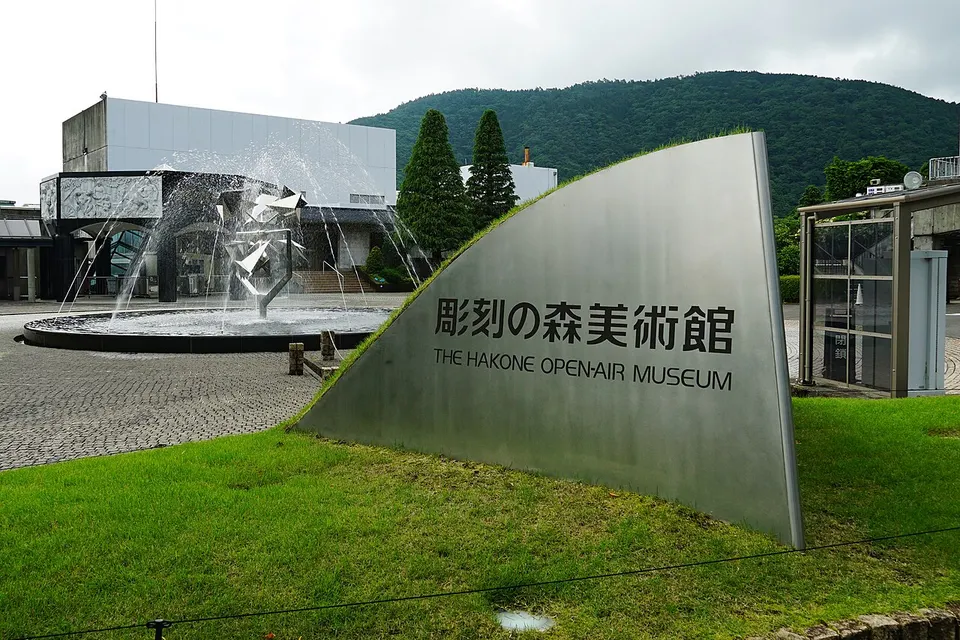
Japan's first open-air museum on a mountain slope: over 100 large sculptures, a Picasso pavilion with more than 300 works, the 'Woods of Net' structure children climb inside, and a hot-spring footbath. Two minutes from Chokoku-no-Mori Station on the Tozan railway.
NatureHakone-Yumoto–Gora ¥460; covered by the FreepassEvery 15–20 minutes, ~35 minutes
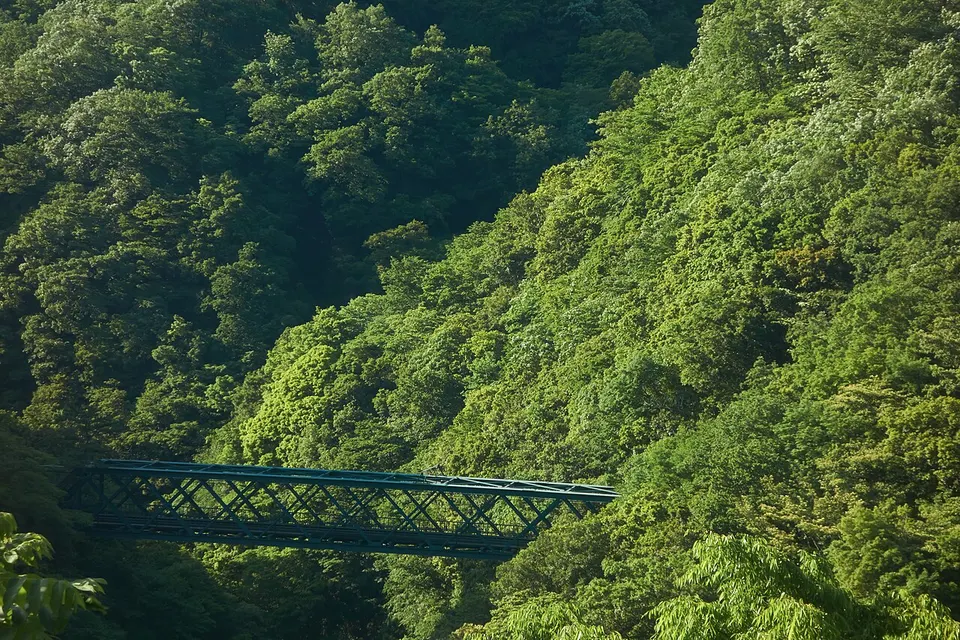
One of Japan's steepest mountain railways: it winds up through gorges and over bridges, reversing direction at three switchbacks. From mid June to mid July thousands of hydrangeas bloom along the line and are lit up in the evening; red leaves in autumn.
Nature¥650; free with the Freepass9:00–17:00 (Dec–Feb until 16:30)
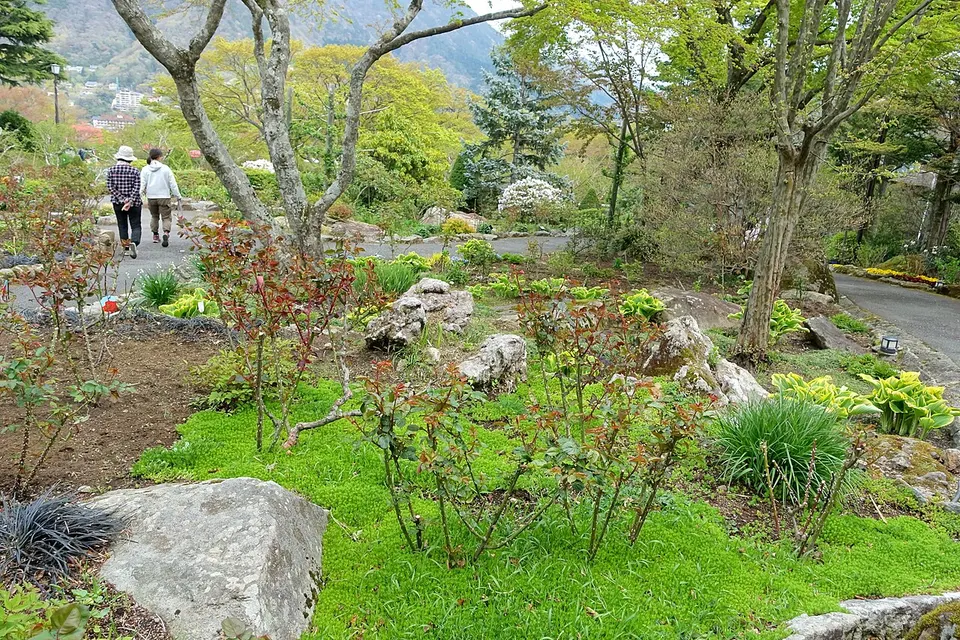
A French-style hillside garden opened in 1914: a fountain, rose and azalea gardens, a tropical greenhouse and glass and pottery craft workshops. It sits at a stop on the Tozan cable car, ideal for a 30–60 minute break on the way.
Culture¥2,200 (¥2,000 with the Freepass)9:00–17:00 (last entry 16:30); closed between exhibitions
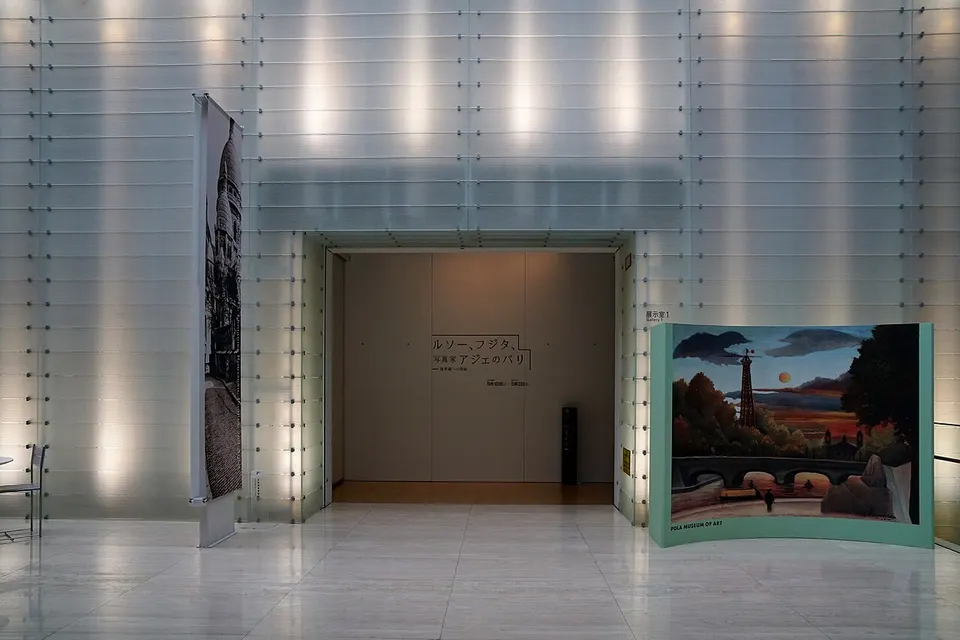
A glass museum hidden in beech forest with an Impressionist and modern collection — Monet, Renoir, Picasso, Foujita. From 17 Jun 2026 to 7 Apr 2027: 'The New Vision: Monet and the Contemporary Gaze'. A forest walking trail runs behind the museum.
RelaxTenzan: adults ¥1,450 (¥1,350 with the Freepass), children ¥700Tenzan 9:00–23:00, no reservation
The hot-spring town at Hakone's gateway: the street in front of the station is lined with manju, fish-cake and souvenir shops. Nearby Tenzan is a day onsen with open-air stone baths by the river. It is reported to admit tattooed bathers on conditions (one per group, covered outside the water) — check before you go.
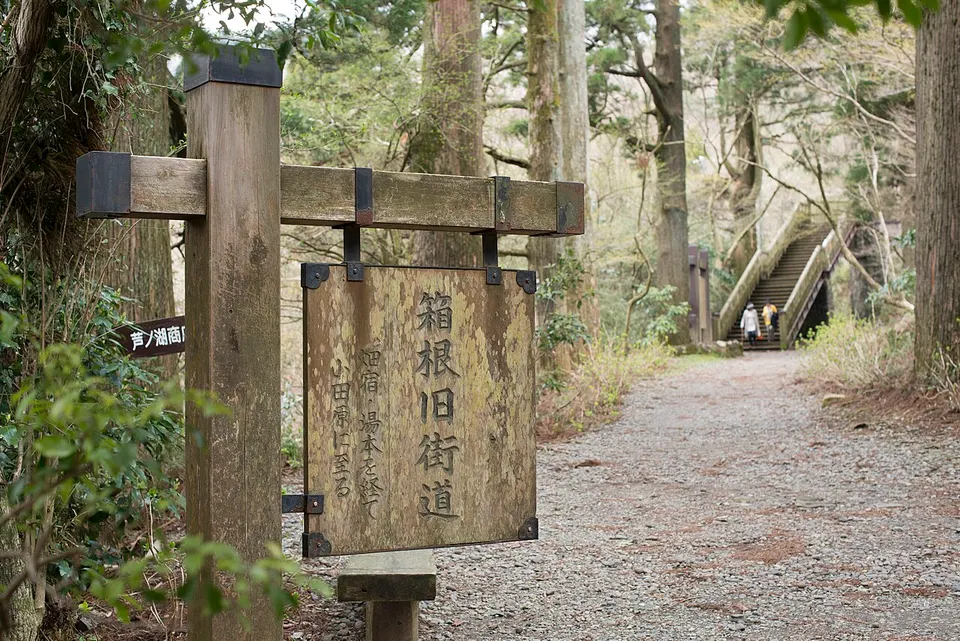
A stretch of the Edo-period Tokyo–Kyoto highway: an avenue of 400-year-old giant cedars along the lakeshore between Moto-Hakone and Hakone-machi, then a stone-paved mountain path. Try sweet rice drink and mochi at Amazake-chaya, a teahouse running since the Edo period. The stones are slippery in the rain.
Culture¥2,800 (¥2,600 with the Freepass); footbath ¥500; garden ¥3009:00–17:00 (last entry 16:30); closed 31 Dec, 1 Jan and between exhibitions
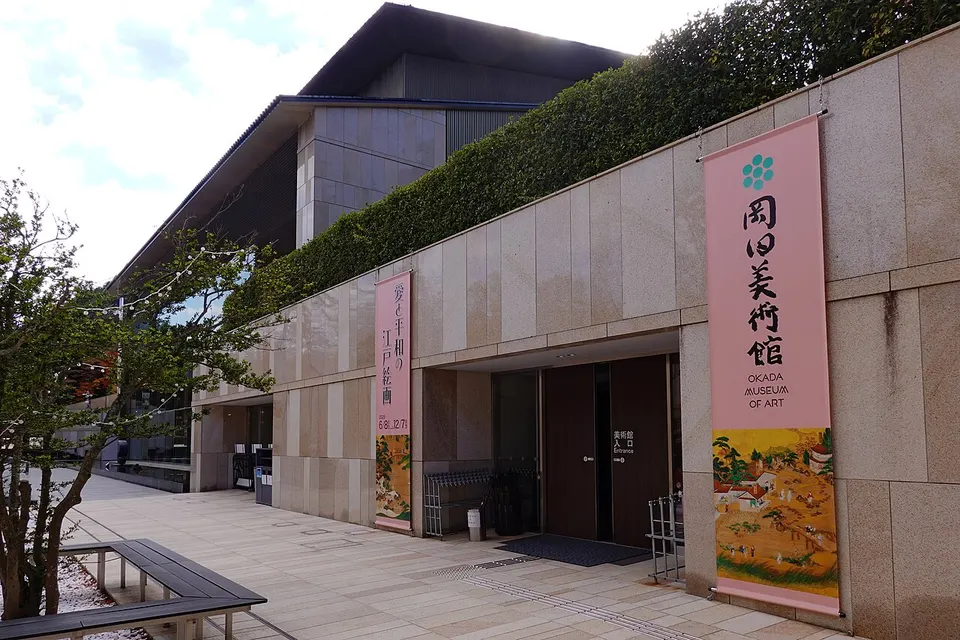
A five-storey museum with a large collection of Japanese, Chinese and Korean ceramics, ukiyo-e and gold screens. Relax in the open-air footbath in front of the 30 m 'Wind and Thunder Gods' mural at the entrance.
Culture¥500 (¥400 with the Freepass)9:00–17:00 (Dec–Feb until 16:30)
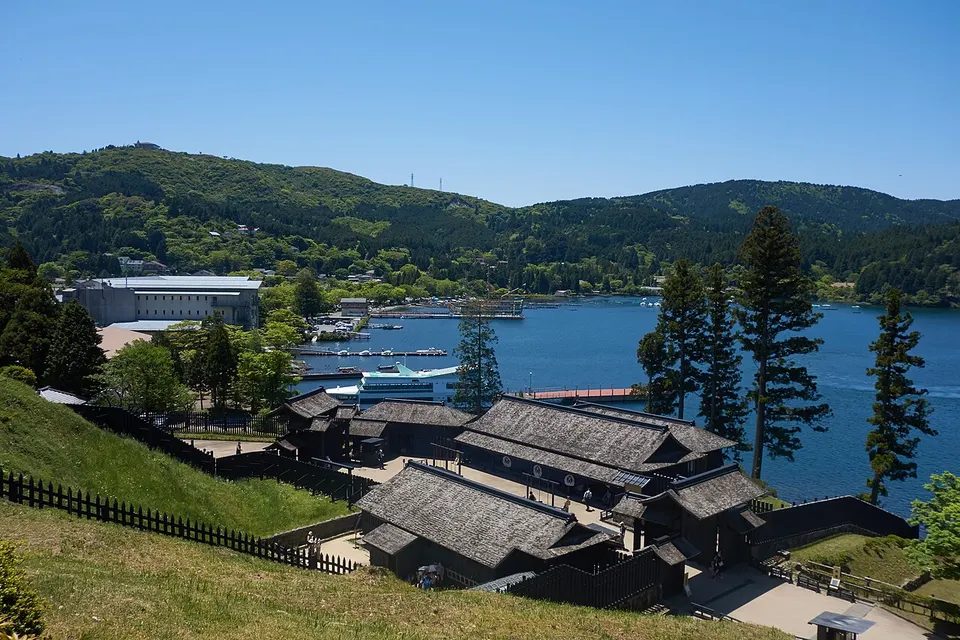
The Edo-period checkpoint that inspected travellers on the Tokaido, rebuilt in its original form in 2007: gates, fences, guards' quarters, a prison and a lookout tower, with a museum next door. A fun look at samurai-era life for children.
NatureReturn ¥2,200, one way ¥1,300 (10% off with the Freepass)9:00–16:50 (last car up 16:30); stops in strong wind
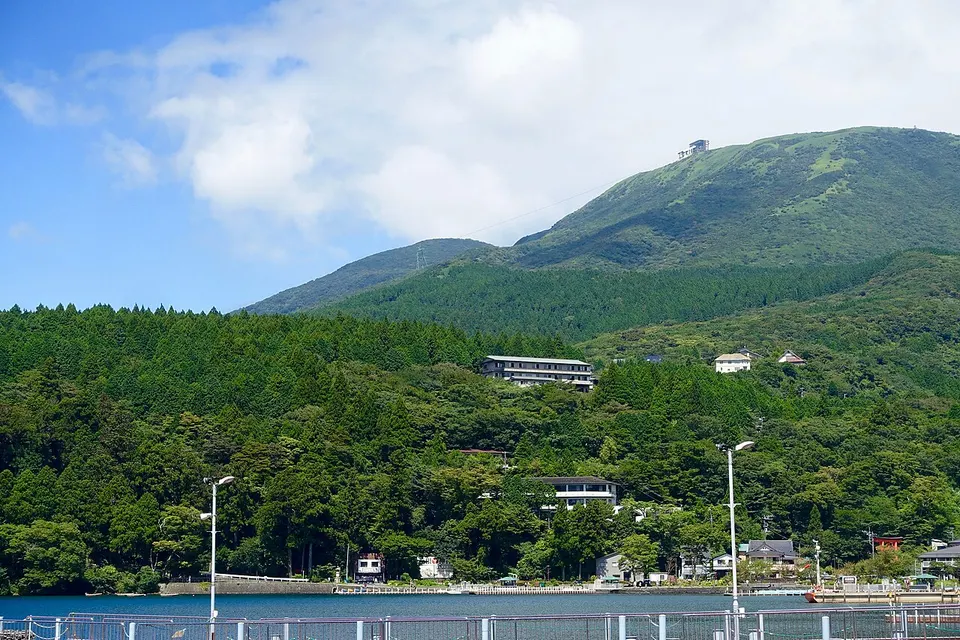
Rises in 7 minutes from Hakone-en on Lake Ashi's eastern shore to the 1,327 m summit of Mt Komagatake. The top looks over the whole of Lake Ashi, Sagami Bay and Mt Fuji, with the small Hakone Moto shrine at the summit. Few crowds, very calm.
Japan only recognises international driving permits issued under the 1949 Geneva Convention; Mongolia is a party to the 1968 Vienna Convention instead, so a Mongolian licence or a Mongolian-issued international permit cannot be used to drive or rent a car in Japan. Use trains, buses and taxis.