Poland's port city on the Baltic: the Long Market lined with colourful houses, Neptune's Fountain, the medieval harbour crane and amber shops on Mariacka Street. Museums at Westerplatte, where the Second World War began, and at the shipyard where the Solidarity movement was born. The three cities (Gdańsk, Sopot, Gdynia) are linked by train, so in summer Sopot's beach and long wooden pier and UNESCO-listed Malbork Castle are easy trips. No direct flights — fly MIAT to Frankfurt, then ~1.5 h on Lufthansa. Mongolian citizens need a Schengen visa.
🛂 Visa: Visa required · 90 days✈ Flight: 15h☀ Best months: May, June, July, August
#seaport#history#Baltic coast#amber#Malbork Castle#Schengen visa
Orange — daytime average, blue — night, grey bars — rainfall, green — sea temperature. Best months: May, June, July, August, September.
Things to see (12)
📍🧸 for kids
Long Market, Neptune's Fountain and Main Town Hall
CitySquare free; Main Town Hall (museum) 26 zł (reduced 19), family 70 złSquare 24 hours; museum 10:00–16:00 (Thu until 18:00), closed Tuesdays
The heart of Gdańsk's 'Royal Route': narrow, colourful merchants' houses, the 17th-century bronze Neptune's Fountain and Artus Court. Inside the Main Town Hall are richly decorated rooms such as the Red Room and the city history museum. Hard to believe it was almost entirely destroyed in the war and rebuilt.
CultureChurch by donation; tower 20 zł (reduced 10)
Travel guide
Like a well-travelled friend for a first-timer: before you go, landing, SIM, transport, money, food, safety, manners, apps, leaving — step by step.
🧳Before you goThe Polish Embassy in Ulaanbaatar takes visa applications itself — e-Konsulat appointments fill up, so start early.+
1
Schengen visa: Polish Embassy, e-Konsulat
Mongolian citizens need a Schengen short-stay (C) visa. If Poland is your main destination, fill in the form in the e-Konsulat system, book an appointment there and go in person to the embassy on the 17th floor of ICC Tower — VFS Global and the Czech consulate do not accept Polish visas. Fee €90 in cash only (under 6 free; pupils and students under 25 exempt). Apply between 6 months and 15 days before travel; decision within 15 days, up to 45 with extra checks.
Tip: Buy the ticket after the visa is issued, or attach a refundable booking.
Medical insurance valid in all Schengen states with cover of at least €30,000 is mandatory. Attach 3 months of bank statements, hotel bookings, an itinerary with flight numbers, an employment letter, an apostilled e-Mongolia statement and a 3.5×4.5 cm photo on a white background.
Since 10 April 2026 the EES system records your fingerprints and face at Schengen borders instead of stamping your passport. The first entry may take longer at passport control. ETIAS is for visa-exempt travellers, so it does not apply to Mongolians with a Schengen visa.
🛬Landing and getting to the cityVia Frankfurt or Warsaw you land at Gdańsk Lech Wałęsa Airport (GDN); you can also come from Warsaw by train.+
1
From GDN by bus or train
Bus 210 leaves from outside arrivals for Gdańsk Główny (the main station) in ~40 minutes, every 30 minutes; at night take the N3. From the station linked to the terminal by a footbridge, PKM trains run to Gdańsk Wrzeszcz — change there to the SKM for the centre or for Sopot and Gdynia. Buy tickets from the platform machines (card or cash) or in the Jakdojade or FALA apps.
Tip: With lots of luggage or a late arrival, use Bolt or the official Neptun Taxi — turn down drivers who approach you.
If you land in Warsaw (WAW) from Beijing or Seoul, PKP Intercity's EIP Pendolino runs from Warszawa Centralna to Gdańsk Główny in ~2.5 hours, about 13 times a day; second class from 188 zł, less with advance promotional fares. Seat reservation is compulsory; book on intercity.pl or KOLEO.
If your phone supports eSIM, buy and install a Europe-wide eSIM from Airalo, Holafly or similar before you leave: no passport registration, it works as soon as you land in Frankfurt and carries on in Poland.
Tip: Download Gdańsk in Google Maps and Polish in Google Translate for offline use.
2
Polish prepaid SIM
Polish law requires Orange, Play, Plus and T-Mobile 'starter' SIMs to be registered to a named person — show your passport in the operator's own shop and they register and activate it on the spot. Registering a kiosk SIM yourself can be hard with a foreign passport.
🚇Getting aroundThe Old Town is compact enough to walk. SKM trains link the three cities; trams and buses run within each.+
1
Gdańsk trams and buses
ZTM Gdańsk tickets: single ride 4.80 zł, 75 minutes 6 zł, 24 hours 22 zł (reduced fares are half). Buy them from machines at stops and on board or in the Jakdojade app; validate paper tickets as soon as you board. Inspections are frequent.
SKM electric trains link Gdańsk Główny, Wrzeszcz, Oliwa, Sopot and Gdynia. If you'll hop between the three cities, a 24-hour metropolitan ticket valid on all trains and city transport costs 34 zł, 72 hours 68 zł — buy in the FALA or Jakdojade app.
Trains to Malbork Castle leave Gdańsk Główny many times a day. For the Hel Peninsula take the train from Gdynia or, in summer, a boat from Gdańsk or Gdynia. Buy tickets in KOLEO and set off early on summer weekends.
💳Money and taxes+
1
Złoty and cards
Poland's currency is the złoty (PLN, zł) — not the euro. Card and phone payments work almost everywhere. Withdraw cash from bank ATMs (PKO BP, Pekao); tourist ATMs such as Euronet around the Long Market and exchange booths give poor rates.
Tip: If a card terminal or ATM offers to charge you in dollars or tögrög, say no — choose złoty (avoid DCC).
2
VAT refund (Tax Free)
Non-EU visitors who spend over 200 zł in one shop showing the Tax Free sign can reclaim the 23% VAT (minus a commission) — worthwhile for amber jewellery. Have the form validated by customs at the airport where you leave the EU.
🍜FoodPolish food feels familiar to Mongolians, and on the coast there is Baltic fish too.+
1
What to eat
Pierogi — boiled dumplings much like buuz (meat, potato-and-cheese, cabbage); żurek — sour rye soup; Baltic pickled herring (śledź), smoked fish, and fried fish and chips by the sea. Goldwasser — Gdańsk's traditional liqueur with gold flakes (adults only). Pierogi, noodles and pancakes are easy with children.
Tip: Leaving a small tip is customary in restaurants; a 'bar mleczny' (milk bar) is the cheapest place to eat.
2
Markets and groceries
Buy cheap groceries at Biedronka, Lidl and Żabka. Hala Targowa market in the Old Town has fruit, cheese, sausage and fish. Most big shops close on Sundays — Żabka and station shops stay open.
From late July to mid-August St Dominic's Fair fills the Old Town — one of Europe's biggest street trade festivals, with crafts, amber, food and concerts. In winter the Christmas market sets up on Targ Węglowy. It gets crowded, so mind your pockets.
Pickpockets work the Long Market, Długa Street, Główny station, crowded SKM trains and, in summer, Monte Cassino Street in Sopot. At night avoid people on the street inviting you into 'clubs'. The Baltic can have strong waves and currents — swim only on lifeguarded beaches under the white-and-red flag; a red flag means no swimming.
3
Hospitals and the Mongolian Embassy
Emergency departments (SOR) are at the University Clinical Centre (UCK) and Copernicus Hospital; Medicover and Lux Med are private clinics with English-speaking staff. A pharmacy is an 'Apteka'. If you lose your passport, report it to the police and contact the Embassy of Mongolia in Warsaw.
At Westerplatte, the WWII Museum and the shipyard monument, be quiet and respectful: no smiling selfies, climbing or smoking. Displaying Nazi symbols is a crime in Poland.
2
Churches and religion
Poles are Catholic: don't walk around St Mary's or Oliwa Cathedral during Mass, take off your hat and cover shoulders and knees. Sit quietly during organ recitals.
3
Everyday contact
Say 'Dzień dobry' (good day) entering a shop and 'Dziękuję' for thank you. Drinking alcohol in public places, including beaches, is illegal and fined. Don't cross on a red light or walk in bike lanes.
📱Useful apps+
1
Transport
Jakdojade — routes and tickets for trams, buses and SKM in all three cities. FALA — metropolitan tickets. KOLEO — trains to Warsaw, Malbork and Hel. Bolt — taxis.
Buy WWII Museum and Malbork Castle tickets in advance on the official sites — entry is time-capped in summer. Google Translate's camera mode translates Polish menus and signs on the spot.
Bus 210 runs from Główny station to the airport in ~40 minutes; or take the SKM to Wrzeszcz and the PKM train from there. Flying back via Frankfurt, your EES Schengen exit check happens in Frankfurt — allow at least 2.5 hours between the Lufthansa and MIAT flights. Via Warsaw, the exit check is in Warsaw.
Leave the Schengen area no later than the date on your visa — EES records your exit day automatically, and an overstay will hurt your next application. Carry Tax Free goods (such as amber) unopened and show them to customs before check-in at the airport where you leave the EU.
AI answer: double-check anything beyond our researched facts with an official source.
Church Mon–Sat 8:30–17:30; tower daily 10:00–18:00 (until 20:00 July–September)
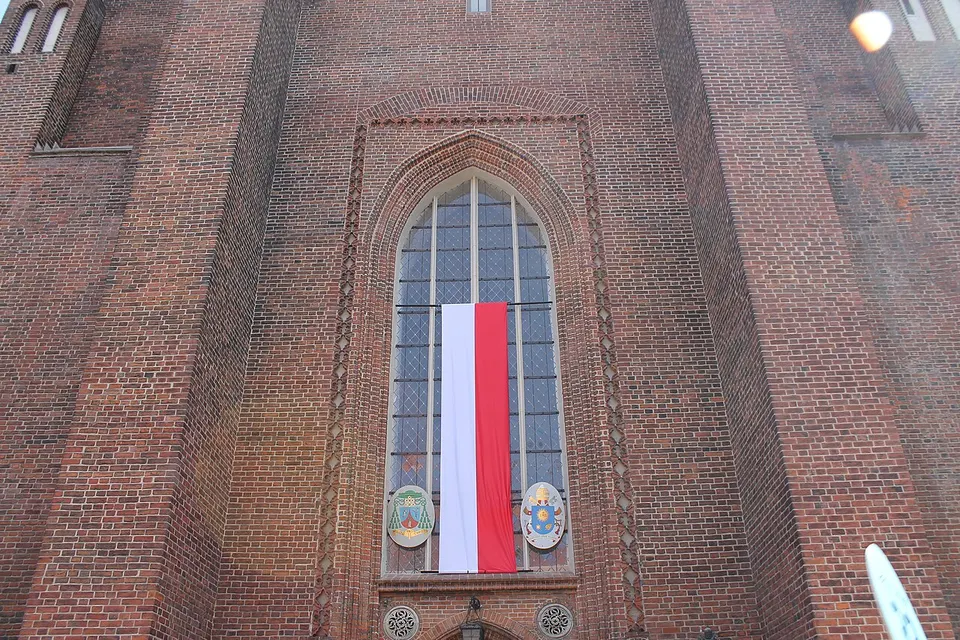
One of the largest brick churches in the world. Inside is a 15th-century astronomical clock whose figures move daily at 11:57. Climb 400-plus steps up the tower for a view over the Old Town, the Motława and the shipyard. No sightseeing during Mass.
Gdańsk's prettiest street, with stone-stepped front terraces and dragon-headed gargoyles. Small shops and workshops selling Baltic amber jewellery line it — buy certified pieces from proper shops.
A wooden harbour crane built in 1444 with huge treadwheels turned by people walking inside — the symbol of Gdańsk. It houses a National Maritime Museum exhibition. Cafés and restaurants line the Motława riverside, with short boat trips on the river.
Culture33 zł (reduced 23); family 72 zł; under 7 free; free on TuesdaysTue 10:00–16:00, Wed–Sun 10:00–18:00; closed Mondays
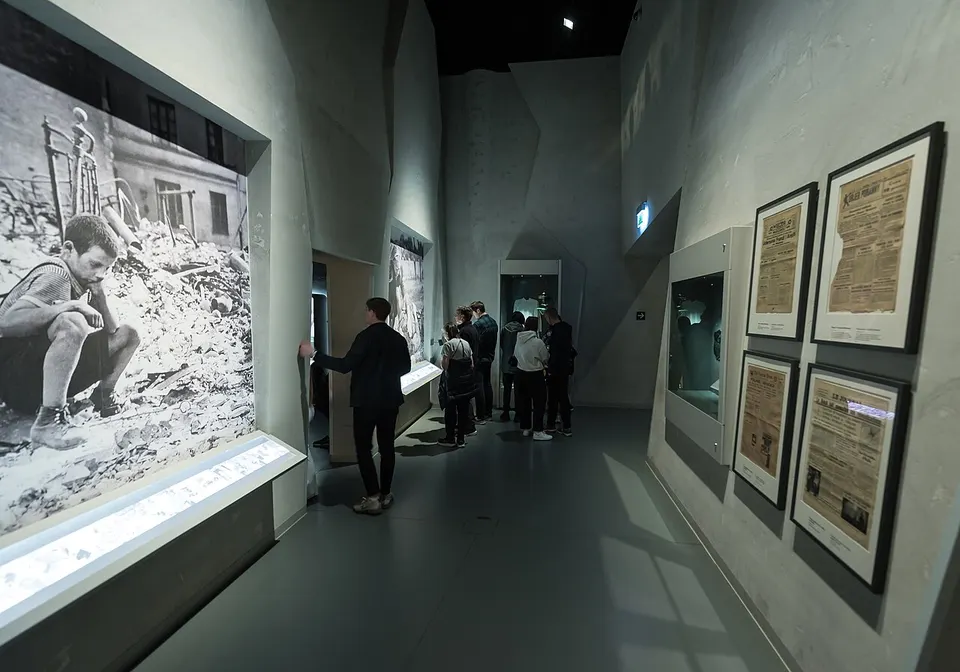
One of Europe's largest war museums, 14 m underground: a reconstructed Warsaw street, tanks and the stories of ordinary people. The subject is heavy, so there is a separate children's exhibition for younger kids. Allow at least 3 hours.
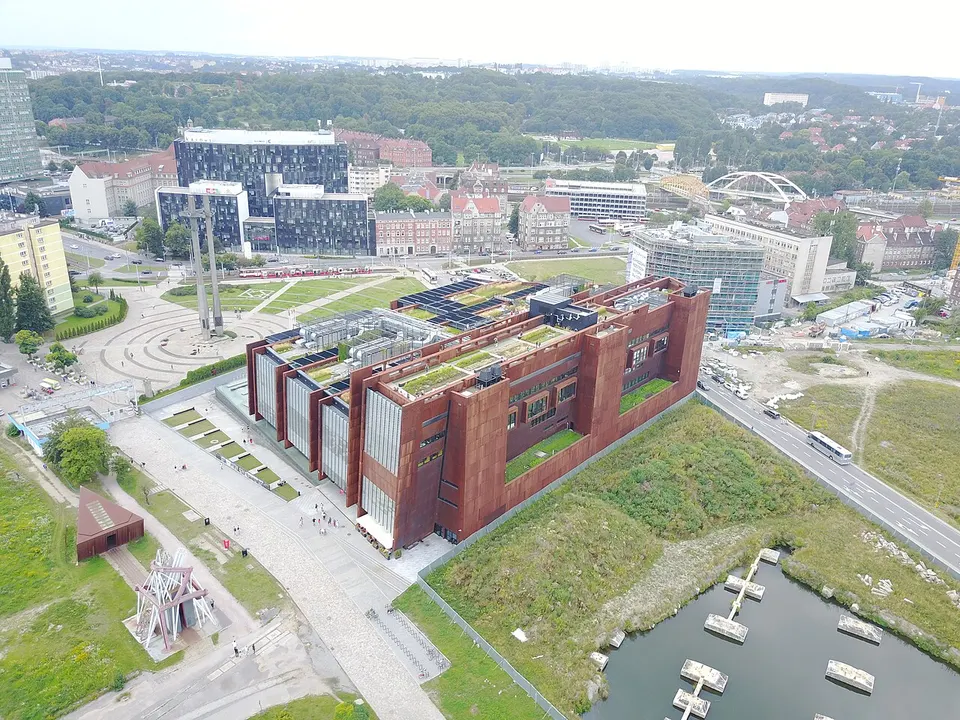
An interactive museum of the Solidarity movement, which began cracking communism, beside the shipyard where Lech Wałęsa led the 1980 strike. The rooftop viewing deck and the green winter garden are free.
CultureOutdoor site and monument free; exhibition in the Power Station (Elektrownia) chargedExhibition Tue–Sun 10:00–16:00; visitor centre daily 9:00–16:00
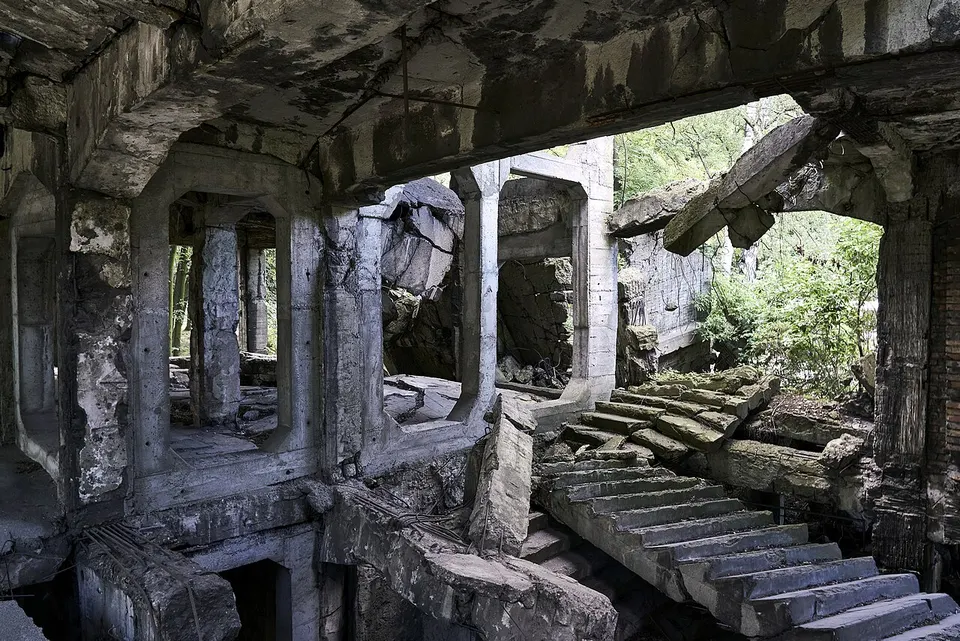
The peninsula where the first shots of the Second World War were fired on 1 September 1939: bunkers where Polish soldiers held out for 7 days and a huge monument. Reach it by bus from the city or, in summer, by boat along the Motława (some styled as old sailing ships).
CultureHistorical route 80 zł (reduced 60), under 7 free; audio guide included25 Apr–30 Sep Tue–Sun 9:00–20:00; shorter hours in winter, Mondays grounds only
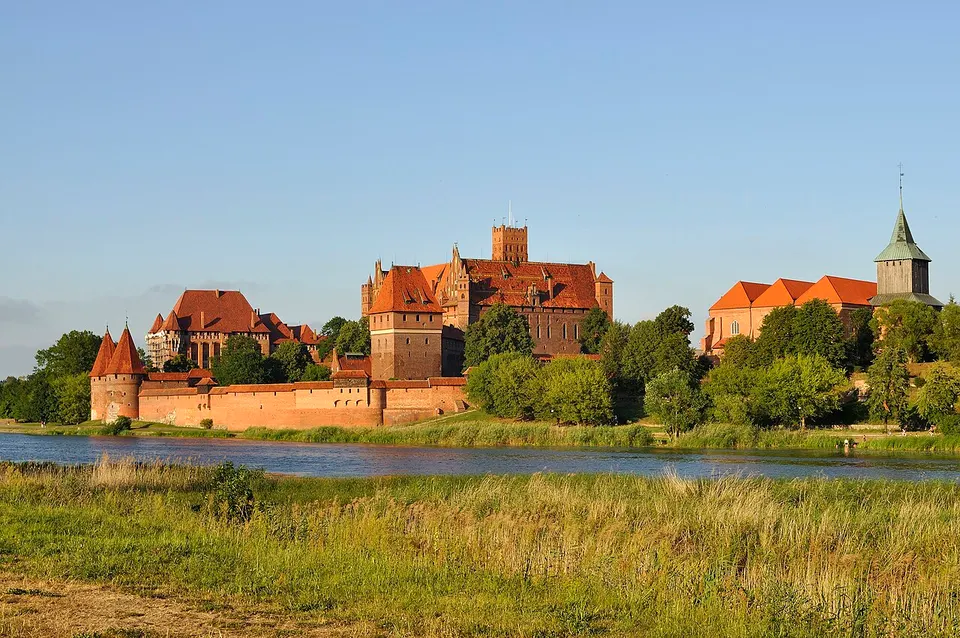
The world's largest brick castle, built by the Teutonic Knights — a UNESCO World Heritage Site. About 40 min from Gdańsk by train, so a good half-day trip. Entry per hour is capped, so buy tickets online in advance.
Europe's longest wooden pier (~500 m) reaches into the Baltic. White sandy beach, the Monte Cassino pedestrian street and the warped 'Crooked House' (Krzywy Domek). A resort town for summer swimming with kids and evening strolls; a short SKM train ride from Gdańsk.
KidsMuseum 28 zł (reduced 20), family 74 zł; free on WednesdaysMuseum Tue 12:00–20:00, Wed–Sun 10:00–18:00; closed Mondays
The youngest, most modernist of the three cities: the sailing ship Dar Pomorza and the destroyer Błyskawica are moored as museums by Kościuszko Square. The Emigration Museum in the old marine terminal tells, interactively, how millions of Poles crossed the ocean to America.
RelaxCathedral and park free; organ recitals charged20-minute organ recitals daily (several between 10:00 and 15:00 in June–August, fewer in other months)
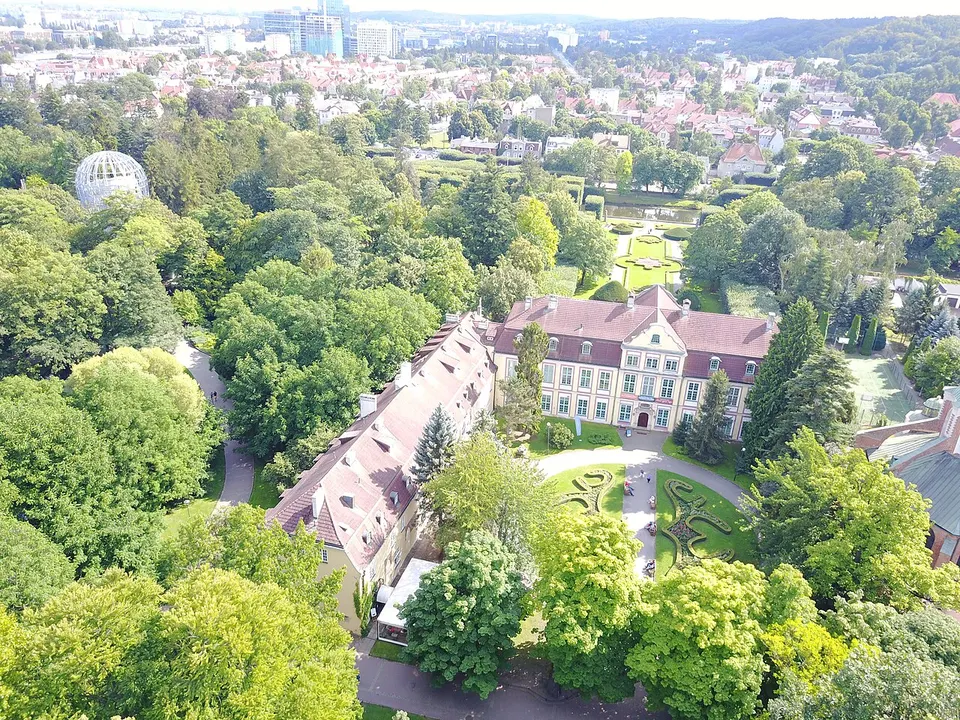
A legendary 18th-century organ — during recitals wooden angels move and bells ring. Next to the cathedral is Oliwa Park, with French-style ponds and tunnel-like hedge alleys. Between Gdańsk and Sopot, reached by SKM.
NatureBeaches free; Fokarium 25 zł (reduced 20)Fokarium July–August 10:00–18:00, May, June and September until 17:00, winter until 16:00
A narrow 35 km sand spit reaching into the Baltic: open sea on one side, a calm bay on the other — windsurfing and seaside villages. At its tip, the town of Hel has the Fokarium seal sanctuary, whose seal feedings delight children. In summer go by boat from Gdańsk or Gdynia, year-round by train.