Kyushu's biggest city and Japan's 'food capital': Hakata ramen, yatai street stalls and motsunabe. The airport is 5 minutes from the centre by subway and everything is close together, which makes it easy with children — the Anpanman Museum, Marine World aquarium, the flower island of Nokonoshima, Momochi beach. Day trips to Dazaifu Tenmangu shrine and the Yanagawa canals. No regular direct flight from Ulaanbaatar — connect via Seoul (Incheon) or Busan; you can also arrive from Busan on the Camellia ferry. Mongolian citizens need an e-visa; Mongolian driving licences and international permits are not valid in Japan, so don't plan to rent a car — use the subway, trains and buses.
🛂 Visa: e-Visa · 90 days✈ Flight: 7h☀ Best months: March, April, May, October
Orange — daytime average, blue — night, grey bars — rainfall, green — sea temperature. Best months: March, April, May, October, November.
Things to see (12)
🧸 for kids
Canal City Hakata★ 4.2 (30,000)
ShoppingFreeShops 10:00–21:00, restaurants until 23:00
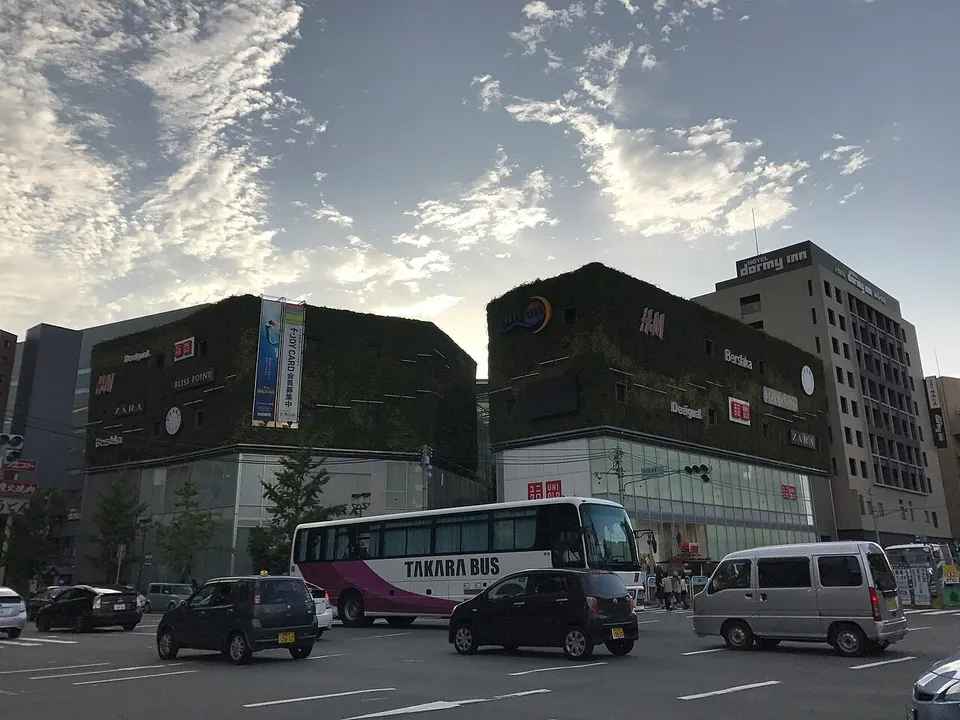
A colourful shopping complex with a canal running through it: 250+ shops, a cinema, 'Ramen Stadium' (ramen from all over Japan), and a musical fountain show on the canal every 30 minutes. A good rainy-day pick with children.
NatureFree (Japanese Garden ¥250, children ¥120)Park 24 hours; Japanese Garden 9:00–17:00 (closed Mondays)
Travel guide
Like a well-travelled friend for a first-timer: before you go, landing, SIM, transport, money, food, safety, manners, apps, leaving — step by step.
🧳Before you goVisa, the border QR code and insurance — you can't rent a car in Japan, but in Fukuoka the subway and trains are enough.+
1
Visa: JAPAN eVISA (VFS Global)
Mongolian citizens need a Japanese visa. Residents of Mongolia apply online for a JAPAN eVISA through VFS Global: a tourist visa for up to 90 days, about 5 working days. Fees rose fivefold on 29 June 2026: a single-entry visa is now 357,000₮ (multiple-entry 714,000₮), plus a 55,000₮ VFS service charge. Transit visas are no longer issued. Flying from Incheon or Busan you clear immigration at Fukuoka Airport. Attach a valid passport, return ticket and hotel booking.
Japan only recognises international driving permits issued under the 1949 Geneva Convention; Mongolia is a party to the 1968 Vienna Convention instead, so a Mongolian licence or a Mongolian-issued international permit cannot be used to drive or rent a car in Japan. Go to Itoshima and Yanagawa by train, bus or day tour.
Tip: If you live in a Geneva Convention country such as Korea and hold that country's international permit, you can drive.
Before flying, enter your passport, flight and hotel on Visit Japan Web, fill in the immigration and customs declarations and save the QR code. Hospitals in Japan are very expensive, so travel insurance is a must.
🛬Landing and getting to the cityFukuoka Airport is inside the city. International flights use the international terminal, while the subway is at the domestic terminal.+
1
Direct bus from the international terminal
The Nishitetsu bus runs from the international terminal to the Chikushi exit of Hakata Station in about 25 minutes for ¥310. It has a luggage hold, so it's the easiest with suitcases.
A free shuttle bus takes about 15 minutes from the international to the domestic terminal; from there the Kuko subway line reaches Hakata in 5 minutes for ¥260 and Tenjin in about 11 minutes, with no changes.
If your phone supports eSIM, buy and install one from Airalo, Ubigi or Japan Wireless before the flight: a 7-day 1–3 GB plan costs about $4–8, a 30-day 10 GB plan about $16–18. It works the moment you land.
Tip: Connecting via Korea, you can buy a regional eSIM that works in both Japan and Korea.
International terminal arrivals has counters for tourist data SIMs and pocket Wi-Fi rental. The free 'Fukuoka City Wi-Fi' network works in the subway and at main sights.
🚇Getting aroundThree subway lines link the main sights; Nishitetsu trains go to Dazaifu and Yanagawa, and JR to Itoshima.+
1
Subway 1-day pass
The subway 1-day pass costs ¥640 (children ¥320) — a single Hakata–Tenjin ride is ¥210, so three rides a day make it worthwhile. The airport, Hakata, Nakasu-Kawabata (Anpanman Museum), Tenjin, Ohori and Meinohama (Nokonoshima ferry) are all on the subway.
IC cards such as Suica, Hayakaken and nimoca work on the subway, buses, JR and Nishitetsu, and in shops. Add Suica to Apple Wallet on an iPhone and you don't need a physical card. Take a Nishitetsu bus to Fukuoka Tower and Momochi.
Trains run from Nishitetsu Tenjin station to Dazaifu and Yanagawa; buy the discounted 'Dazaifu & Yanagawa' ticket at Tenjin station to see both in one day. The Yanagawa canal boat ride takes about 70 minutes.
Seven Bank ATMs inside 7-Eleven stores are the most reliable for foreign cards, with English menus. Cards work in most shops and hotels; yatai stalls and small ramen shops are mostly cash only.
Tourists spending over ¥5,000 in one shop on one day are exempt from the 10% consumption tax. From 1 November 2026 the rules change: you pay the full price in the shop and claim the refund at the airport before departure.
Fukuoka City and Prefecture charge a per-night accommodation tax; it is often not included in the booking price, so the hotel may collect it separately in cash. Some children and school trips are exempt.
🍜FoodFukuoka is one of Japan's cheapest and tastiest food cities.+
1
What to eat
Hakata tonkotsu ramen — thin noodles in a white pork-bone broth; say 'kaedama' for an extra serving of noodles. Motsunabe — offal hotpot; mentaiko — spicy pollock roe; gyoza and yakitori; umegae mochi at Dazaifu.
Tip: No tipping in restaurants.
2
Yatai stalls
Street stalls open in the evening along the Naka River and in Tenjin. Seats are few, so eat and move on; most take cash only and some have English menus. They close on rainy or windy nights.
Canal City's Ramen Stadium, the restaurant floors at Hakata Station and department-store basement food halls (depachika) are easy with children. Onigiri and bento from FamilyMart, Lawson and 7-Eleven are cheap and fresh.
🛡️Safety and health+
1
Emergency numbers
Police 110, ambulance and fire 119, Coast Guard 118 for accidents at sea — free, 24 hours. The JNTO Japan Visitor Hotline 050-3816-2787 (24 hours, English).
The city is very safe, but in Nakasu's nightlife district don't follow touts who pull you into bars — the bill ends up very high. In summer drink water and rest in the shade to avoid heatstroke; typhoons stop flights and ferries, so install the Safety tips app.
JNTO lists hospitals that accept foreign patients and offer interpreting. Call your insurer's assistance line first and they will direct you to a hospital that bills them directly.
Bow slightly as you pass through the torii gate and rinse your hands and mouth at the water basin. To pray: bow twice, clap twice, bow once. Dazaifu gets crowded, so wait your turn.
At a yatai you share the counter — chatting with your neighbours is normal. Slurping ramen is fine. Don't stand chopsticks upright in rice or pass food from chopsticks to chopsticks.
3
Rubbish, noise, queues
Street bins are rare: carry rubbish back to your hotel. No phone calls on the subway or buses; in Fukuoka people stand on the left of escalators. Queue, and let passengers off first.
📱Useful apps+
1
Route planning
Google Maps shows subway, JR, Nishitetsu and bus times. The official subway website gives lines and fares in English.
Visit Japan Web — the immigration and customs QR code. Safety tips — typhoon and earthquake alerts. Crossroad Fukuoka — official information on the prefecture's festivals, sights and day trips.
From Hakata take the Nishitetsu bus to the international terminal (about 25 minutes), or the subway to the domestic terminal and the free shuttle. Be at the airport 2–3 hours before an international flight; in typhoon season check your flight that morning.
Since 1 July 2026 Japan's International Tourist Tax on departure is ¥3,000, included in the ticket price. From 1 November the tax-free refund is collected at the airport before the flight — keep receipts and carry the goods unopened.
AI answer: double-check anything beyond our researched facts with an official source.
A 2 km walking loop around a big lake in the city centre, with swan boats, a playground and a Starbucks. Next door, the stone walls and keep base of Fukuoka Castle give a view over the city; 1,000 cherry trees bloom in late March.
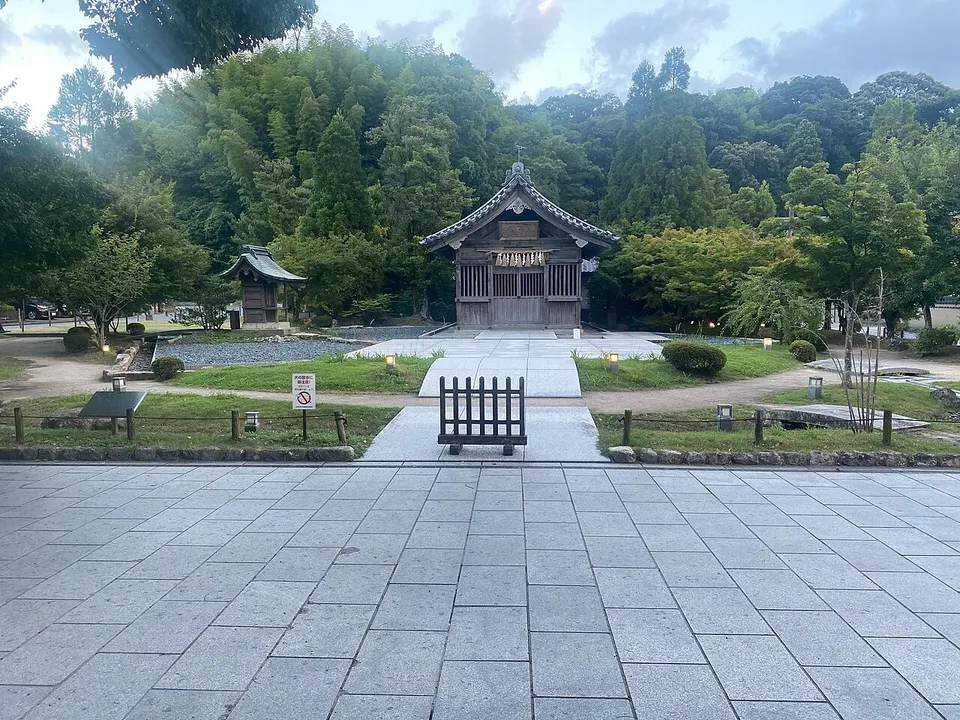
Kyushu's most famous Shinto shrine, dedicated to Sugawara Michizane, god of learning; 6,000 plum trees (February), a red bridge and ponds. Eat hot umegae mochi on the approach street; the Kyushu National Museum is next door. About 40 minutes from Tenjin on the Nishitetsu line.
FoodDishes from ¥500–1,000≈18:00–24:00 (closed in rain and on some days)
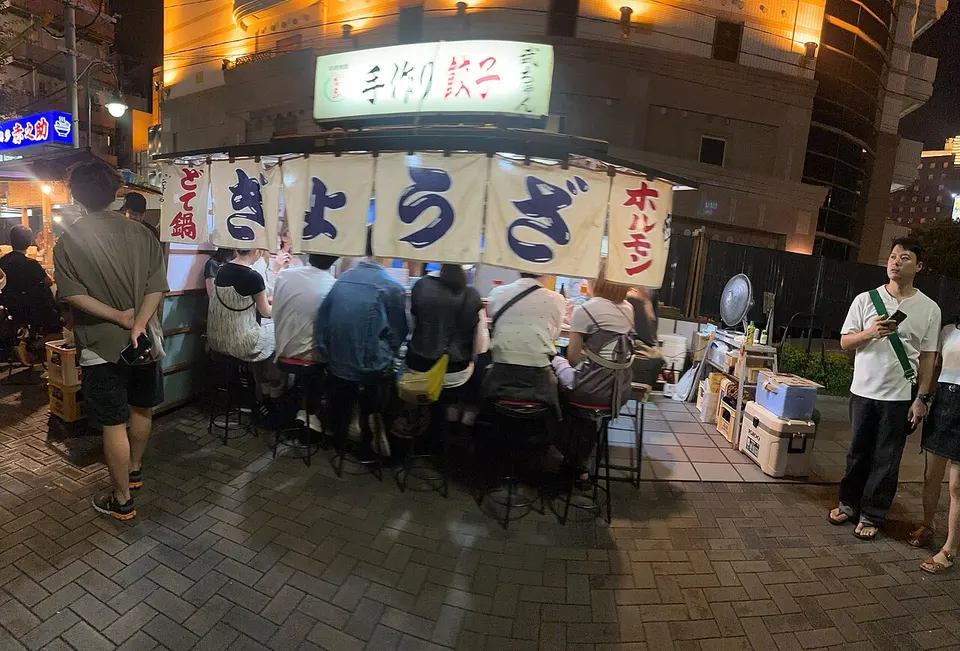
Mobile street food stalls along the Naka River — Fukuoka's signature. Squeeze into an 8–10 seat stall for Hakata ramen, oden and yakitori. There are stalls in Tenjin and Nagahama too. Don't linger too long, so others can get a seat.
BeachTower ¥1,000 (primary/junior high ¥600, age 4+ ¥200; discount with a foreign passport)Tower 9:30–22:00 (last entry 21:30)
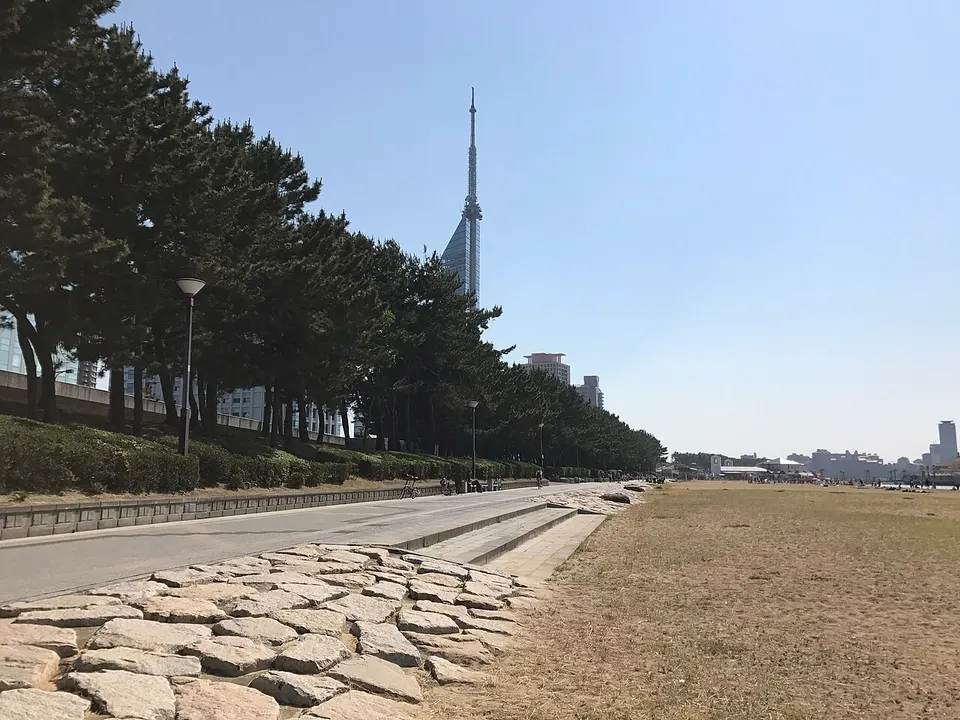
The 123 m deck of this 234 m mirrored tower looks over the city and the sea; it is beautifully lit at night. Below is Momochi's man-made sand beach — swimming in July–August, sunsets all year, and the seaside Marizon cafés and restaurants.
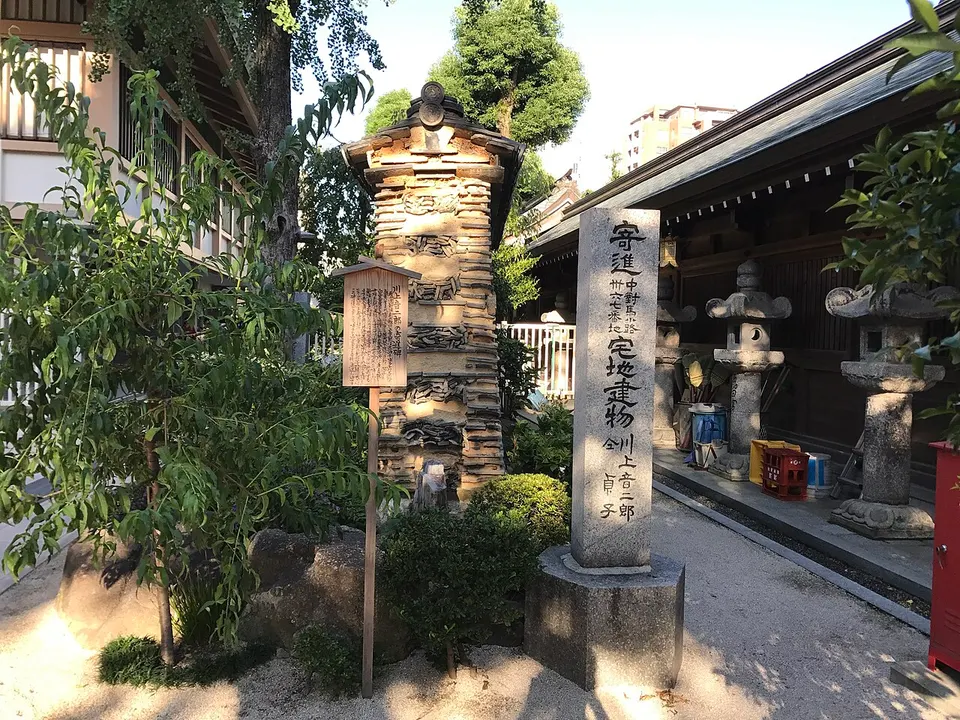
Hakata's guardian shrine, founded in 757. A 10 m decorated float from the Hakata Gion Yamakasa festival stands here all year. A 3-minute walk from Canal City.
Kids¥2,500 (primary/junior high ¥1,200, age 3+ ¥700, 0–2 free)9:30–17:30 (until 21:00 in summer and Golden Week; 10:00–17:00 December–February)
Kyushu's largest aquarium: dolphin and sea lion shows, whale sharks, sea otters and fish of the Genkai Sea. Uminonakamichi Seaside Park (playgrounds, cycling) is next door. About 20 minutes by boat from Bayside Place Hakata, or by JR train.
NaturePark ¥1,500 (primary/junior high ¥800, age 3+ ¥500); ferry ¥230 one way9:00–17:30 (until 18:30 Sundays and holidays)
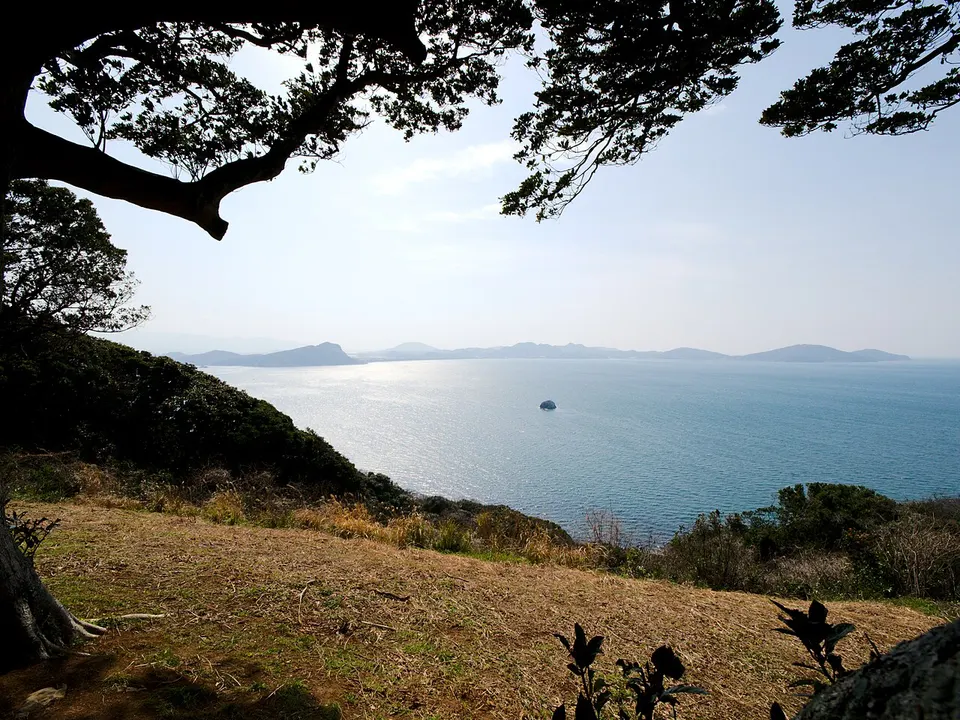
A flower island 10 minutes by ferry from Meinohama port: seasonal flower fields (cherry blossom in spring, cosmos in autumn), views over Hakata Bay, an old-style street and an animal-feeding area. A calm half-day trip.
ShoppingFreeShops 10:00–20:00, restaurants until 21:00
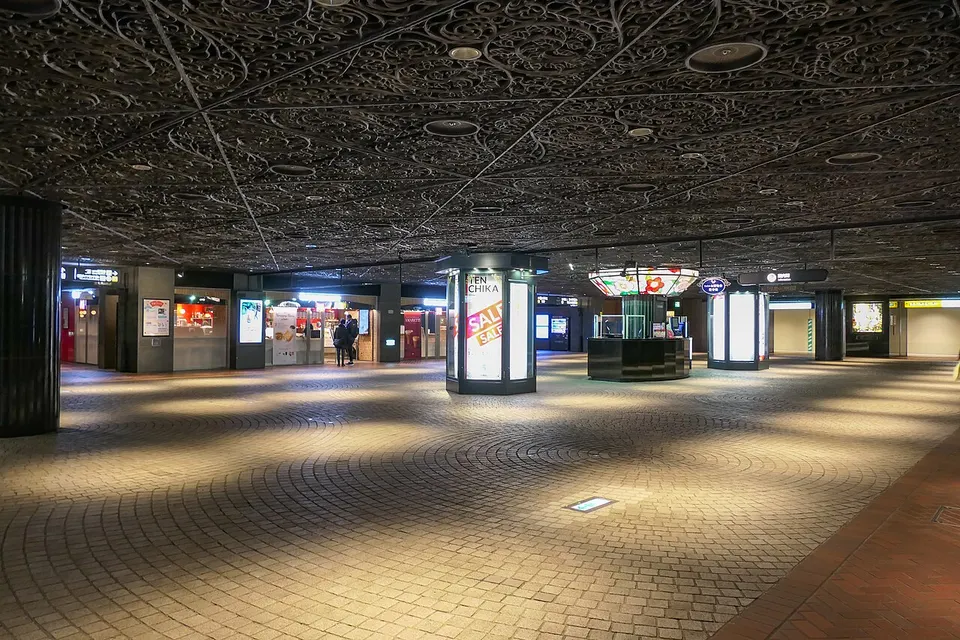
A 600 m underground street with 19th-century European-style stone floors and lighting, about 150 shops and cafés. Connected to Tenjin subway station, so it's ideal on hot or rainy days; Tenjin's department stores are above.
Fukuoka Anpanman Children's Museum in Mall★ 4.2 (5,000)
Kids¥2,000–2,200 (varies by date; same price for everyone aged 1+, under 1 free)10:00–17:00 (last entry 16:00)
On floors 5–6 of Hakata Riverain mall, connected to Nakasu-Kawabata subway station. Anpanman character shows, a play bakery and a sand-play area — half a day for families with children aged 1–6.
Culture¥1,800–2,000 (by operator; children about half)≈9:00–17:00, about 70 min
Glide 4 km along the canals of an old samurai town in a 'donkobune' punted with a bamboo pole; the boatman sings and you duck under low bridges. Then try Yanagawa's steamed eel (seiro-mushi). About 50 minutes from Tenjin on the Nishitetsu line; a discount ticket combines it with Dazaifu.
A coastline west of the city: the 'Wedded Rocks' standing in the sea with a white torii gate, sunsets, beach cafés and swings. Take the JR Chikuhi line to Chikuzen-Maebaru, then a bus or taxi; without a car, check bus times in advance.