India's capital: three UNESCO sites from the Mughal era — the Red Fort, Humayun's Tomb and Qutub Minar — the bazaar lanes of Old Delhi and world-famous street food. Take the train to Agra for a day to see the Taj Mahal. For Mongolian Buddhists it is the main gateway for pilgrimages to Bodh Gaya, Sarnath and Kushinagar. Since September 2026 Hunnu Air flies direct from Ulaanbaatar once a week; the e-visa is free for Mongolian citizens.
🛂 Visa: e-Visa · 30 days✈ Flight: 6h · direct☀ Best months: February, March, October, November
Orange — daytime average, blue — night, grey bars — rainfall, green — sea temperature. Best months: February, March, October, November.
Things to see (12)
🧸 for kids
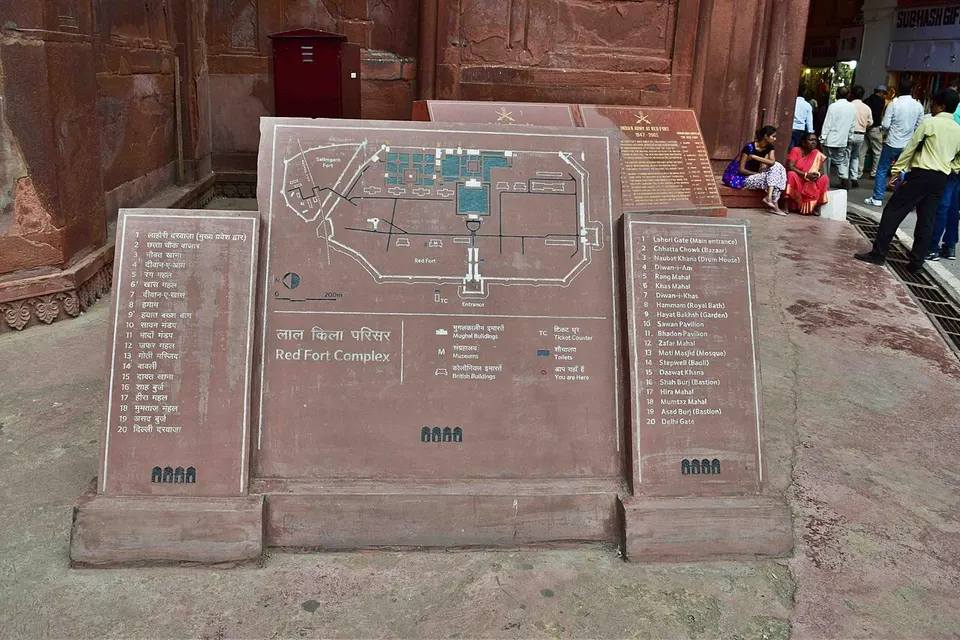
Red Fort (Lal Qila)★ 4.5 (180,000)
Culture₹600 (₹550 cashless); free under 159:30–16:30, closed Mondays
Shah Jahan's 17th-century red sandstone palace-fortress, a UNESCO site. Inside are the royal halls and several museums; there is a sound-and-light show in the evening. Queues at the gate are long, so buy tickets online.
FoodFree (camera/phone photography ₹300)7:00–12:00, 13:30–18:30 (no tourists during prayers)
Travel guide
Like a well-travelled friend for a first-timer: before you go, landing, SIM, transport, money, food, safety, manners, apps, leaving — step by step.
🧳Before you goThe Indian e-visa is free for Mongolian citizens — but you must get it in advance and fill in the e-Arrival card.+
1
e-Tourist Visa
Apply at indianvisaonline.gov.in at least 4 days before arrival. For Mongolian citizens the fee for the 30-day, 1-year and 5-year options is 0 (a bank charge may apply). The 30-day visa is multiple-entry and cannot be extended. Upload a photo on a white background and a scan of your passport page; check that the ETA says 'GRANTED' and print it. Your passport must be valid for over 6 months with 2 blank pages.
Tip: Use only the .gov.in site — look-alike private sites charge for a visa that is free.
Since October 2025 every foreigner fills in the e-Arrival card online or in the 'Indian Visa Su-Swagatam' app within 72 hours before arrival: passport, flight and hotel address. It is not a visa — you need it in addition to your visa.
Hunnu Air flies direct once a week on Mondays; on other days connect via Beijing, Seoul, Hong Kong or Bangkok. Get travel insurance that covers medical care, stomach bugs and flight delays. For a pilgrimage to Bodh Gaya or Sarnath, book the domestic flight or train from Delhi in advance.
🛬Arrival and getting into townInternational flights arrive at Terminal 3 (T3); the metro is the fastest and cheapest way in.+
1
Immigration
Show your printed ETA and passport and give your fingerprints and photo. There are dedicated counters for e-Visa holders. The direct flight lands early in the morning, when queues are usually short.
From T3 the orange Airport Express line reaches New Delhi station in about 20 minutes for around ₹60. Change there to the Yellow Line for Chandni Chowk or Connaught Place. For a taxi, use only the prepaid counter or book Uber/Ola.
Tip: Ignore anyone at the exit who says 'your hotel is closed' — it is a scam.
Airtel has a counter in the T3 arrivals hall: you need your passport, visa and a photo (taken on the spot). A 30-day pack with 1.5 GB a day costs about ₹800. Activation takes a few hours.
If your phone supports eSIM, an international eSIM (e.g. Airalo) installed before you fly needs no paperwork. Without an Indian number, some apps cannot send you OTP codes.
🚇Getting aroundThe metro is clean, cheap and air-conditioned — the best way to beat traffic.+
1
Delhi Metro
Red Fort, Chandni Chowk, Qutub Minar, Akshardham and Hauz Khas all have metro stations. Buy tokens or QR tickets in the 'DMRC Momentum' app. The first carriage of each train is reserved for women. Bags are screened at every station.
Uber, Ola and Rapido show the fare upfront for cars and auto-rickshaws. If you hail a rickshaw on the street, agree the price before getting in. In Old Delhi's narrow lanes a cycle-rickshaw works best.
The Gatimaan Express runs from Hazrat Nizamuddin to Agra Cantt in about 1 h 40 min; Vande Bharat and Shatabdi trains also run. Book tickets in advance on the IRCTC site or app (foreigners can register). By hired car the Yamuna Expressway takes about 3–4 hours.
Tip: The Taj Mahal is closed on Fridays — plan the trip for another day.
The currency is the Indian rupee (INR). Bank ATMs are plentiful in the city; foreign cards are charged a fee. Small shops and rickshaws need cash, so carry small notes. If you bring US dollars in cash, change them at an authorised exchange.
Almost everywhere in India pays by QR code (UPI). Foreign visitors can open a UPI One World wallet with their passport and visa, top it up with a foreign card and pay by scanning QR codes; the unused balance can be refunded.
Red Fort, Qutub Minar and Humayun's Tomb cost foreigners ₹600, or ₹550 paid online/cashless. The Taj Mahal is ₹1,100, plus ₹200 to enter the mausoleum. Children under 15 go free.
🍜FoodDelhi is a street-food capital — but look after your stomach.+
1
What to eat
Butter chicken, tandoori, biryani, parathas, chole bhature, jalebi and lassi. Most dishes are spicy — ask for 'less spicy'. Vegetarian places are everywhere; you can eat free at the Bangla Sahib langar.
Drink only sealed bottled or boiled water; be careful with ice, unpeeled raw fruit and salads. Eat street food where it is busy and cooked fresh in front of you. Bring stomach medicine and oral rehydration salts.
Tip: With children, eat mostly at hotel and chain restaurants.
🛡️SafetyAll emergencies are 112. Scams, air pollution and women's safety are the three things to watch.+
1
Scams
At New Delhi railway station and in Paharganj, people steer you to a fake 'tourist ticket office', say 'the station is closed' or offer free guiding. Buy tickets only from IRCTC or the station's official counters; do not follow strangers into shops.
From October to February many days reach 'very poor' AQI: wear an N95 mask and keep children and older people indoors more. Emergency (police, ambulance, fire) 112; tourist helpline 1800-11-1363.
Use your right hand to eat and to hand over money. Greet with 'namaste' and palms together. Avoid public displays of affection; cows roam the streets freely — treat them with respect.
Bargaining is normal in markets and with rickshaws, but not in fixed-price shops. In restaurants, leave a small tip if service is not already included.
Uber and Ola for taxis and auto-rickshaws; DMRC Momentum for metro QR tickets; IRCTC Rail Connect for train tickets; Indian Visa Su-Swagatam for the e-Arrival card.
Guards check your ticket and passport at the terminal door, so have a printed or phone copy ready. The direct flight leaves early in the morning, so travel late at night by Airport Express metro or a pre-booked taxi. Allow for morning fog and traffic.
Rupees are hard to exchange outside India — spend what's left or change it back at the airport. Refund your UPI One World balance to your card. Overstaying your visa means a fine and exit problems.
AI answer: double-check anything beyond our researched facts with an official source.
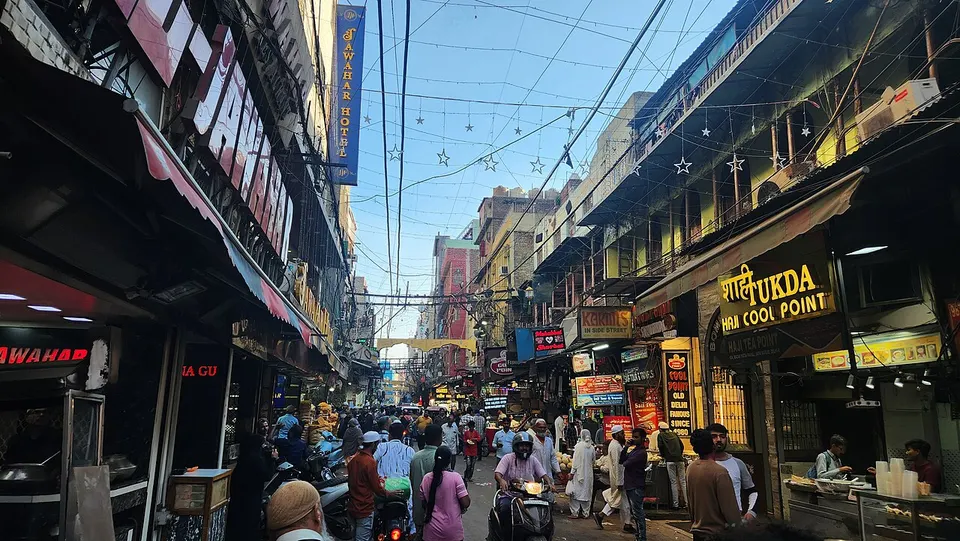
One of India's largest mosques; cover arms and legs and take off your shoes. Next door, Chandni Chowk is Old Delhi's teeming bazaar: parathas, jalebis and the famous Karim's. With children a cycle-rickshaw is easiest; watch for pickpockets.
Culture₹600 (₹550 cashless); free under 15≈7:00–17:00, daily
A 73 m brick minaret from the 12th–13th century, a UNESCO site; around it are India's first mosque and a 1,600-year-old rust-free iron pillar. The lawns are good for walking with children; combine with Mehrauli Archaeological Park.
Culture₹600 (₹550 cashless); free under 15Sunrise to sunset, daily
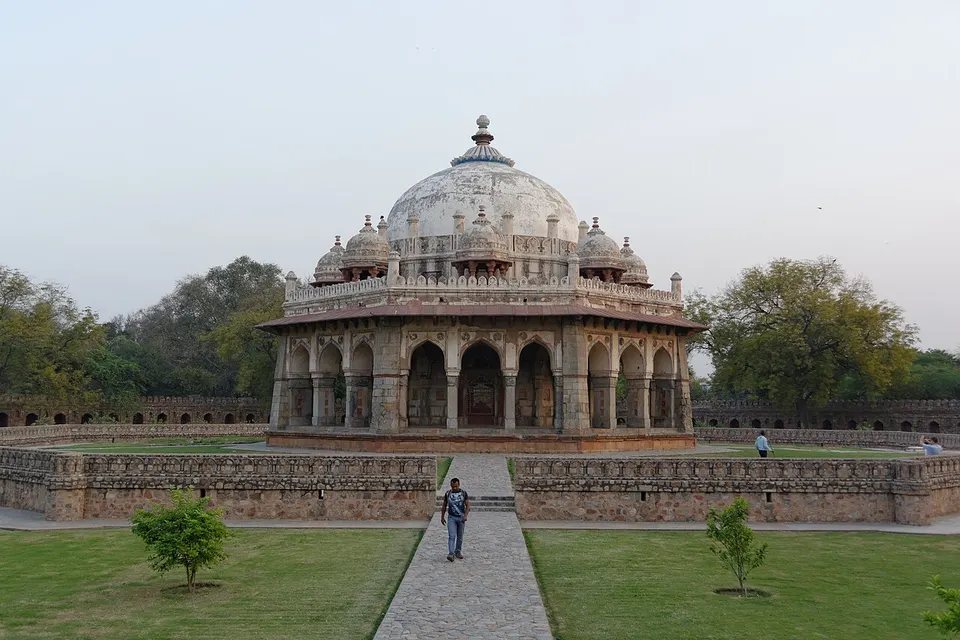
The 16th-century Mughal tomb known as the Taj's 'ancestor', a UNESCO site: a four-part garden, water channels and a marble dome. It has a new museum; loveliest in late-afternoon light and far calmer than Old Delhi.
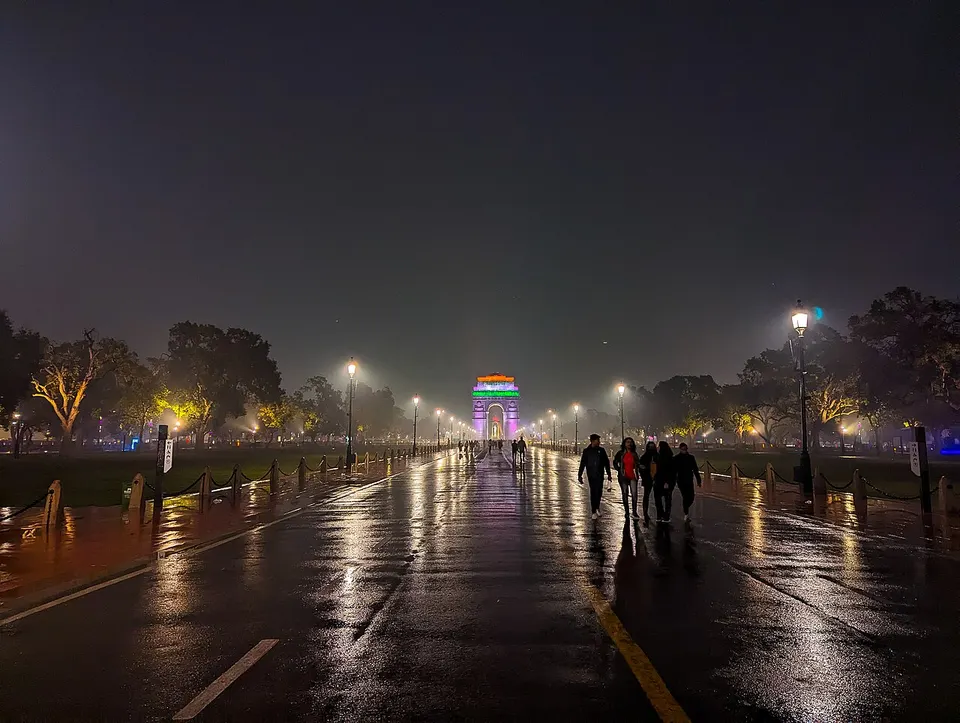
The 42 m First World War memorial arch and the lawns of Kartavya Path running up to the President's House. In the evening families stroll, eat ice cream and children play; the National War Memorial is next door.
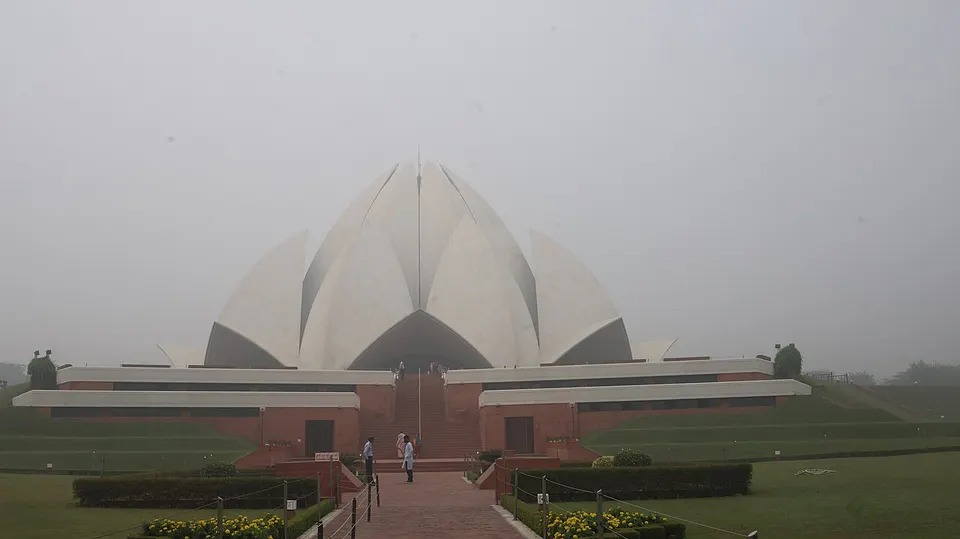
A white marble Bahá'í house of worship shaped like a 27-petal lotus — open to people of every faith, in complete silence inside. The pools and gardens outside are good for family photos.
KidsFree (exhibitions and water show paid)10:00–20:00, closed Mondays
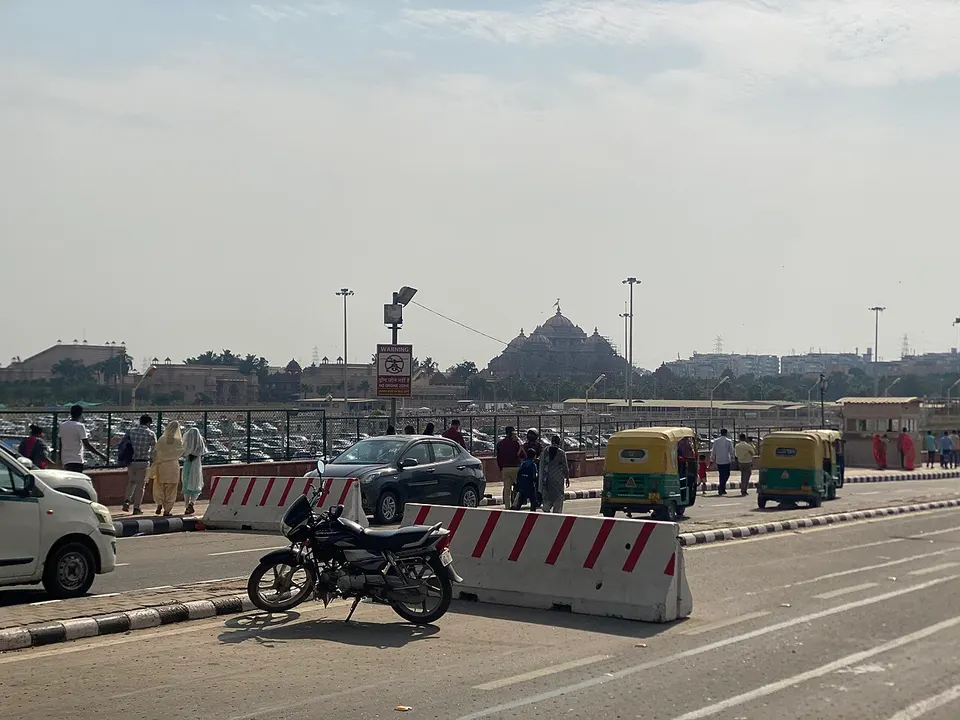
A vast Hindu temple complex carved from pink sandstone and marble: a cultural exhibition with a boat ride and the evening musical fountain show are hits with children. No phones, cameras or bags allowed — leave them at the cloakroom.
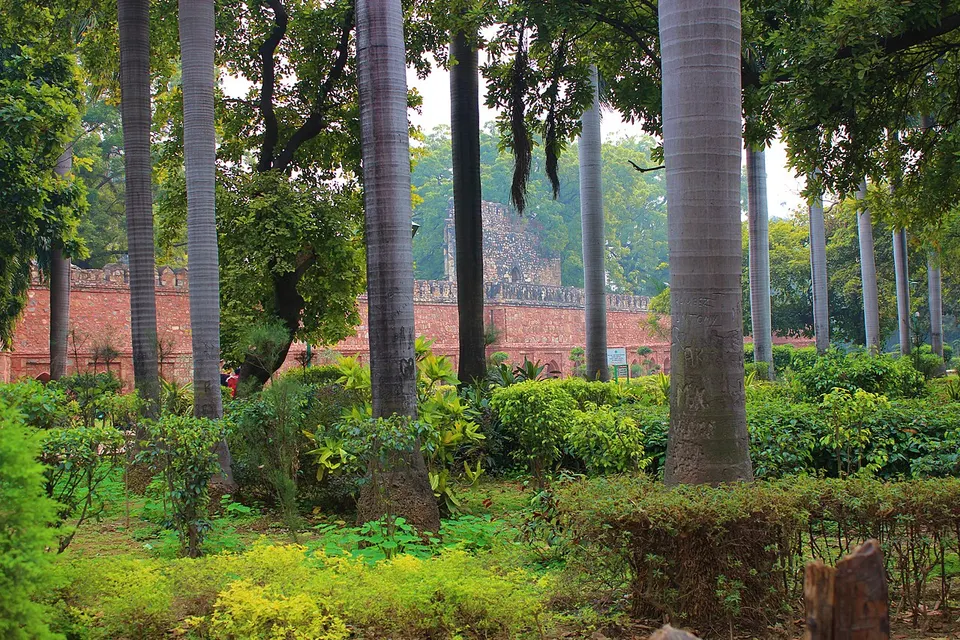
A 36-hectare park among 15th–16th-century Lodi and Sayyid tombs — where Delhi residents jog and picnic. Shady and quiet; the best place to rest with children. Street murals in nearby Lodhi Colony.
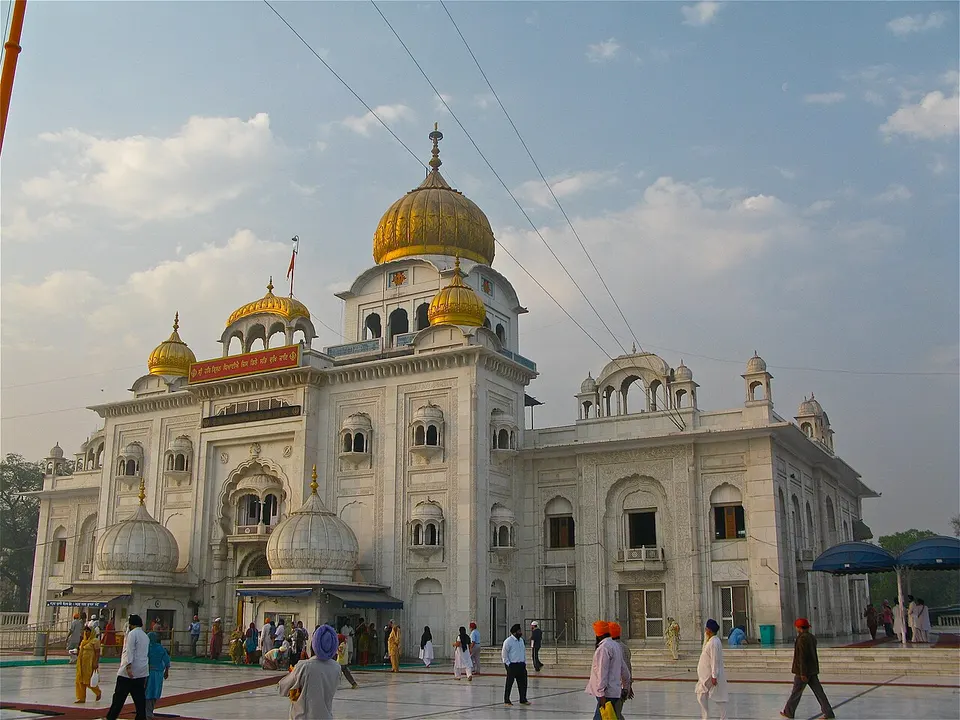
Delhi's main Sikh temple: a golden dome, a holy pool and the langar kitchen that serves free meals to thousands every day — anyone can sit down to eat or volunteer. Cover your head (scarves at the door) and remove your shoes.
Culture₹650 (free under 18)10:00–18:00, closed Mondays
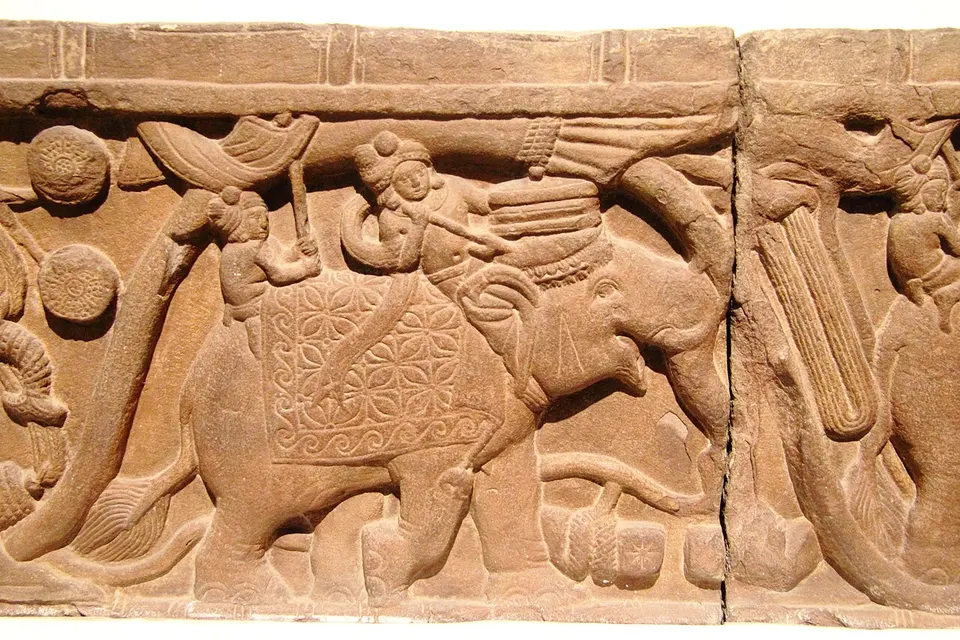
Over 200,000 objects spanning 5,000 years, with a Buddhist art gallery. The Piprahwa (Kapilavastu) relics of the Buddha are shown in a special exhibition at the Rai Pithora Cultural Complex. The museum is due to move to the new Yuge Yugeen Bharat building, so check it is open before you go. Buddha Jayanti Park on the Ridge has a tree grown from a cutting of the Bodhi tree.
CityFree (complex)Complex ≈10:00–18:00; cafés and bars into the evening
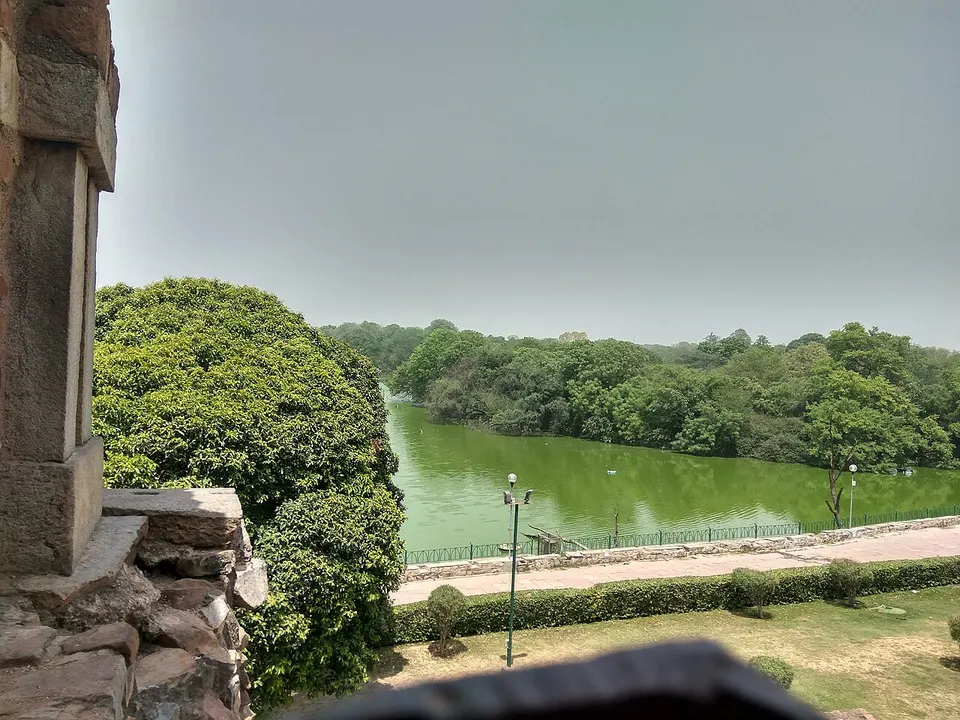
A young people's district built around the ruins of a 13th-century reservoir, madrasa and tombs: cafés, design shops and bars. Next door, the Deer Park has deer and peacocks — good with children in the daytime.
CultureTaj ₹1,100 (+₹200 for the mausoleum); Agra Fort ₹650; free under 15Taj: sunrise to sunset, closed Fridays
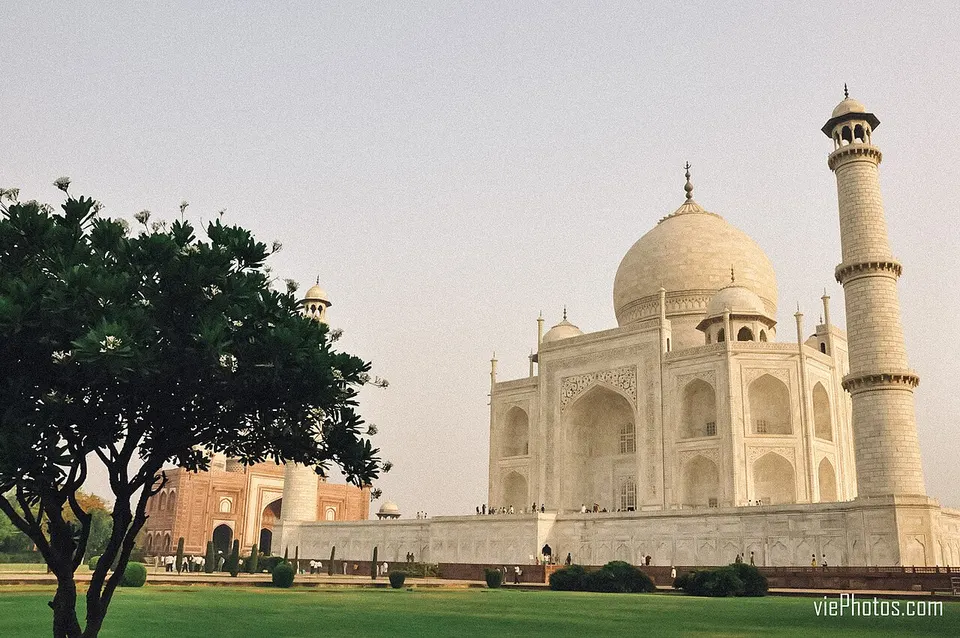
One of the New Seven Wonders, the marble tomb Shah Jahan built for his wife. From Delhi, ~1 h 40 min on the Gatimaan Express or ~3–4 hours by car on the Yamuna Expressway. Best and least crowded at sunrise. From Agra Fort you see the Taj across the river. The Taj is closed on Fridays!