Nepal's first national park (1973) and a UNESCO World Heritage Site: Terai jungle and elephant grass home to one-horned rhinos (~700), Bengal tigers, elephants and gharial crocodiles. From the village of Sauraha you go on jeep safaris, canoe down the Rapti River and watch Tharu folk dances — one of the best wildlife destinations for families. From Ulaanbaatar, connect to Kathmandu, then take a 25-minute domestic flight to Bharatpur or a 5–6-hour tourist bus. Mongolian citizens get a visa on arrival or online (ETA).
🛂 Visa: Visa on arrival · 15 days✈ Flight: 14h☀ Best months: October, November, February, March
#safari#rhinos#wildlife#jungle#family-friendly#visa on arrival
Orange — daytime average, blue — night, grey bars — rainfall, green — sea temperature. Best months: October, November, February, March.
Things to see (11)
🧸 for kids
Jeep safari★ 4.5 (1,745)
NaturePark fee NPR 2,000/day + shared jeep NPR 2,500–6,000Morning ≈6:30 or afternoon; half day 3–4 h, full day 7–8 h
From the Sauraha ticket point, cross the Rapti by boat and ride an open jeep through jungle and elephant grass: one-horned rhinos, deer, monkeys and, with luck, a Bengal tiger. The safest option for families; full-day trips reach the Kasara gharial centre.
NaturePark fee NPR 2,000 + guides NPR 2,500–4,000 per person
Travel guide
Like a well-travelled friend for a first-timer: before you go, landing, SIM, transport, money, food, safety, manners, apps, leaving — step by step.
🧳Before you goThe Nepal visa is easy — on arrival or online. Chitwan is reached via Kathmandu, so plan the domestic flight or bus in advance.+
1
Visa: online ETA or on arrival
Mongolian citizens need a Nepalese visa, but it is issued on arrival. Easiest is to apply in advance on the Department of Immigration ETA/eVisa portal and pay by card: multiple-entry tourist visa 15 days $30, 30 days $50, 90 days $125. The approval arrives by email — print it and use it within 6 months of issue. Free for children under 10 for up to 30 days. Your passport must be valid for more than 6 months.
Tip: If you get the visa on arrival, carry cash dollars (new, clean notes) — card payment sometimes fails.
The best time is October–March: cool and dry. From February to April the elephant grass is cut and burned, so rhinos and tigers are easier to see; April–June is very hot. In the June–September monsoon the rivers flood, much of the park closes and leeches abound.
The Terai has malaria and dengue risk, so see a doctor before you go and pack repellent and long sleeves. Travel insurance covering emergency evacuation is a must.
🛬Getting to ChitwanFrom Ulaanbaatar you first fly to Kathmandu, then continue to Sauraha by domestic flight or tourist bus.+
1
Domestic flight to Bharatpur
Buddha Air and Yeti Airlines fly Kathmandu–Bharatpur (BHR) several times a day in ~20–25 minutes; foreigners pay the dollar fare only, ~$100–150 one way. Sauraha is ~17 km from Bharatpur airport, ~30 minutes by taxi — agree the fare first; many hotels arrange pickups. All Nepali airlines are on the EU and UK air safety lists, so take the bus in bad weather.
Tourist buses leave around Sorhakhutte in Kathmandu at about 7:00 and reach the Sauraha tourist bus park in ~5–6 hours; tickets NPR 800–1,500. Buses also leave Pokhara around 7:30. Roadworks near Mugling can cause delays; never take a night bus.
Most visitors stay in Sauraha on the park's northern edge — safaris, canoes and dance shows are all within walking distance. Upmarket lodges are in Meghauli to the west and in the buffer zone. Packages including meals and safaris are the easiest way to book.
📶Phone and internet+
1
Ncell or NTC SIM
Buy an Ncell or Nepal Telecom (NTC) SIM with your passport at the counters in Kathmandu arrivals. Ncell TouristPro packs cost NPR 595 for 7 days, NPR 995 for 14 days and NPR 1,995 for 28 days. 4G is good in Sauraha and Bharatpur.
If your phone supports eSIM, install the Ncell tourist eSIM or an international eSIM before the flight. Signal drops deep in the park, so give your guide your hotel's phone number and download maps for offline use.
🚇Getting around SaurahaSauraha is small and easy on foot or by bike. The park itself may only be entered with a licensed guide.+
1
Park permit and guides
The park fee for foreigners is NPR 2,000 per day, valid for a single entry. Entering without a guide is banned; jungle walks usually have two licensed guides. Book permits, guides and jeeps through your hotel or an agency in Sauraha.
Rent a bike in Sauraha to visit Tharu villages, the Elephant Breeding Centre and the riverbank — it's flat and easy with children. For Bharatpur or Bis Hajari Tal take a taxi or use the Pathao app; agree prices in advance.
The currency is the Nepalese rupee (NPR). Sauraha has a few ATMs, but they sometimes run dry, so bring enough cash from Kathmandu. Bigger hotels and lodges take cards; park permits, guides and small restaurants want cash.
Safari, canoe and walk prices differ from agency to agency — ask a few and check whether the park fee is included. Tipping guides and drivers at the end of a trip is customary.
🍜FoodSauraha has Nepali, Tharu and international food; riverside cafés are lovely at sunset.+
1
What to eat
Dal bhat — rice, lentils and vegetables, usually with free refills; momo — like Mongolian buuz. Tharu food: ghonghi (river snails), dhikri steamed rice-flour dumplings and fish curry. Some homestays run Tharu cooking classes.
Tip: Hindus don't eat beef — 'buff' on a menu means water buffalo.
2
Protect your stomach
Don't drink tap water — drink bottled or filtered water; plastic bottles are banned in the park, so carry a reusable one. Be careful with raw salads and drinks with ice; freshly cooked hot food is the safest.
🛡️Safety and health+
1
Emergency numbers
Police 100, fire 101, ambulance 102. The English-speaking Tourist Police on 1144 — call them first for theft, scams or a lost passport. For serious cases go to Chitwan Medical College hospital in Bharatpur.
Rhinos, tigers, elephants and sloth bears can attack — dozens of people (mostly locals) are hurt by wild animals in Chitwan every year. With children, choose a jeep safari over a walk. On walks follow your guides exactly, stay quiet and don't wear bright colours. The park is closed after sunset; don't walk alone at night on the edge of Sauraha either.
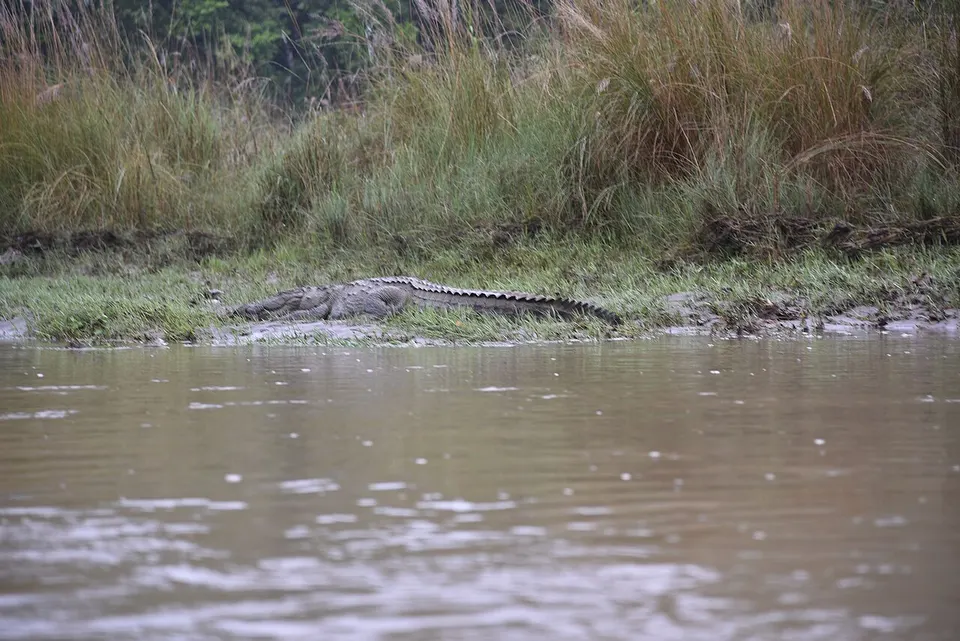
The Rapti and Narayani rivers have mugger and gharial crocodiles, so don't swim or go too close to the bank. Sleep under a mosquito net and use repellent — malaria and dengue are a risk. In the monsoon follow flood news.
Be quiet, never feed or chase animals; drones and plastic bottles are banned. Even when you spot a rhino or tiger, don't shout or shine lights — follow your guide's signals.
2
Elephants and ethics
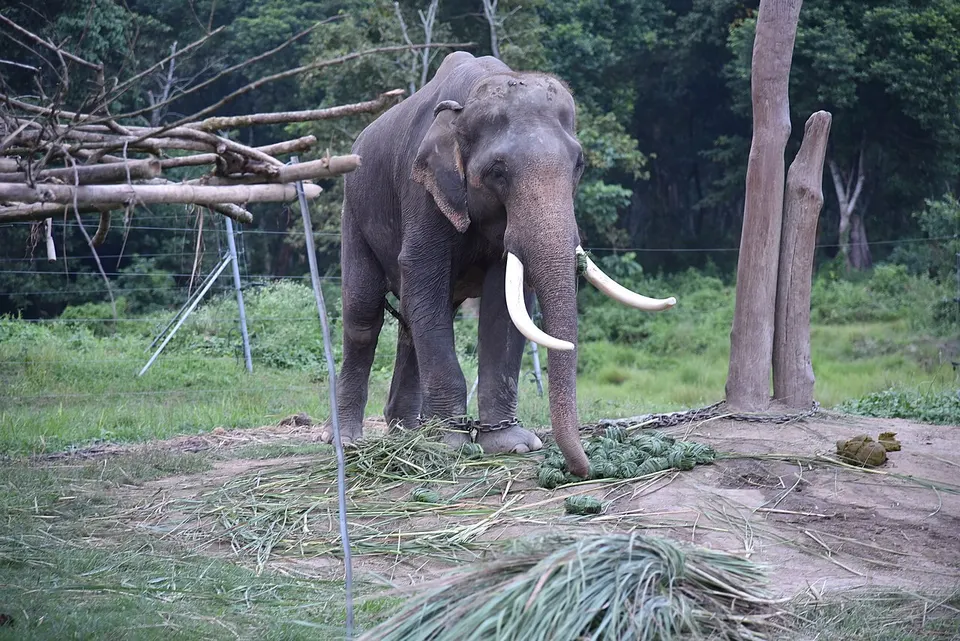
Elephant rides inside the park were stopped about 15 years ago; private elephant rides still run in the buffer-zone community forests, but in December 2025 the Supreme Court ordered them reconsidered on welfare grounds. Instead of riding, watch elephants from a distance at the Elephant Breeding Centre or choose a jeep safari.
Greet with palms together and 'Namaste'. Ask before photographing Tharu homes and people; take your shoes off when entering a house. Give and receive food and money with the right hand.
📱Useful apps+
1
Transport and flights
The Buddha Air app books domestic flights and shows delays. Pathao — cars and motorbikes in Bharatpur with upfront fares.
Bharatpur–Kathmandu flights are often delayed by fog or weather, and buses by roadworks, so plan to reach Kathmandu at least a day before your international flight.
Nepalese rupees are almost impossible to exchange abroad — spend what's left or change it back to dollars (keep your exchange receipts). Overstaying your visa by even one day means a fine on departure.
AI answer: double-check anything beyond our researched facts with an official source.
Sunrise to sunset (2–3 hours or a full day)
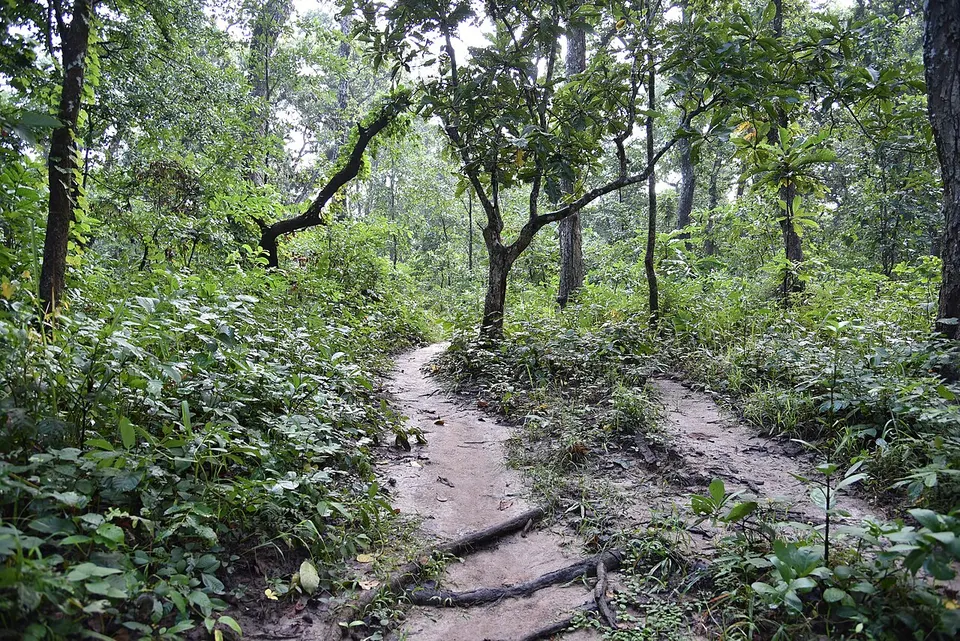
Walk with two licensed guides through forest and grassland, reading tracks and seeing birds and rhinos up close. The most thrilling option but also risky — rhinos, sloth bears or tigers can appear suddenly, so follow your guides exactly; not suitable for young children.
NatureNPR 1,500–2,500 (+ park fee)Morning ≈7:00–9:00, ~1 hour
Glide quietly downstream in a traditional dugout canoe past mugger and narrow-snouted gharial crocodiles basking on the banks, kingfishers and storks. Sit still and keep your hands out of the water.
KidsFree (since 19 July 2026)7:00–11:00, 16:00–19:00
The park's elephant breeding centre: mothers and calves (69 calves born since 1987). Reach it from Sauraha by bike or on foot. A more ethical alternative to elephant rides that children love.
KidsFree (park fee separate)Daytime (on full-day jeep safari routes)
Founded in 1978 to raise the endangered narrow-snouted gharial and release it into the rivers: ~500 gharials, plus mugger crocodiles and turtles. The park headquarters is at Kasara.
A small museum at the park headquarters in Kasara: rhino and tiger skulls and skeletons, seized poaching trophies and conservation history. Combine with the gharial centre.
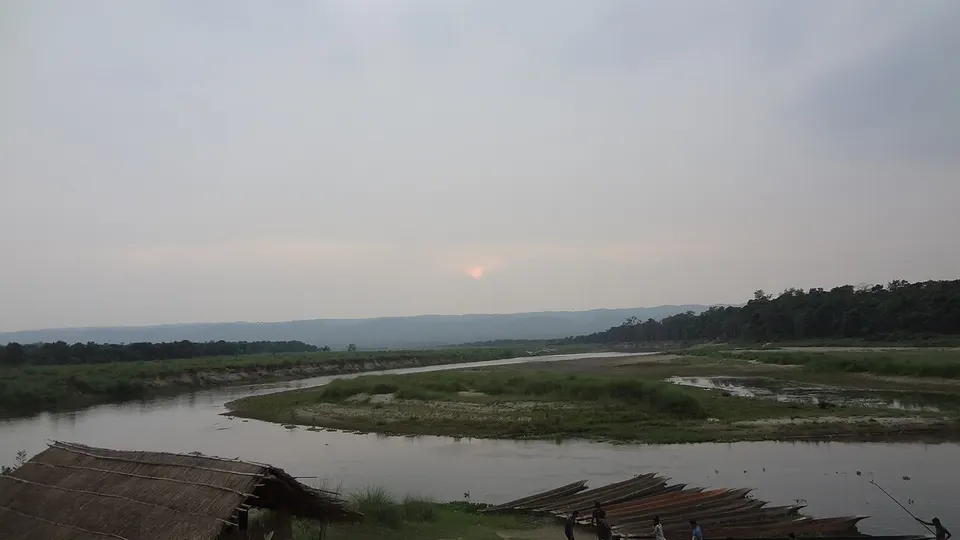
Watch the sun set over the park forest from riverside cafés and the sandy bank; rhinos sometimes appear on the far bank. Don't approach animals on the bank and don't swim.
NatureFree (going with a guide in the buffer zone is advised)Daytime; early morning for birds
A Ramsar-listed lake and wetland system in the park's buffer zone: winter migratory birds, hornbills, waterfowl and crocodiles. A birdwatchers' favourite; the way in is through forest, so go with a guide.
KidsBike hire ≈NPR 300–500/day; guided tour NPR 2,000–3,000Daytime
Cycle through mud-walled Tharu villages, rice and mustard fields and local markets around Sauraha. Flat and easy for families; you can ride on to the Elephant Breeding Centre.