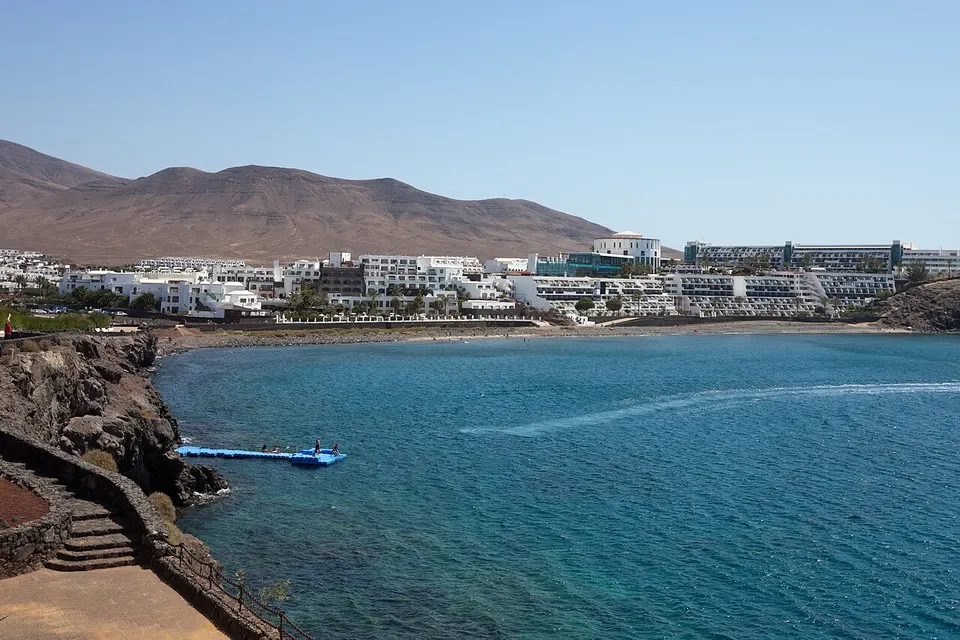
Colombia's colonial walled city on the Caribbean: UNESCO-listed colourful streets, Spanish fortresses, Getsemaní's murals and the turquoise water of the Rosario Islands. History, sea, food and nightlife in one place. No direct flights — via Europe (Amsterdam, Madrid, Frankfurt) or Istanbul, ~28–34 hours. Since 26 January 2026 Mongolian citizens can stay 90 days visa-free.
Sign in to keep the plan — you'll continue right after.
💵
Costs and prices on the ground
…
return from $1900
☀️
Weather
Daytime 31–32°C · warmest in April
Orange — daytime average, blue — night, grey bars — rainfall, green — sea temperature. Best months: December, January, February, March, April.
📍
Things to see (12)
12 places: Walled City and Clock Tower, Castillo San Felipe de Barajas, Getsemaní…
🧸 for kids
Walled City and Clock Tower★ 4.7 (60,000)
CultureFree24 hours (best early morning and evening)
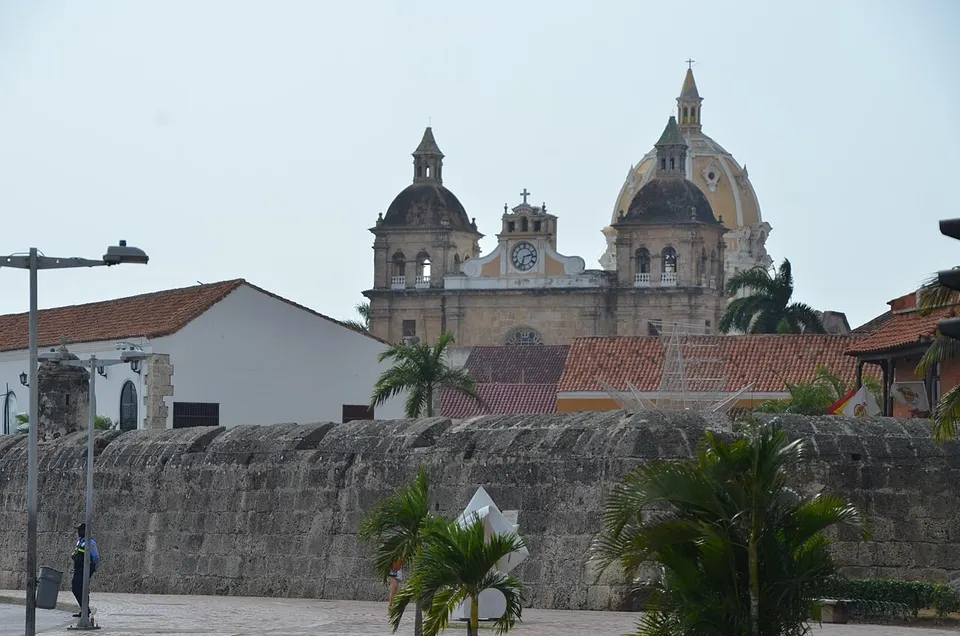
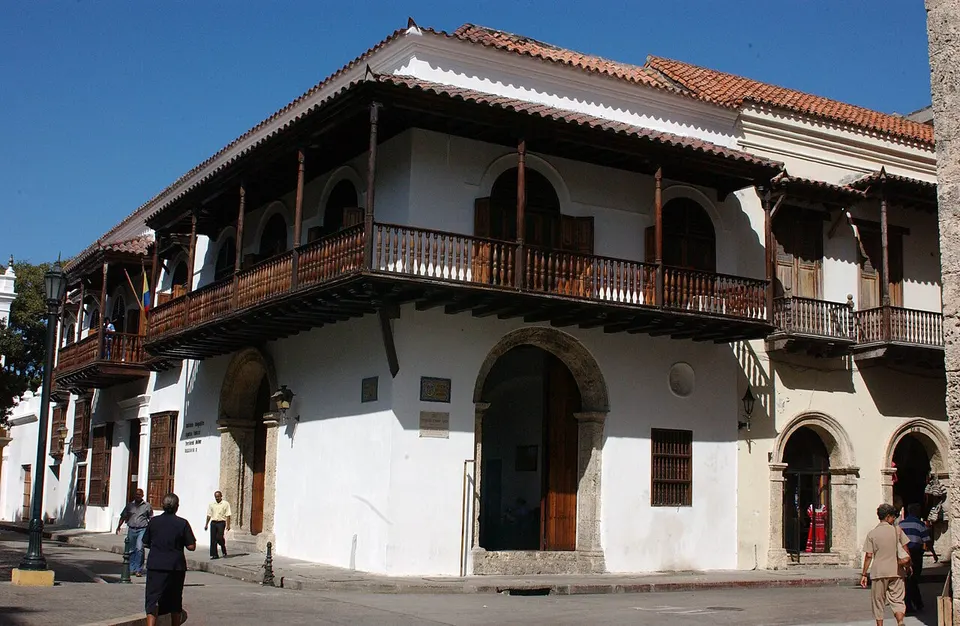
The UNESCO-listed colonial old town: colourful houses with flowered balconies, Santo Domingo and San Pedro Claver squares, horse carriages. Enter through the Clock Tower gate and explore on foot; midday is too hot, so go before 9 am or at sunset.
CultureCOP 38,000 (ages 6–13 COP 16,000, under 6 free)
Show all (12)
🧸 for kids
Las Murallas★ 4.7 (20,000)
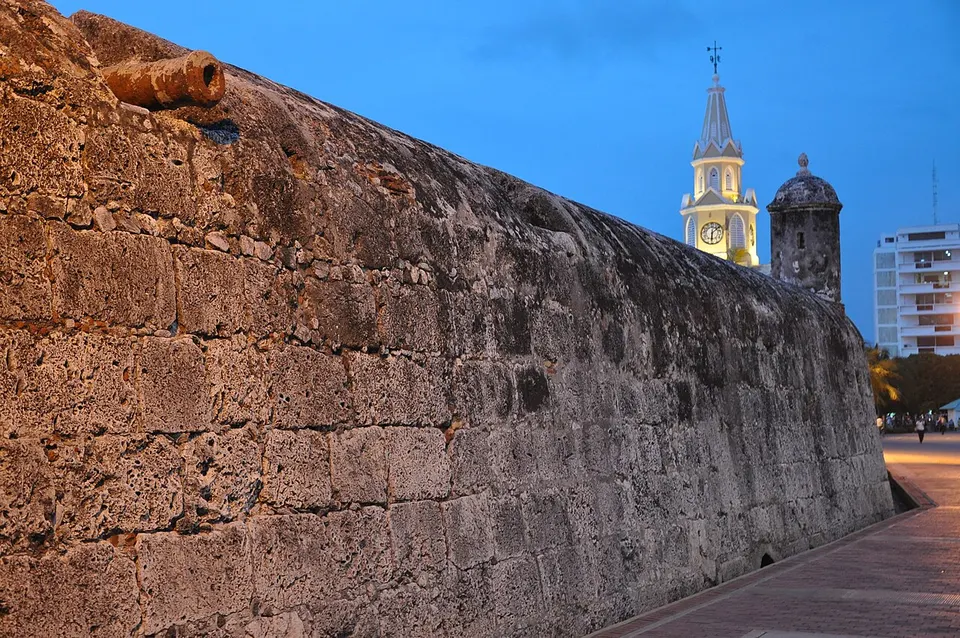
RelaxFree (cafés on the wall are pricey)24 hours; sunset ~17:30–18:15
Walk the 11 km of city walls and watch the sun set over the Caribbean; the cafés on the Santo Domingo bastion are the famous spot. With children, mind the unfenced edges.
CultureCOP 24,000 (children COP 20,000, under 5 free)
📷
Photos
5 photos
1 / 5
✈️
Flights (from UB)
With a stop · 30 h · $1900–$3400
Turkish Airlines + Avianca · BOG31 h
Turkish Airlines + KLM · AMS30 h
MIAT + Lufthansa + Avianca · BOG30 h
Turkish Airlines + Iberia + World2Fly · MAD32 h
Adult return fare: $1900–$3400Return economy fares run ~$1,900–3,400. Buy connections on one ticket (bags checked through). Connecting through the USA (Miami, Houston, Atlanta, New York) requires a US visa even for transit. For airside transit in Schengen (Amsterdam, Madrid, Frankfurt) Mongolia is not on the EU common airport-transit-visa list, but leaving the airport or changing terminals on separate tickets requires a Schengen visa. Mongolians need a Mexican visa to enter Mexico — avoid connecting via Mexico City or check with the airline. Airside transit at Panama's Tocumen usually needs no visa, but confirm with the airline before buying. Turkey is visa-free for Mongolians for 30 days. Fares peak over the Christmas–New Year holidays and Holy Week.
🛂
Visa and documents
Visa-free · 90 days · language, safety, medical, SIM
Visa-free · 90 days
The Colombia–Mongolia agreement abolishing visas for ordinary passports has been in force since 26 January 2026: Mongolian ordinary (and emergency) passport holders can stay up to 90 days per entry without a visa for short unpaid visits such as tourism and business meetings. Immigration stamps an entry permit (Permiso de Ingreso y Permanencia, PIP); you can ask Migración Colombia to extend it by another 90 days, but never beyond 180 days per calendar year. No fee. Officers may check a valid passport, a return ticket and funds. Fill in Migración Colombia's free Check-MIG form online 72 to 1 hours before the flight — officially declared optional, but airlines ask for it. Paid work needs a visa. Note: transiting the USA needs a US visa; leaving the airport in Schengen needs a Schengen visa.
Visa rules can change — confirm with the embassy or an official source before you travel.
Language:Spanish; English works in the old city, larger hotels and tourist businesses, but taxis, markets and small eateries are almost Spanish-only — a translation app is a must
Safety:The old city, Getsemaní and Bocagrande are generally safe for tourists, but pickpocketing, phone snatching and overcharging (beach massages, food, boat trips) are common. The UK FCDO warns that criminals use drugs such as scopolamine in drinks and cigarettes to rob victims — accept nothing from strangers, never leave a drink unattended and don't meet dating-app contacts alone. Use only registered taxis or app-booked cars. Avoid empty streets and outlying districts at night. Strong heat and sun: water, hat, sunscreen.
Healthcare:Private hospitals (Hospital Naval, Clínica Bocagrande, Serena del Mar hospital) are good and some have English-speaking doctors; public hospitals are crowded. Private care is expensive, so travel insurance is a must. Use mosquito repellent (dengue); yellow fever vaccination is recommended if you go to Tayrona.
Phone:Claro has the widest network, then Movistar and Tigo. Buy a prepaid SIM with your passport at Claro/Movistar shops in the old city or Bocagrande; foreign phones may need IMEI registration. Easiest is an eSIM (Airalo, Holafly and others) installed before you fly.
🧭
Travel guide
Arrival, SIM, transport, money, customs — step by step
Like a well-travelled friend for a first-timer: before you go, landing, SIM, transport, money, food, safety, manners, apps, leaving — step by step.
🧳Before you goColombia has been visa-free for Mongolians since 2026, but sort out visas for the countries you connect through, the Check-MIG form and insurance in advance.+
1
Visa: 90 days visa-free
Under the Colombia–Mongolia agreement, since 26 January 2026 Mongolian ordinary passport holders can stay up to 90 days per entry without a visa for unpaid purposes such as tourism and business meetings. Immigration may check a return ticket and funds. With an extension the total cannot exceed 180 days a year. Connecting through the USA requires a US visa; leaving the airport in Schengen requires a Schengen visa.
Tip: Book all flights on one ticket — bags go through and you don't pass immigration at the hub.
Fill in Migración Colombia's free online Check-MIG form between 72 hours and 1 hour before the flight. It has been declared officially optional, but airlines ask for it before boarding, so complete it and keep the confirmation email. Do it again when you leave.
Tip: Use only the migracioncolombia.gov.co site — many fake sites charge a fee.
Private hospitals are expensive, so travel insurance is a must. Bring mosquito repellent against dengue; if you are going to nature parks such as Tayrona, a yellow fever vaccination before the trip is recommended.
🛬Landing and getting to the cityRafael Núñez Airport (CTG) is in the north of the city, close to the old town. Most people arrive on a domestic or regional flight from Bogotá or Panama.+
1
Immigration in Bogotá
Flying from Europe or Istanbul to Bogotá, you clear Colombian immigration in Bogotá, collect your bags and re-check them for the domestic flight (usually even on one ticket). So choose a Bogotá connection of at least 3 hours. Check that your passport has the entry permit stamp (PIP).
Cartagena taxis have no meters and charge fixed zone fares. At the airport taxi rank, get a slip from the attendant with your destination and the price: old city or Getsemaní ~COP 30,000, Bocagrande ~COP 27,500, about 20 minutes. Don't take cars offered by touts outside.
Tip: Arriving at night, book your hotel's transfer in advance over WhatsApp.
Uber and InDrive work in Cartagena; you walk a little from the exit to the pickup point. Most old-city hotels offer transfers — the easiest option with children or lots of luggage.
📶Phone and internet+
1
Buy an eSIM at home
If your phone supports eSIM, install a Colombia plan from an app such as Airalo or Holafly before flying — it works as soon as you land in Bogotá, with no shop to find.
Tip: Download Cartagena in Google Maps and Spanish in Google Translate for offline use.
Claro has the widest coverage (including the islands and Tayrona), then Movistar and Tigo. Buy a prepaid SIM with your passport at an official shop in the old city or Bocagrande. A foreign phone not registered by IMEI may be cut off after a while, so ask the shop to register it.
🚇Getting aroundThe old city and Getsemaní are small — walk. Take a taxi or Uber to Bocagrande, La Popa and the fortress.+
1
Walking and taxis
The walled city and Getsemaní are a few minutes apart on foot. Taxis have no meters — agree the price before getting in, or book Uber/InDrive and see the price upfront. Don't walk around at midday in the heat.
The city's dedicated-lane bus system costs COP 3,900 per ride since 23 January 2026; rechargeable cards are sold at stations. It links the old city, Bocagrande and the bus terminal, but taxis are easier for tourists.
Take boats to the Rosario Islands and Playa Blanca from the official La Bodeguita pier. In 2026 a park fee of COP 13,500, mandatory insurance of COP 8,800 and a pier fee of COP 16,000 are added to the ticket. Cheap tours sold on the street risk unregistered boats and no insurance.
The currency is the Colombian peso. Withdraw cash in daylight from ATMs inside bank branches (Bancolombia, Davivienda, BBVA); refuse 'help' from strangers at street ATMs. Cards work in hotels, restaurants and shops; markets, street food, boats and beach vendors take cash only.
On the beaches and at Playa Blanca, agree prices for massages, fish, chairs and boats beforehand and confirm whether it is per person or for everyone. Restaurants add a 'propina voluntaria', a voluntary service charge, to the bill — you can ask for it to be removed.
🍜FoodCaribbean food: fried fish, coconut rice, arepas, tropical fruit. Getsemaní and the old city have every kind of restaurant.+
1
What to eat
Fried fish with coconut rice and green plantain (patacón); arepa de huevo — an arepa with an egg inside, the coast's favourite snack; ceviche; tropical fruit and coconut sweets from the 'palenqueras' in colourful dresses on the squares. Fresh fruit juices (jugos), which children love, are everywhere.
Tip: The palenqueras expect a small tip if you photograph them.
2
Cheap and reliable
The 'menú del día' or 'corrientazo' lunch — soup, rice, meat and juice — is the cheapest meal. Getsemaní and the streets around Plaza de la Merced have many small eateries. Drink bottled water and be careful with street ice.
Police and ambulance — 123 (single number), fire — 119. For serious incidents, call your insurer's assistance line first and they will direct you to a private hospital that bills them directly.
The UK FCDO warns that criminal gangs put drugs such as scopolamine in drinks, food and cigarettes to knock out and rob victims, and use dating apps to target lone travellers. Accept nothing from strangers, never leave a drink unattended and don't bring new acquaintances back to your hotel.
The old city and Getsemaní are generally safe for tourists, but keep phones and chains out of sight and your bag in front in crowds. Use only registered taxis or app-booked cars. Avoid empty streets and outlying districts at night. At Tayrona and Playa Blanca swim only in flagged areas — currents are strong.
Colombians are warm and polite: say 'Buenos días / Buenas tardes' when entering a shop or taxi. People shake hands with strangers; women who know each other greet with a cheek kiss. Timekeeping is relaxed, but boats and tours leave exactly on time.
2
Dress and photos
Don't walk around town in swimwear or shirtless — cover shoulders and knees in churches and museums. Ask before photographing people, especially palenqueras and street performers; they may ask for a small tip.
3
Rubbish and noise
The old city is a residential neighbourhood — no loud music or shouting near homes at night. On the islands and beaches take your rubbish back with you; don't touch or stand on coral.
📱Useful apps+
1
Getting around
Uber and InDrive show prices upfront, so there is no haggling with taxis. Google Maps works well for old-city streets and beaches; download offline maps.
In Colombia hotels, tours and restaurants all communicate on WhatsApp — bookings, locations and payment details. Download Spanish in Google Translate for offline use and translate menus with the camera.
Fill in Check-MIG again 72 to 1 hours before your return flight. From Cartagena you fly to Bogotá or Panama and connect to the international flight; exit immigration is usually in Bogotá, so allow enough connection time there.
The airport is about 20 minutes from the old city by taxi; for night flights have your hotel call a taxi or use Uber. Spend your leftover pesos in Colombia — they are hard to exchange in Mongolia.
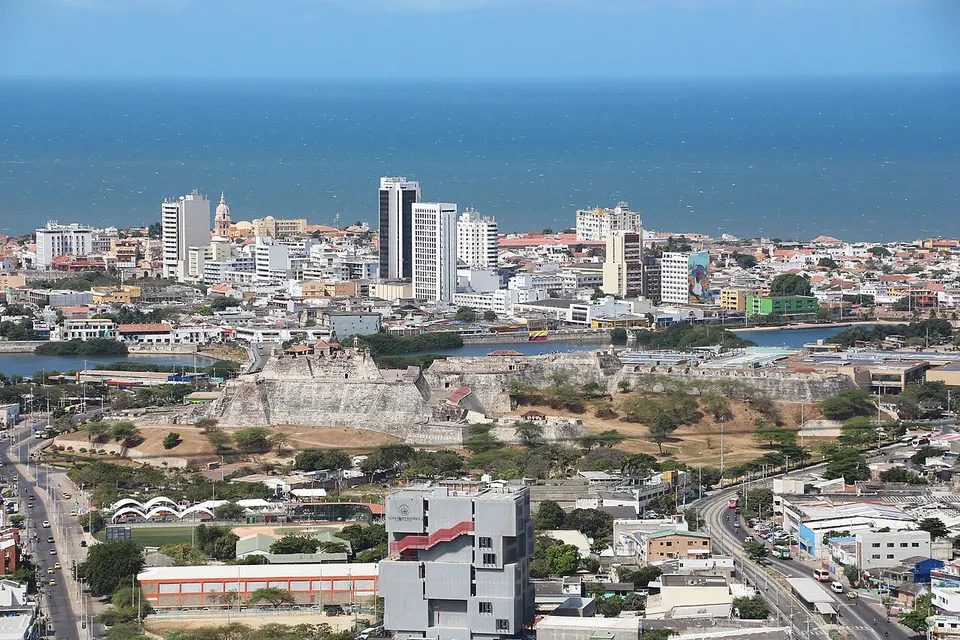
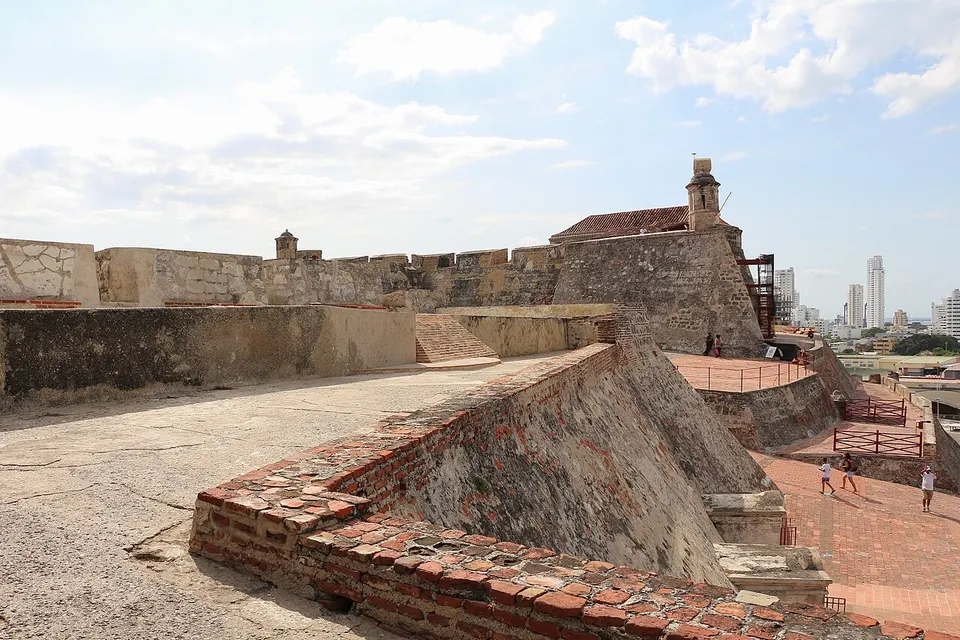
The largest Spanish fortress in the Americas (17th century): narrow tunnels deep inside and the whole city from the top. Little shade, so go early and carry water; audio guides for hire.
CityFree24 hours (Trinidad square is liveliest at night)
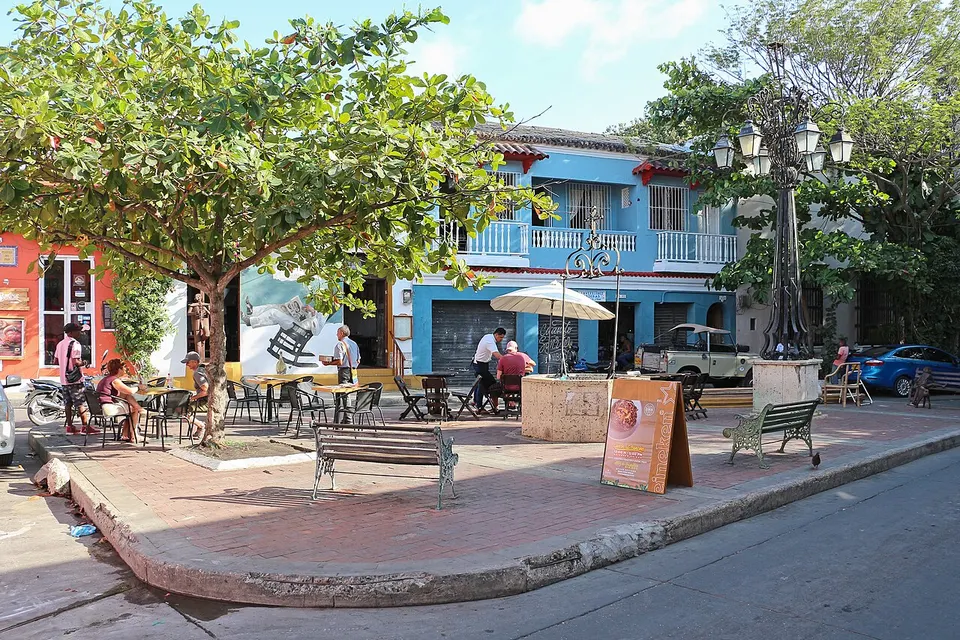
The old workers' district outside the walls — streets of murals, umbrellas and flags, cheap food and bars. In the evening Plaza de la Trinidad fills with street food, dancing and music.
An 18th-century baroque palace on Plaza de Bolívar, now the city history museum: the Inquisition tribunal, torture instruments and colonial Cartagena. The instruments may scare young children.
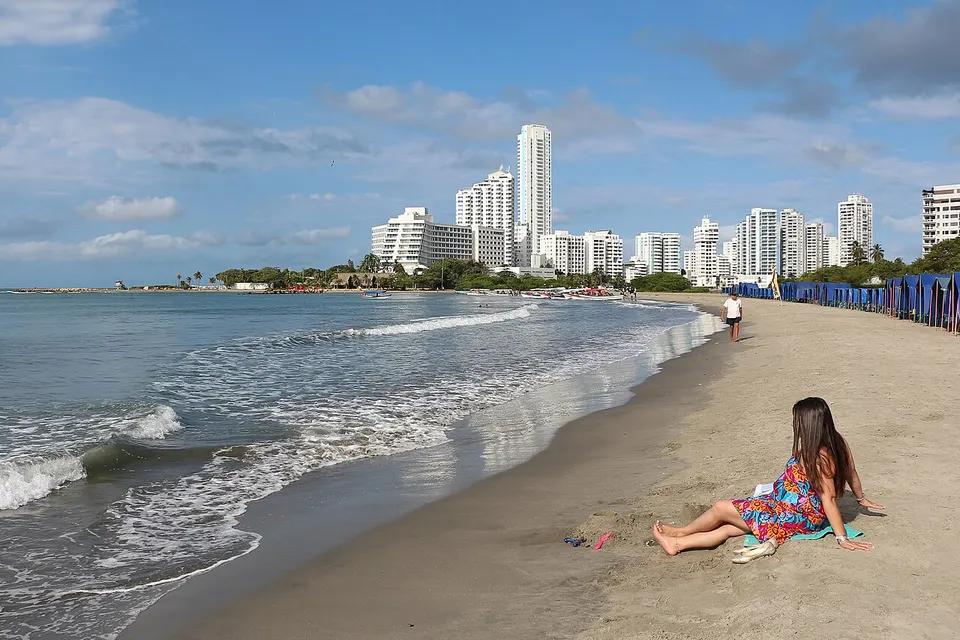
The high-rise city beach 10 minutes from the old town; the water is murky and the sand grey, but it is close for kids to play. Vendors are pushy — agree on massage and food prices first and get it in writing.
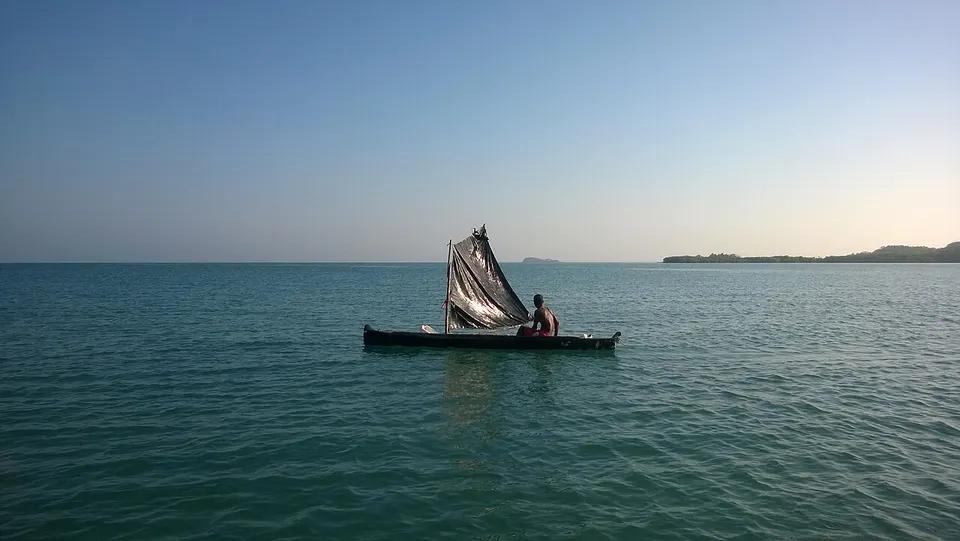
27 small coral islands protected as a national park. About 1 hour by speedboat from La Bodeguita pier; snorkelling and clear-water swimming. The park fee and insurance are only charged on tickets from the official pier. Boats bounce hard on rough days. Most tours stop at the Oceanario on San Martín de Pajarales island (COP 40,000, ages 2–10 COP 30,000; dolphin show) — great for families.
A long white-sand, turquoise-water beach on the Barú peninsula — the prettiest sea near Cartagena. About 1 hour by road or by boat. Packed with people and vendors on weekends and holidays; go on a weekday and agree prices first.
Float in the crater of a 15 m mud volcano — the mud is so dense you can't sink. About 1 hour by road, usually on a tour combined with Manzanillo beach. Locals charge for washing, massage and photos, so bring cash.
The first free African town in the Americas (17th century) — its Palenquero language, music and traditions are UNESCO intangible heritage. About 50 km from Cartagena; go with a local guide for music, dance and sweets.
NatureForeign visitors COP 81,000 (high season COP 96,500)≈8:00–17:00; 2026 closures 1–15 Feb, 1–15 Jun, 19 Oct – 2 Nov
Jungle running straight into the sea — Cabo San Juan and Arrecifes beaches. 4–5 hours from Cartagena (next to Santa Marta), so plan 2–3 days, not a day trip. It closes three times a year for Indigenous ceremonies and nature recovery; don't swim at beaches with strong currents.