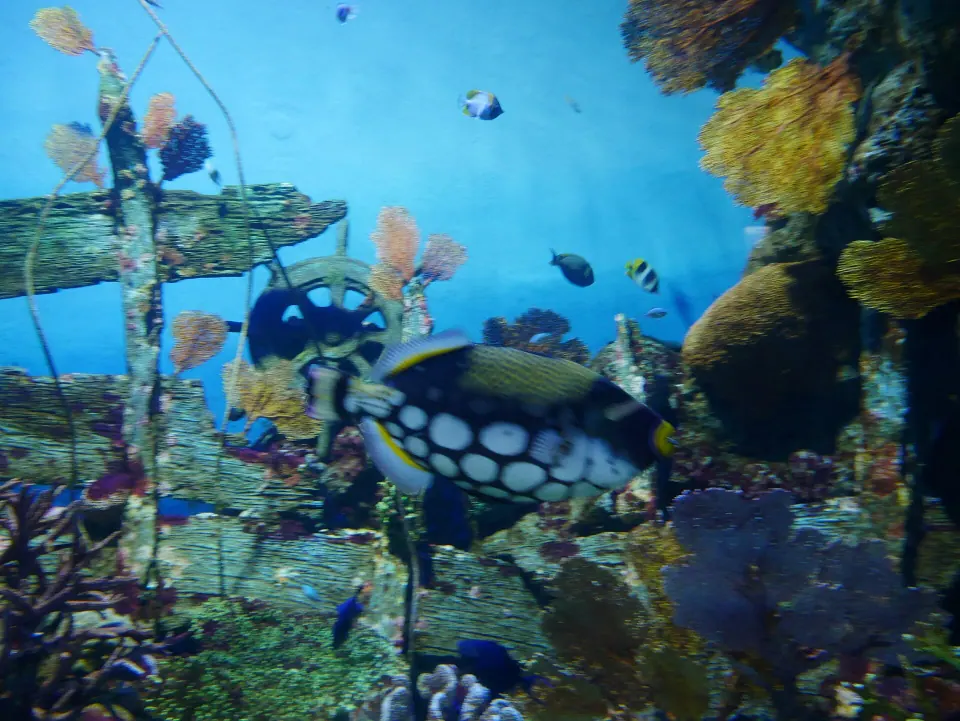
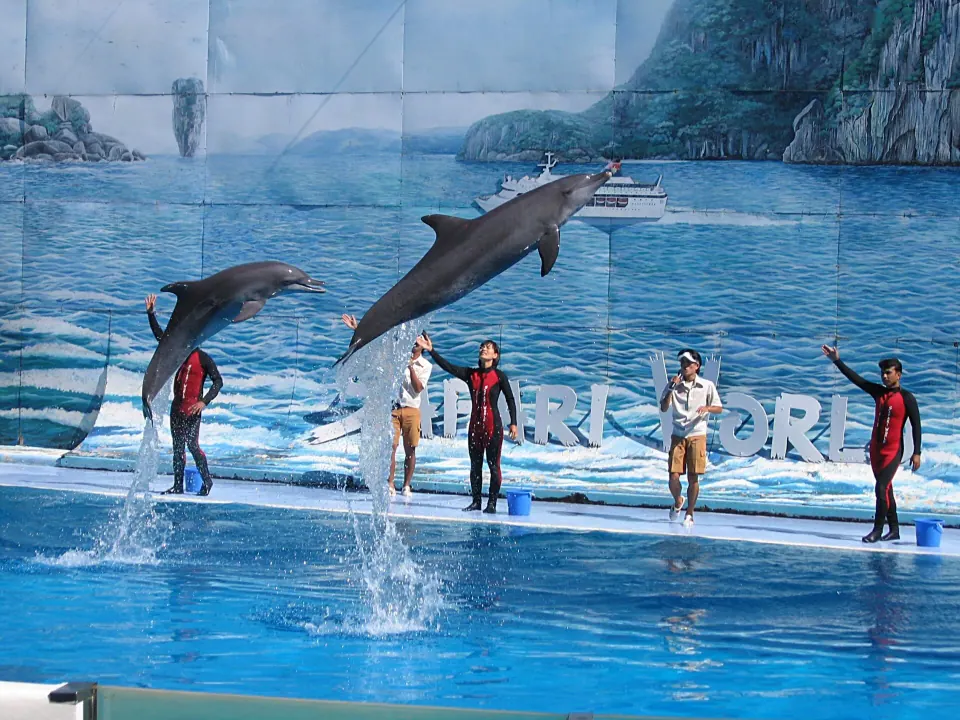
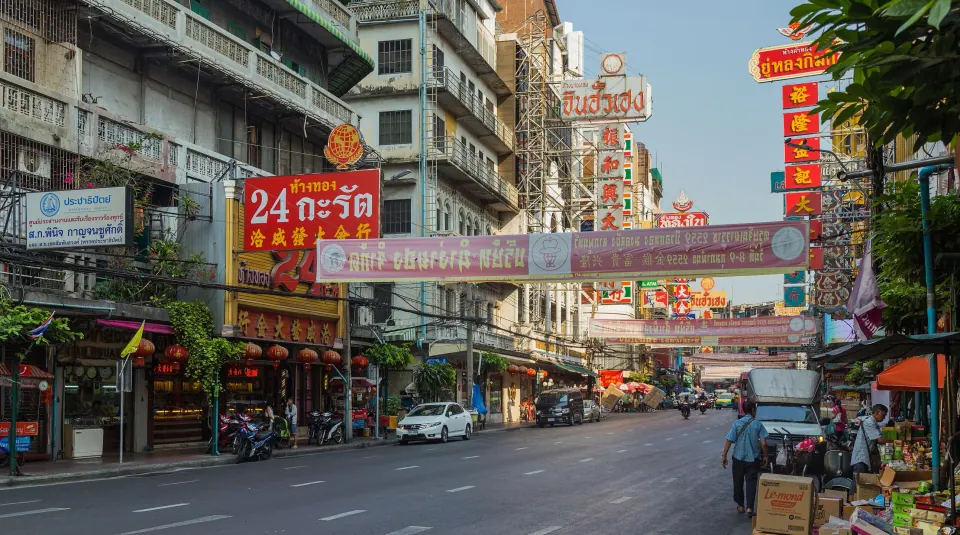
Thailand's capital: golden temples, street food, huge shopping malls and nightlife. For lovers of cities, food and shopping; there's no beach, so it's often combined with Pattaya or Phuket. November–February is the best time.
🛂 Visa: Visa-free · 30 days✈ Flight: 6.5h · direct☀ Best months: November, December, January, February
Like a well-travelled friend for a first-timer: before you go, landing, SIM, transport, money, food, safety, manners, apps, leaving — step by step.
🧳Before you goMongolians enter Thailand visa-free. The preparation is three things: the TDAC digital card, insurance and the right clothes.+
1
Visa-free for 30 days
Under the Mongolia–Thailand bilateral agreement, ordinary passport holders may stay up to 30 days without a visa. Passport valid at least 6 months, return ticket required. For a longer stay, get a visa from the Thai Embassy in Mongolia. Conditions can change, so check the embassy's notice before flying.
Every foreigner fills in the Thailand Digital Arrival Card online; the paper card is gone. In the days before your flight (not too early) enter your passport, flight and hotel address at tdac.immigration.go.th and save the QR on your phone. It is free; any site charging for it is a scam.
Bangkok's private hospitals (Bumrungrad, Bangkok Hospital, Samitivej) are among Asia's best, and they bill accordingly. Without insurance even a simple emergency visit is expensive. Motorbike accidents and food poisoning are the two most common claims.
Tip: Save your insurer's 24-hour number and policy number on your phone.
4
Clothes and gear
Hot all year; November–February is the most pleasant. Temples and the palace require covered shoulders and knees, so pack long trousers and a shirt with sleeves. Malls and the BTS are cold with air-conditioning, so bring a light layer. Umbrella in the rainy months (May–October). Plugs usually fit Mongolian ones.
Tip: You take your shoes off in temples; wear ones that slip off easily.
5
What to book
Choose a hotel near a BTS or MRT station (Sukhumvit, Siam, Silom, Ari); it frees you from the traffic. The Grand Palace and Wat Pho need no advance booking; Safari World and SEA LIFE are cheaper online. Booking flights early may find a seasonal direct flight.
🛬ArrivalSuvarnabhumi (BKK) is east of the city. The train is fastest, a taxi most comfortable, and both are official.+
1
Immigration
Have your TDAC QR and passport ready. Queues can be long; do not join the "Thai passport" lanes. Collect your bags and leave through the green "nothing to declare" channel. From the arrivals hall the train is in the basement and the official taxis one floor down; signs are in English.
From the basement of the terminal the City Line runs into town: Makkasan (connects to MRT Phetchaburi) and the terminus Phaya Thai (BTS). Tickets 15–45 baht, about 27 minutes to Phaya Thai, 05:30–24:00. Traffic is irrelevant, but with big suitcases it is crowded at peak times.
On floor 1 between gates 4 and 7 there are taxi ticket machines: take a ticket and go to the lane printed on it. The meter plus a 50 baht airport surcharge; expressway tolls are paid by the passenger. If the driver will not switch on the meter, get out and take the next one.
📶Phone and internetThailand's three operators (AIS, True, dtac) all have tourist packages; both eSIM and SIM are registered with your passport.+
1
Tourist SIM at the airport
AIS and True counters stand side by side in arrivals; show your passport and it is activated within minutes. Tourist plans differ by number of days (a few days up to a month) with unlimited data. Slightly dearer than a 7-Eleven in town, but it works immediately.
AIS and True both sell tourist eSIMs online; install the QR before you fly and switch it on when you land. If you need your Mongolian number for WhatsApp and bank SMS, keep the main SIM in and use the eSIM for data.
Tip: Turn data roaming off on the Mongolian SIM and on for the eSIM.
3
7-Eleven and operator shops
In town, 7-Eleven and Family Mart sell SIMs and top-ups; the staff register them with your passport. For a long stay, an operator shop can switch you to a regular prepaid plan, which is cheaper.
Tip: The Thai alphabet is different, so write addresses in English only.
🚇Getting aroundBTS (elevated train), MRT (metro), river boats, taxis and Grab. In this traffic, rail always wins.+
1
BTS Skytrain
Two lines (Sukhumvit, Silom) cross at Siam; the malls, Chatuchak market and Lumphini are all on the BTS. Buy single tickets from the machines (coins and small notes); for many rides get a Rabbit card at the counter with your passport and top it up. Very crowded at peak times.
The MRT Blue Line serves Chinatown (Wat Mangkon), Hua Lamphong and Chatuchak. Tap a contactless Visa/Mastercard at the gate and walk through; no ticket needed. BTS and MRT are separate systems, and no single card works on both.
Tip: Check before you leave that contactless is enabled on your Mongolian bank card.
The Grand Palace, Wat Arun, ICONSIAM and Chinatown are all on the river. From Sathorn pier (BTS Saphan Taksin) the orange-flag boat is cheapest; the blue tourist boat costs more but has commentary. The small cross-river ferries are almost free.
4
💳MoneyThe currency is the Thai baht (THB, ฿). Bangkok takes cards well, but street food, markets and tuk-tuks need cash.+
1
Changing money
Bringing dollars from Mongolia and changing them in Bangkok gives a good rate: licensed chains such as SuperRich (green and orange) are in the centre, some inside BTS stations. The airport rate is poor, so change only taxi money there. New, intact $100 bills get the best rate.
Tip: They require your passport, the original, not a copy.
2
ATMs
Thai ATMs charge a fixed fee on every foreign-card withdrawal, so withdraw rarely and in larger amounts. Use ATMs at bank branches, and when asked whether to convert at the ATM's rate, decline (no conversion) for a better rate.
3
Cards and QR
Malls, restaurants and 7-Eleven take cards. Thailand's PromptPay QR works only with Thai bank apps, so it is not for tourists. Street food, markets, temple tickets and taxis are cash. Always carry small notes (20, 50, 100).
4
Tipping and bargaining
Not obligatory: leftover coins at a restaurant, a little for a massage, rounding up the taxi meter is enough. Larger restaurants add a service charge. You bargain at Chatuchak and Pratunam markets, never in malls.
🍜FoodBangkok is the street-food capital of the world. The chilli is far stronger than anything in Mongolia; learn to say "mai phet" (not spicy).+
1
What to eat
Pad thai, pad kra pao (basil with chicken or pork and a fried egg), khao man gai (chicken rice, a Mongolian favourite), tom yum, massaman curry, mango sticky rice, moo ping (pork skewers). Yaowarat (Chinatown) for seafood at night, Chatuchak's food section at weekends.
2
Is street food safe?
Yes, if you choose well: busy stalls where the food is cooked in front of you. Avoid food that has sat out, lukewarm dishes and pre-peeled fruit. A Mongolian stomach is not used to chilli and coconut milk, so go gently the first days.
Tip: Mall food courts are clean, air-conditioned and take cards or coupons.
3
Water and ice
Nobody drinks tap water; bottled water is very cheap at 7-Eleven. Restaurant ice is the factory kind (with a hole) and safe. Fruit shakes and cut fruit (mango, papaya, watermelon) are generally fine, but skip pieces that have sat on ice for hours.
4
Ordering in Thai
"Mai phet" — not spicy, "phet nit noi" — a little spicy, "mai sai phak chi" — no coriander, "gin jay" — vegetarian. Google Translate's camera is the easiest way to read a menu. Fish sauce (nam pla) goes into almost everything; say so if you are allergic.
🛡️SafetyViolent crime is rare; the real risks are scams, traffic and heat.+
1
Emergency numbers and the embassy
Tourist Police 1155 (English), ambulance 1669, fire 199. Mongolian Embassy: Athenee Tower, Unit 604, 63 Wireless Road, Lumpini (walk from BTS Ploen Chit); phone +66 2 168 8599, emergency +66 61 026 9692. If you lose your passport, get a police report first, then go to the embassy.
"The Grand Palace is closed today": never believe it, walk to the gate yourself. The "free tuk-tuk tour" ends in gem and tailor shops. Patpong "ping-pong shows" come with a huge bill. Jet-ski and boat rental "damage" claims. Invitations to card games or casinos.
Tip: Someone very friendly approaching you in English on the street usually has something to sell.
3
Traffic and motorbikes
Traffic drives on the left: look right first when crossing. Assume cars will not stop at zebra crossings. Renting a motorbike requires an international permit and a helmet; in Bangkok a tourist on a motorbike makes little sense when the BTS and Grab exist.
Tip: Use the BTS footbridges to cross big roads safely.
🙏EtiquetteThais are gentle and value saving face. Respect for the royal family and for Buddhism is protected by law.+
1
In temples and the palace
Covered shoulders and knees; the Grand Palace refuses shorts, sleeveless tops and thin leggings (clothing can be rented at the gate). Inside a temple, remove shoes and sit without pointing your feet at the Buddha. Climbing on Buddha statues, hugging them for photos or showing Buddha tattoos is forbidden.
Tip: Women do not touch monks; hand things over by setting them down.
2
The king, the flag, the anthem
Insulting the royal family is a serious crime (lèse-majesté); do not even joke. In cinemas everyone stands for the royal anthem, and so should you. Banknotes carry the king's image, so stepping on or throwing money is also an insult.
Tip: Political talk is casual in Mongolia; in Thailand never start a conversation about the monarchy.
3
The wai, heads and feet
Thais greet with palms together and a slight bow (wai); you need not return a wai to staff, a smile is enough. The head is sacred and the feet are low: do not touch a child's head or point with your feet, and stoop slightly when passing in front of someone. Raising your voice loses face.
📱Useful appsGrab alone will get you through Bangkok, but these save time and money.+
1
Grab and Bolt
Grab: cars, motorbikes, food and parcels. Bolt is usually cheaper but has fewer drivers. Install both and compare. Link your Mongolian card to Grab and you need no cash; the driver chat translates automatically.
In Thailand LINE replaces WhatsApp: hotels, guides and tailors are all on LINE. LINE MAN does food delivery, taxis and groceries; easy for an evening meal at the hotel.
Shows BTS, MRT, bus and river-boat routes and times; download Bangkok offline. In Translate, download Thai for offline use and read menus and signs with the camera.
SEA LIFE, Safari World, Mahanakhon SkyWalk and similar tickets are cheaper online than at the counter, and you enter with a QR. For the Grand Palace and temples, buy on site; no middleman needed.
🛫LeavingSuvarnabhumi is big and the queues are long. Allow extra time if you are claiming a VAT refund.+
1
To the airport
The Airport Rail Link ignores traffic; at the evening peak (especially Friday) a taxi can take two hours. Departures is on floor 4 of the main terminal. With a lot of luggage take a taxi and tell the driver to use the tollway; you pay the toll.
In shops with the "VAT Refund for Tourists" sign, spend at least 2,000 baht in one day, show your passport and get the P.P.10 form. Goods must leave within 60 days. At the airport, before check-in, show goods and forms at the customs inspection counter for a stamp, then collect the refund at the counter after passport control.
Buddha statues and images (without a permit), e-cigarettes, cannabis products, some plants and animal products. Large sums of baht must be declared. Mongolian customs is strict on fruit, meat and dairy; stick to dried fruit and sweets.
App bookings show the fare up front, plus an airport pickup fee. The pickup point is outside a specific terminal gate; wait where the app tells you. Compare both apps' prices.
Tip: Anyone approaching you inside arrivals with "taxi?" is unofficial; decline.
Metered taxis are cheap; say "meter" as you get in. If the driver quotes a flat fare ("meter broken", "traffic"), get out and take another. Tuk-tuks are fun but have no meter: agree the price first, and a "free tour, shops" offer is a scam. Motorbike taxis (orange vests) are quick for short hops.
5
Out of town
To Ayutthaya, Pattaya or Hua Hin: train (Krung Thep Aphiwat station), minivans (Mo Chit, Ekkamai terminals) or Grab's intercity service. For three or four people a car with driver for the day is the comfortable middle ground.
Tip: Thai iced milk tea (cha yen) is far sweeter than Mongolian milk tea; ask for "less sweet".
4
Heat and health
March–May is extremely hot. Drink a lot, and rest somewhere air-conditioned at midday. Dengue is spread by mosquitoes, so use repellent morning and evening. For medicine, Boots, Watsons or any pharmacy; most medicines need no prescription. The big hospitals speak English and are open round the clock.
Tip: At Bumrungrad or Bangkok Hospital you will be understood without an embassy interpreter.
5
Nightlife and alcohol
Never leave your drink unattended. Check bar prices before ordering. Alcohol sales hours are restricted by law (shops do not sell in the mid-afternoon or late at night). Drugs mean severe penalties, and police check outside clubs.
Tip: Avoid taking a taxi alone when drunk; book a Grab and share your trip.
4
Laws tourists break
E-cigarettes (vapes) are banned in Thailand: confiscated at the border and fined. Legal cannabis shops exist, but smoking in public and taking it out of the country are prohibited. Littering and smoking outside designated areas are fined. Carry a copy of your passport.
Tip: Exporting Buddha statues or images requires a permit.