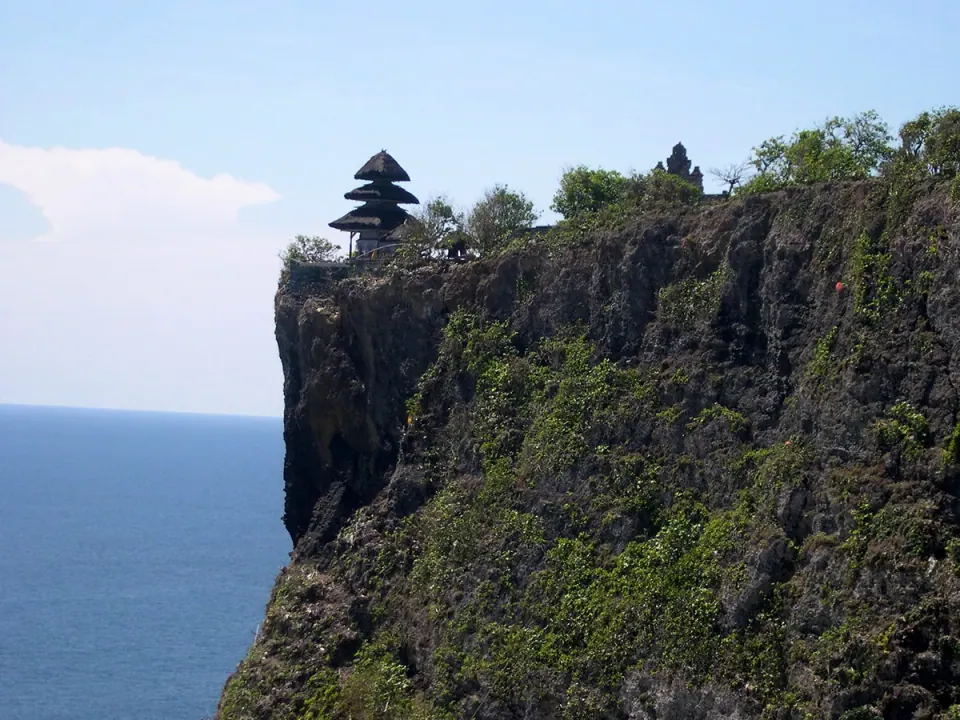
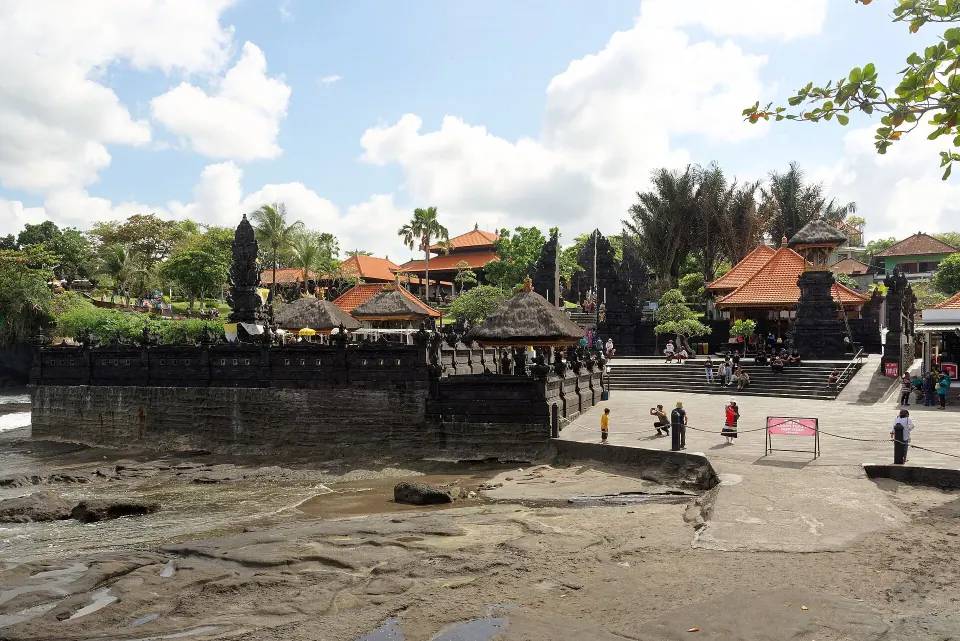
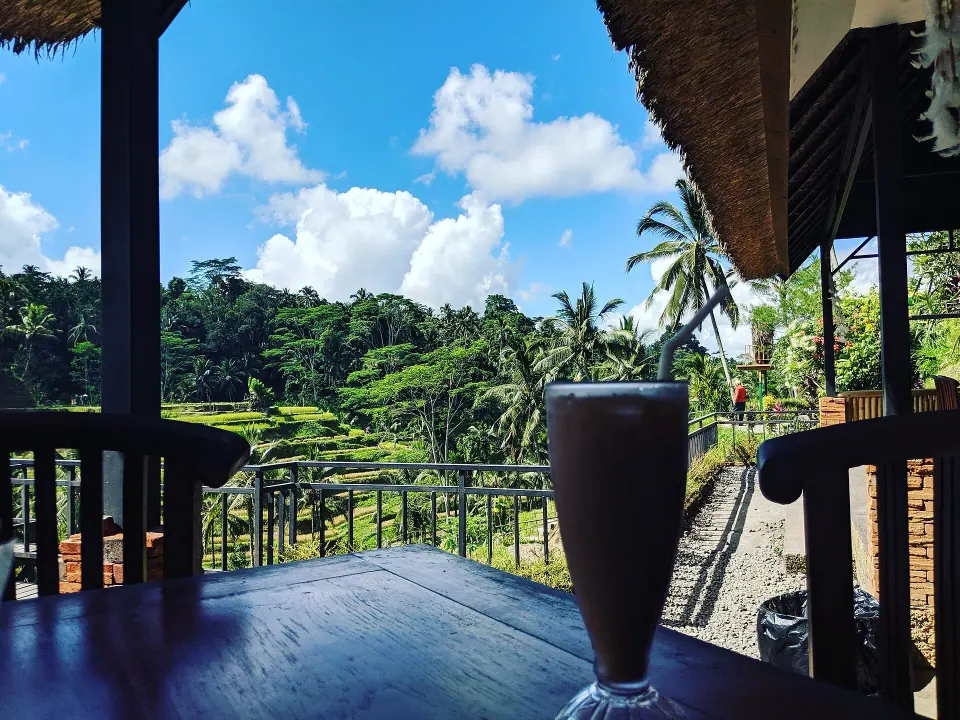
Indonesia's "Island of the Gods": Hindu temples, rice terraces, the jungle around Ubud, surfing and resorts with villas. For those who want to combine relaxation, nature and culture; May–October is dry, December–March is rainy. Mongolian citizens get a paid visa on arrival (VOA/e-VOA).
🛂 Visa: Visa on arrival · 30 days✈ Flight: 11.5h☀ Best months: May, June, July, August
Like a well-travelled friend for a first-timer: before you go, landing, SIM, transport, money, food, safety, manners, apps, leaving — step by step.
🧳Before you goMongolian citizens need a visa for Bali, but it is a simple one: on arrival or online. Good preparation saves you half an hour at the airport.+
1
Visa: on arrival or e-VOA
Ordinary Mongolian passport holders are eligible for a Visa on Arrival: 30 days, extendable once by 30 days, fee IDR 500,000. Passport valid at least 6 months, return ticket required. At the border you pay at the BRI bank counter in dollars or rupiah. To skip the queue, get the e-VOA in advance.
Tip: Apply only at evisa.imigrasi.go.id; the ".com" agency sites charge an extra fee.
The e-VOA can be requested from 14 days before travel; immigration advises applying at least 48 hours before departure. You must pay within 120 minutes of starting the application or the system rejects it. Save the approved PDF on your phone and carry a printed copy.
Bali province charges every foreign tourist a one-off IDR 150,000 levy. Pay it by card only on lovebali.baliprov.go.id and keep the QR voucher. Also fill in the electronic customs declaration (e-CD) at ecd.beacukai.go.id before flying, then you just scan a QR on arrival.
Tip: You can pay at the airport too, but the queue is long. Pay in advance.
Bali's private hospitals (BIMC, Siloam) are good but expensive, and serious cases are flown to Jakarta or Singapore. Motorbike crashes are the most common claim. If you plan to ride, check that your policy covers motorbikes and that you hold an international driving permit.
Tip: Choose a policy that covers hospital care, evacuation and motorbikes.
5
What to pack
Hot and humid all year: light clothes, a sarong for temples (rented on site, but your own is easier), strong sunscreen, mosquito spray, water shoes. A small umbrella in the rainy season (December–March). Stomach medicine and a two-round-pin (European-style) plug adapter.
Tip: Customs is strict on meat and dried food from Mongolia; do not bring food.
🛬ArrivalNgurah Rai airport is close to Kuta. Even late at night both Grab and official taxis run.+
1
The immigration queue
If you have no e-VOA, pay at the bank counter first and get the sticker, then join the immigration line. With an e-VOA go straight to immigration with the QR or PDF ready. Fingerprints and a photo are taken. Scan your customs e-CD QR at the exit gate.
App cars cannot pull up in front of the terminal. There is a dedicated Grab Lounge in the Pick Up Zone of international arrivals: leave customs, follow the signs and show your booking to the staff. The fare is shown in the app up front; do not pay unrequested extras.
Tip: If you land in the middle of the night, the fixed-fare official taxi counter is also a safe choice.
Inside the arrivals hall, before the exit, there is an official taxi counter: say your destination, pay the fixed fare, take the receipt and walk to the car. Do not get into the cars of the men who follow you outside calling "taxi, taxi"; the price doubles or triples.
4
📶Phone and internetTelkomsel has the widest coverage in Bali. Because of the IMEI registration rule for foreign phones, a tourist SIM registered with your passport, or an eSIM bought in advance, is the easy way.+
1
eSIM is the easiest
If your phone supports eSIM, buy a Telkomsel or international eSIM before you fly and activate it on landing. No IMEI registration and no counter queue. If you do not need calls, a data-only plan is enough; Grab and WhatsApp all run on data.
Telkomsel and other operators have counters in arrivals; show your passport and register a tourist SIM so your phone works on the network for the length of your trip. Airport prices are higher than in town, but the registration is done properly.
Tip: Have the staff set the APN and check that data works before you walk away.
3
Cheaper SIMs in town
The official Telkomsel GraPARI shops in Kuta and Ubud sell the same plans for less. SIMs from small street stalls may be registered in someone else's name and risk being cut off after a few days.
Tip: Staying longer than two weeks? Buy top-up (pulsa) codes at any minimarket.
🚇Getting aroundBali has almost no metro or bus network. Grab/Gojek, a car with driver and a motorbike are the three real options.+
1
Grab and Gojek — the backbone
GrabCar/GoCar for a car, GrabBike/GoRide for a motorbike taxi (fastest if you are alone with little luggage). Fares are shown up front; pay by card or cash. In some villages and beach areas the local taxi cooperative keeps app cars out; a driver saying he will drop you "outside the zone" is normal there.
2
A car with driver for the day
For a family of four, a full-day car with driver is the best value: Ubud–Tegallalang–Tirta Empul, or Uluwatu–Jimbaran, fits in one day. Book through your hotel, Grab (Rent) or a recommended driver, and agree in advance whether fuel and parking are included.
3
Motorbike rental — know the risk
Cheapest and most dangerous. To ride you need an international driving permit (category A), a helmet and insurance that covers it. Police stop tourists to check licences; without one you face a fine and an offer to "settle on the spot". If you are not an experienced rider, do not.
Tip: Parking attendants expect a small coin; keep small notes handy.
4
Boats to Nusa Penida and the Gilis
💳MoneyThe currency is the Indonesian rupiah (IDR). The numbers are big: a million rupiah is a few tens of dollars.+
1
Cash and ATMs
Small cafés, markets, temple tickets and parking are cash only. Use ATMs attached to bank branches (BCA, Mandiri, BNI); stand-alone street ATMs have had card skimmers. Ask your Mongolian bank to enable foreign transactions before you leave.
Tip: Check that ATM notes are clean and intact; torn notes are refused in some places.
2
Changing money
If you bring dollars, use only authorised money changers (signed as authorised, with a company name). The small street booths advertising the "best rate" palm notes while counting; recount your money on the counter before leaving. New, clean dollar bills get a better rate.
Tip: Use a big chain (BMC, Central Kuta) or a bank.
3
Cards and QRIS
Hotels, restaurants and malls take cards; small places may add a percentage for card payments. Indonesia's QRIS QR payments are everywhere, but most need a local app, so for a tourist cash remains the reliable option.
4
Tipping and bargaining
Restaurants usually add service and tax to the bill; you do not have to tip on top. Drivers, massage therapists and waiters appreciate a small extra. At markets you bargain: start around half the asking price and settle with a smile.
🍜FoodBalinese food is spiced and often hot. Here are the basic rules for avoiding "Bali belly".+
1
What to eat
Nasi goreng (fried rice), mie goreng (fried noodles), babi guling (roast pork, a Balinese speciality), sate (skewers), nasi campur (rice with several sides), lawar, bebek betutu (duck). Plenty of meat dishes for a Mongolian palate. The chilli (sambal) comes on the side, so you set the heat yourself.
2
Warungs — local eateries
A warung is a small family-run eatery: cheap and tasty. Pick one that is busy and cooks fresh. Be careful with food left out for a long time, lukewarm chicken and fruit salads made from unpeeled fruit.
3
Water and ice
Do not drink tap water; brush your teeth with bottled water too. Ice in restaurants and cafés is safe when it is the factory kind (cylinders with a hole). Bottled water is cheap everywhere, and hotels usually give free bottles daily.
Tip: Many cafés have refill stations; carry your own bottle and make less rubbish.
4
If you get sick
Stomach pain and diarrhoea: water, electrolytes (oralit from any pharmacy) and rest. If it lasts more than two days or you run a fever, go to a private hospital such as BIMC or Siloam with your insurance card and passport. Every pharmacy (apotek) stocks anti-diarrhoea medicine.
🛡️SafetyBali is generally safe; the main risks are the roads, the sea, animals and petty theft.+
1
Emergency numbers and the embassy
General emergency 112 (from mobiles), police 110, ambulance 118/119, fire 113. The Mongolian Embassy is in Jakarta: Sampoerna Strategic Square, South Tower, Level 21, Jl. Jenderal Sudirman Kav. 45–46, Jakarta; phone +62 21 2168 4133. There is no consul in Bali, so a lost passport means contacting Jakarta.
Kuta, Seminyak and Canggu beaches have strong rip currents. Red flag: no swimming; swim only between the yellow-red flags. Caught in a rip, swim sideways along the shore, not straight in. Never leave children alone even near the water's edge.
Tip: The Kelingking path on Nusa Penida is steep and slippery; wear proper shoes.
3
Monkeys, dogs and rabies
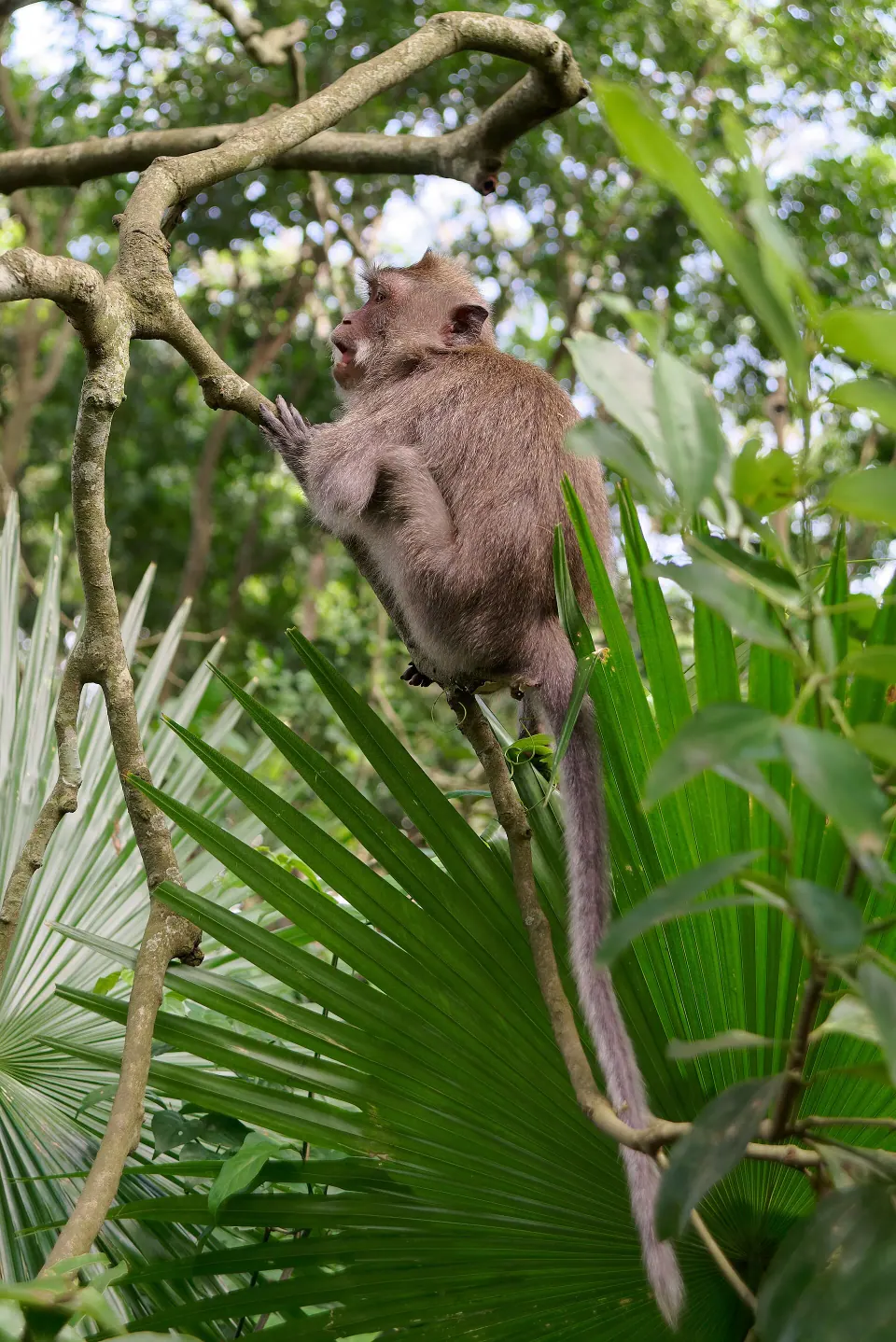
Rabies is present in Bali. The monkeys of the Ubud Monkey Forest and Uluwatu snatch glasses and phones: no food, nothing shiny, no staring into their eyes. If a dog or monkey bites or scratches you, wash with soap and get the vaccine at a hospital the same day.
Tip: A pre-travel rabies vaccination in Mongolia shortens the course of shots afterwards.
🙏EtiquetteBali is Hindu and different from the rest of Indonesia. A respectful, smiling guest is always warmly treated.+
1
Temple rules
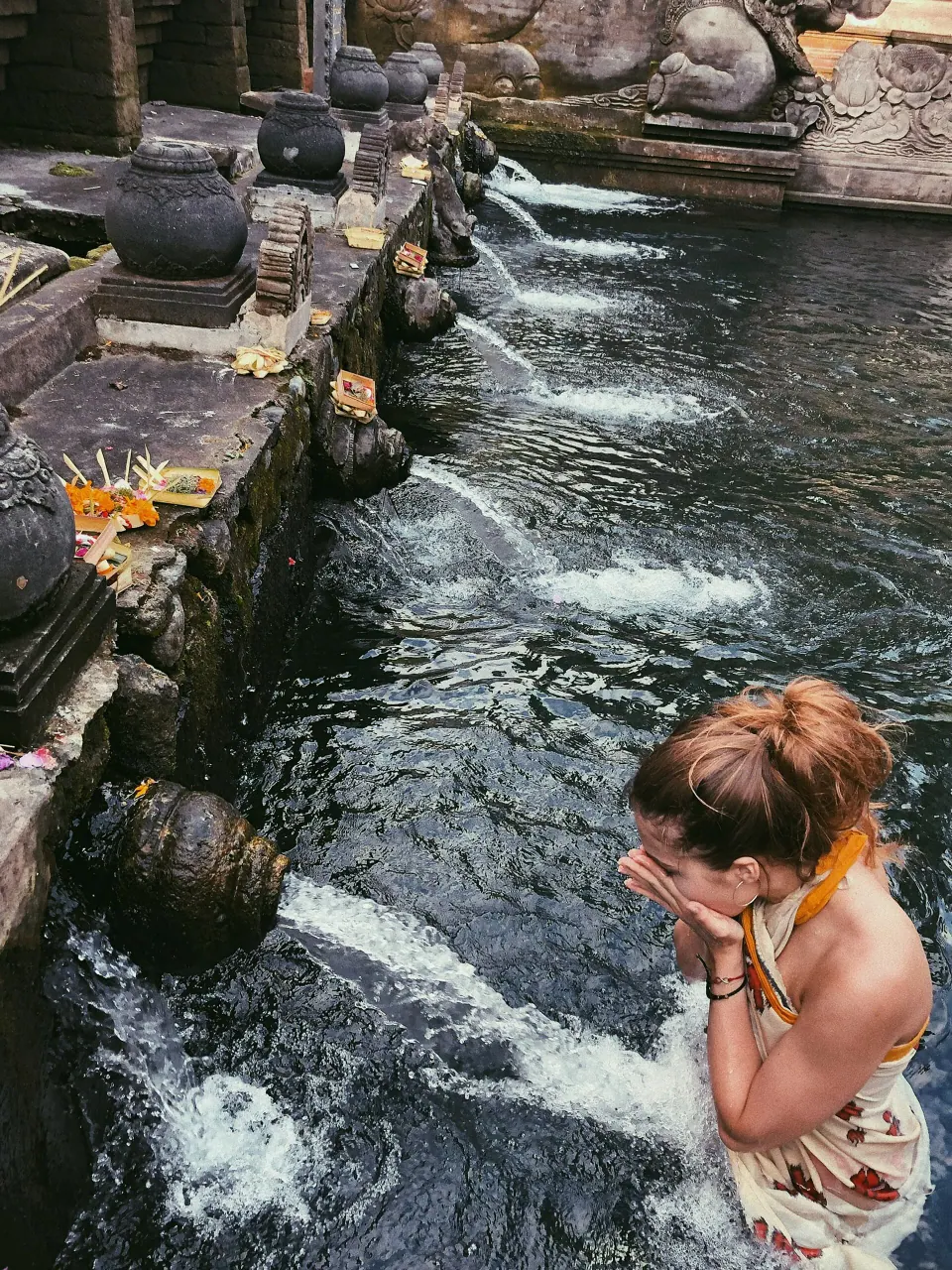
Wear a sarong and cover your shoulders; most temples rent sarongs at the gate. By custom, menstruating women do not enter; if you say so, it is respected. Do not climb above shrines or worshippers, no drones, and no photos in front of a ceremony in progress.
Tip: Do not step on the small offering baskets (canang sari) placed on pavements each morning.
2
Dress and manners
Beachwear stays on the beach, not in villages, temples or shops. The head is sacred and the feet are low: do not touch a child's head or point with your feet. Do not pass things with the left hand. Raising your voice in anger means losing face; settle any problem calmly.
Tip: On Nyepi, the Day of Silence, the whole island, airport included, shuts for a day; check the date.
3
The law: drugs and visas
Indonesia's drug laws are extremely harsh; even small amounts mean years in prison. Overstaying your visa costs a daily fine, and a long overstay means a ban. Tourists who posted disrespectful photos at sacred sites have been deported.
Tip: Some police insist on the original passport rather than a copy; decide whether to take it out of the hotel safe.
4
📱Useful appsDownload and register before you fly so everything works on landing.+
1
Grab and Gojek — both
Both apps do cars, motorbikes and food delivery; prices and waiting times differ, so pick the cheaper one each time. You can register with your Mongolian number for the SMS code; add a card and you need no cash.
Blue Bird is Indonesia's trusted metered taxi; the app shows a fixed fare before you book. Without the app, flag a blue car on the street and ask for the meter ("pakai argo").
The whole of Bali is a small offline download and helps in the hills where coverage is poor. In Translate, download the Indonesian pack and use the camera to read warung menus.
Drivers, hotels and tour operators all communicate on WhatsApp. Even if you are not used to it from Mongolia, install it and verify your number. Grab drivers message through the app chat too.
🛫LeavingThe airport is close to Kuta, but traffic is unpredictable. Leave early for an international flight.+
1
When to go to the airport
Leave earlier than the usual advice for international flights (about three hours), and if you are coming from Ubud or Canggu in the evening or in rain, add extra road time. Grab takes you straight to the departures drop-off area.
For goods bought in shops with the "Tax Refund for Tourists" logo: at least IDR 50,000 tax per transaction and IDR 500,000 tax in total. Up to IDR 5,000,000 is refunded in cash, more by transfer. Counter on the 3rd floor of Ngurah Rai's international terminal, 07:30–23:00 (WITA); show passport, boarding pass and the goods.
Coral, sea-turtle products, some woods and animal parts are banned exports. Large amounts of rupiah must be declared. If you brought dried meat or food, remember Mongolian customs rules on the way back too.
Tip: Airport shops cost far more than town; buy souvenirs at the Ubud market.
Kuta, Seminyak, Canggu: beach, surf, nightlife. Ubud: culture, nature, quiet. Nusa Dua and Jimbaran: resorts for families with children. Traffic is heavy, so "close" on this island is measured in hours. Choose a base near the places you want to see.
Tip: Going straight from the airport to Ubud, plan on nearly two hours.
Fast boats leave from Sanur harbour. Buy tickets at the official counters or through your hotel, and do not go out on a rough day (especially in the rainy season); capsizings have happened. Check that life jackets are on board when you get on.
Tip: Never plan the return boat on the same day as your flight; in rough seas it gets postponed.
Tip: Arak (local spirit) has occasionally contained methanol; drink cocktails only at reputable bars.
4
Petty theft and scams
Bag snatching from passing motorbikes happens in Canggu and Kuta; carry your bag on the side away from the road. "Damage" claims on rented scooters, money-changer tricks and "the temple is closed" redirections are all common. Use the hotel safe.
Tip: Keep photos of your passport, visa and insurance on your phone.
5
Volcanoes and earthquakes
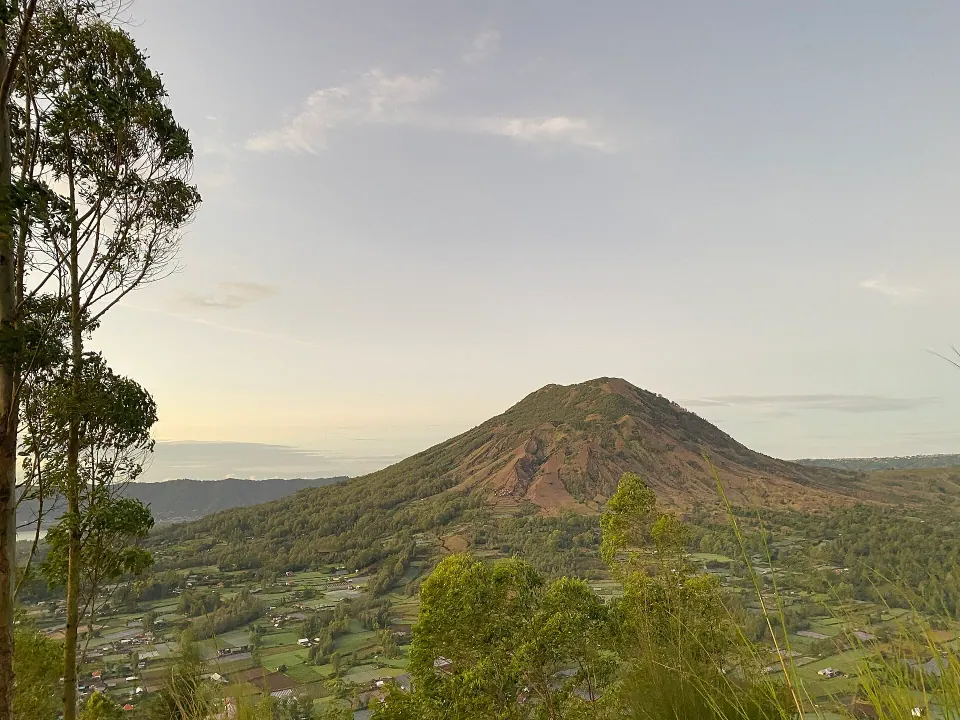
Agung and Batur are active volcanoes. Before a climb, check that day's status and go with a guide. If you feel an earthquake, leave the building for open ground; on the coast, head for higher ground. Look at your hotel's emergency exits on the day you arrive.
"Terima kasih" (thank you), "Selamat pagi" (good morning), "Permisi" (excuse me), "Tidak" (no). English is good in tourist areas. Balinese names (Wayan, Made, Nyoman, Ketut) show birth order; ask your driver about his and the conversation starts.
Tip: There are no Hindu temples in Mongolia; this is the place to learn how each shrine is honoured.
Tip: Save your hotel's WhatsApp number on arrival; you will need it for boat and car bookings.
4
Leftover rupiah
Almost nowhere in Mongolia exchanges rupiah, so change leftovers into dollars at the airport money changer or spend them at a last warung. Small notes make good tips for drivers and hotel staff.