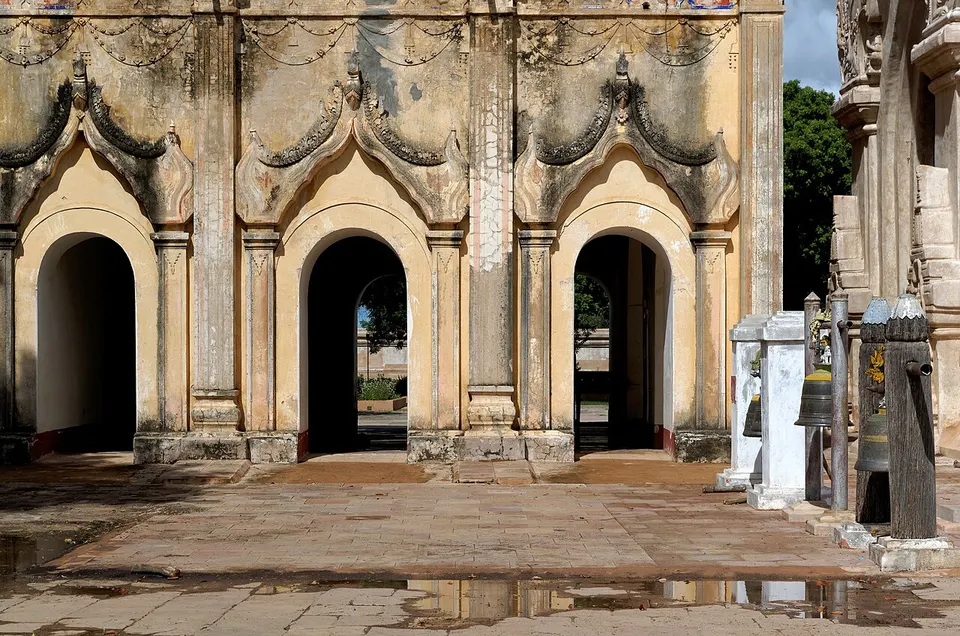
A UNESCO site with more than 2,000 ancient temples and stupas scattered across a plain on the Ayeyarwady River: sunrise hot-air balloons, e-scooters between temples, Mount Popa. One of the world's great archaeological sites, but armed conflict continues in Mandalay Region, with forced conscription and robberies on the roads around Nyaung-U, and many governments advise against travel. No direct flights — via Bangkok to Yangon, then a domestic flight to Nyaung-U. Mongolian citizens need an e-visa ($50, 28 days).
🛂 Visa: e-Visa · 28 days✈ Flight: 14h☀ Best months: November, December, January, February
Orange — daytime average, blue — night, grey bars — rainfall, green — sea temperature. Best months: November, December, January, February.
Things to see (12)
🧸 for kids
Shwezigon Pagoda★ 4.6 (3,500)
CultureIncluded in the zone ticket≈5:00–21:00
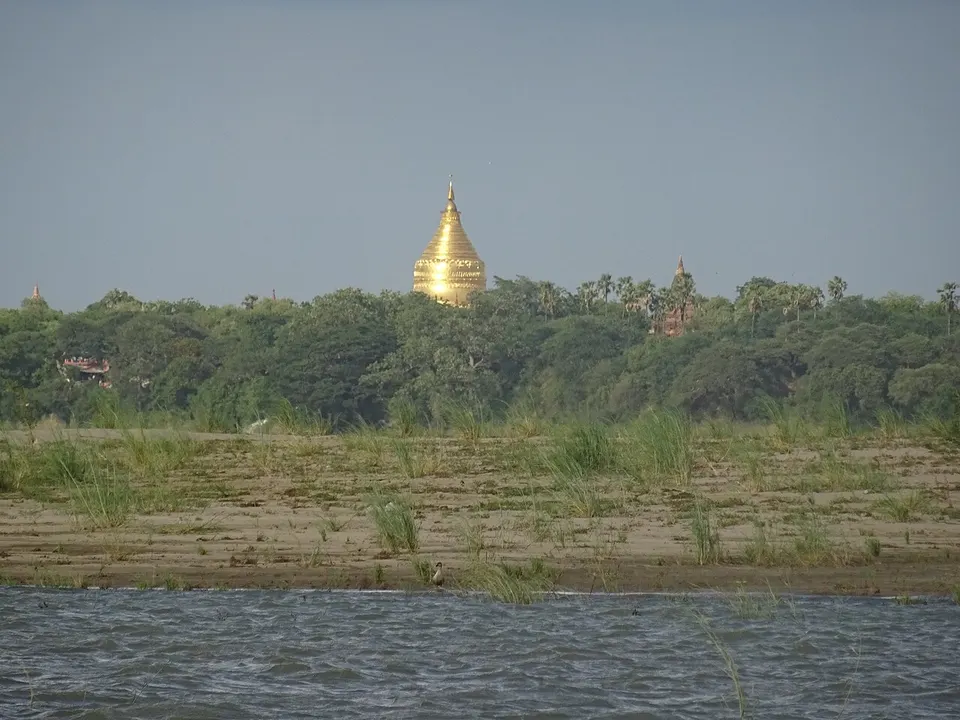
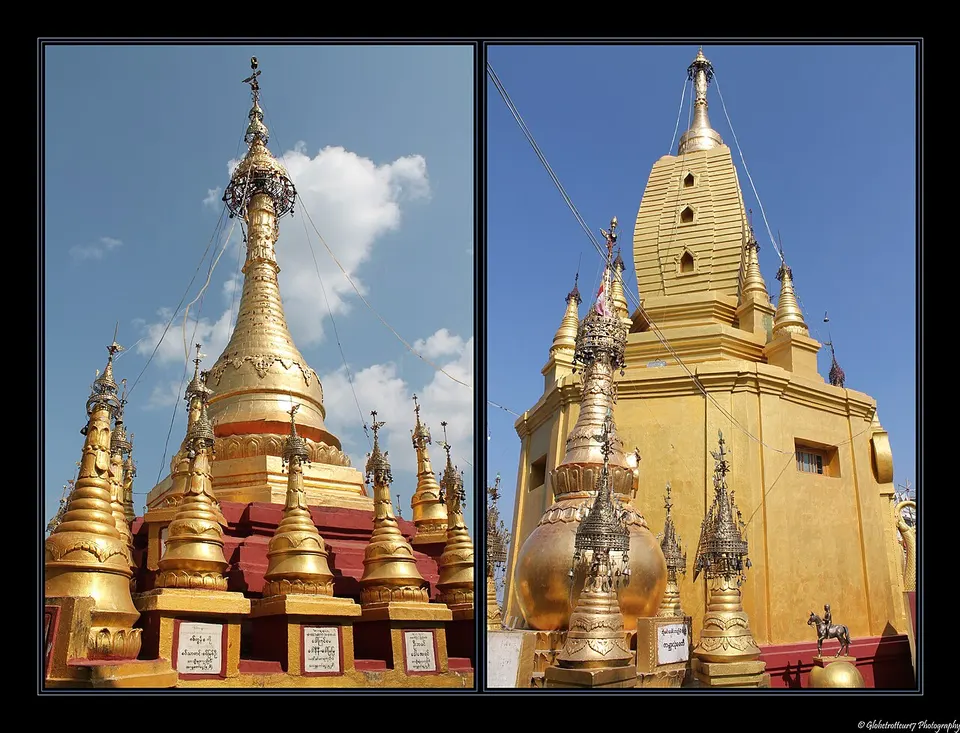
An 11th-century golden stupa in Nyaung-U — the model for later Burmese stupas. The area's busiest place of worship, where local families pray in the evening. Shoes and socks off.
Like a well-travelled friend for a first-timer: before you go, landing, SIM, transport, money, food, safety, manners, apps, leaving — step by step.
🧳Before you goBagan is not an ordinary holiday destination: first check the safety advisories and domestic flight situation, then sort out your visa and insurance.+
1
Read the safety advisories
Australia's Smartraveller advises 'Do not travel' to Myanmar. The UK FCDO advises against all but essential travel to Mandalay Region, where Bagan lies, and against all travel to the north of the region and to neighbouring Magway Region. In 2026 villages in Nyaung-U Township saw military raids and shelling. Check that your travel insurance covers Myanmar.
Tip: Re-check the advisories the day before you leave; Mongolia's embassy in Bangkok covers Myanmar.
Mongolian citizens with an ordinary passport need a visa (the visa-free arrangement covers only diplomatic and official passports). Get the tourist e-visa at evisa.moip.gov.mm: $50, about 3 working days, enter within 90 days of issue and stay 28 days. There is no visa on arrival. Enter via Yangon or Mandalay airports — Nyaung-U takes no international flights.
Tip: 'Myanmar e-visa' agent sites charge two to three times more — check that the address ends in .gov.mm.
Yangon–Nyaung-U flights were cut back in 2026 and stopped entirely for several days in March during a fuel shortage, so book ahead and leave a spare day before your flight home. Myanmar runs almost entirely on cash: bring new, unfolded dollar notes.
🛬Getting to BaganLand in Yangon on an international flight, then take a domestic flight to Nyaung-U. Overland travel is not recommended.+
1
Yangon–Nyaung-U flight
Myanmar National Airlines, Air KBZ and others fly Yangon to Nyaung-U (NYU) in ~1 h 20 min, from ~$130 one way. Yangon's domestic terminal is next to the international one. If it doesn't connect with your international flight on the same day, spend a night in Yangon.
At Nyaung-U airport or a zone checkpoint, foreigners pay the Bagan Archaeological Zone fee of 30,000 Ks, valid for 3 days — keep the ticket, it is checked at temples. A hotel pick-up or airport taxi is a short ride to Nyaung-U, Old Bagan or New Bagan.
The overnight Yangon–Bagan bus takes ~9–10 h, but in 2026 checkpoints along the way have pulled passengers off for forced conscription, robberies have been reported, and express buses on the Bagan–Nyaung-U road stopped in September. Especially risky for young men and families.
📶Phone and internet+
1
Buy a SIM in Yangon
MPT, ATOM and Mytel have counters in the Yangon airport baggage hall; registration uses your passport. MPT Tourist SIM: 2 GB 29,999 Ks, 7 GB 49,999 Ks, 20 GB 99,999 Ks, all for 30 days, plus a 20,000 Ks activation tax. MPT has the best coverage in Bagan.
Facebook, WhatsApp and X are blocked; Viber, Telegram and Gmail work. Mobile internet is cut in some townships of Mandalay Region. VPNs are illegal and police may check phones, so don't keep VPN apps or political content on your phone.
Tip: Download maps and the translation language offline, and leave your hotel address and phone number with family.
🚇Getting around BaganThe temples are spread over more than 100 km²: e-scooter, horse cart or a car with a driver.+
1
E-bikes
What most visitors use: about 20,000–50,000 Ks a day from your hotel or a street rental shop. Sandy dirt tracks are slippery, so ride slowly and wear a helmet. Head back before the battery runs out and be at your hotel before dark.
A horse cart costs about 20,000 Ks for half a day — good for families, and the driver doubles as a guide. For a day trip to Mount Popa, a car with a driver and a licensed guide is a must — don't go alone.
Don't travel independently beyond the Nyaung-U, Old Bagan and New Bagan tourist area, especially towards Myingyan, Taungtha or Pakokku. Stay off the roads at night; show your passport and visa at checkpoints.
The central bank's reference rate is $1 = 2,100 Ks, while the market trading rate is $1 = 3,660 Ks (2 Oct 2026). Real purchases happen at the market rate. Bagan has few exchange counters, so change enough kyat at a bank branch in Yangon.
Foreign cards usually fail at ATMs; big hotels and balloon companies may take cards, with a surcharge. Budget the whole trip in US dollar cash, with new, unfolded notes.
Zone ticket 30,000 Ks (3 days), archaeological museum $5, a Balloons Over Bagan flight ~$230 per person. Food is cheap: a multi-dish lunch for two is ~40,000 Ks.
🍜FoodBurmese food — curries, noodles, sour salads; in Bagan, Nyaung-U's 'Restaurant Row' has the most choice.+
1
Burmese curry and mohinga
Burmese curry comes with many small side dishes — beans, vegetables, sour salads. For breakfast, mohinga (rice noodles in fish broth) and sweet milky tea at the market or a teashop.
Tip: Snacks are placed on the table; you pay only for what you eat.
2
Bagan specialities
Lahpet thoke — fermented tea-leaf salad; palm sugar (jaggery) — watch it being made and taste it at roadside toddy-palm farms. With children, fried rice, noodles and Thai-style dishes are everywhere.
Don't drink tap water — bottled water and drinks without ice. In the hot season, touring temples at midday is hard, so visit early morning and late afternoon and rest at noon. Carry something for upset stomachs.
🛡️Safety and health+
1
Emergency numbers
Police 199, ambulance 192, fire 191. English speakers on these lines are rare, so ask hotel staff or your guide for help. Bagan has only small clinics; serious cases are moved to Yangon or Bangkok, so insurance with evacuation cover is a must.
In 2026 villages in Nyaung-U Township south of Bagan saw military raids, shelling and arson. Checkpoints on the Bagan–Nyaung-U road have pulled young men off buses for forced conscription, and robberies and kidnappings by unidentified armed groups have been reported. Never photograph soldiers or military sites, and follow your guide's advice.
Mongolia's General Intelligence Agency has warned that Mongolian citizens became trafficking victims in Myanmar scam compounds — do not trust offers of 'high-paying jobs' or free tickets. Dehydration and heatstroke are common in Bagan's heat; use repellent against dengue and malaria.
Take off shoes and socks in temple and pagoda grounds, and cover shoulders and knees. Climbing temples and stupas is banned — it can mean a fine, and earthquake-damaged walls are dangerous too. Watch sunrise and sunset from approved mounds, the Nan Myint tower or a boat.
The head is sacred and the feet are unclean: don't touch anyone's head or sit with your feet pointing at a Buddha image. Hand over money with your right hand. Ask before photographing monks and people; women do not touch monks.
3
Protect the heritage, avoid politics
Don't touch walls or murals, don't use flash inside temples, and leave no litter. Don't discuss politics or the military government in public — it can put locals at risk.
📱Useful apps+
1
Maps
Download Bagan in Google Maps for offline use and star the temples you want to see — essential on dirt tracks by e-bike, and it works when the internet is cut.
Nyaung-U–Yangon domestic schedules change often: reconfirm with the airline or through your hotel the day before. Spending a night in Yangon before your international flight gives you a safe buffer.
Spend your remaining kyat before leaving — it is almost impossible to exchange outside Myanmar. Antiques, Buddha images and bricks or stones from temples may not be exported; keep receipts for lacquerware you buy.
AI answer: double-check anything beyond our researched facts with an official source.
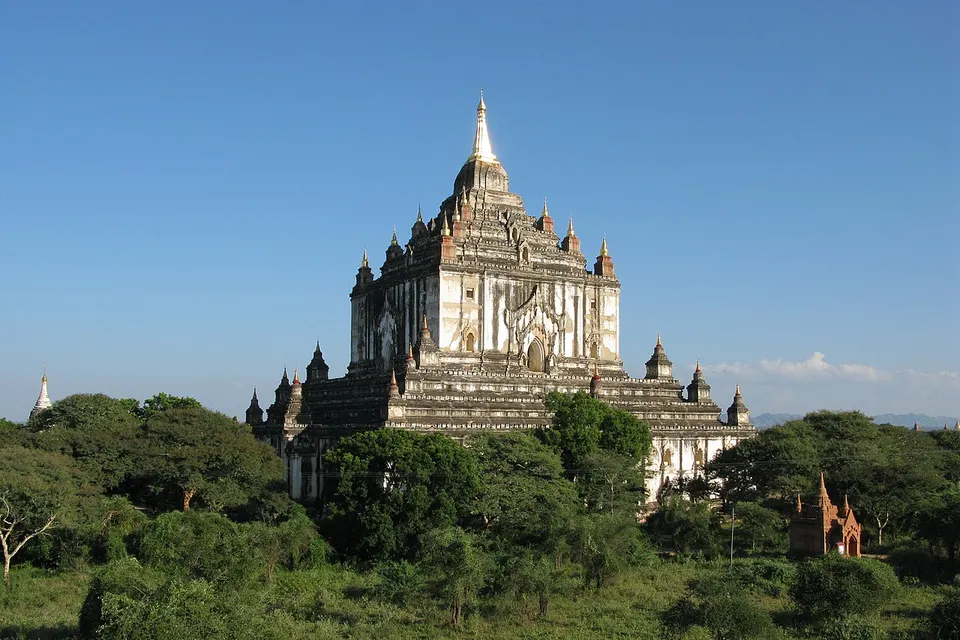
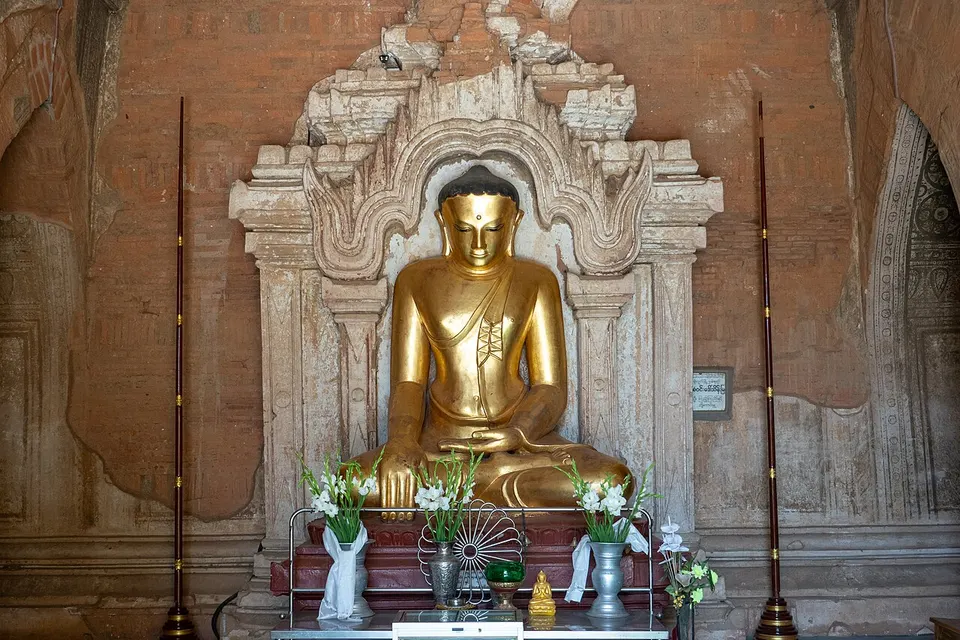
Built in 1105, Bagan's most beautiful and best-preserved temple: four 9.5-metre golden Buddhas facing the four directions and cross-shaped corridors. Open even after the 2025 earthquake.
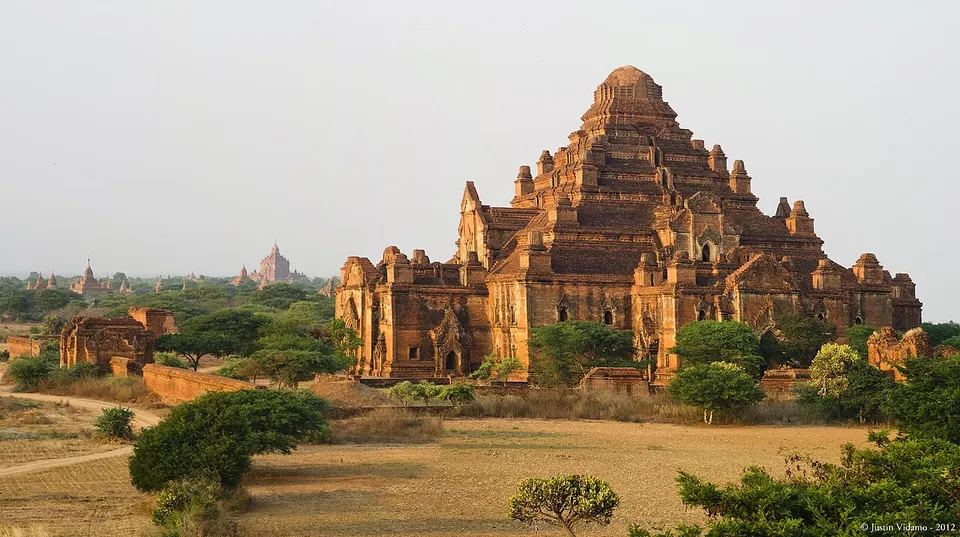
Bagan's largest temple — a pyramid whose inner corridors were mysteriously bricked up. Famous for brickwork so tight a needle won't fit between the bricks.
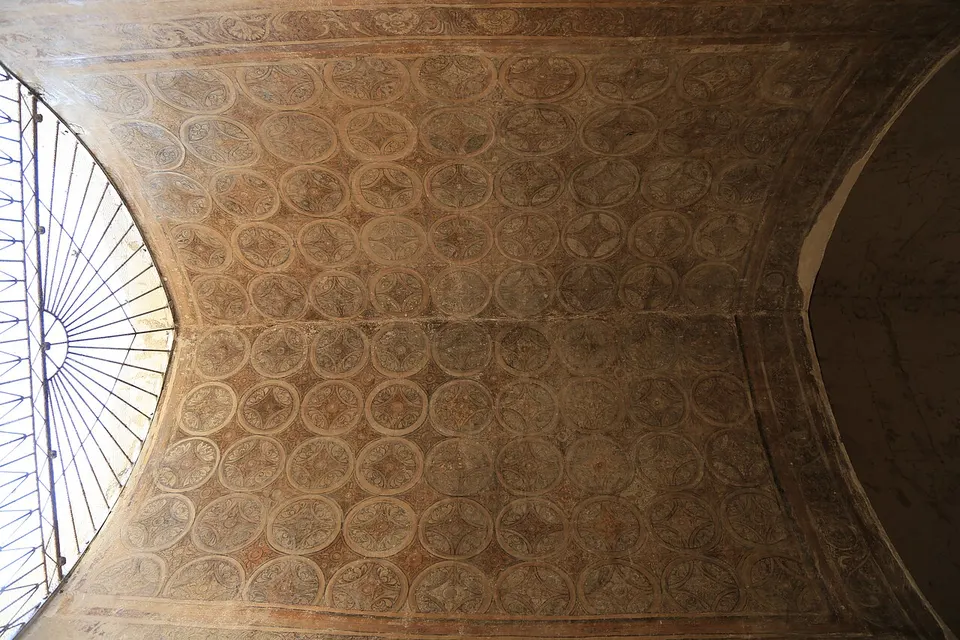
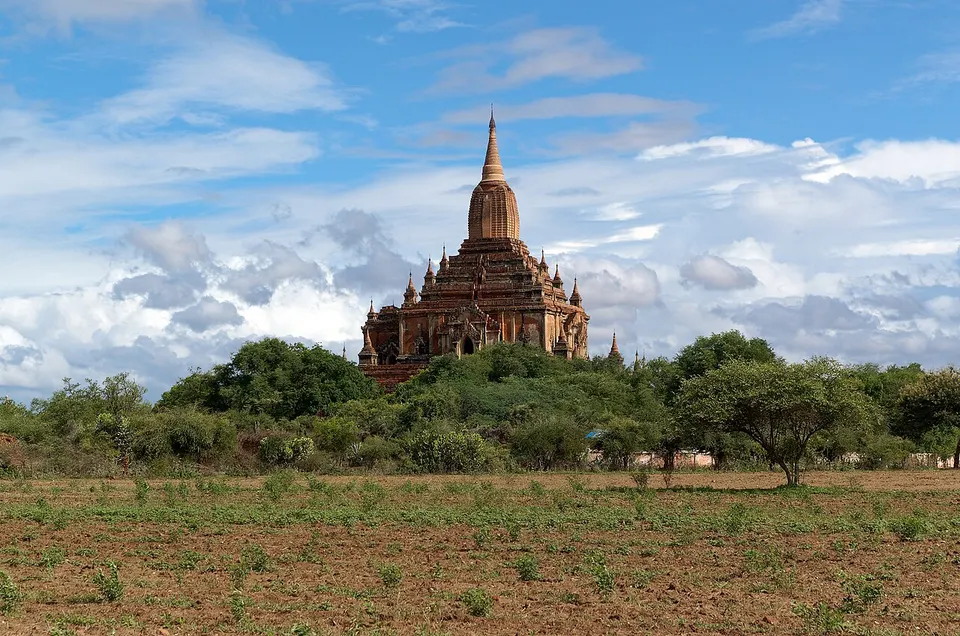
The 1183 'Crowning Jewel' temple, with well-preserved colourful 18th-century murals inside. Quiet and uncrowded; nearby you can see post-earthquake restoration work.
A 46-metre temple from 1218, built where a king chose his heir by where an umbrella fell; fine exterior stucco work. Many handicraft stalls at the entrance.
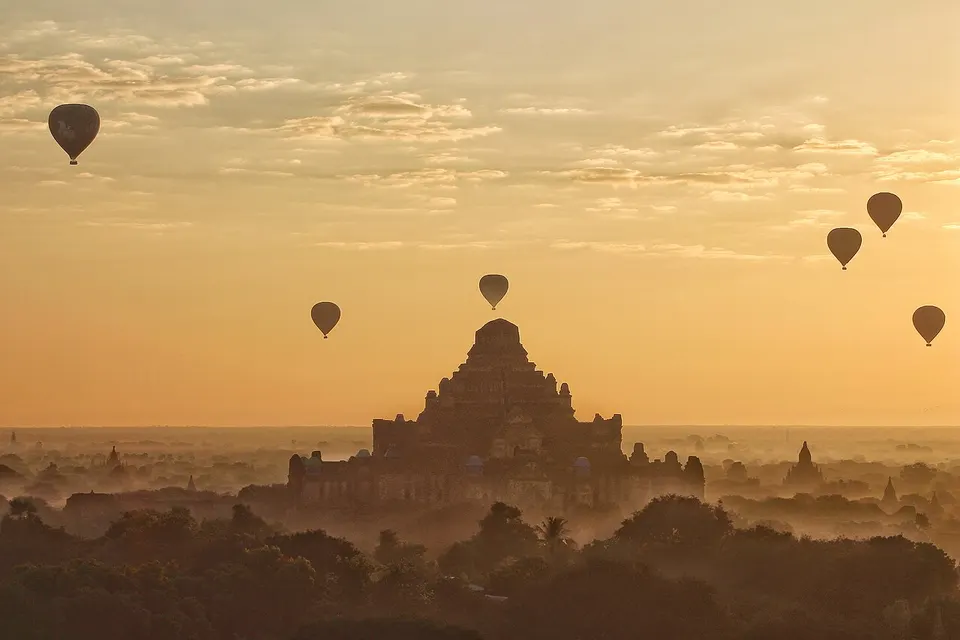
NatureBalloons Over Bagan ≈$230/person (45 min)October–April, at dawn (weather permitting)
A 45-minute flight over thousands of stupas at sunrise — Bagan's most famous experience. Dry season only; book very early for December–February. Watching from the ground is spectacular too, and free.
Buddhas, stone inscriptions, stucco and bronzes from the Bagan kingdom, plus a curious hall of Burmese women's hairstyles. A good escape from the midday heat.
Climb 777 steps to a monastery on a volcanic plug beside an extinct volcano; the centre of nat spirit worship. Lots of monkeys on the stairs — hide food and glasses. About 1.5 h from Bagan; under current conditions go only with a guide and driver, by day, after checking the road situation.
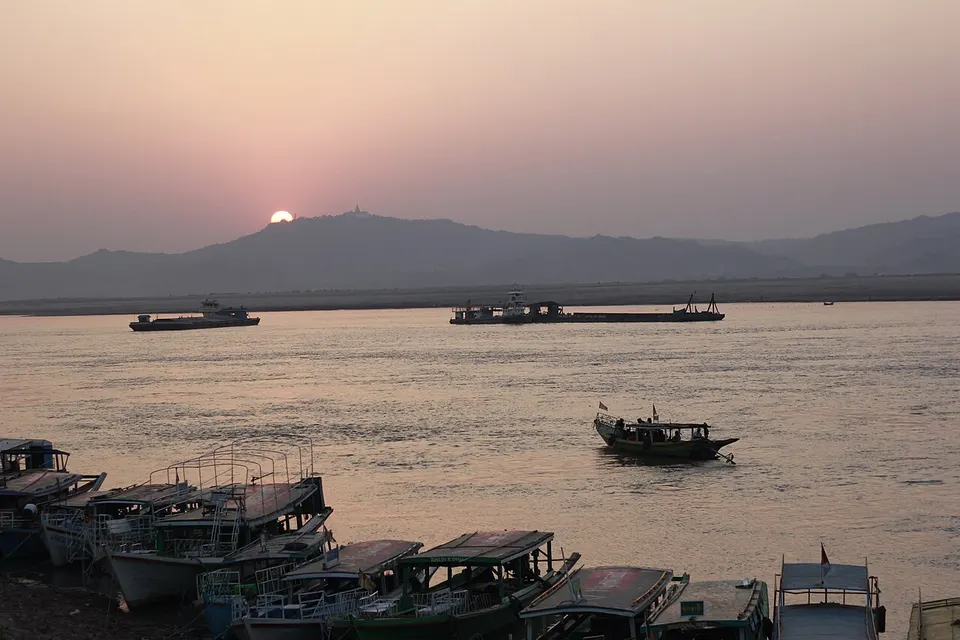
About an hour on the river in a small wooden boat from the jetty below Bupaya Pagoda to watch the sunset over fishing villages and riverside stupas. Calm for families, and a good sunset option now that temple climbing is banned.
Myinkaba and New Bagan lacquerware workshops★ 4.4 (700)
ShoppingFree to watch≈8:00–18:00
Traditional craft where bamboo bases are coated in layer after layer of lacquer over weeks, then engraved and painted — watch artisans at work and buy cups and boxes. Combine with Gubyaukgyi and Manuha temples in Myinkaba village.
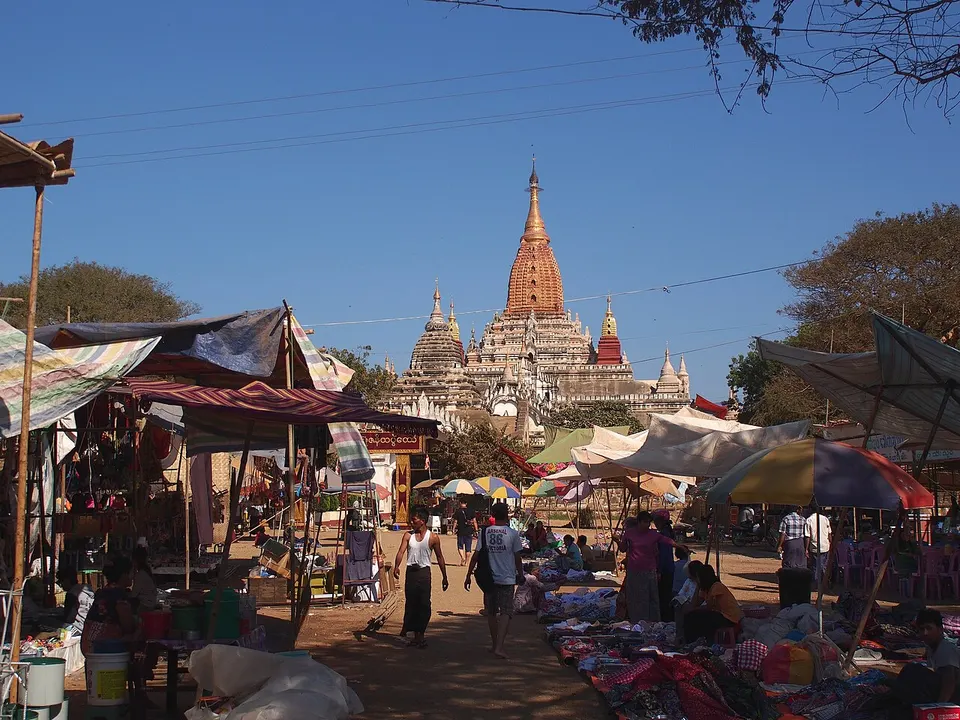
The everyday local market: fruit, vegetables, thanaka wood, longyi and lahpet (fermented tea leaves). Good for a mohinga breakfast and watching local life; souvenirs are cheaper than at temple entrances.